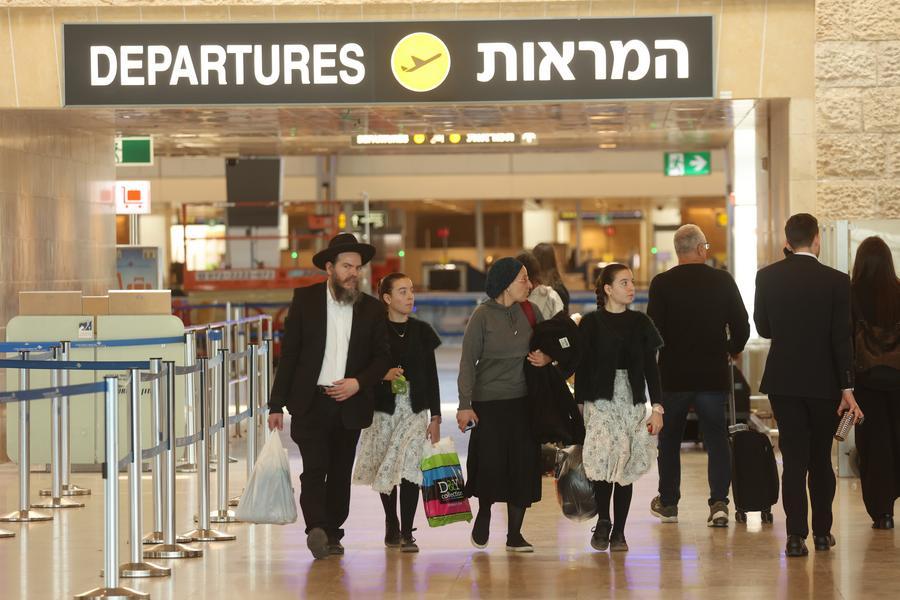
JERUSALEM, July 16 (Xinhua) -- Under the scorching summer sun, families wheeled suitcases through crowded departure halls as travelers lined up for security checks. Ben Gurion International Airport, Israel's busiest international gateway, was gradually returning to its familiar bustling rhythm.
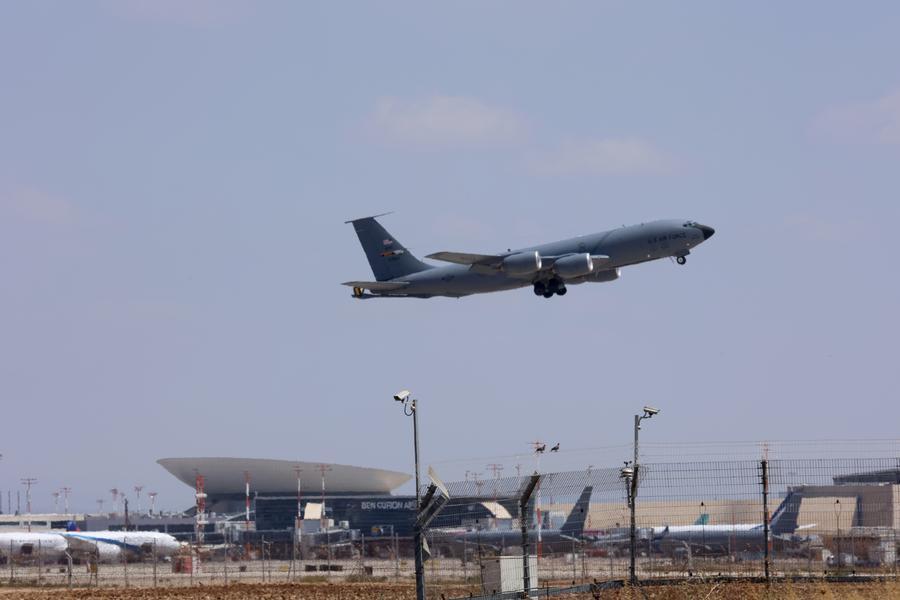
Dozens of U.S. military aircraft that had crowded a large part of the tarmac for months appeared to have departed, making room once again for civilian flights.
Those aircraft, mostly aerial refueling tankers supporting U.S. operations against Iran, reportedly occupied more than half of the airport's parking stands, significantly reducing civilian flight capacity even after a ceasefire between the United States and Iran was reached in April.
Military aircraft may be leaving. Commercial aviation may be taking off again. But for many Israelis, peace has yet to land.
Since the outbreak of the latest Israeli-Palestinian conflict on Oct. 7, 2023, Israel has lived under what its government describes as a "state of war."
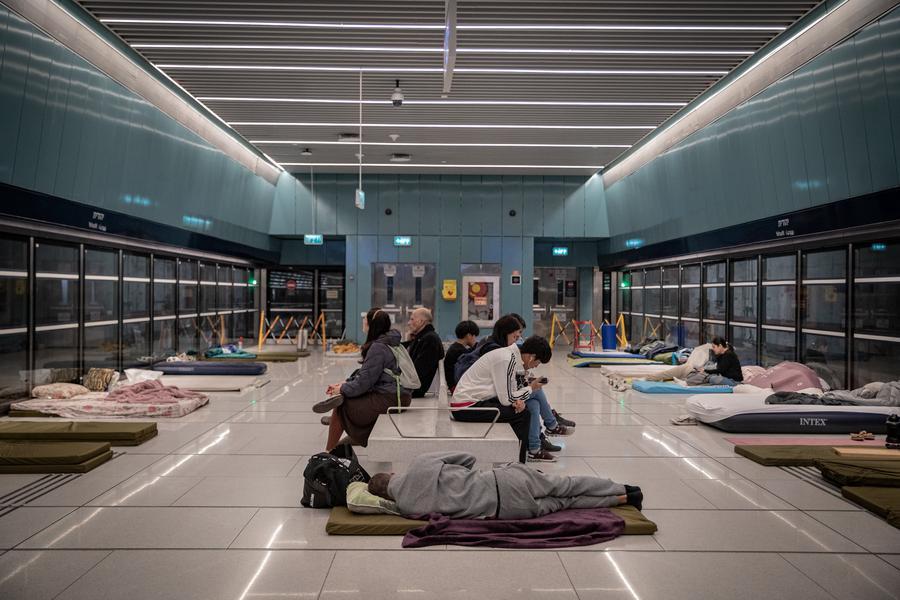
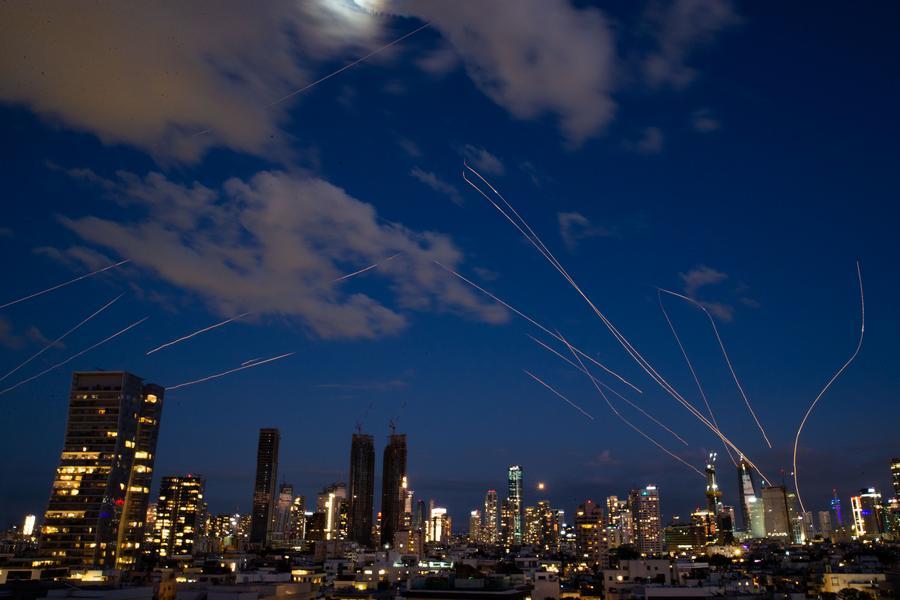
Nearly three years later, after repeated ceasefires and renewed rounds of fighting, the conflict has spread across multiple fronts, from Gaza and Lebanon to the Red Sea and Iran. Air raid sirens and missile interceptions have become part of everyday life.
"I don't believe in real peace," said Yoav, a Tel Aviv resident waiting to board a flight to Europe for an industry conference.
"This looks more like the result of political compromise than a solution to the underlying problems," he said, referring to the recent memorandum of understanding between Iran and the United States. "The fundamental contradictions haven't disappeared."
Yoav planned the trip to Europe in March, but it was repeatedly delayed by closures of Israeli airspace during U.S.-Israeli clashes with Iran. Only now had the journey become possible.
"Over the past few years, you never know what tomorrow will bring," he said. "Right now, I just hope today's flight can actually take off."
While politicians are busy calculating which country gains the most from the conflict, ordinary people have a far simpler hope: life can return to something like normal as soon as possible.
At Jerusalem's Mahane Yehuda Market, Sarah, a 63-year-old retired teacher, said her two sons have been serving on the front lines for years.
"I honestly don't care much about whatever agreement was signed," she said. "I just don't want war anymore. I don't want to spend every day living in fear. I only want my children to come home."
Sarah's exhaustion mirrors a wider sense of weariness across Israeli society. As casualties have risen, so too have the economic and psychological costs, with thousands of reservists spending months away from their families and careers, and key sectors enduring repeated disruptions.
Avi, a 26-year-old student at the Hebrew University of Jerusalem, said he had completed three and a half years of mandatory military service and, during his four years at university, had been called back into reserve duty for about 250 days.
"I'm finally graduating this summer," he said. "I can't wait to leave Israel, a country that's always fighting, always living under sirens and missiles."
Back at Ben Gurion International Airport, civilian planes were lining up on runways under clear summer skies, waiting to take off.
Nearby, signs directing passengers to bomb shelters remained prominently displayed throughout the terminal -- a quiet reminder that even as travel resumes, war still looms.■