
by Maya Majueran
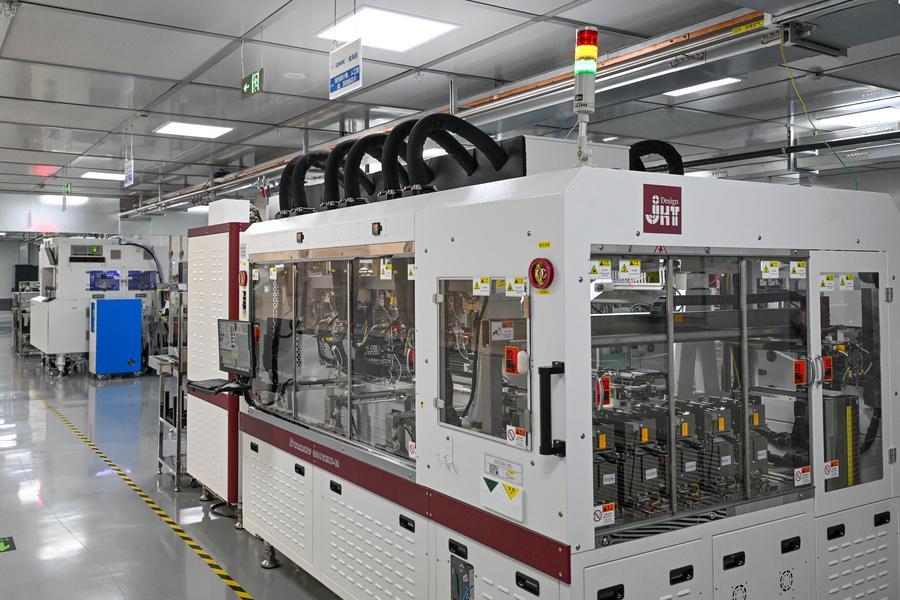
China's drive to accelerate efforts to achieve high-level self-reliance and strength in science and technology marks another milestone in its long-term innovation strategy. Meanwhile, China sees technological innovation as a means to advance international cooperation and shared prosperity. China is increasingly positioning itself not only as a global leader in science and innovation but also as a partner seeking to share the benefits of technological progress through international cooperation, particularly with developing countries with modernization aspirations.
Scientific and technological innovation has become the cornerstone of China's modernization and high-quality development. By integrating technological advancement with industrial upgrading, China is steadily transforming itself from a manufacturing-driven economy into one powered by innovation, productivity and sustainability.
This transition is fostering strategic emerging industries, accelerating the green and digital transformations, and addressing domestic challenges ranging from environmental protection and healthcare to demographic change and sustainable urbanization.
China's objective of becoming a leading country in science and technology by 2035 reflects a long-term strategy to build a resilient, innovation-driven economy capable of sustaining high-quality growth, improving people's livelihoods and strengthening national competitiveness.
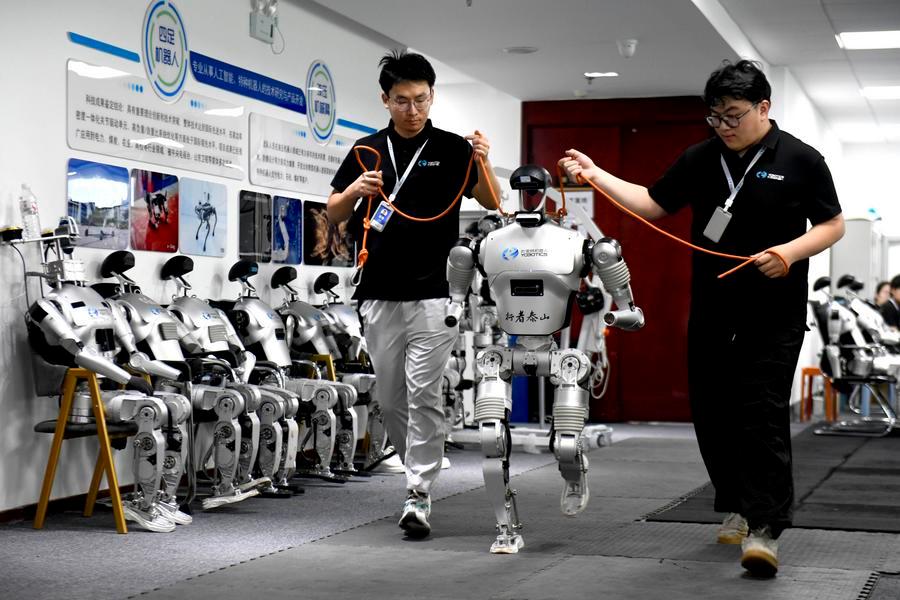
Importantly, China's technological self-reliance should not be confused with technological isolation. China has repeatedly emphasized that strengthening innovation capacity should go hand in hand with greater international openness and scientific cooperation. Rather than disengaging from the world, China seeks to expand partnerships that address common global challenges while strengthening domestic capabilities.
This philosophy is increasingly reflected in practice. Through international scientific cooperation and multilateral initiatives, China is expanding partnerships in areas such as climate change, public health, food security, clean energy and sustainable development. Joint research centers, innovation partnerships and technology cooperation are growing across Asia, Africa, Europe, Latin America and other regions. Beyond sharing scientific achievements, these collaborations promote technology transfer, strengthen local innovation capacity, develop human capital and encourage knowledge exchange.
In this sense, what China is doing has reinforced the idea that scientific progress should contribute not only to national development but also to shared global prosperity.
This openness also has broader economic implications. As China's technological capabilities continue to expand, they contribute to new markets, more resilient supply chains, stronger research networks and wider opportunities for international innovation. Scientific progress increasingly becomes not only a source of national competitiveness but also a catalyst for global development.
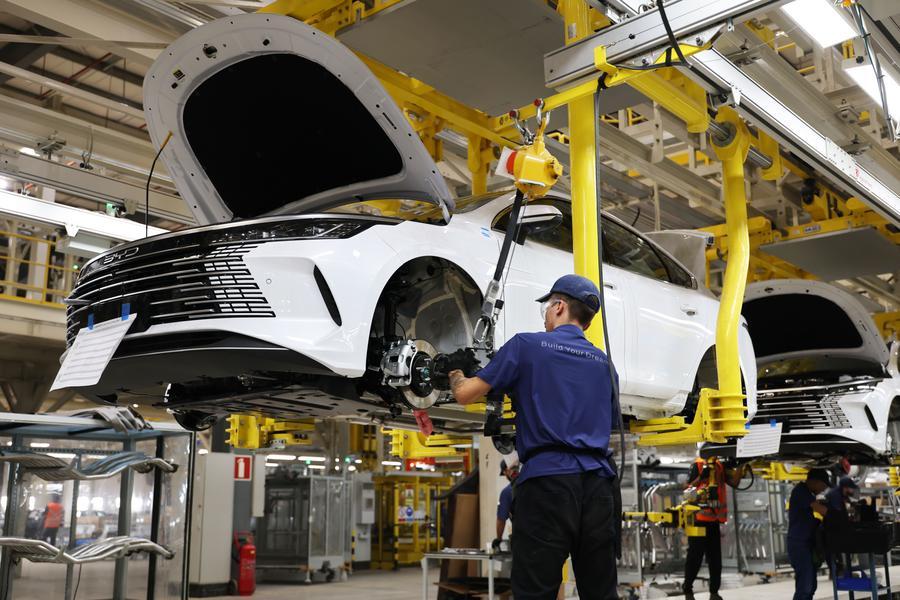
China's technological advances are already influencing global development across a wide range of sectors. Breakthroughs in artificial intelligence, renewable energy, electric vehicles, advanced manufacturing and digital technologies are helping address some of humanity's most pressing challenges, from improving healthcare and agricultural productivity to accelerating the global green transition and building smarter, more sustainable cities. Through initiatives such as the Digital Silk Road and broader international cooperation in research and technology, China is helping build stronger digital connectivity, deepen scientific collaboration and foster innovation ecosystems across continents.
Particularly significant is China's growing emphasis on supporting developing countries. Through technology transfer, joint research, skills development and capacity-building initiatives, China is helping partner nations strengthen their innovation ecosystems and build long-term technological capabilities. Cooperation spans agriculture, renewable energy, artificial intelligence, digital infrastructure, public health and sustainable urban development -- areas that are central to modernization and economic resilience. In doing so, China promotes a model of innovation in which scientific and technological progress becomes a shared engine of development rather than an exclusive advantage enjoyed by a few advanced economies.
This approach differs from technological strategies that increasingly prioritize commercial competition, intellectual property protection and restrictions on access to strategically sensitive technologies.
As China advances toward a world-leading science and technology powerhouse, it is also seeking to build international partnerships founded on mutual benefit, sustainable development, innovation sharing and common prosperity. In its vision, modernization is not viewed as a zero-sum competition but as a shared endeavour capable of creating opportunities beyond national borders.
In an era marked by growing challenges regarding climate change, food insecurity and rapid technological transformation, no nation can innovate or prosper in isolation. The challenges confronting humanity are global, and their solutions increasingly require global cooperation.
As China continues to expand its innovation capacity while deepening international cooperation, it is presenting a vision in which science and technology become instruments not only of national advancement but also of shared global development.
This vision reflects a growing recognition that the future of innovation will depend not only on competition, but also on cooperation. In an increasingly interconnected world, technological progress has the potential to become a bridge that connects nations in pursuit of sustainable development, shared prosperity and a more inclusive future.
Editor's note: Maya Majueran serves as the director of the Belt and Road Initiative Sri Lanka, an independent and pioneering organization with strong expertise in Belt and Road Initiative advice and support.
The views expressed in this article are those of the author and do not necessarily reflect those of Xinhua News Agency.■