DAMASCUS, July 9 (Xinhua) -- Devastating floods that swept parts of northeastern Syria in late May have dealt a fresh blow to the country's already fragile agricultural sector, threatening the livelihoods and food security of thousands of farming families, UN Food and Agriculture Organization (FAO) officials told Xinhua recently.
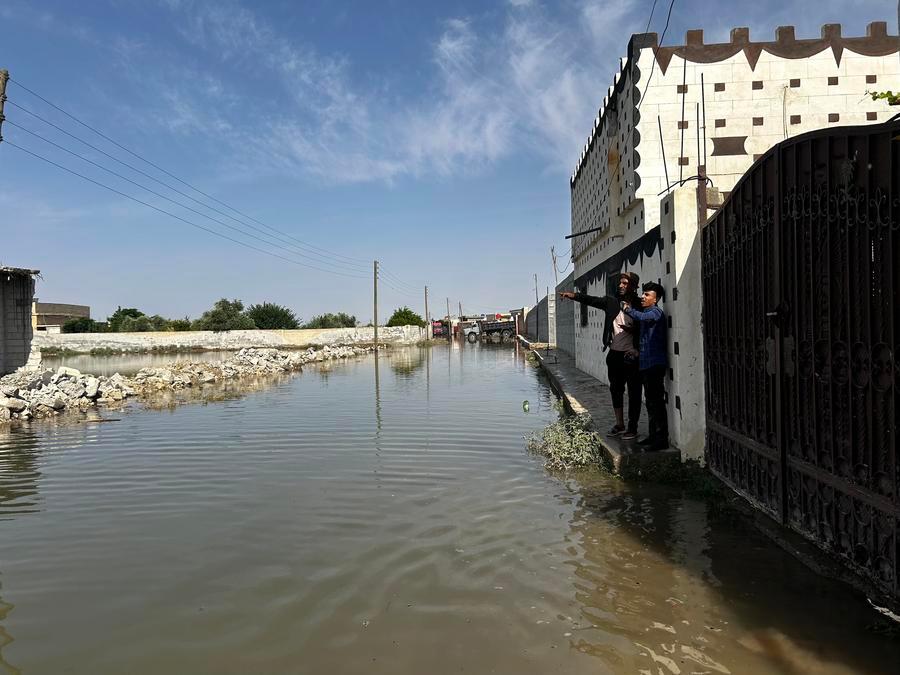
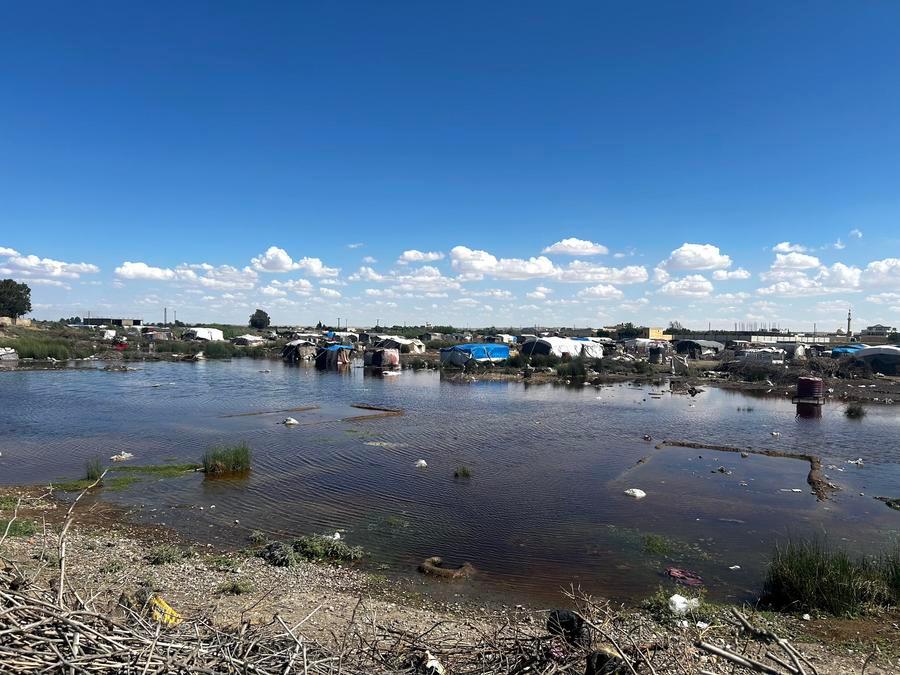
Heavy rainfall triggered flooding across low-lying agricultural areas in large parts of northeastern Syria, specially in Hasakah province, submerging villages and vast stretches of farmland, damaging irrigation infrastructure, and forcing thousands to temporarily evacuate.
The disaster struck just as farmers were preparing to harvest their wheat crop, turning what many had hoped would be a season of recovery into another setback for one of Syria's main grain-producing regions.

According to FAO, floodwaters destroyed about 10,000 hectares of wheat nearing harvest, affecting around 6,000 households and wiping out an estimated 30,000 metric tons of wheat.
"The floods have added another layer of pressure on an already very fragile agricultural system," said Pirro-Tomaso Perri, FAO representative in Syria.
After 14 years of conflict, Syrian farmers are already struggling with damaged irrigation systems, disrupted markets, recurrent drought and widespread poverty, Perri said, stressing the urgent need to restore agricultural production by repairing irrigation pumps and providing seeds, fertilizers, animal feed and veterinary services.
Jasper Mwesigwa, a food security program specialist at FAO Syria, said the impact extends beyond damaged crops, as many affected families have lost both food supplies and income.
"They need support and they need it now so that they can plan and prepare for the coming season," he said, warning that prolonged losses could force vulnerable households to adopt negative coping strategies.
Diaa Eddin Shaaban, a program analyst at FAO Syria, said the floods have compounded consecutive years of drought that had already depleted farmers' productive assets.
"Many farmers have had to sell livestock or even parts of their farmland simply to finance the next planting season," Shaaban said.
The destruction of crops has also deprived livestock owners of crop residues normally used as animal feed, forcing many to purchase additional feed or reduce their herds.
"The losses have become far greater than simply a crop failure or a flood disaster. It has become a humanitarian crisis," Shaaban said.
FAO's Emergency and Resilience Plan for 2026-2028 aims to assist 9.8 million people and requires 286.7 million U.S. dollars to support emergency response, early recovery and climate-resilient agricultural development.
Without timely assistance, thousands of farming families could struggle to recover before the next planting season, the FAO officials warned.■