
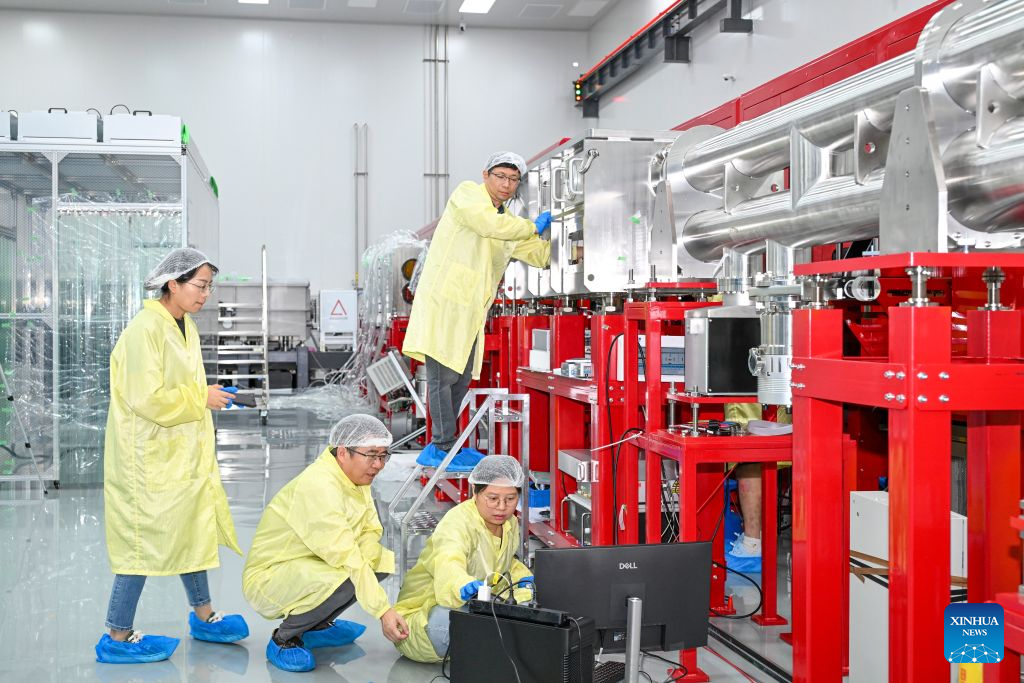
Researchers test a nanosecond laser at a laboratory of the Tsung-Dao Lee Institute of Shanghai Jiao Tong University in Shanghai, east China, July 7, 2026. Tsung-Dao Lee Institute of Shanghai Jiao Tong University in east China's Shanghai has been working to accelerate the construction of China's first dedicated laboratory astrophysics research platform.
The platform will integrate a 3-petawatt high-power femtosecond laser, a dual-beam 700-joule nanosecond laser, and a 90-MeV electron accelerator into a single experimental facility. Once completed, it will support research in laboratory astrophysics and other high-energy-density physics fields. (Xinhua/Chen Shuo)
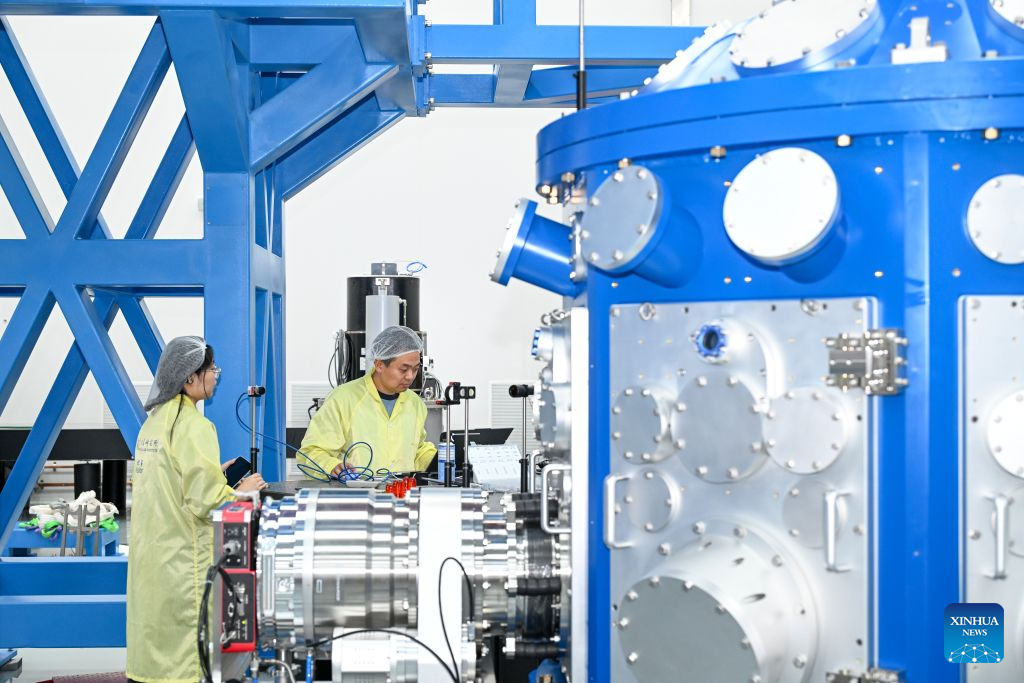
Researchers test equipment at a laboratory of the Tsung-Dao Lee Institute of Shanghai Jiao Tong University in Shanghai, east China, July 7, 2026. Tsung-Dao Lee Institute of Shanghai Jiao Tong University in east China's Shanghai has been working to accelerate the construction of China's first dedicated laboratory astrophysics research platform.
The platform will integrate a 3-petawatt high-power femtosecond laser, a dual-beam 700-joule nanosecond laser, and a 90-MeV electron accelerator into a single experimental facility. Once completed, it will support research in laboratory astrophysics and other high-energy-density physics fields. (Xinhua/Chen Shuo)
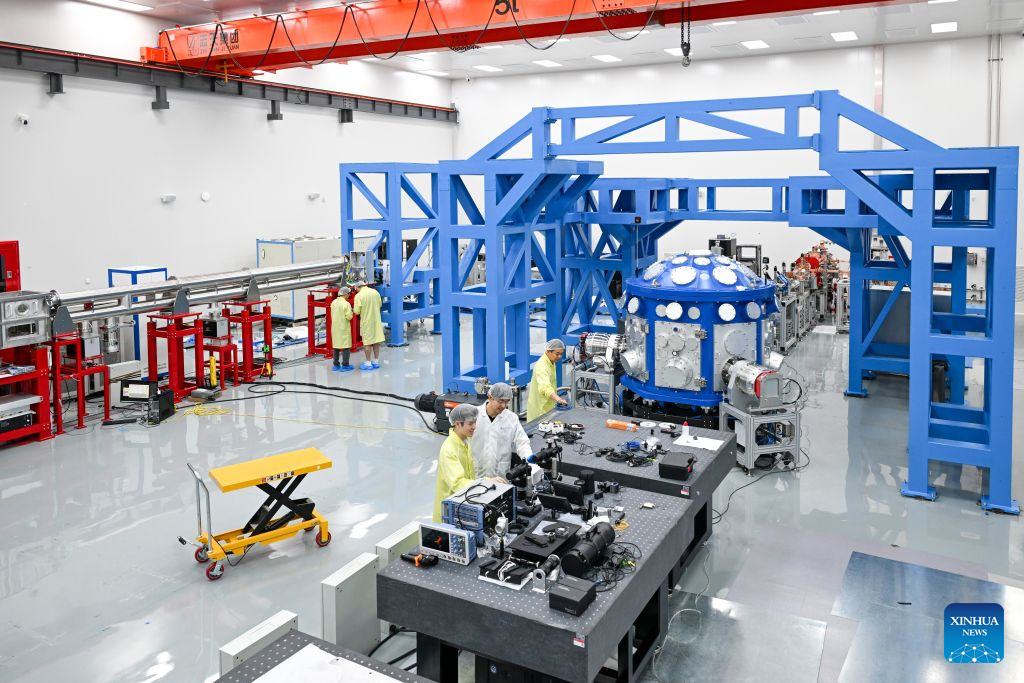
Researchers test equipment at a laboratory of the Tsung-Dao Lee Institute of Shanghai Jiao Tong University in Shanghai, east China, July 7, 2026. Tsung-Dao Lee Institute of Shanghai Jiao Tong University in east China's Shanghai has been working to accelerate the construction of China's first dedicated laboratory astrophysics research platform.
The platform will integrate a 3-petawatt high-power femtosecond laser, a dual-beam 700-joule nanosecond laser, and a 90-MeV electron accelerator into a single experimental facility. Once completed, it will support research in laboratory astrophysics and other high-energy-density physics fields. (Xinhua/Chen Shuo)
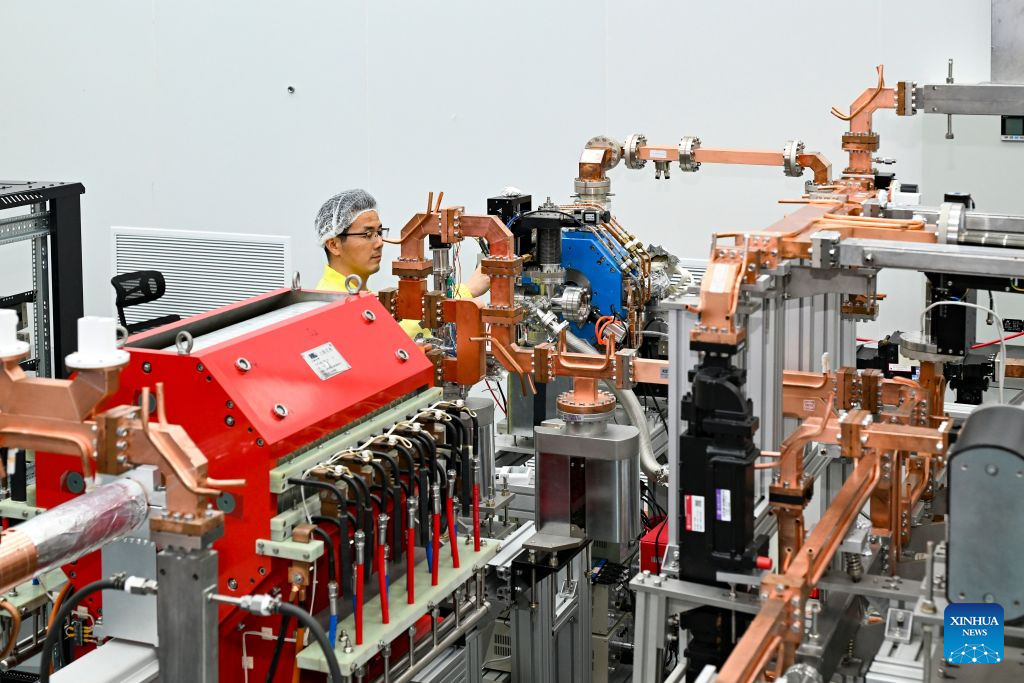
A researcher tests an electron accelerator at a laboratory of the Tsung-Dao Lee Institute of Shanghai Jiao Tong University in Shanghai, east China, July 7, 2026. Tsung-Dao Lee Institute of Shanghai Jiao Tong University in east China's Shanghai has been working to accelerate the construction of China's first dedicated laboratory astrophysics research platform.
The platform will integrate a 3-petawatt high-power femtosecond laser, a dual-beam 700-joule nanosecond laser, and a 90-MeV electron accelerator into a single experimental facility. Once completed, it will support research in laboratory astrophysics and other high-energy-density physics fields. (Xinhua/Chen Shuo)
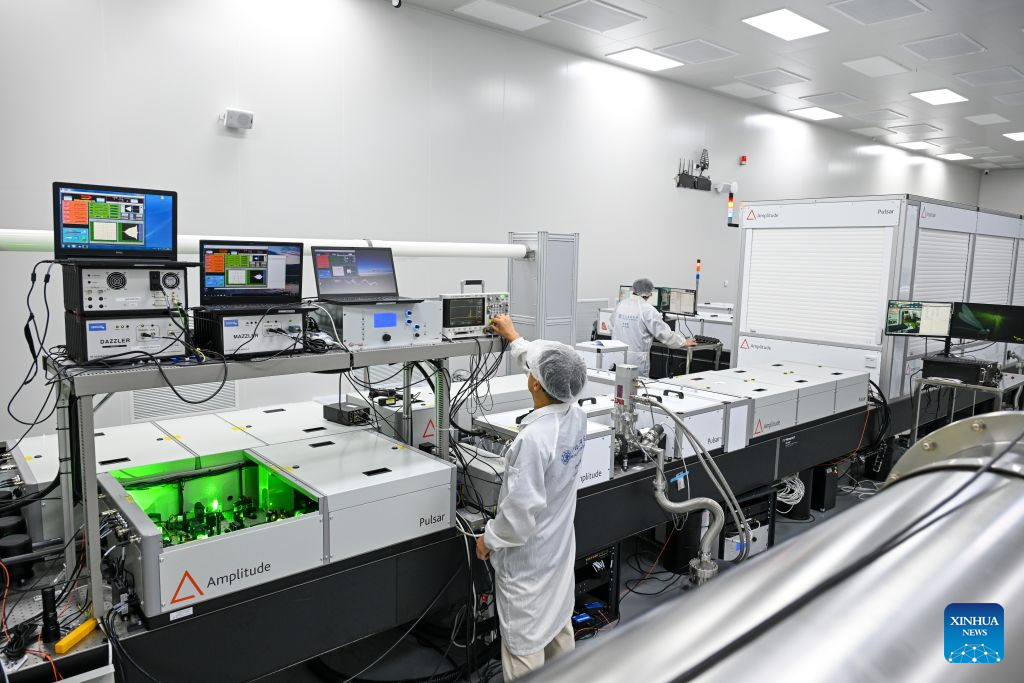
Researchers work with a high-power femtosecond laser at a laboratory of the Tsung-Dao Lee Institute of Shanghai Jiao Tong University in Shanghai, east China, July 7, 2026. Tsung-Dao Lee Institute of Shanghai Jiao Tong University in east China's Shanghai has been working to accelerate the construction of China's first dedicated laboratory astrophysics research platform.
The platform will integrate a 3-petawatt high-power femtosecond laser, a dual-beam 700-joule nanosecond laser, and a 90-MeV electron accelerator into a single experimental facility. Once completed, it will support research in laboratory astrophysics and other high-energy-density physics fields. (Xinhua/Chen Shuo)
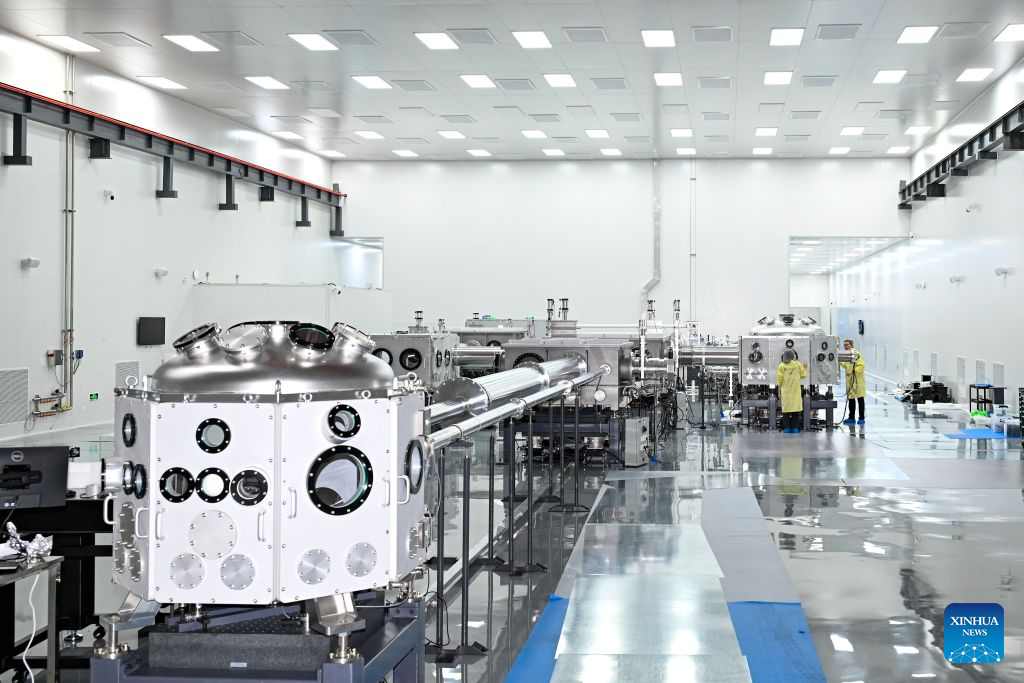
Researchers test equipment at a laboratory of the Tsung-Dao Lee Institute of Shanghai Jiao Tong University in Shanghai, east China, July 7, 2026. Tsung-Dao Lee Institute of Shanghai Jiao Tong University in east China's Shanghai has been working to accelerate the construction of China's first dedicated laboratory astrophysics research platform.
The platform will integrate a 3-petawatt high-power femtosecond laser, a dual-beam 700-joule nanosecond laser, and a 90-MeV electron accelerator into a single experimental facility. Once completed, it will support research in laboratory astrophysics and other high-energy-density physics fields. (Xinhua/Chen Shuo)
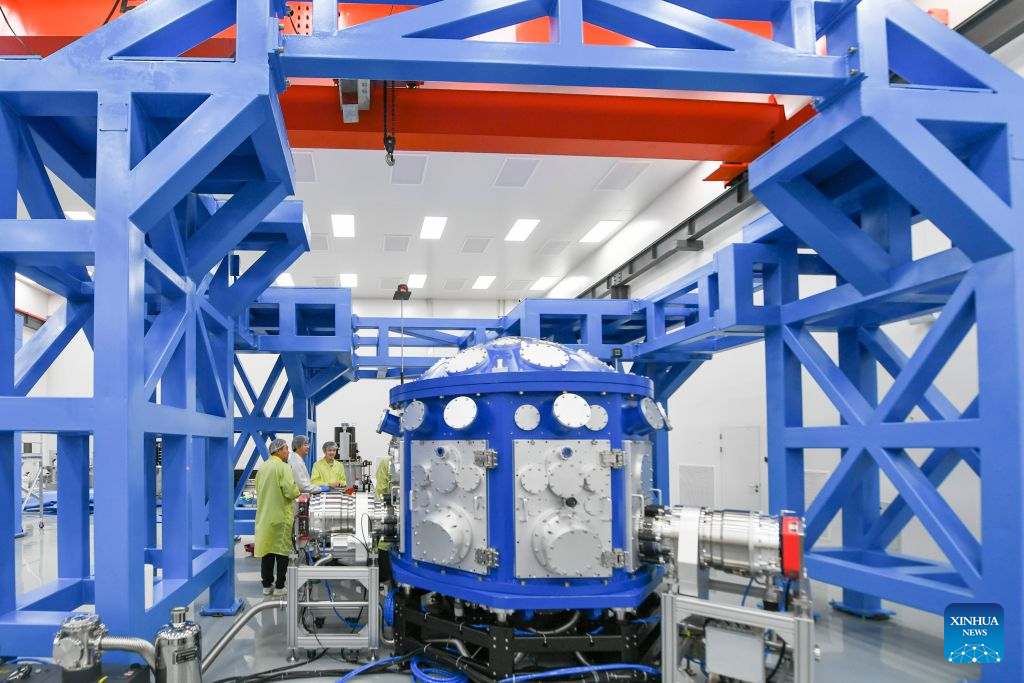
Researchers test equipment at a laboratory of the Tsung-Dao Lee Institute of Shanghai Jiao Tong University in Shanghai, east China, July 7, 2026. Tsung-Dao Lee Institute of Shanghai Jiao Tong University in east China's Shanghai has been working to accelerate the construction of China's first dedicated laboratory astrophysics research platform.
The platform will integrate a 3-petawatt high-power femtosecond laser, a dual-beam 700-joule nanosecond laser, and a 90-MeV electron accelerator into a single experimental facility. Once completed, it will support research in laboratory astrophysics and other high-energy-density physics fields. (Xinhua/Chen Shuo)
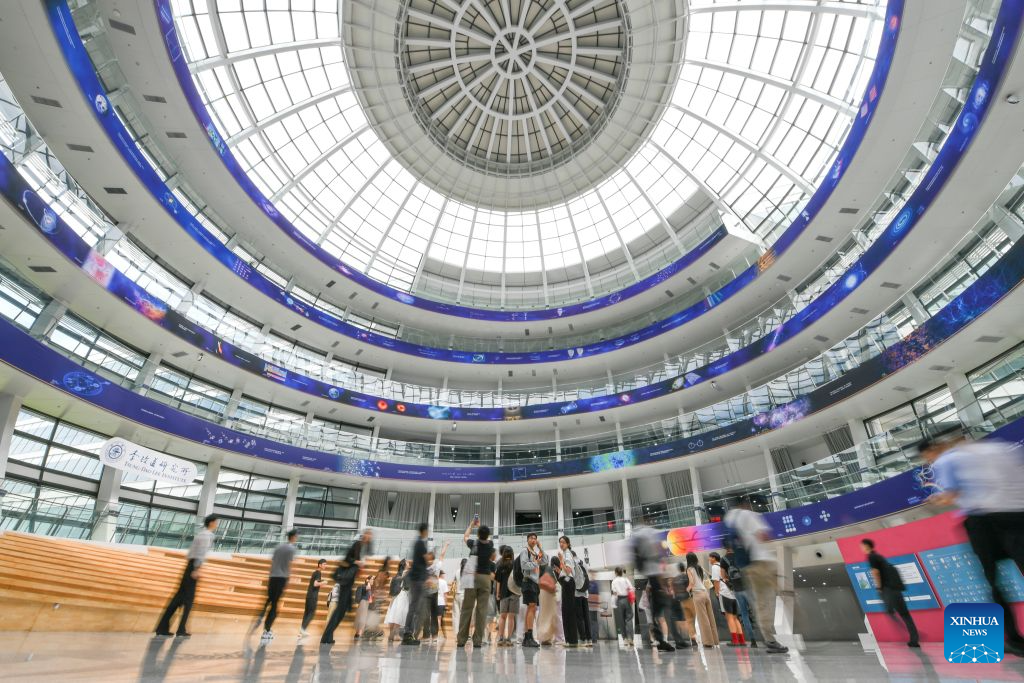
People visit the Tsung-Dao Lee Institute of Shanghai Jiao Tong University in Shanghai, east China, July 7, 2026. Tsung-Dao Lee Institute of Shanghai Jiao Tong University in east China's Shanghai has been working to accelerate the construction of China's first dedicated laboratory astrophysics research platform.
The platform will integrate a 3-petawatt high-power femtosecond laser, a dual-beam 700-joule nanosecond laser, and a 90-MeV electron accelerator into a single experimental facility. Once completed, it will support research in laboratory astrophysics and other high-energy-density physics fields. (Xinhua/Chen Shuo)
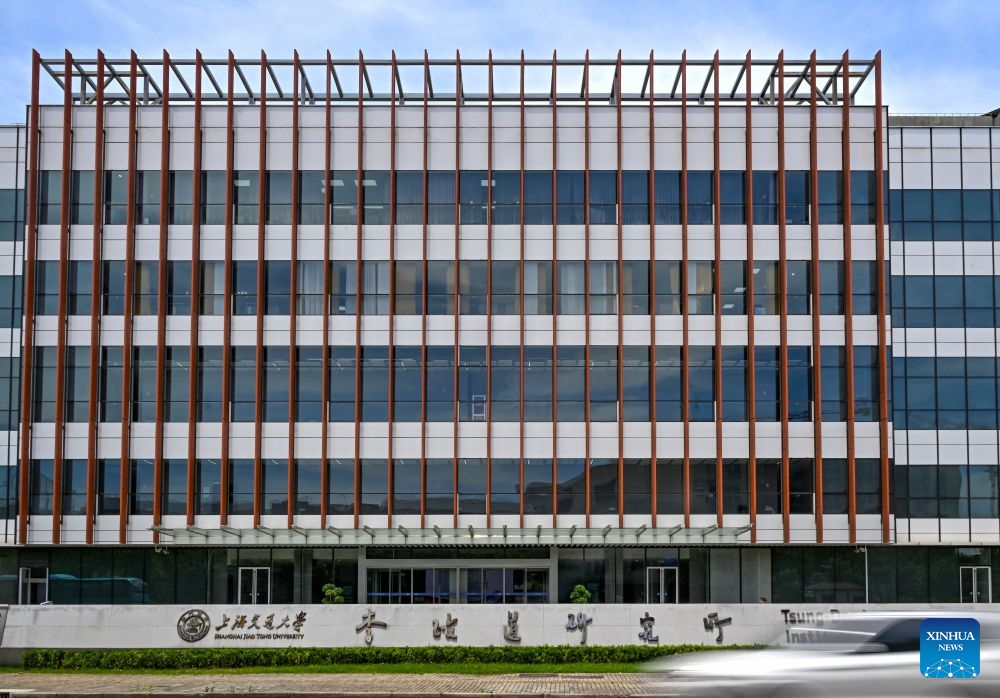
This photo taken on July 7, 2026 shows the exterior view of the Tsung-Dao Lee Institute of Shanghai Jiao Tong University in Shanghai, east China. Tsung-Dao Lee Institute of Shanghai Jiao Tong University in east China's Shanghai has been working to accelerate the construction of China's first dedicated laboratory astrophysics research platform.
The platform will integrate a 3-petawatt high-power femtosecond laser, a dual-beam 700-joule nanosecond laser, and a 90-MeV electron accelerator into a single experimental facility. Once completed, it will support research in laboratory astrophysics and other high-energy-density physics fields. (Xinhua/Chen Shuo)


