
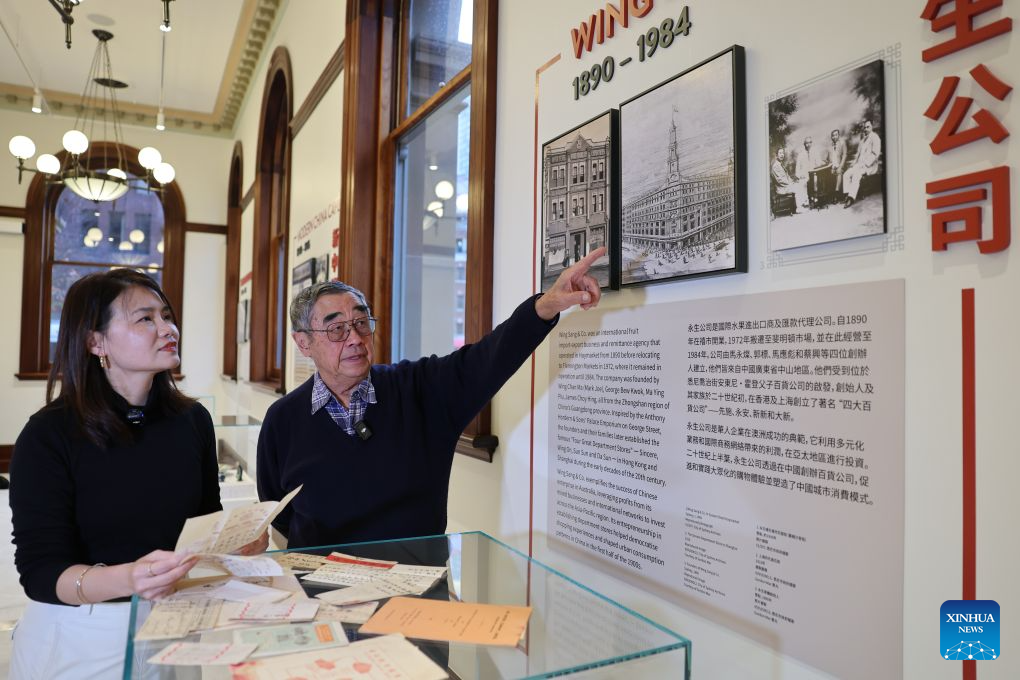
Gordon Mar (R) introduces photos of founders of the Wing Sang & Co. to Shuxia Chen at the Museum of Chinese in Australia, in Sydney, Australia, June 25, 2026. (Xinhua/Gong Bing)
SYDNEY, June 30 (Xinhua) -- Gordon Mar, 89, carefully unfolded the yellowed paper, but the words would not yield their meaning. A Sydney-born Chinese Australian educated in English, he could not make out the letters written in his ancestors' bold brushstrokes.
The letters were rescued from a pile of old things that were about to be thrown away -- relics of the century-old business, Wing Sang & Co., when it moved from Sydney's Haymarket Chinatown to a new site. Mar kept them, not quite knowing why, but feeling that they should not be discarded.
Only recently did he learn what they were: "qiaopi" -- the letters and remittances that overseas Chinese sent home to their families, and the replies that came back from home.
With the Chinese hit film "Dear You," a tear-jerking story built around "qiaopi," currently showing in Australian cinemas, these UNESCO-listed archives have become a topic of conversation in the local Chinese community.
"This letter was written by Wing Chan Ma, one of the founders of Wing Sang, to your grandfather, Sun Gee Mar," explained Dr. Shuxia Chen to Mar. Chen is a senior lecturer from the School of Art and Design at the University of New South Wales and curator of the inaugural exhibition at the Museum of Chinese in Australia.
She pointed to the script, reading it out slowly. "He was an elder clansman from the same village, writing to his nephew, then an assistant manager at Wing Sang, to recommend a young man from their home village in Guangdong Province to work in the company. 'Talented and skilled,' he wrote of him."
Chen explained that while the term "qiaopi" is used mainly in the cultural and linguistic regions of Chaoshan (Teochew) and southern Fujian in southern China, these letters among Cantonese-speaking Chinese Australians, mostly from the Wuyi (Five Counties) area in Guangdong, were more commonly known as "jinxin" (gold letters) or "yinxin" (silver letters) -- names that more directly captured their dual nature as both correspondence and remittance.
According to Chen, many early Chinese arrived in Australia as gold seekers, so some of the jinxin indeed contain gold dust or gold coins, entrusted to returning travelers to carry back to their hometowns.
As demand for remittance services grew, Chinese Australian merchants including Wing Sang and Kwong War Chong and Chinese business associations began to offer jinxin and yinxin services through their international trade and financial networks.
One notable example was Wing Sang's Sincere Department Store in Shanghai. Opened in 1917 as one of the earliest modern department stores in China, Sincere also offered insurance and remittance services, effectively serving as a domestic extension of the yinxin network.
Mar learned that while yinxin was never the main business of Wing Sang, it was still a significant part of the company's operations. "It was essential because it was a contact," he said. "We served and the other merchants served as a center for the many, many Chinese workers, who were living in a white community, working and saving their wages and making their remittances. Wing Sang was a place to come to where you could speak your own language, your own village dialects, where you were welcome."
Professor Liu Jin, director of the Institute of Overseas Chinese and Area Studies at Wuyi University, has spent more than two decades studying these remittance letters. His research found that while Chinese communities in Australia adopted modern financial systems for remittances much earlier than those in Southeast Asia, the contents of their letters were remarkably similar -- stories of daily life, of the small things that held families together across the ocean.
"Every word sent back, every cent remitted," Liu said, "was an expression of genuine emotion, just like the film."
The letters carried news of the family. In one letter, Chinese Australian migrant Yuan Yeli instructed his son to set aside a portion of the remittance for school fees. He also encouraged his wife to pursue education -- "Start studying at the girls' school as soon as possible. Focus on your learning, and you will naturally improve ... In your spare time, teach your younger sister writing, math, and Chinese at home. Do it every day, without fail."
Other letters spoke of weightier matters. In 1936, Kuang Xiulu, a migrant in Broome, Western Australia, wrote to his children in Taishan County, "The world is in chaos. Many nations are stockpiling arms and preparing for war. A second world war is imminent. This war will be fought in the Far East, and China will be at its center. The battlefield will be on Chinese soil."
"Every Chinese must stand united. We must not allow foreign powers to oppress China any further," he urged.
"The personal stories, the everyday details, the hardships, these might seem trivial to historians," Chen said. "But to the people who wrote them and the people who received them, this was their life."
These letters reveal patterns and shared experiences, which offer historians a valuable window into the lives of overseas Chinese during a particular era, she added.
"To read these letters is to understand how early Chinese migrants bravely ventured into the world," Liu said, "and how they wove a network of family, culture and commerce that connected China to the rest of the globe."
Preserving these letters is "important for our next generation and the ones after that," Mar said, "because this preserves something of their heritage, something of their past." ■
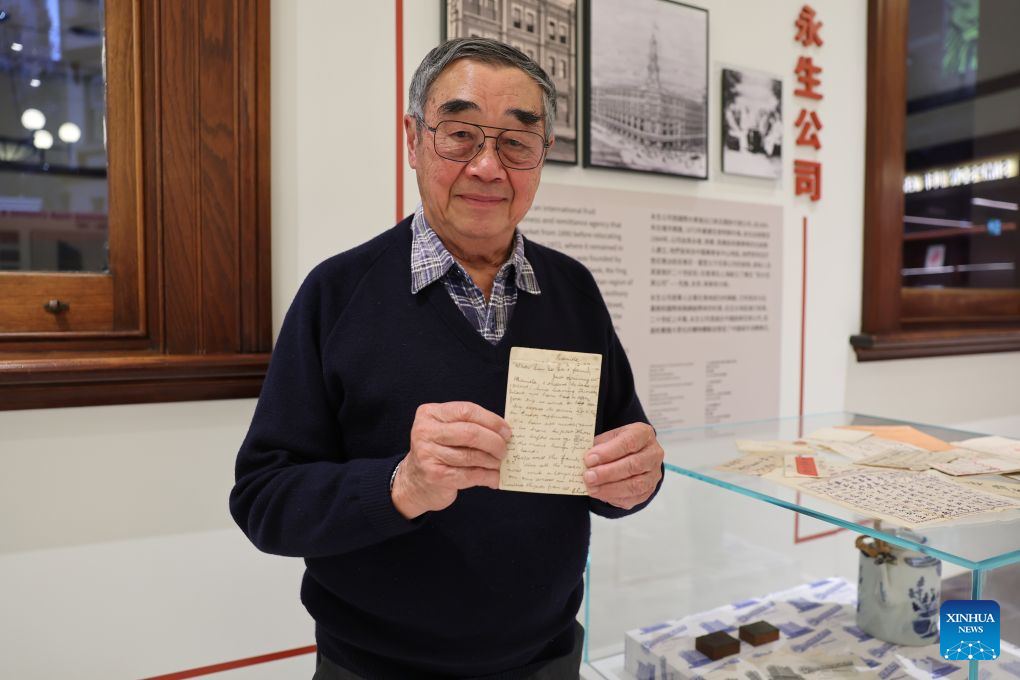
Gordon Mar shows old letters he preserved at the Museum of Chinese in Australia, in Sydney, Australia, June 25, 2026. (Xinhua/Gong Bing)
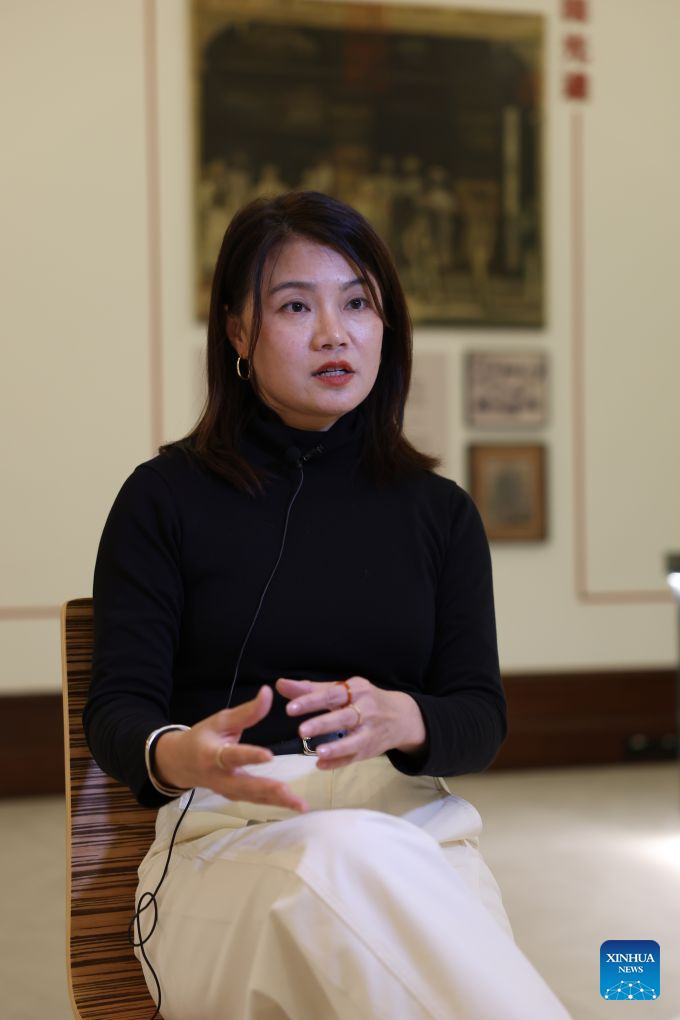
Shuxia Chen speaks during an interview with Xinhua at the Museum of Chinese in Australia, in Sydney, Australia, June 25, 2026. (Xinhua/Gong Bing)
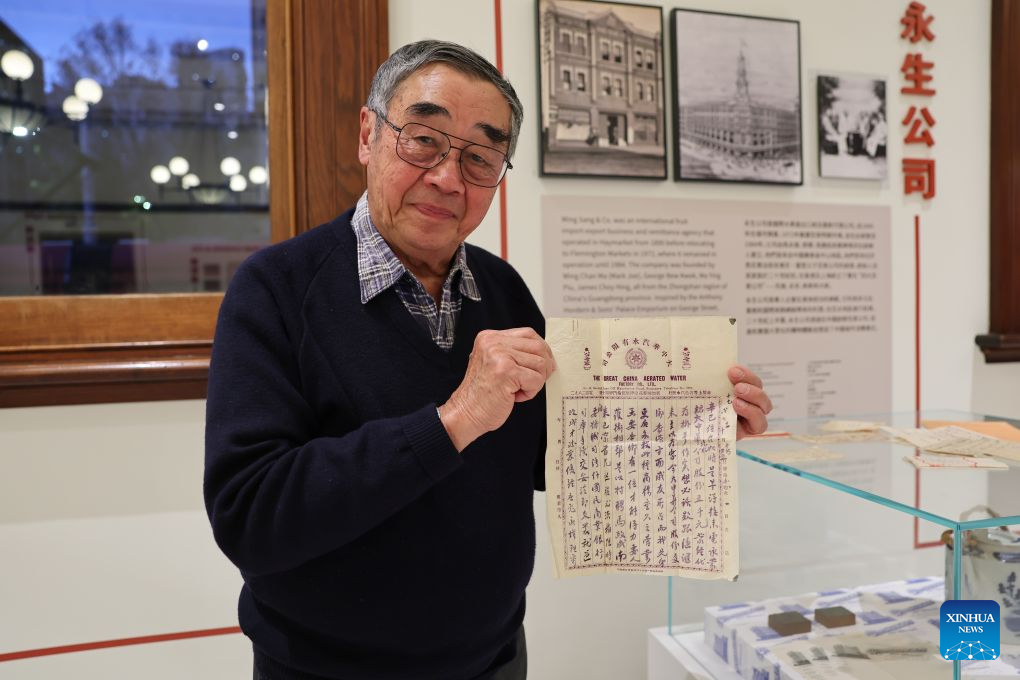
Gordon Mar shows old letters he preserved at the Museum of Chinese in Australia, in Sydney, Australia, June 25, 2026. (Xinhua/Gong Bing)
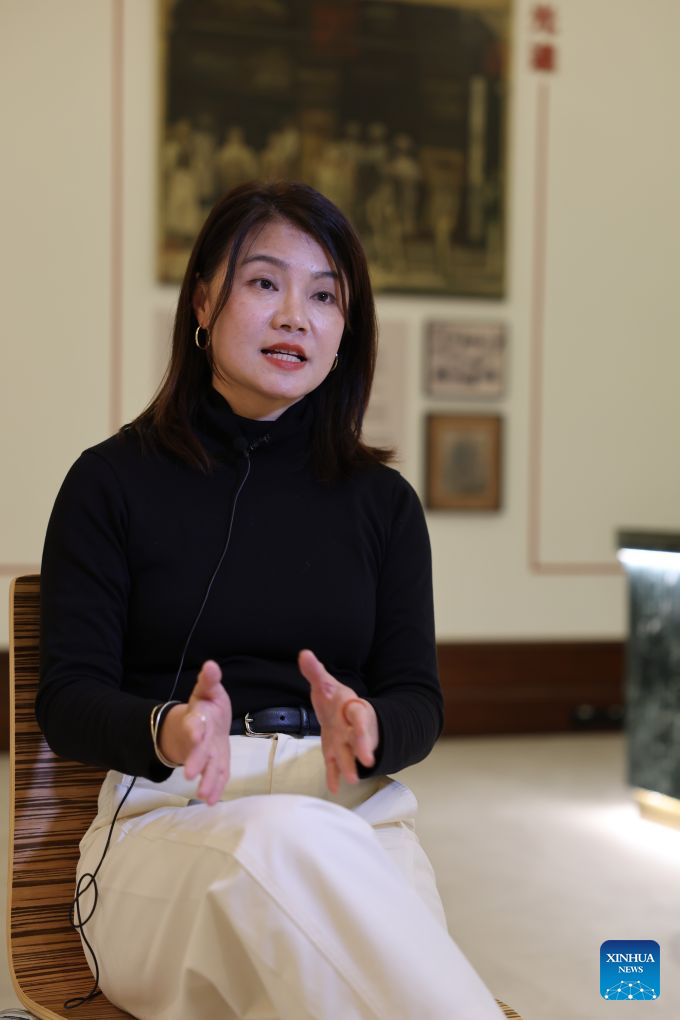
Shuxia Chen speaks during an interview with Xinhua at the Museum of Chinese in Australia, in Sydney, Australia, June 25, 2026. (Xinhua/Gong Bing)
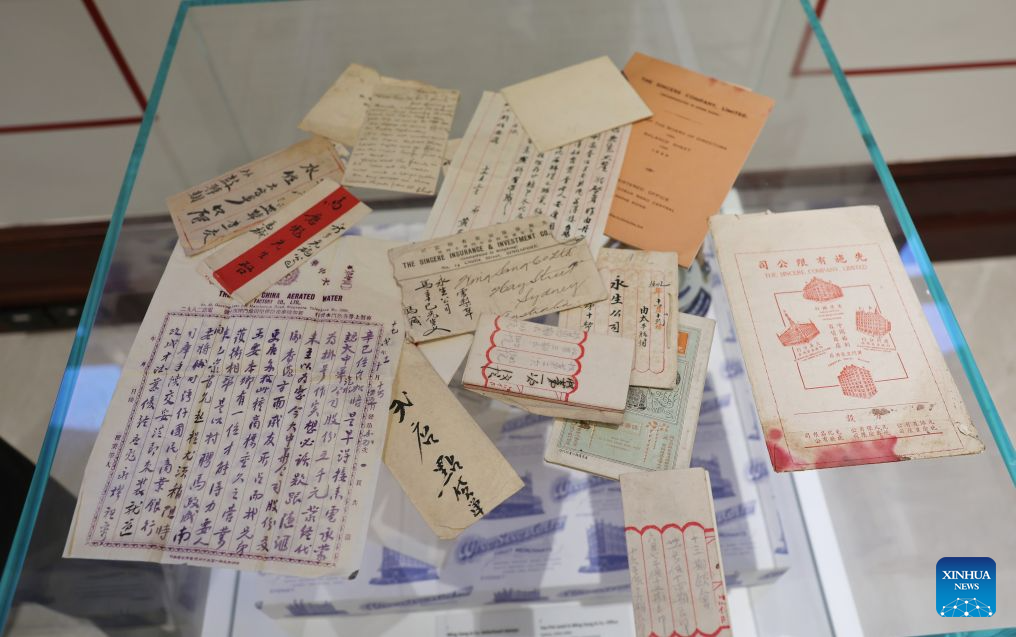
This photo taken on June 25, 2026 shows old letters preserved by Gordon Mar at the Museum of Chinese in Australia, in Sydney, Australia. (Xinhua/Gong Bing)


