
Experts point out that based on the details released so far, the agreement does not fundamentally resolve the long-standing differences between the United States and Iran over issues such as the nuclear program, nor does it reduce the mutual distrust between the two sides. Long-lasting peace in the Middle East, they say, remains distant.
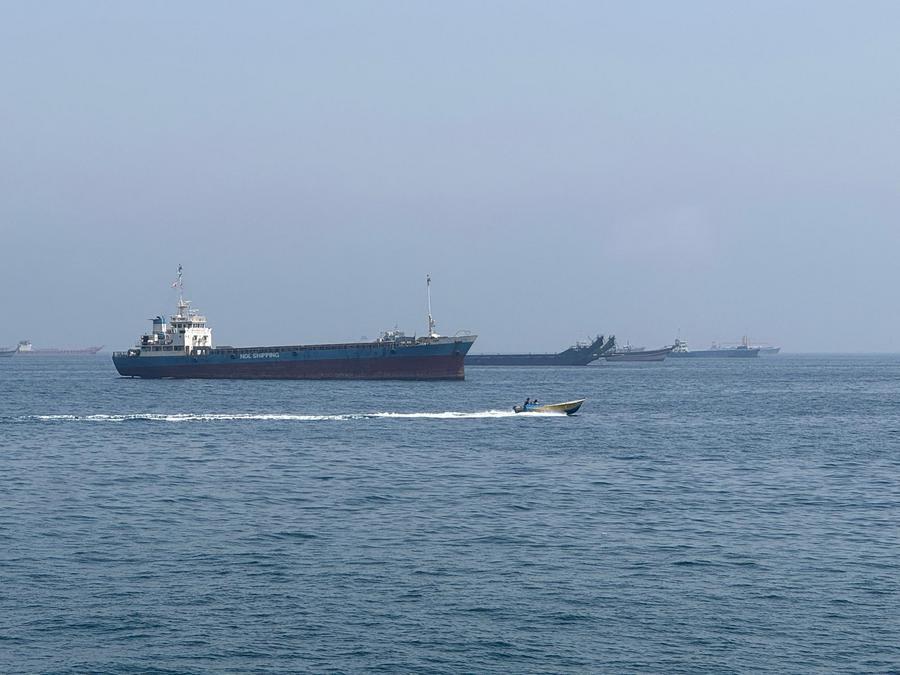
CAIRO, June 15 (Xinhua) -- The United States and Iran have reached a memorandum of understanding (MoU) to end hostilities, lift the blockade of the Strait of Hormuz, and halt military operations across multiple fronts.
The deal announced early Monday, long anticipated as the three-month conflict continued to batter global supply chains and rattle financial markets, offered a glimmer of hope for an end to the fighting and a return to stability across the region.
However, experts point out that based on the details released so far, the agreement does not fundamentally resolve the long-standing differences between the United States and Iran over issues such as the nuclear program, nor does it reduce the mutual distrust between the two sides. Long-lasting peace in the Middle East, they say, remains distant.
LONG-AWAITED DEAL
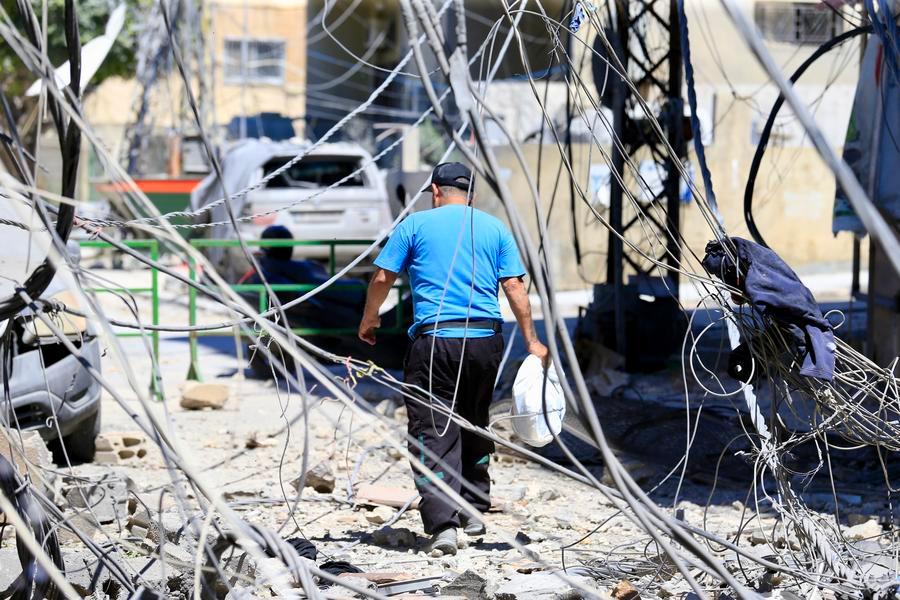
The deal was reached just as tensions in the region were flaring up once again. On Sunday afternoon, Israel, despite Iran's earlier warnings, carried out another strike on Beirut, following its previous attack on the capital of Lebanon.
The attacks triggered the most serious escalation with Iran since April, prompting fresh threats of retaliation from Tehran. Only hours before the agreement was announced, Iran's Supreme National Security Council (SNSC) signaled that a response to Israel was imminent following the strike on Beirut.
"Lebanon is our lifeline, and any crossing of Iran's red lines will not be tolerated," SNSC Secretary Mohammad Bagher Zolghadr was quoted by Iran's state-run IRIB TV as saying.
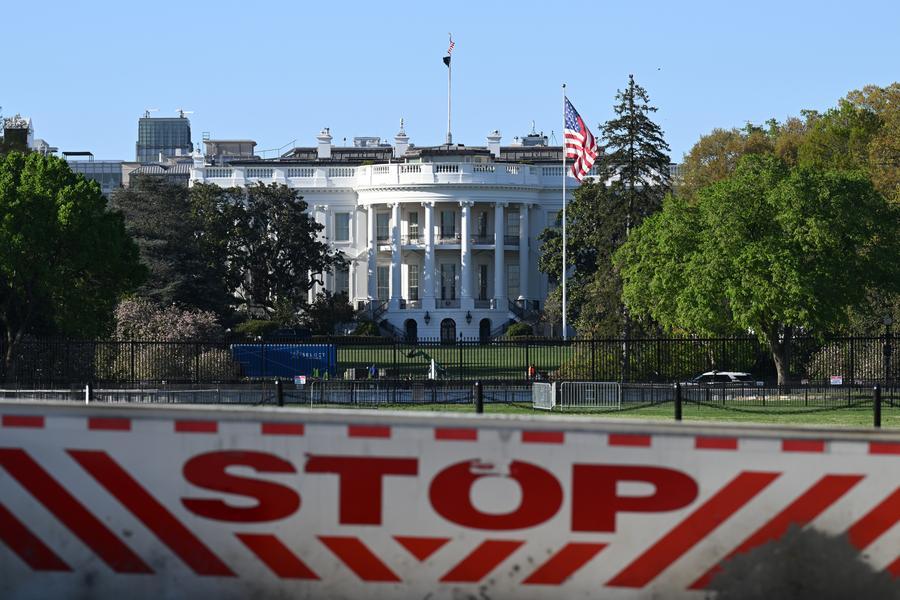
Just as regional countries were bracing for yet another escalation, Pakistani Prime Minister Shehbaz Sharif announced in an X post early Monday that the United States and Iran had reached a deal following intensive negotiations, with an official signing ceremony scheduled for June 19 in Switzerland.
Minutes later, U.S. President Donald Trump wrote on his Truth Social that the U.S.-Iran peace deal "is now complete" and that he had authorized the toll-free opening of the Strait of Hormuz and the immediate removal of the U.S. naval blockade.
Iranian Deputy Foreign Minister for Legal and International Affairs, Kazem Gharibabadi, soon confirmed the agreement, saying that the U.S. naval blockade against Iran will be lifted "as of tonight," and that war and military operations on all fronts, including Lebanon, would end permanently.
According to the deputy foreign minister, negotiations for a final agreement will take place over a 60-day period.
Meanwhile, IRIB TV, also citing Gharibabadi, said Iran's entry into the 60-day period of negotiations with the United States on its nuclear program and the removal of sanctions will hinge on the U.S. fulfillment of its preliminary commitments, which will be verified by Tehran from now until the signing ceremony.
CHANCE TO PEACE
As regional countries reel from the ripple effects of the U.S.-Israel-Iran conflict, the agreement has opened a window of opportunity for peace.
"A U.S.-Iran agreement would primarily reduce the risk of direct military confrontation in one of the world's most sensitive regions," said Oytun Orhan, a senior researcher at the Ankara-based Center for Middle Eastern Studies.
Economically, such a development could have positive spillover effects beyond the two countries, Orhan said, adding that reduced tensions would help stabilize energy markets, facilitate maritime trade, and spur investment across the wider Middle East.
His assessment has been echoed by other regional experts.
"It would contribute to regional stability by easing economic pressures across the region and reducing tensions that have brought the Middle East close to a wider conflict," said Ibrahim Rabaya, a Palestinian political analyst.
"Such a development could move the region away from the brink of war and create opportunities for broader regional settlements, particularly between Iran and the Gulf states," Rabaya noted.
For Khaled Hammad, a Qatar-based expert on Middle Eastern affairs, the agreement carries significance on two fronts: first, it lowers the risk of direct U.S.-Iran confrontation; and second, it reflects a shared understanding among the parties on lifting the blockade of the Strait of Hormuz.
"The deal leads to reducing the risk of disrupting shipping traffic or using the strait as a political pressure card, which directly reflects on the stability of global energy markets," he said.
RIFTS REMAIN
Gharibabadi, the Iranian deputy foreign minister, has said that the MoU will be published after its official signing. However, based on the details released so far, the agreement does not appear to resolve the broader and long-standing differences between the United States, Iran and Israel.
"This memorandum does not signify trust in the enemy. The memorandum was drafted with no confidence in it," Gharibabadi said.
"Although an agreement has been reached, this does not mean that the major disputes between the two sides have been resolved," said Abdulaziz Alshaabani, a researcher at the Al Riyadh Center for Political and Strategic Studies in Saudi Arabia.
Significant differences are likely to remain regarding Iran's nuclear program, sanctions, the Strait of Hormuz, and broader regional security issues, he noted.
Echoing Alshaabani, Sudanese political analyst Salah Shuaib said, "The disputes surrounding Iran's nuclear program, Iran's regional role, economic sanctions, and security in the Gulf are complex issues that have accumulated over decades, and it is difficult to imagine them being resolved all at once."
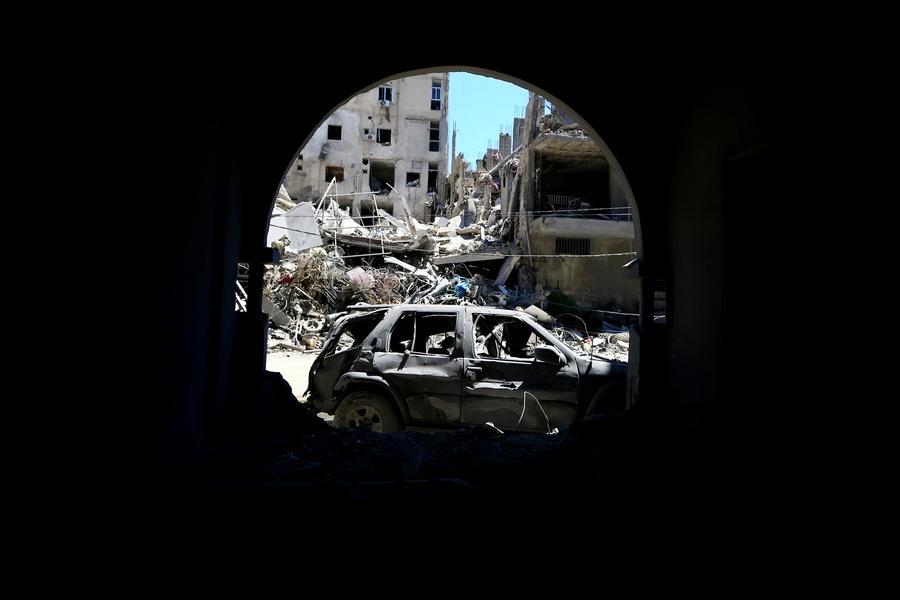
Among all these points of contention, whether Israel will comply with the agreement's ceasefire provisions regarding Lebanon remains one of the biggest uncertainties surrounding the deal.
Media reports say that Israel deems itself not a party to the planned U.S.-Iran deal. Just ahead of the agreement, Israeli airstrikes on Beirut once again cast a shadow over the U.S.-Iran negotiations.
In an interview with The New York Times on Sunday, Trump said that Israeli Prime Minister Benjamin Netanyahu had "almost derailed" the peace deal.
Israel appears to be seeking to engage in conflict in an effort to consolidate its position, while recent strikes in Lebanon suggest that the United States is unable to constrain or guarantee Israel's actions, said Refaat Badawi, former political advisor to late Lebanese Prime Minister Salim al-Hoss.
"At this stage, it is difficult to speak of comprehensive peace," said Suleiman Basharat, a Palestinian political analyst. "A single agreement can help reduce tensions, but it is unlikely by itself to deliver lasting peace across the wider Middle East."■