LensToLens | China-Central Asia cooperation brings hope to Aral Sea restoration-Xinhua
LensToLens | China-Central Asia cooperation brings hope to Aral Sea restoration
Source: Xinhua
Editor: huaxia
2026-06-13 22:04:16
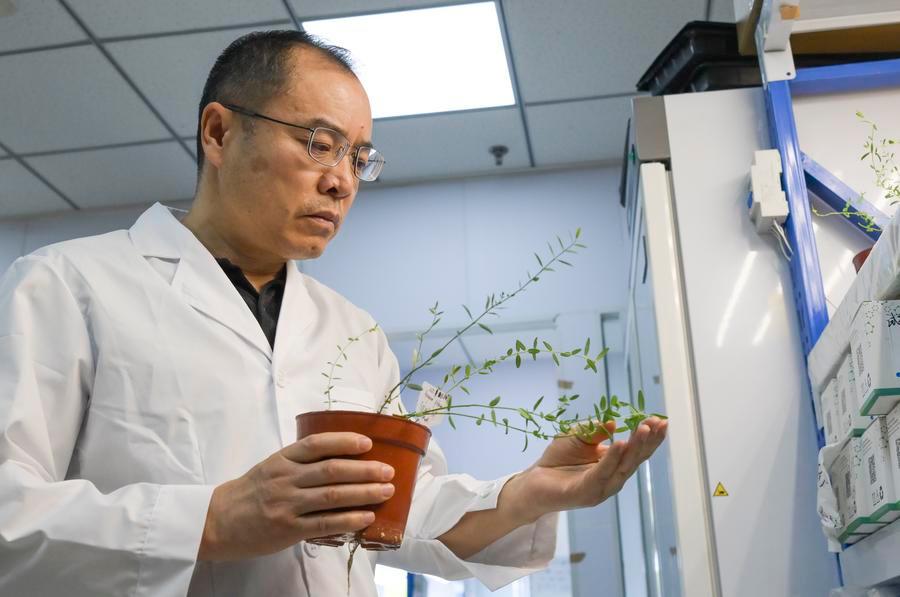
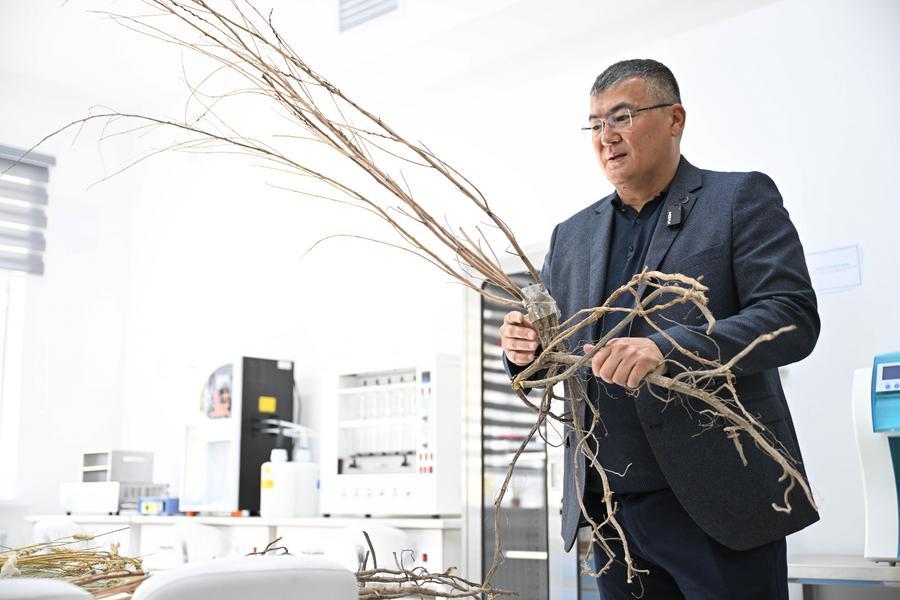
An expert of the Xinjiang Institute of Ecology and Geography examines a halophyte in Urumqi, northwest China's Xinjiang Uygur Autonomous Region, May 7, 2026. (Xinhua/Wang Fei)
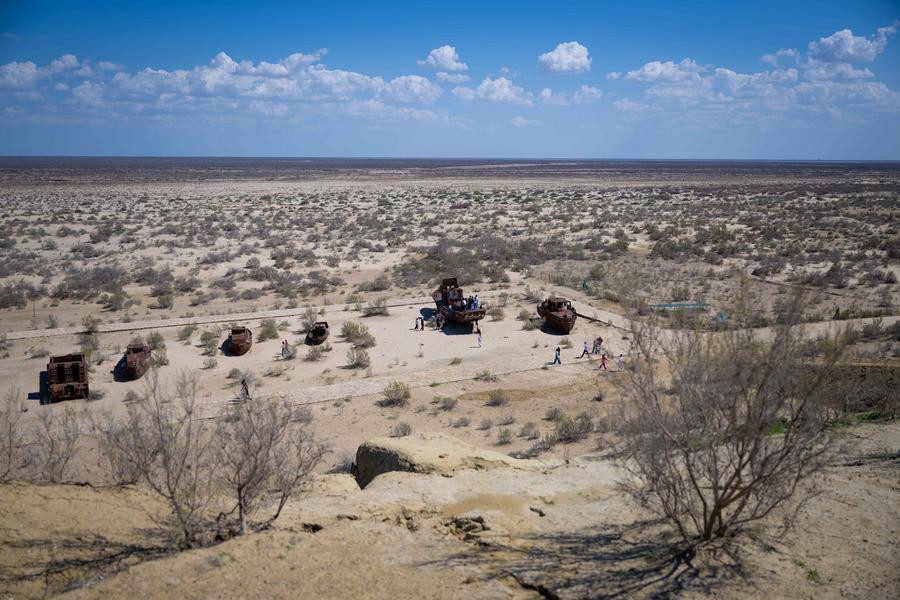
(260613) -- BEIJING, June 13, 2026 (Xinhua) -- The Aral Sea, once the world's fourth-largest inland lake, spans Kazakhstan and Uzbekistan. Since the 1960s, excessive water use and climate change have reduced its area by over 90 percent. Vast stretches of the dried seabed have turned into desert, earning the shrinking lake the nickname "Dry Tears" of Central Asia.
To address this crisis, China has collaborated with Central Asian countries. In 2013, the Xinjiang Institute of Ecology and Geography under the Chinese Academy of Sciences, together with regional partners, established the Research Center for Ecology and Environment of Central Asia, headquartered in Tashkent with branches in Kazakhstan, Kyrgyzstan, and Tajikistan. The center serves as a platform for research and practical measures on water conservation, desertification control, saline-alkaline land restoration, and ecological rehabilitation.
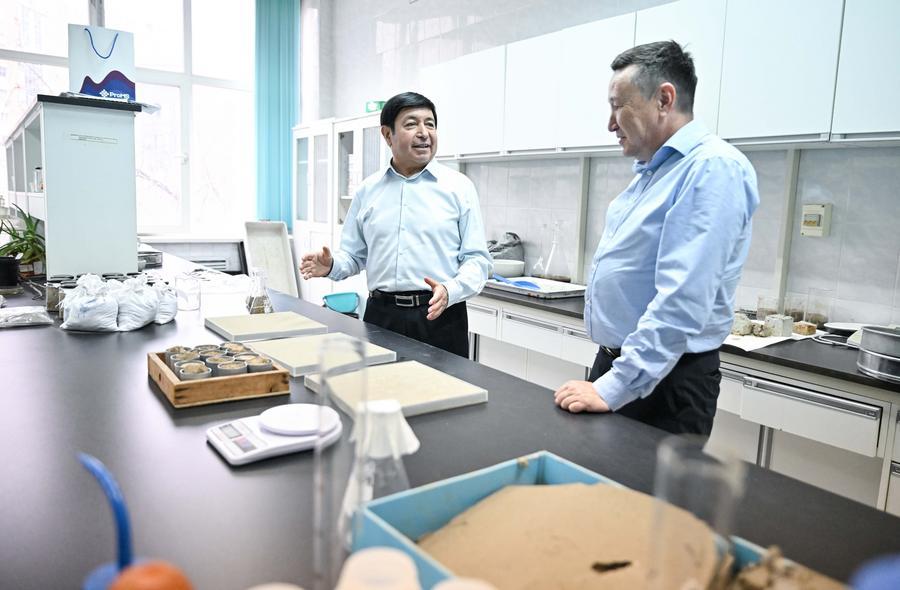
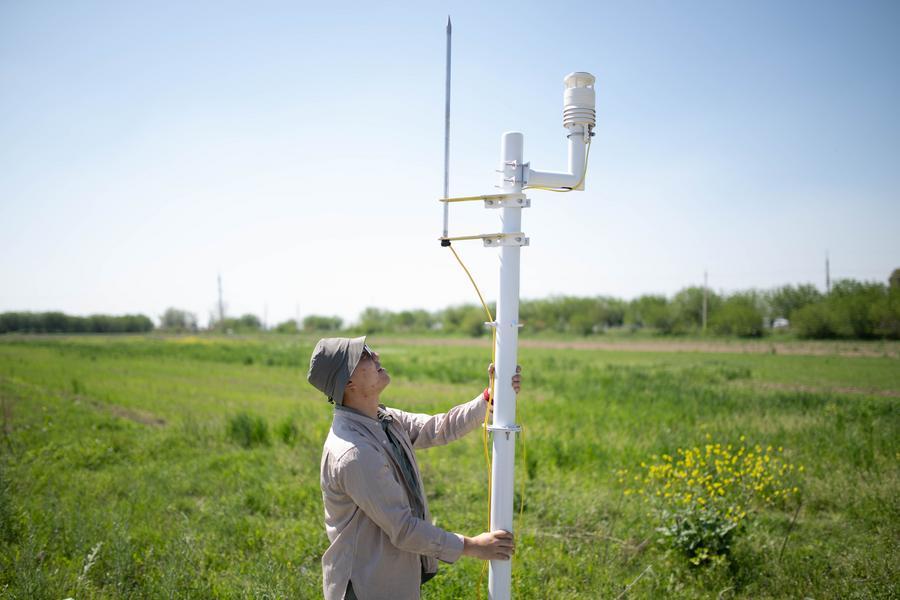
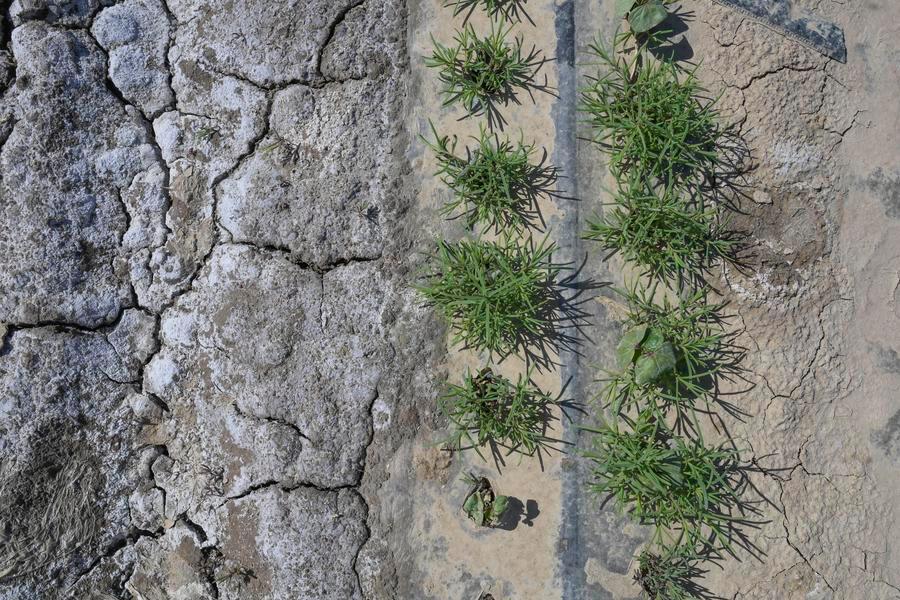
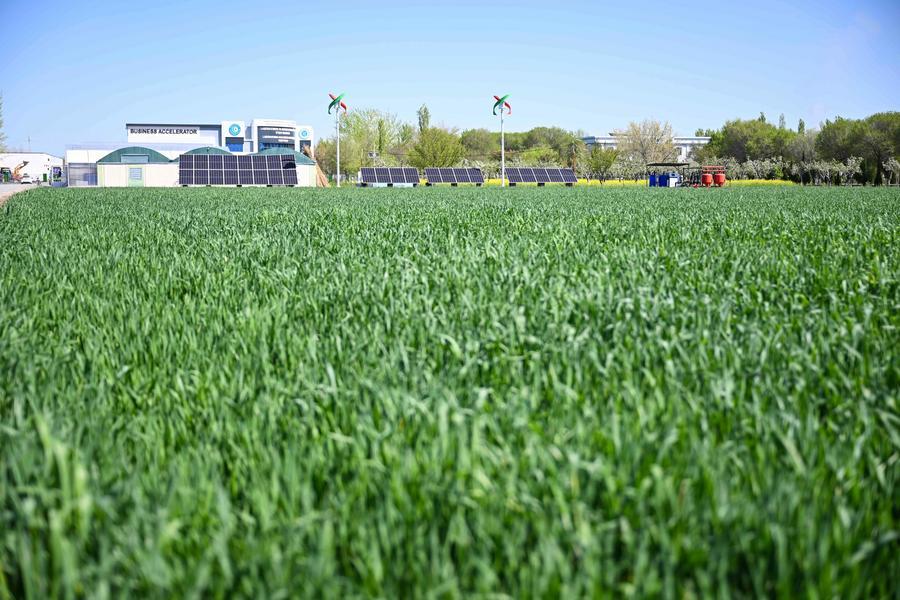
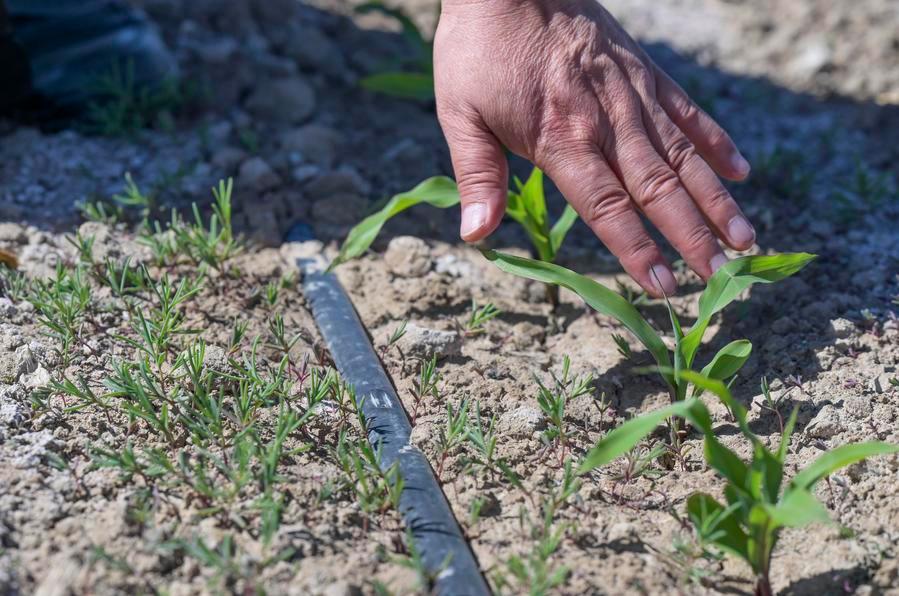
Jilili Abuduwaili (L), deputy director of the Research Center for Ecology and Environment of Central Asia, talks with a local expert in Almaty, Kazakhstan, March 31, 2026. (Xinhua/Li Renzi)A researcher works at the International Innovation Center for the Aral Sea Basin in Nukus, Uzbekistan, April 9, 2026. (Xinhua/Li Renzi)A researcher of the Xinjiang Institute of Ecology and Geography works at an experimental field on the outskirts of Tashkent, Uzbekistan, April 13, 2026. (Xinhua/Li Renzi)This photo taken on April 10, 2026 shows the wrecks of ships at the "ship cemetery" in Muynak, Uzbekistan. (Xinhua/Li Renzi)This photo taken on May 20, 2026 shows an experimental field in Karamay, northwest China's Xinjiang Uygur Autonomous Region. (Xinhua/Wang Fei)This photo taken on April 9, 2026 shows Chinese Smart Agriculture Demonstration Zone outside the International Innovation Center for the Aral Sea Basin in Nukus, Uzbekistan. (Xinhua/Li Renzi)Bakhytzhan Khabibullaev, director of the International Innovation Center for the Aral Sea Basin, introduces the halophyte in Nukus, Uzbekistan, April 9, 2026. (Xinhua/Li Renzi)A researcher of the Xinjiang Institute of Ecology and Geography checks on halophytes planted in a corn field in Karamay, northwest China's Xinjiang Uygur Autonomous Region, May 20, 2026. (Xinhua/Wang Fei)■