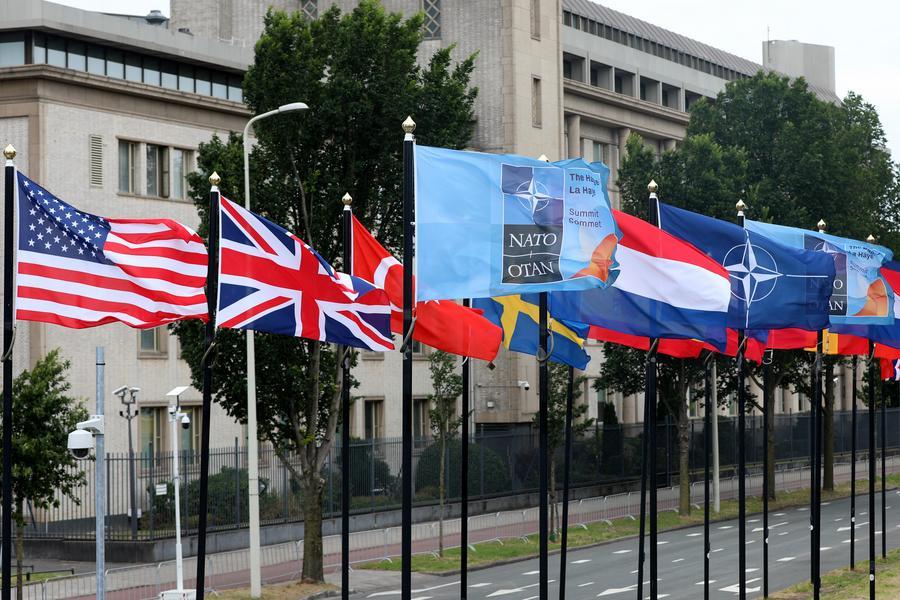
The strain in transatlantic relations has become increasingly visible in disagreements over defense spending, burden-sharing and approaches to global crises over the years.
ANKARA, June 12 (Xinhua) -- Growing mistrust between Europe and the United States has emerged as the most serious challenge facing NATO ahead of its summit in Ankara next month amid mounting geopolitical uncertainty, said a Turkish expert.
"The biggest threat to NATO is the mindset, the loss of trust. This is a big problem," Huseyin Bagci, a professor of international relations at Middle East Technical University, told Xinhua in a recent interview.
Leaders of the 32-member military alliance are set to gather in the Turkish capital on July 7-8 amid the lasting Ukraine crisis, volatile tensions in the Middle East and growing debate over the future of transatlantic relations.
The summit is expected to draw global attention after U.S. Secretary of State Marco Rubio confirmed last week that U.S. President Donald Trump will attend.
Bagci said the summit could prove a defining moment for NATO as members grapple with both external security challenges and severe internal political rifts.
The expert emphasized that the summit's significance lies more in the alliance's ability to address growing differences among its members. "The Europeans and the Americans have now less trust in each other than ever," he said.
The strain in transatlantic relations has become increasingly visible in disagreements over defense spending, burden-sharing and approaches to global crises over the years.
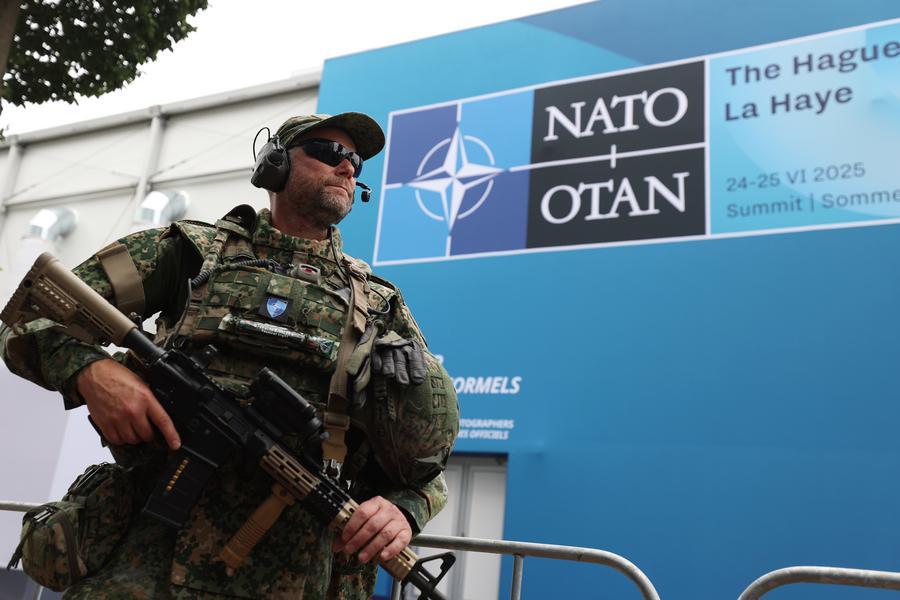
One issue at the center of disputes is defense spending. Under pressure from Trump, NATO members in June 2025 agreed to raise their military spending to 5 percent of gross domestic product by 2035, well above the alliance's long-standing target.
Bagci said NATO's long-term future depends on political trust among allies, which has weakened considerably in recent years.
The Ankara summit, he said, will reveal whether alliance members are capable of narrowing those differences. "At the Ankara summit, we will see if this transatlantic fracture will widen or get closer," he said.
The meeting is also expected to review NATO's role in an increasingly unstable international environment, including ongoing conflicts in Eastern Europe and the Middle East.
Bagci said he believes the gathering could produce new thinking on how the military alliance should respond to regional and global crises.
"The Ankara summit will definitely be putting certain new principles or new rapprochement to regional and global conflicts -- how NATO is going to be involved or not be involved," he said.
The recent escalation involving Iran will likely be on the agenda. However, Bagci cautioned against any assumption that NATO should become directly involved in such conflicts, as the issue falls outside NATO's core mission. "This war is not NATO's business," he said.
He expected that diplomatic efforts would likely produce progress before the summit convenes. "Until the summit, there will probably be a deal to finalize the Iran conflict," he said.
As preparations continue, worldwide attention is increasingly focused on whether NATO leaders can restore confidence among allies and present a united front in the face of growing geopolitical challenges. ■