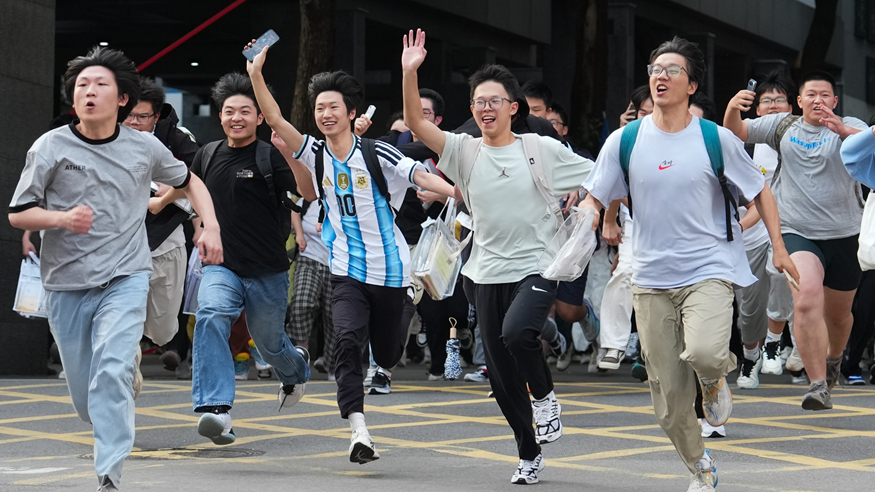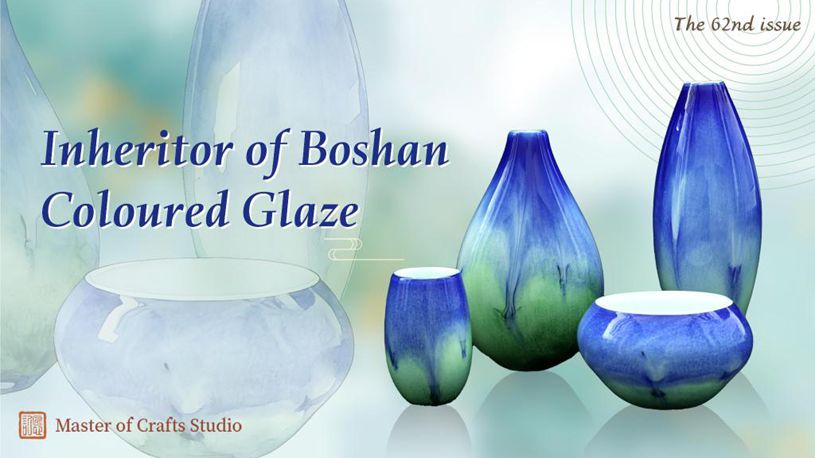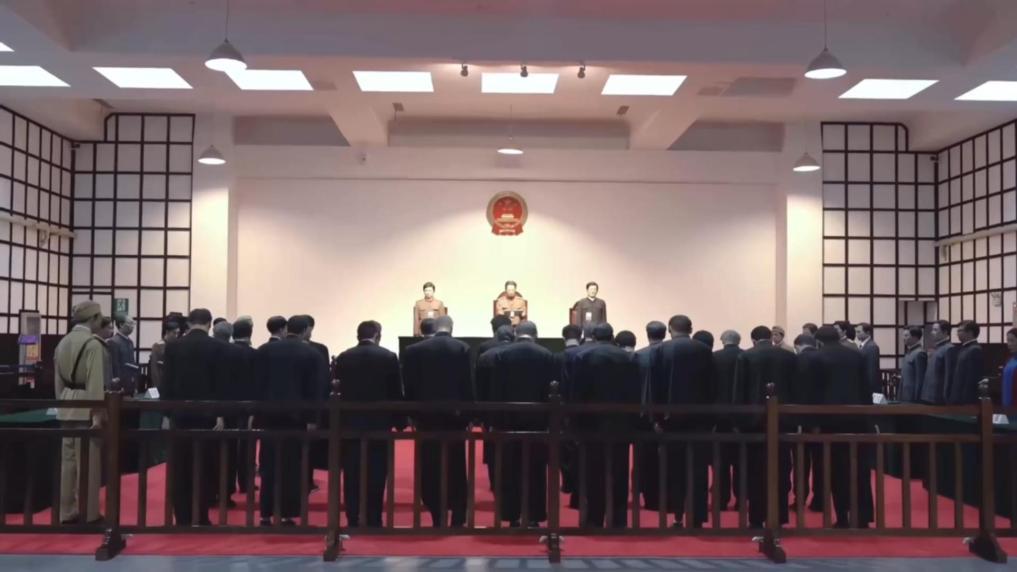
* Factory tours have become an unexpected leisure pursuit -- a kind of industrial-age Disneyland.
* The industrial-tourism boom reflects a desire to record and preserve a story of industrialization that arrived relatively late but unfolded at extraordinary speed.
* The lesson is not simply about machinery, but about patience, precision and pride in workmanship.
BEIJING, June 10 (Xinhua) -- When Xiaomi opens registration for guided tours of its electric-vehicle factory in Beijing, demand often runs into tens of thousands for a small number of tour slots each month. Many spend months entering lotteries before finally securing a spot.
The surge points to a broader shift in China's tourism landscape. With landmark attractions like the Great Wall in Beijing and Mount Huangshan in east China's Anhui Province still pulling in large numbers, others are increasingly turning to an unconventional destination -- the factory floor.
For many, factory tours have become an unexpected leisure pursuit -- a kind of industrial-age Disneyland.
The appeal lies partly in how dramatically China's factories have changed. As the country pursues high-quality development, many of today's manufacturing facilities bear little resemblance to old, noisy assembly lines, grease-stained workshops and repetitive forms of labor once associated with factory work.
Thinking of buying a car? Start with a visit to a smart factory, where robotic arms assemble vehicles with astonishing precision. Curious about robotics? Step into a laboratory where visitors can control humanoid robots to place bread onto a plate or carefully wipe bowls clean.
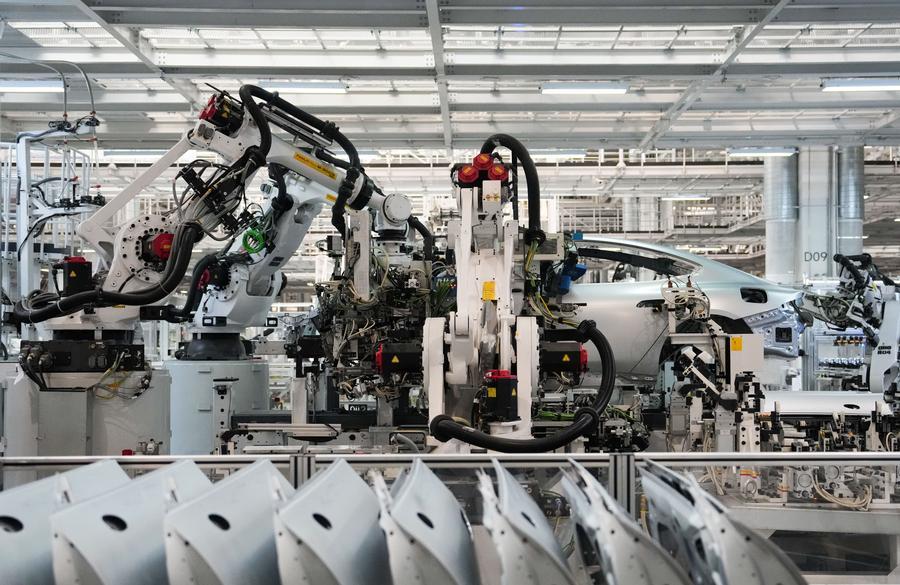
THE FACTORY AS DESTINATION
Unlike brewery and automobile tours in the 1980s and 1990s, which were mostly limited to inspection visits and organized groups, today's industrial tourism is increasingly open to individual visitors, said Liu Qing, head of the Shanghai Industrial Tourism Promotion Center.
"It's a much more immersive experience, driven by a growing fascination with the future -- and with a new industrial landscape taking shape across China," she said.
Industrial tourism is also about making manufacturing visible and, more broadly, reshaping perceptions of Chinese manufacturing while strengthening confidence in the country's industrial capabilities, Liu added.
With all the industrial categories listed in the UN industrial classification, China could offer visitors a broad spectrum of factory-tour experiences.
The sector has received a fresh boost from a policy document released in late May. The document, jointly issued by various departments responsible for culture, tourism, industry and heritage preservation, encourages enterprises across sectors -- ranging from aerospace and shipbuilding to robotics, textiles, food processing, e-commerce and logistics -- to develop industrial tourism programs.
Industry forecasts expect China's industrial-tourism market to grow by roughly 18 percent annually from 2024 to 2029, surpassing 300 billion yuan (about 42 billion U.S. dollars) by 2029.
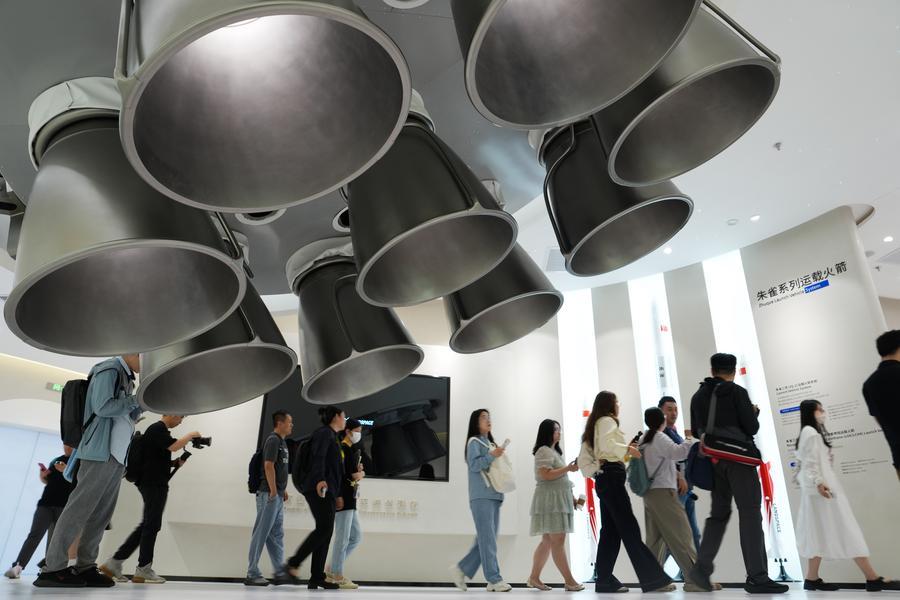
A NATION TELLING ITS INDUSTRIAL STORY
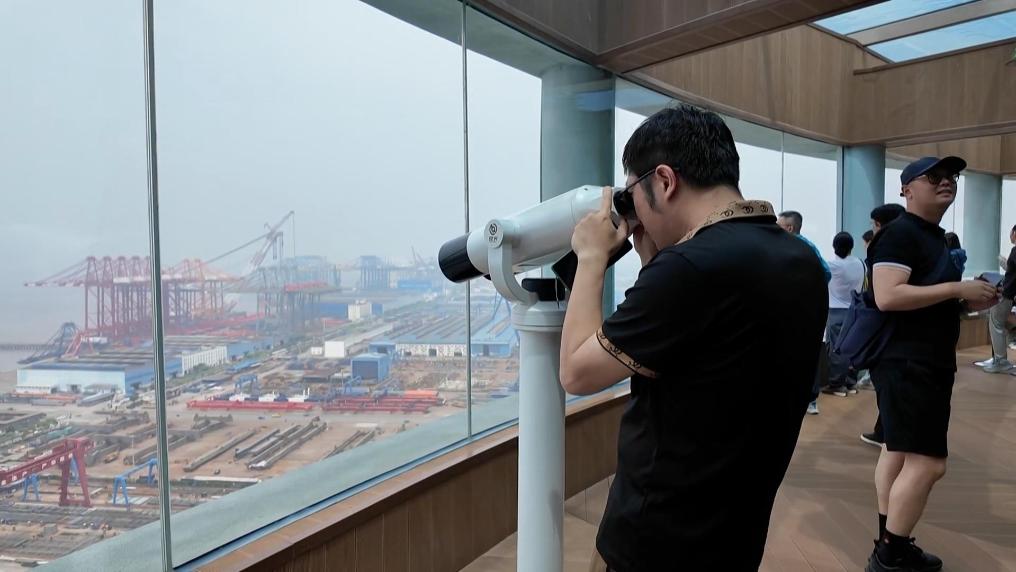
At a shipyard in Shanghai, local visitor Wang Xinsheng watched giant hull sections glide slowly beneath towering gantry cranes. Showers of welding sparks cascaded from steel structures overhead while workers moved methodically through a maze of steel frames.
"It feels like watching a choreography of industry," he said.
For Wang, the attraction was not merely the spectacle of modern shipbuilding. It was also the chance to glimpse a larger story.
In many ways, the industrial-tourism boom reflects a desire to record and preserve a story of industrialization that arrived relatively late but unfolded at extraordinary speed.
Few places tell that story more aptly than Jiangnan Shipyard (Group) Co., Ltd.
With a history dating back to 1865, the shipyard was among the earliest in China to produce lathes and industrial steel, representing the nation's early efforts to modernize an economy long rooted in agriculture.
Its fortunes, however, mirrored those of the country itself. War and foreign invasion repeatedly disrupted China's industrial ambitions, and Jiangnan Shipyard was occupied during the Japanese aggression in the late 1930s.
Much of the nation's modernization gained real momentum only after the founding of the People's Republic of China in 1949, particularly with the launch of reform and opening up in the late 1970s.
Within just a few decades, China was able to supply nearly everything -- from toys and textiles to consumer electronics -- to global markets.
Today, China is home to more than 40 percent of the world's Lighthouse Factories, which apply Fourth Industrial Revolution technologies to enhance productivity and sustainability.
In sectors ranging from electric vehicles to artificial intelligence, Chinese companies are increasingly competing at the technological frontier.
Earlier this month, Jiangnan Shipyard unveiled a container ship concept powered by molten-salt reactors. The advanced nuclear technology could enable near-zero-emission ocean transport.
As of May this year, the shipyard had received more than 330,000 visits since the launch of its industrial-tourism programs in 2019.
"China once led the world in shipbuilding and navigation, then came a long period of catching up," said Wang. "Standing here today, it feels like the country is helping shape the future."
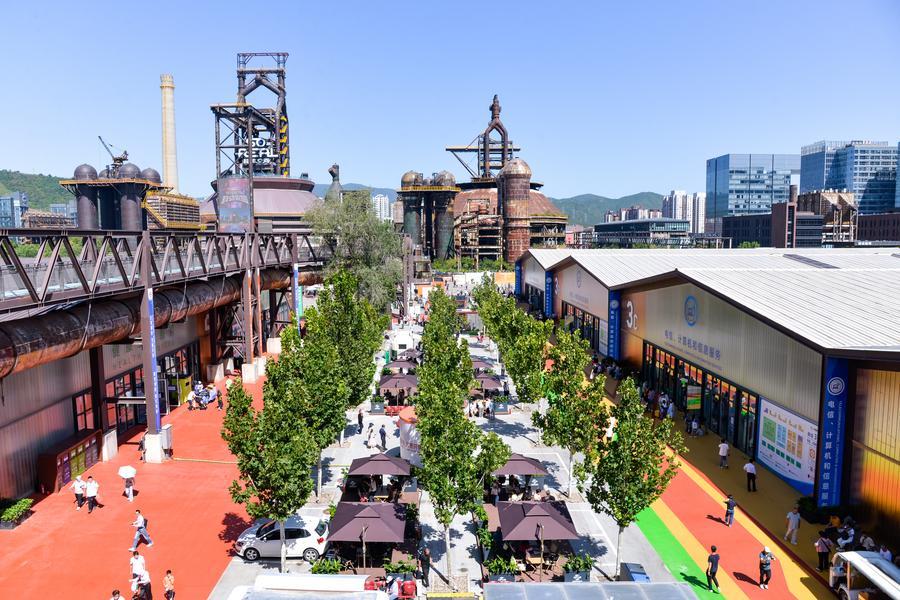
INSPIRING FUTURE MINDS
At Longgang Energy Ecological Park, a waste-to-energy facility in Shenzhen, a city in south China's Guangdong Province, student groups move through the plant on guided tours.
"I never expected a waste treatment plant to be so clean -- there's no smell at all," said a student surnamed Li from central China's Hubei Province.
Another 14-year-old visitor, surnamed Chen, said the experience challenged his expectations of what a waste facility should look like. "Even a waste plant can be this high-tech," he said.
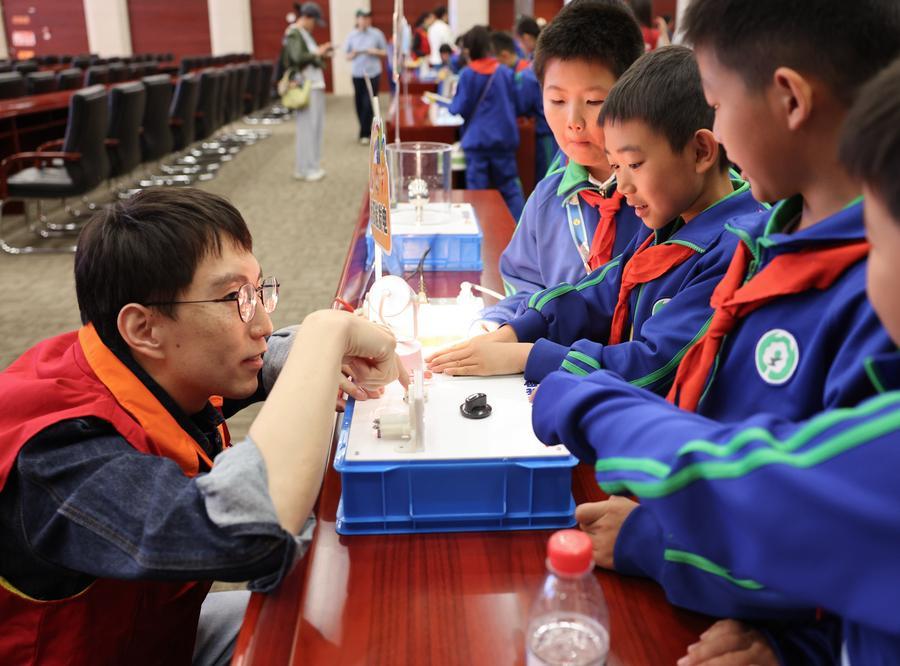
For many families, such visits are not just about curiosity, but about exposure to how modern industry actually works.
A trip to Xiaomi's electric-vehicle plant, for example, may prompt a student to reach for a physics textbook back home. A veteran technician refining a single component can hold a teenager's attention for ten unplanned minutes -- small moments that often leave a deeper impression.
It is this kind of experience that may shape how younger generations perceive manufacturing careers as industrial tourism gains popularity, said Zhou Xiang, deputy general manager of Spring Tour travel agency.
"The lesson is not simply about machinery, but about patience, precision and pride in workmanship," said Zhou, whose company organizes industrial tours for university students in Shanghai.
Not every factory, however, is ready for its close-up.
Some are still trying to balance production with growing visitor demand. Many others struggle to move beyond displaying machines and production lines to tell a compelling story about the technology, craftsmanship and people behind them.
As industrial tourism gains momentum, its further development calls for greater innovation capacity and inclusiveness, said Xu Hong, dean of the College of Tourism and Service Management at Nankai University in north China's Tianjin. ■
(Reporting by Yu Xiaohua, Wang Xiaopeng, Chen Aiping, Wang Chenyang, Zhou Ke and Tian Ye; Video reporters: Zhang Mengjie and Sun Qing; Video editors: Hong Liang, Roger Lott, Liu Xiaorui and Zhang Yichi.)