
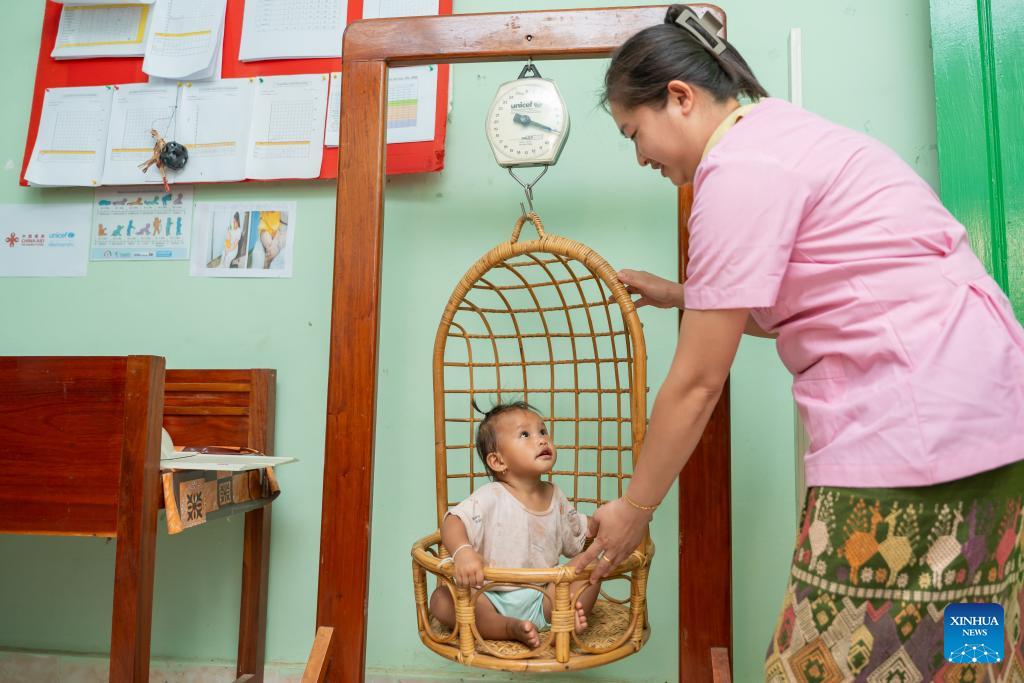
A health worker measures the weight of a child at Thongchalern Health Center, Nan District, Luang Prabang Province, Laos, May 7, 2026. (Photo by Kaikeo Saiyasane/Xinhua)
by Xinhua writers Zhao Zhiqin, Ma Huaizhao
LUANG PRABANG, Laos, June 4 (Xinhua) -- As the dry season gives way to the first rains, the dirt road winding through Nan District in Luang Prabang Province becomes bumpy and rutted. Emerald-green mountains rise in the distance above sprawling rice paddies, and just beyond a small bridge stands the village meeting hall of Keomani village.
Inside the village meeting hall, 22-month-old Khamvoiy sat quietly in his mother Lath's lap. A health worker lifted him onto a baby scale. "8.9 kilograms," she said. Lath allowed herself a small, relieved smile, as when the treatment started, he weighed only 7 kilograms and was diagnosed with severe acute malnutrition.
The health worker counselled Lath and provided seven sachets of ready-to-use therapeutic food -- a nutrient-dense paste provided by the United Nations Children's Fund (UNICEF) that allows severely malnourished children to be treated at home. She was told to come back in a week for a new supply.
The local health staff did not just provide the therapeutic food; they taught Lath how to put together a balanced meal. "Since he started the treatment, he's healthier and his appetite has returned," she said.
Khamvoiy's story is not unique. Child malnutrition had long been one of Laos' most stubborn public health challenges. The country made clear progress over the past decade, but the COVID-19 pandemic and the economic shocks that followed disrupted health, nutrition and social security services in many rural and remote areas.
According to UNICEF Lao PDR, more than one in ten children under five suffers acute malnutrition.
To turn the tide, the Lao government and UNICEF launched a child nutrition programme in 2022, with funding from China's Ministry of Commerce and the China International Development Cooperation Agency, targeting 10 provinces with high rates of child wasting. Launched in October 2022 and concluded in December 2025, the project was divided into two main phases: capacity building and the delivery of supplies.
"Thanks to China's support, we have already trained more than 1,900 frontline workers and screened over 38,000 children for malnutrition," said Vilon Viphongxay, programme officer for nutrition of UNICEF Lao PDR.
Since the project began, 7,723 cartons of ready-to-use therapeutic food, hundreds of boxes of therapeutic milk, and large quantities of medicine and screening equipment have been delivered to around 400 health facilities across Laos. According to UNICEF, more than 4,000 children with severe acute malnutrition have received treatment so far.
A short drive from Keomani, the Thongchalern Health Center served five surrounding villages. Sathid Vanthanom, head of the health center, has been working here since 2014. He has witnessed the change in the nutritional status of local children.
"Two or three years ago, child malnutrition was still very common," Sathid said. The health center covered 675 households with 3,346 people. In the past, limited equipment and a shortage of trained staff made it almost impossible to track malnourished children over time.
Now, health workers routinely use infant scales and mid-upper arm circumference measuring tapes to screen children. They also traveled regularly to remote hamlets to run nutrition education sessions and carry out assessments.
"Compared to three years ago, the malnutrition rate among children in our area has dropped significantly. We hardly see any new cases now," Sathid said. "In the first quarter of this year alone, we assessed 275 children. Not a single one was diagnosed with severe malnutrition."
In the eyes of Buakeo Sisuphan, deputy head of the Hygiene and Health Promotion Section at the Luang Prabang Provincial Health Department, the programme has undergone a quiet but profound shift. "The support provided by China through UNICEF has strengthened the capacity of grassroots health facilities to offer nutrition counselling and early screening. Now local health workers can detect cases much earlier and intervene in time."
Souphaphone Yangphachan, a teacher from Thongchalern village, knew this firsthand. Her youngest daughter was diagnosed with acute malnutrition at 15 months, after a bout of pneumonia stole her appetite.
The health center gave her ready-to-use therapeutic food and showed Souphaphone how to feed her child properly. Within three months, the little girl's weight rose from 6 to 7 kilograms.
"I'm grateful to UNICEF and the Chinese government for helping the children in our village," Souphaphone said. "Now that my child is healthy, I can go to work carefree."
Vilon put it simply: "A mother in a remote village no longer has to travel for days to get help. She has a trained expert in her own community, armed with Chinese-funded medical supplies, ready to nurse her child back to health."
The changes brought by the project were felt not only in treatment but also in prevention. Bath Milaita, a mother of two from Thongchalern, went to the health center every month during her pregnancy. Health staff checked her regularly and encouraged her to eat a balanced diet instead of avoiding foods out of old beliefs. Her younger son was born weighing a healthy 3.5 kilograms.
"Earlier this year, training supported under this project taught us what kind of food we should feed our children to keep them healthy," Bath said. "I learned so many things I never knew before."
Chinese Ambassador to Laos Fang Hong said the China-funded child nutrition programme focuses on children under five, helping save thousands of severely malnourished children through prevention, screening and standardized treatment.
She noted that the project was carried out through tripartite cooperation, with China providing funding, UNICEF offering technical support, and the Lao government leading implementation, ensuring the programme met local needs.
Back in Keomani village, Lath continued feeding Khamvoiy with therapeutic food. Health workers said he was on track to reach a healthy weight.
In Lao, "Keomani" means "shining gems." As local health facilities improve their ability to detect, treat and prevent malnutrition, hope is returning to villages like Keomani.
"We are building a health system that needs to last for generations, not just for today," said Vilon, stressing the importance of continued support from China.
"It can be said that this programme represents a beneficial practice combining South-South cooperation with multilateralism, and also provides valuable reference for carrying out more 'small and beautiful' assistance projects for Laos in the future," said Fang. ■
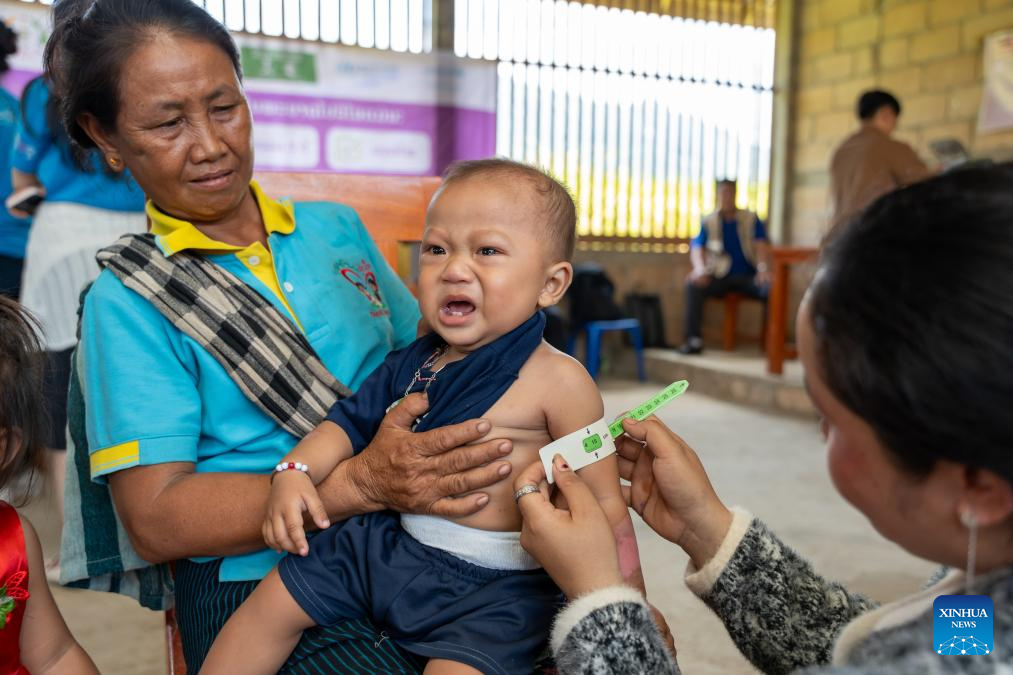
Health workers conduct a screening for child malnutrition in the village meeting hall of Keomani village, Nan District, Luang Prabang Province, Laos, May 6, 2026. (Photo by Kaikeo Saiyasane/Xinhua)
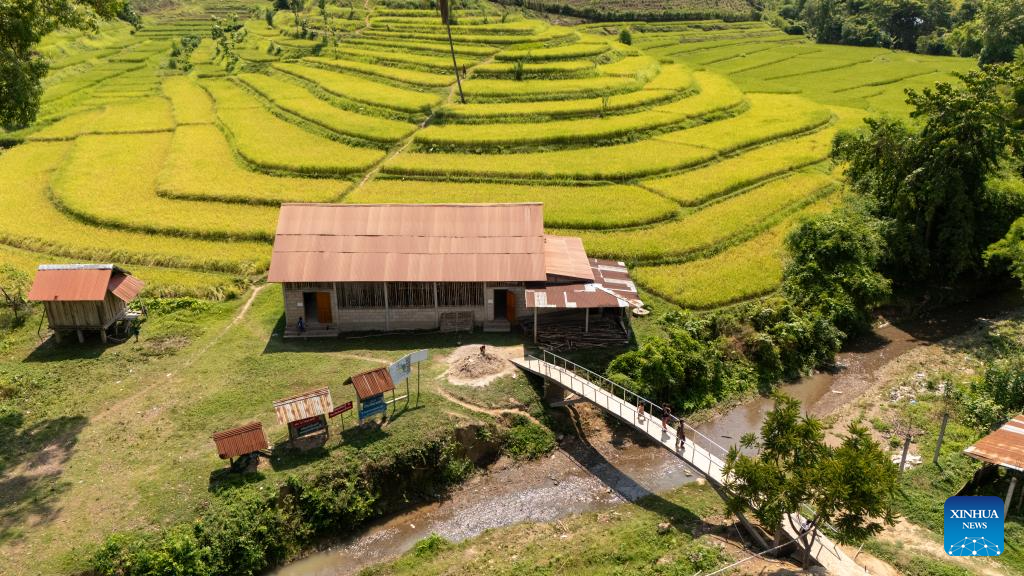
An aerial drone photo taken on May 7, 2026 shows a view of the village meeting hall of Keomani village in Nan District, Luang Prabang Province, Laos. (Photo by Kaikeo Saiyasane/Xinhua)
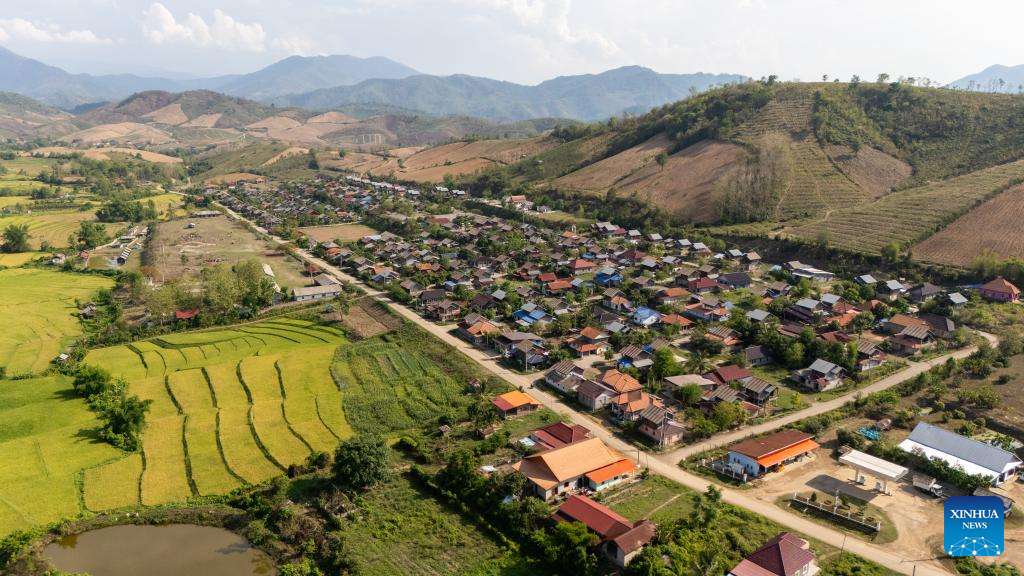
An aerial drone photo taken on May 6, 2026 shows a view of Thongchalern village in Nan District, Luang Prabang Province, Laos. (Photo by Kaikeo Saiyasane/Xinhua)


