
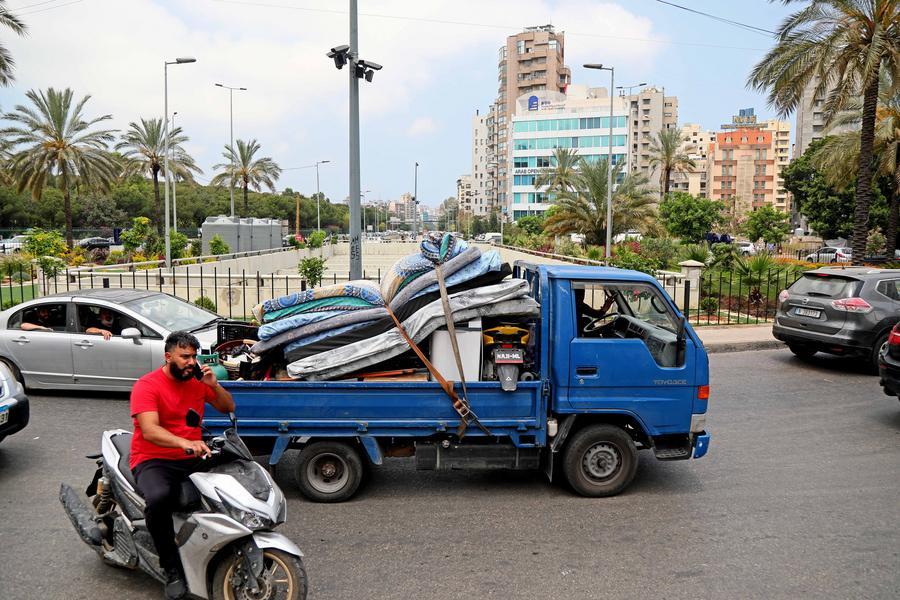
BEIRUT, June 2 (Xinhua) -- Israel has escalated its military operations in Lebanon in recent days, threatening to expand military control in southern Lebanon and strike Beirut despite a ceasefire between Israel and Lebanon that took effect in mid-April.
Tensions appeared to ease late Monday after U.S. President Donald Trump said Israel and Hezbollah had agreed to dial back hostilities following his call with Israeli Prime Minister Benjamin Netanyahu and contacts with Hezbollah through "highly placed representatives."
The latest escalation underscored the fragility of the ceasefire and the extent to which the Lebanon front has become intertwined with wider U.S.-Iran diplomacy.
WHAT HAPPENED
Israeli Defense Minister Israel Katz on Monday vowed to turn the area of southern Lebanon's Litani River into a military-controlled zone and continue striking Beirut until Hezbollah stops its attacks.
"If there is no peace in northern Israel, there will be no peace in Beirut," Katz said in a statement released by his office.
Also on Monday, Katz and Netanyahu said in a joint statement that they had ordered the military to strike Beirut's southern suburbs, citing what they called "repeated Hezbollah violations" of the ceasefire.
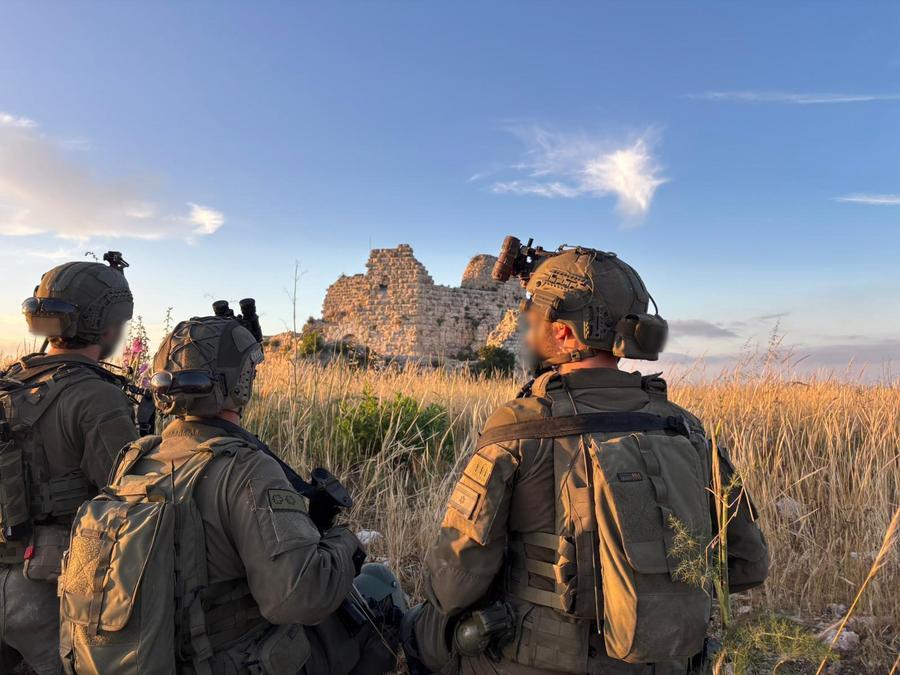
On Sunday, Netanyahu said in a videotaped statement that he had instructed the military to deepen and expand its control over Lebanese areas held by Hezbollah. The instruction followed the capture by Israeli forces of the Beaufort Ridge in southern Lebanon, including the strategic castle at its summit, an area beyond the "security zone" Israel has maintained since the ceasefire took effect.
Media reports described the move as Israel's "deepest advance into Lebanon" in more than 20 years. It drew immediate condemnation from Arab countries, as well as France, Germany and Britain.
WHY TENSIONS ESCALATE
Lebanese broadcaster Al Mayadeen reported on Saturday that Lebanon-U.S.-Israel military talks in Washington ended without a deal, as Israel rejected Lebanon's demand for an immediate ceasefire, refused to withdraw from occupied Lebanese territories, and continued to call for Hezbollah's disarmament.
Beyond the failed talks, analysts say Israel is using military pressure to weaken Hezbollah and influence Lebanon's internal political balance.
Ding Long, a Chinese expert on Middle East affairs at Shanghai International Studies University, said Israel's recent escalation is aimed at further driving a wedge between Lebanese political forces, pressuring the Lebanese government to act on disarming Hezbollah, and shifting the blame for the failure of the talks onto Beirut.
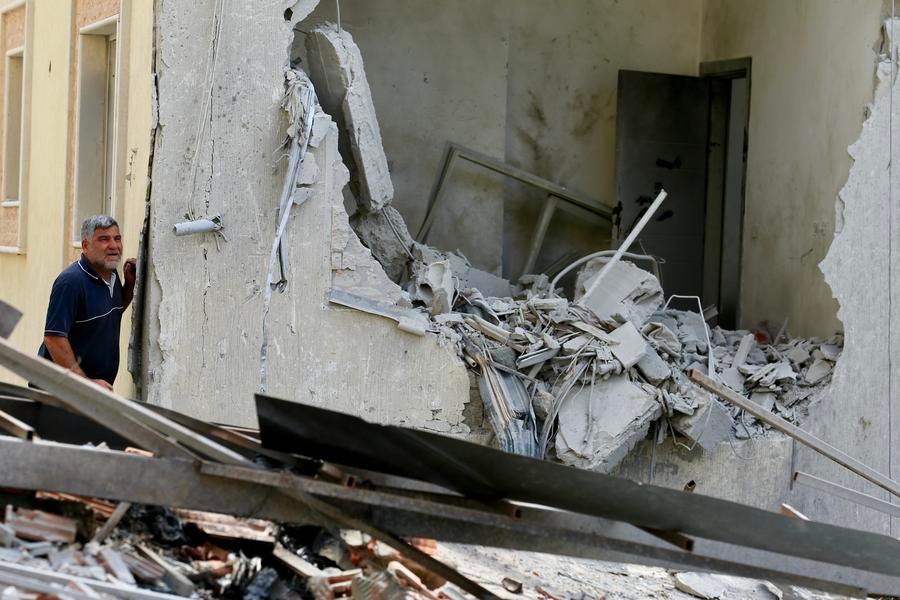
Israeli officials and military commanders want to inflict as much damage as possible on Hezbollah before a potential deal between Tehran and Washington imposes new limits or halts on the current offensive, observers were quoted by The Guardian as saying.
Domestic politics may also be a factor. Israeli lawmakers have lately given preliminary approval to a bill to dissolve the Knesset, the parliament, potentially triggering early elections, with recent polls suggesting Netanyahu would lose the elections.
Al Jazeera analysis suggested that by expanding strikes beyond southern Lebanon to Hezbollah's stronghold in Beirut's southern suburbs, the ruling coalition appeared to project strength and answer domestic criticism that it had failed to respond forcefully to Hezbollah.
IMPLICATIONS
Iran has halted talks and exchanges of draft proposals with the United States through mediators in protest against Israel's actions in Lebanon, Iran's semi-official Tasnim news agency reported Monday.
Tasnim said that there would be "no dialogue" until Iran's demand for an immediate halt to Israeli operations in Gaza and Lebanon is met and that a Lebanon ceasefire was one of Tehran's preconditions for accepting an April truce with Washington.
Hours later, Trump said that Israel and Hezbollah had agreed to dial back hostilities following his separate contacts with Netanyahu and Hezbollah representatives, suggesting Washington was trying to prevent the Lebanon front from further derailing the broader diplomatic process.
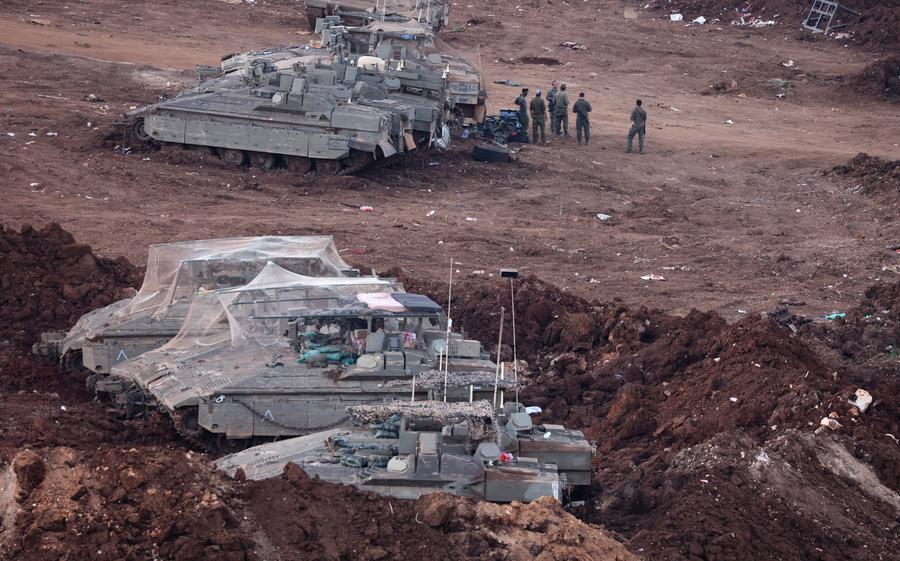
Still, analysts say the episode has exposed the difficulty Washington faces in keeping the Lebanon front from undermining talks with Tehran.
Trita Parsi, executive vice president of the Quincy Institute for Responsible Statecraft, said Iran's insistence on including Lebanon in any ceasefire arrangement is ultimately a test of Washington's willingness and ability to restrain Israel. If Washington can not or will not do so, the value of any agreement with the United States would come sharply into question.
Ding said core issues in the current U.S.-Iran standoff were still about navigation through the Strait of Hormuz and Iran's nuclear program, while the escalation between Israel and Lebanon could add uncertainty to U.S.-Iran talks, it is unlikely to have a decisive impact. ■