
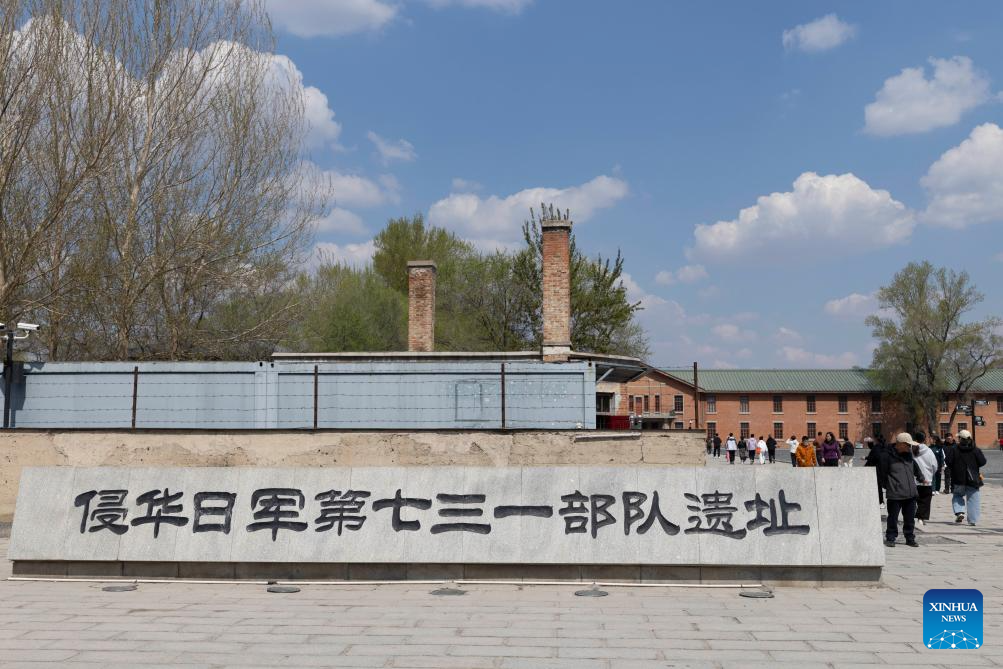
People visit the former site of the Unit 731 headquarters in Harbin, capital of northeast China's Heilongjiang Province, May 3, 2026.
Sunday marks the 80th anniversary of the opening of the International Military Tribunal for the Far East, or the Tokyo Trials.
From May 3, 1946, to Nov. 12, 1948, the International Military Tribunal for the Far East was held in Tokyo by 11 countries, including the United States, China, the UK and the Soviet Union, to try Japan's Class-A war criminals after World War II.
During the trial some eighty years ago, the tribunal convicted 25 Class-A Japanese war criminals, with seven sentenced to death, including Hideki Tojo, the most atrocious war criminal who served as Japanese prime minister between 1941 and 1944. The proceedings, backed by extensive evidence, exposed the crimes of Japanese militarism and stood as a landmark victory of justice over aggression. (Xinhua/Zhang Tao)
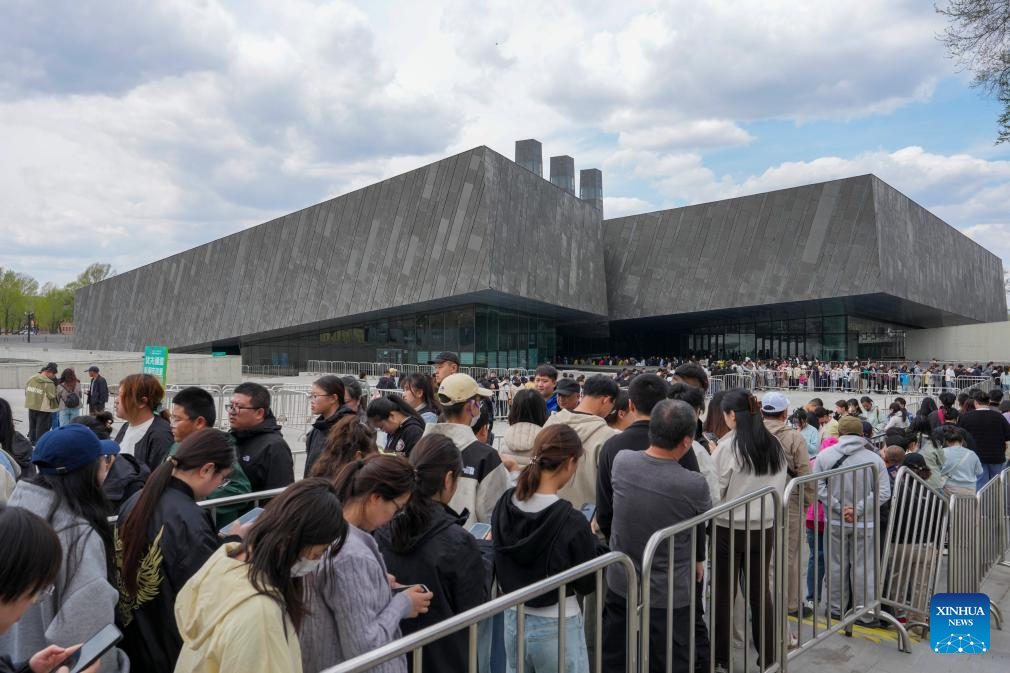
People queue up to visit the Exhibition Hall of Evidences of Crime Committed by Unit 731 of the Japanese Imperial Army in Harbin, capital of northeast China's Heilongjiang Province, May 2, 2026.
Sunday marks the 80th anniversary of the opening of the International Military Tribunal for the Far East, or the Tokyo Trials.
From May 3, 1946, to Nov. 12, 1948, the International Military Tribunal for the Far East was held in Tokyo by 11 countries, including the United States, China, the UK and the Soviet Union, to try Japan's Class-A war criminals after World War II.
During the trial some eighty years ago, the tribunal convicted 25 Class-A Japanese war criminals, with seven sentenced to death, including Hideki Tojo, the most atrocious war criminal who served as Japanese prime minister between 1941 and 1944. The proceedings, backed by extensive evidence, exposed the crimes of Japanese militarism and stood as a landmark victory of justice over aggression. (Xinhua/Wang Song)
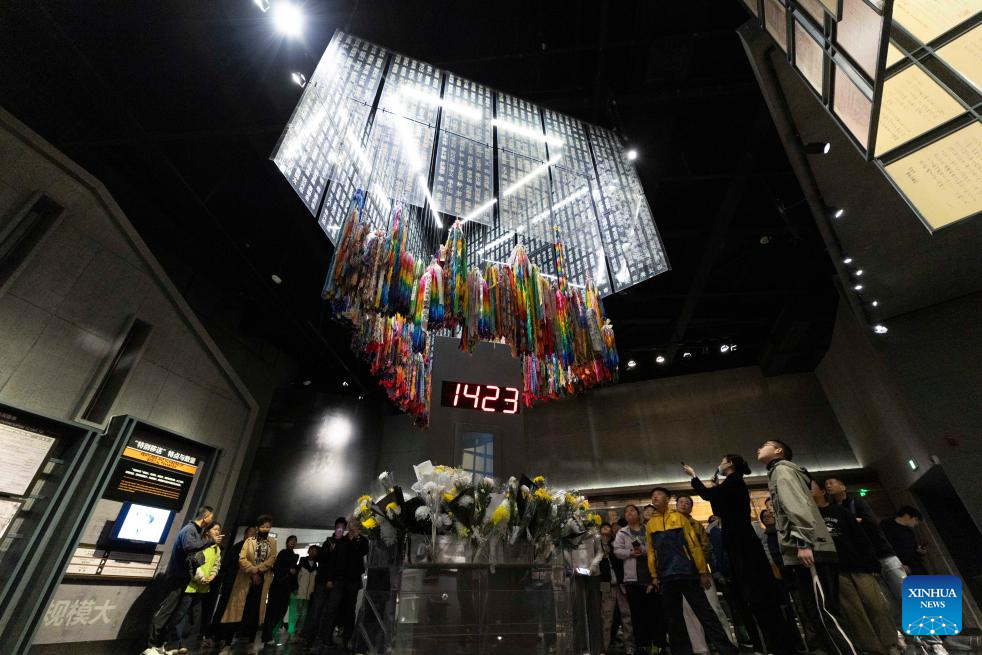
People visit the Exhibition Hall of Evidences of Crime Committed by Unit 731 of the Japanese Imperial Army in Harbin, capital of northeast China's Heilongjiang Province, May 3, 2026.
Sunday marks the 80th anniversary of the opening of the International Military Tribunal for the Far East, or the Tokyo Trials.
From May 3, 1946, to Nov. 12, 1948, the International Military Tribunal for the Far East was held in Tokyo by 11 countries, including the United States, China, the UK and the Soviet Union, to try Japan's Class-A war criminals after World War II.
During the trial some eighty years ago, the tribunal convicted 25 Class-A Japanese war criminals, with seven sentenced to death, including Hideki Tojo, the most atrocious war criminal who served as Japanese prime minister between 1941 and 1944. The proceedings, backed by extensive evidence, exposed the crimes of Japanese militarism and stood as a landmark victory of justice over aggression. (Xinhua/Zhang Tao)
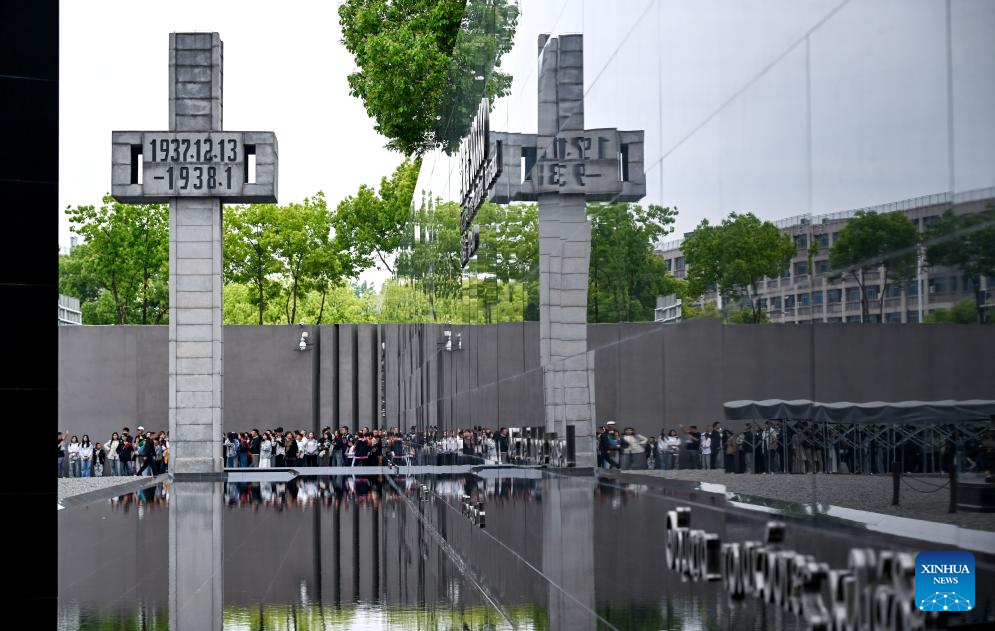
People pay tribute at the Memorial Hall of the Victims in Nanjing Massacre by Japanese Invaders in Nanjing, capital of east China's Jiangsu Province, May 2, 2026.
Sunday marks the 80th anniversary of the opening of the International Military Tribunal for the Far East, or the Tokyo Trials.
From May 3, 1946, to Nov. 12, 1948, the International Military Tribunal for the Far East was held in Tokyo by 11 countries, including the United States, China, the UK and the Soviet Union, to try Japan's Class-A war criminals after World War II.
During the trial some eighty years ago, the tribunal convicted 25 Class-A Japanese war criminals, with seven sentenced to death, including Hideki Tojo, the most atrocious war criminal who served as Japanese prime minister between 1941 and 1944. The proceedings, backed by extensive evidence, exposed the crimes of Japanese militarism and stood as a landmark victory of justice over aggression. (Photo by Yang Suping/Xinhua)
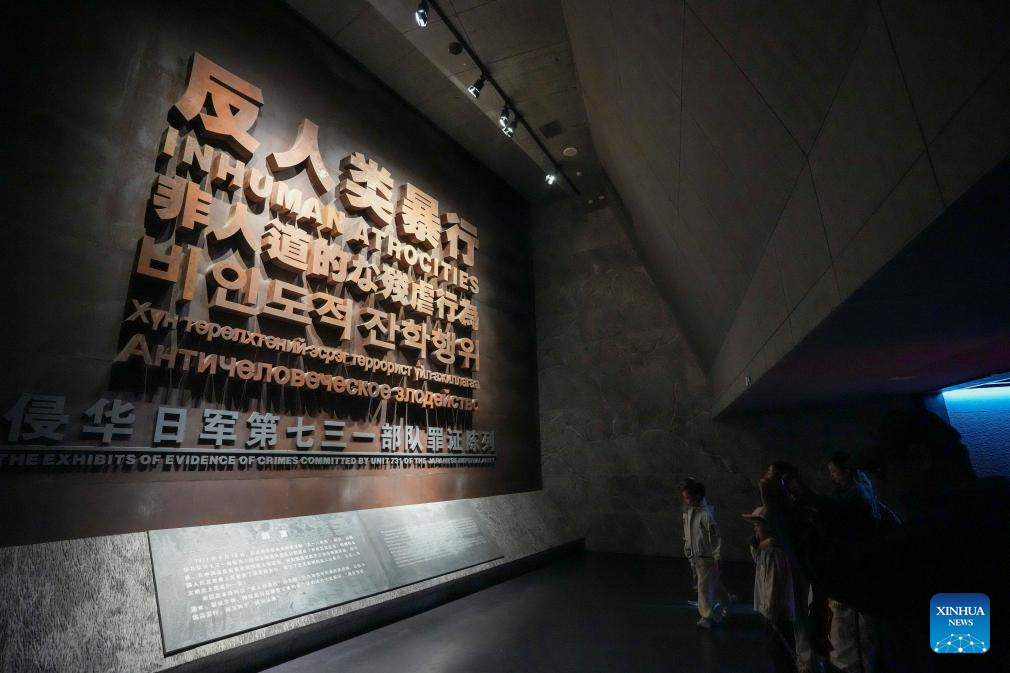
People visit the Exhibition Hall of Evidences of Crime Committed by Unit 731 of the Japanese Imperial Army in Harbin, capital of northeast China's Heilongjiang Province, May 2, 2026.
Sunday marks the 80th anniversary of the opening of the International Military Tribunal for the Far East, or the Tokyo Trials.
From May 3, 1946, to Nov. 12, 1948, the International Military Tribunal for the Far East was held in Tokyo by 11 countries, including the United States, China, the UK and the Soviet Union, to try Japan's Class-A war criminals after World War II.
During the trial some eighty years ago, the tribunal convicted 25 Class-A Japanese war criminals, with seven sentenced to death, including Hideki Tojo, the most atrocious war criminal who served as Japanese prime minister between 1941 and 1944. The proceedings, backed by extensive evidence, exposed the crimes of Japanese militarism and stood as a landmark victory of justice over aggression. (Xinhua/Wang Song)
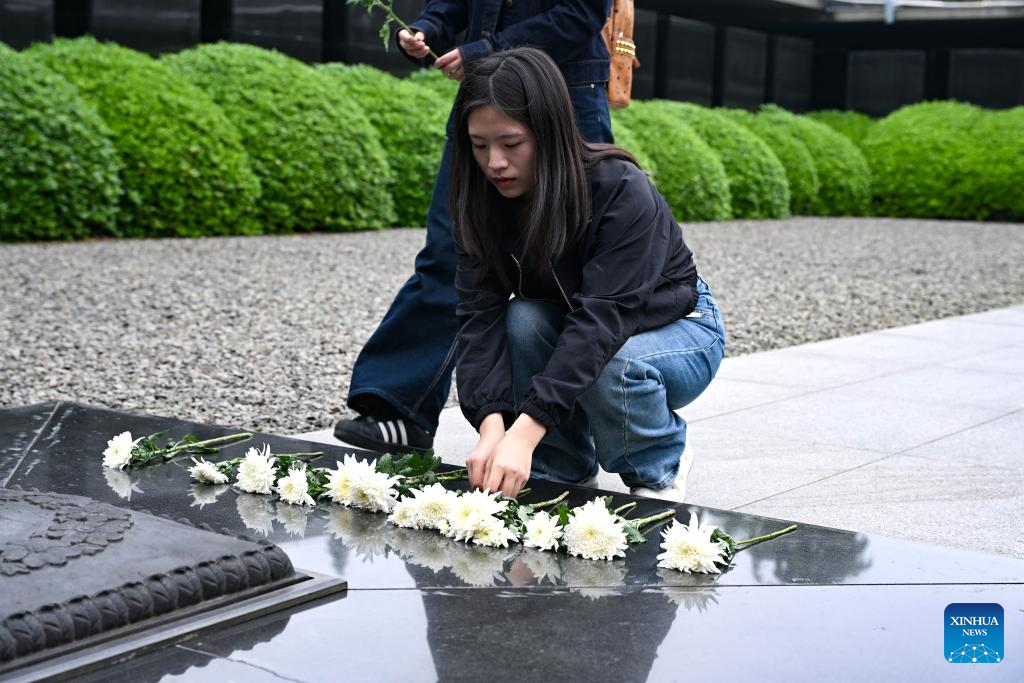
Visitors pay floral tribute at the Memorial Hall of the Victims in Nanjing Massacre by Japanese Invaders in Nanjing, capital of east China's Jiangsu Province, May 2, 2026.
Sunday marks the 80th anniversary of the opening of the International Military Tribunal for the Far East, or the Tokyo Trials.
From May 3, 1946, to Nov. 12, 1948, the International Military Tribunal for the Far East was held in Tokyo by 11 countries, including the United States, China, the UK and the Soviet Union, to try Japan's Class-A war criminals after World War II.
During the trial some eighty years ago, the tribunal convicted 25 Class-A Japanese war criminals, with seven sentenced to death, including Hideki Tojo, the most atrocious war criminal who served as Japanese prime minister between 1941 and 1944. The proceedings, backed by extensive evidence, exposed the crimes of Japanese militarism and stood as a landmark victory of justice over aggression. (Photo by Yang Suping/Xinhua)
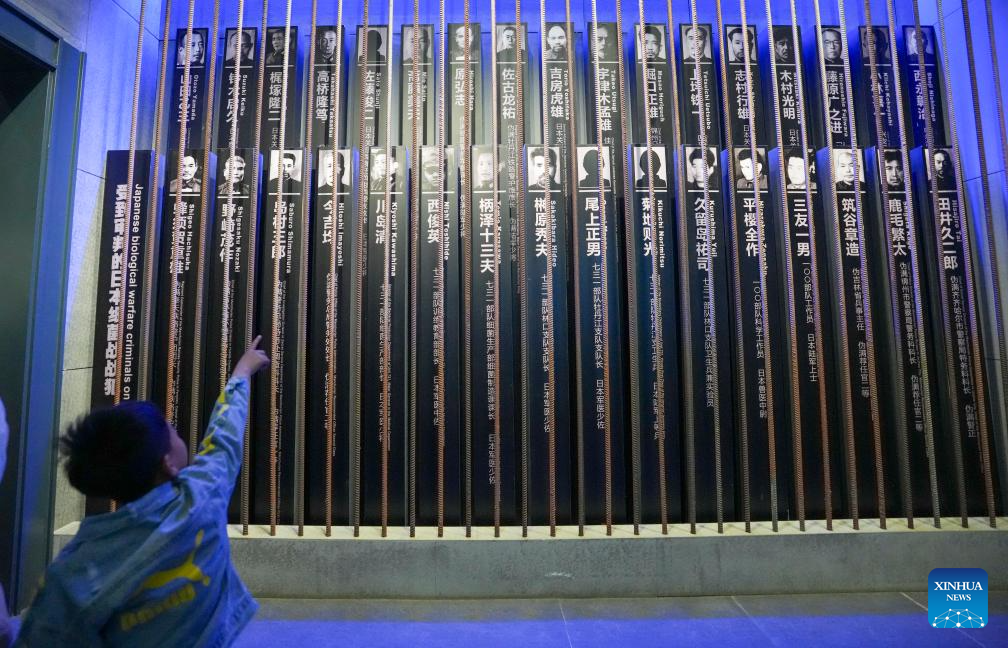
A boy visits the Exhibition Hall of Evidences of Crime Committed by Unit 731 of the Japanese Imperial Army in Harbin, capital of northeast China's Heilongjiang Province, May 2, 2026.
Sunday marks the 80th anniversary of the opening of the International Military Tribunal for the Far East, or the Tokyo Trials.
From May 3, 1946, to Nov. 12, 1948, the International Military Tribunal for the Far East was held in Tokyo by 11 countries, including the United States, China, the UK and the Soviet Union, to try Japan's Class-A war criminals after World War II.
During the trial some eighty years ago, the tribunal convicted 25 Class-A Japanese war criminals, with seven sentenced to death, including Hideki Tojo, the most atrocious war criminal who served as Japanese prime minister between 1941 and 1944. The proceedings, backed by extensive evidence, exposed the crimes of Japanese militarism and stood as a landmark victory of justice over aggression. (Xinhua/Wang Song)
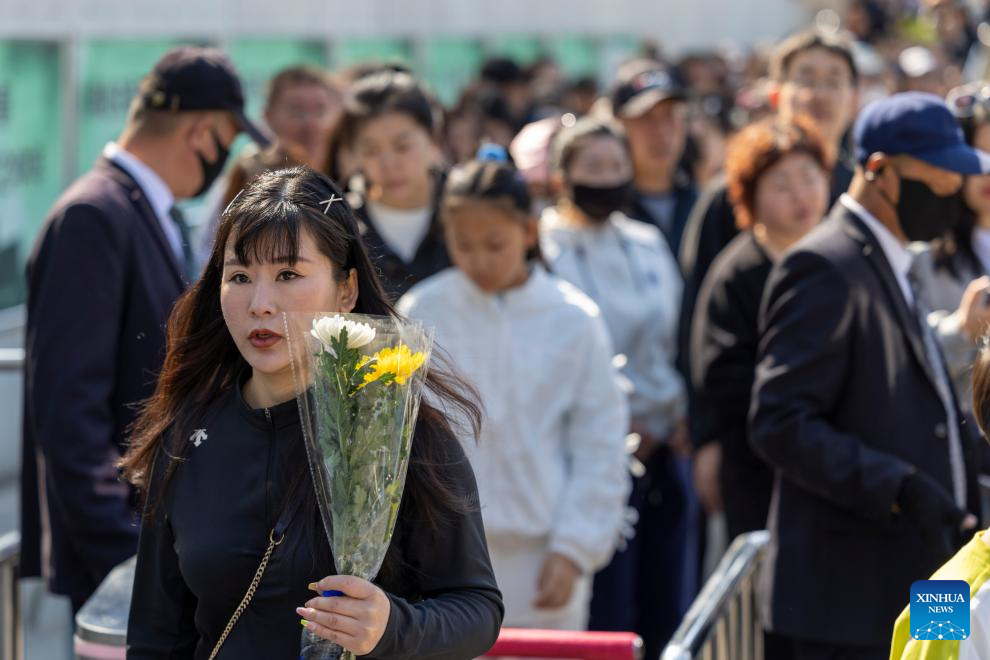
People visit the Exhibition Hall of Evidences of Crime Committed by Unit 731 of the Japanese Imperial Army in Harbin, capital of northeast China's Heilongjiang Province, May 3, 2026.
Sunday marks the 80th anniversary of the opening of the International Military Tribunal for the Far East, or the Tokyo Trials.
From May 3, 1946, to Nov. 12, 1948, the International Military Tribunal for the Far East was held in Tokyo by 11 countries, including the United States, China, the UK and the Soviet Union, to try Japan's Class-A war criminals after World War II.
During the trial some eighty years ago, the tribunal convicted 25 Class-A Japanese war criminals, with seven sentenced to death, including Hideki Tojo, the most atrocious war criminal who served as Japanese prime minister between 1941 and 1944. The proceedings, backed by extensive evidence, exposed the crimes of Japanese militarism and stood as a landmark victory of justice over aggression. (Xinhua/Zhang Tao)
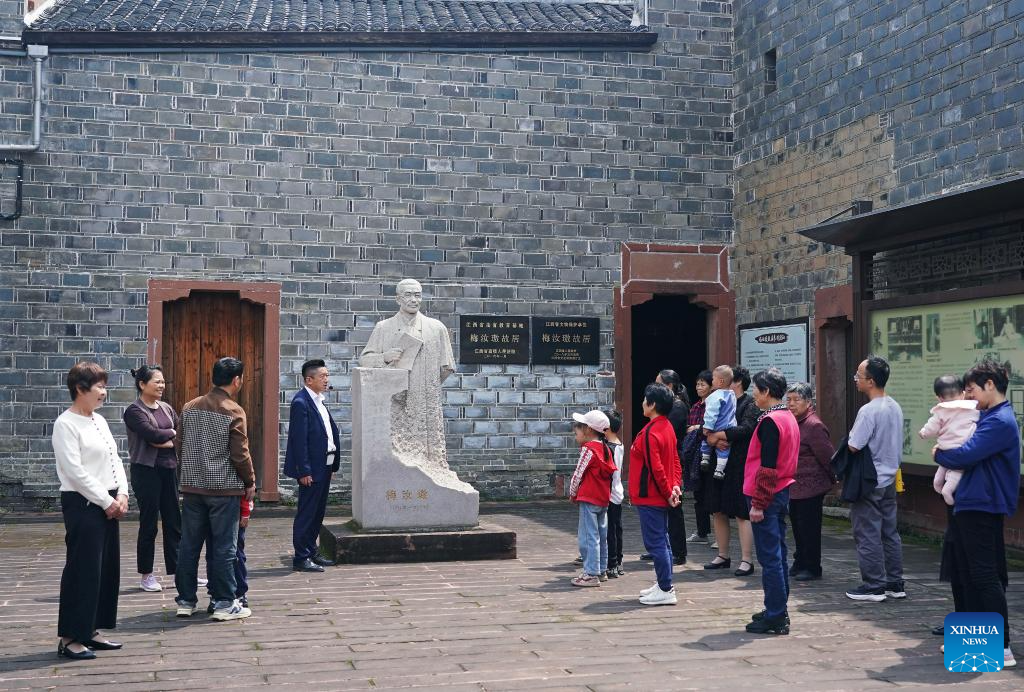
A docent briefs visitors on Mei Ru'ao, the Chinese judge at the Tokyo Trials, at his former residence in Nanchang, capital of east China's Jiangxi Province, May 3, 2026.
Sunday marks the 80th anniversary of the opening of the International Military Tribunal for the Far East, or the Tokyo Trials.
From May 3, 1946, to Nov. 12, 1948, the International Military Tribunal for the Far East was held in Tokyo by 11 countries, including the United States, China, the UK and the Soviet Union, to try Japan's Class-A war criminals after World War II.
During the trial some eighty years ago, the tribunal convicted 25 Class-A Japanese war criminals, with seven sentenced to death, including Hideki Tojo, the most atrocious war criminal who served as Japanese prime minister between 1941 and 1944. The proceedings, backed by extensive evidence, exposed the crimes of Japanese militarism and stood as a landmark victory of justice over aggression. (Xinhua/Wan Xiang)
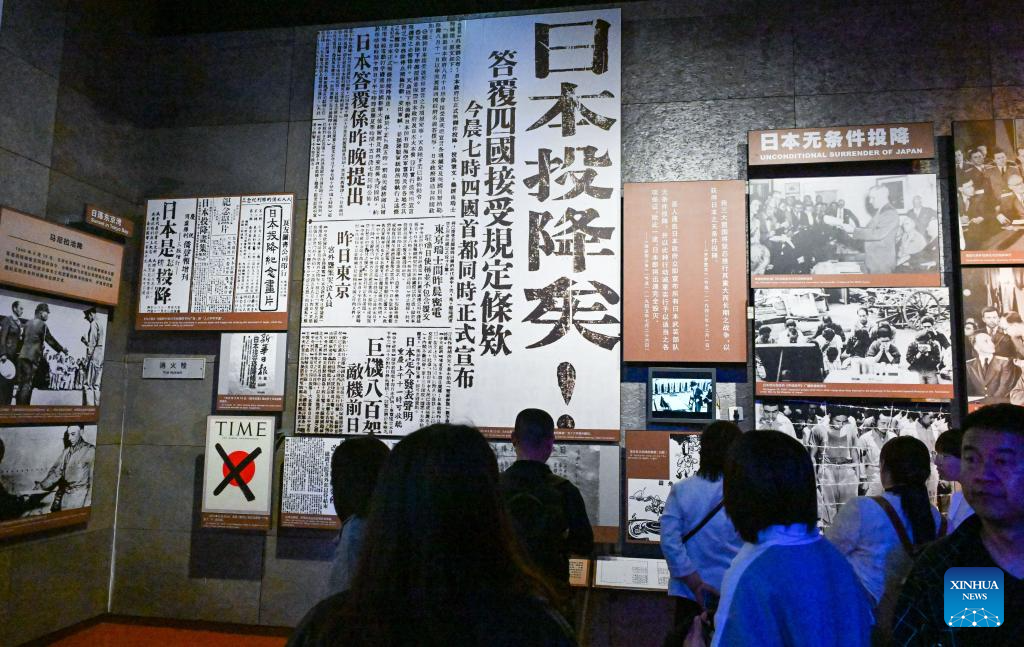
People visit the Memorial Hall of the Victims in Nanjing Massacre by Japanese Invaders in Nanjing, capital of east China's Jiangsu Province, May 2, 2026.
Sunday marks the 80th anniversary of the opening of the International Military Tribunal for the Far East, or the Tokyo Trials.
From May 3, 1946, to Nov. 12, 1948, the International Military Tribunal for the Far East was held in Tokyo by 11 countries, including the United States, China, the UK and the Soviet Union, to try Japan's Class-A war criminals after World War II.
During the trial some eighty years ago, the tribunal convicted 25 Class-A Japanese war criminals, with seven sentenced to death, including Hideki Tojo, the most atrocious war criminal who served as Japanese prime minister between 1941 and 1944. The proceedings, backed by extensive evidence, exposed the crimes of Japanese militarism and stood as a landmark victory of justice over aggression. (Photo by Yang Suping/Xinhua)
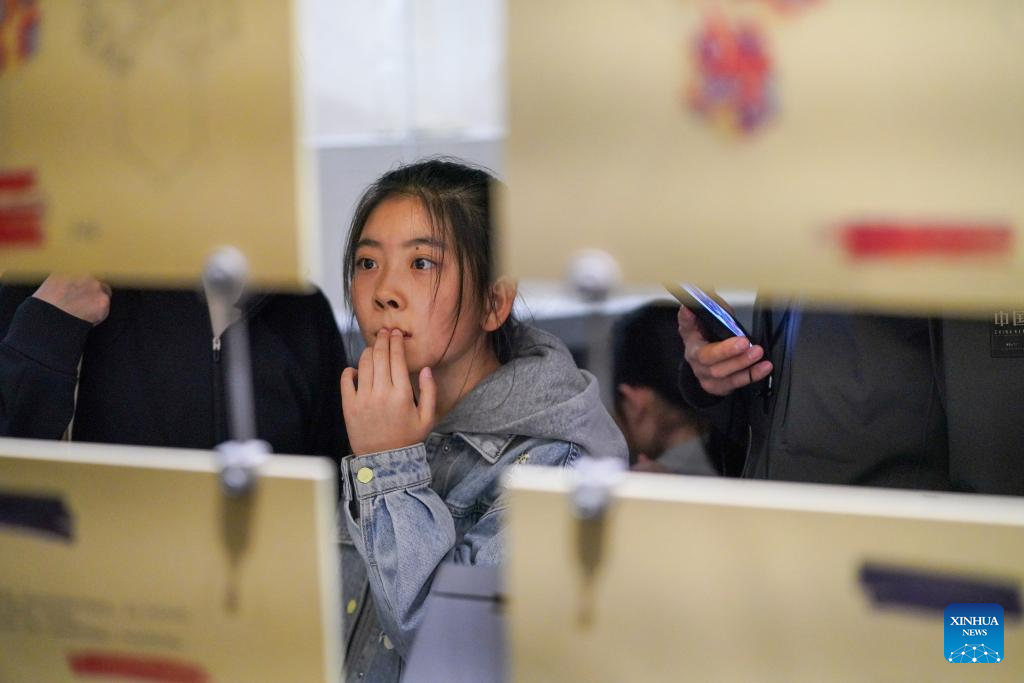
People visit the Exhibition Hall of Evidences of Crime Committed by Unit 731 of the Japanese Imperial Army in Harbin, capital of northeast China's Heilongjiang Province, May 2, 2026.
Sunday marks the 80th anniversary of the opening of the International Military Tribunal for the Far East, or the Tokyo Trials.
From May 3, 1946, to Nov. 12, 1948, the International Military Tribunal for the Far East was held in Tokyo by 11 countries, including the United States, China, the UK and the Soviet Union, to try Japan's Class-A war criminals after World War II.
During the trial some eighty years ago, the tribunal convicted 25 Class-A Japanese war criminals, with seven sentenced to death, including Hideki Tojo, the most atrocious war criminal who served as Japanese prime minister between 1941 and 1944. The proceedings, backed by extensive evidence, exposed the crimes of Japanese militarism and stood as a landmark victory of justice over aggression. (Xinhua/Wang Song)
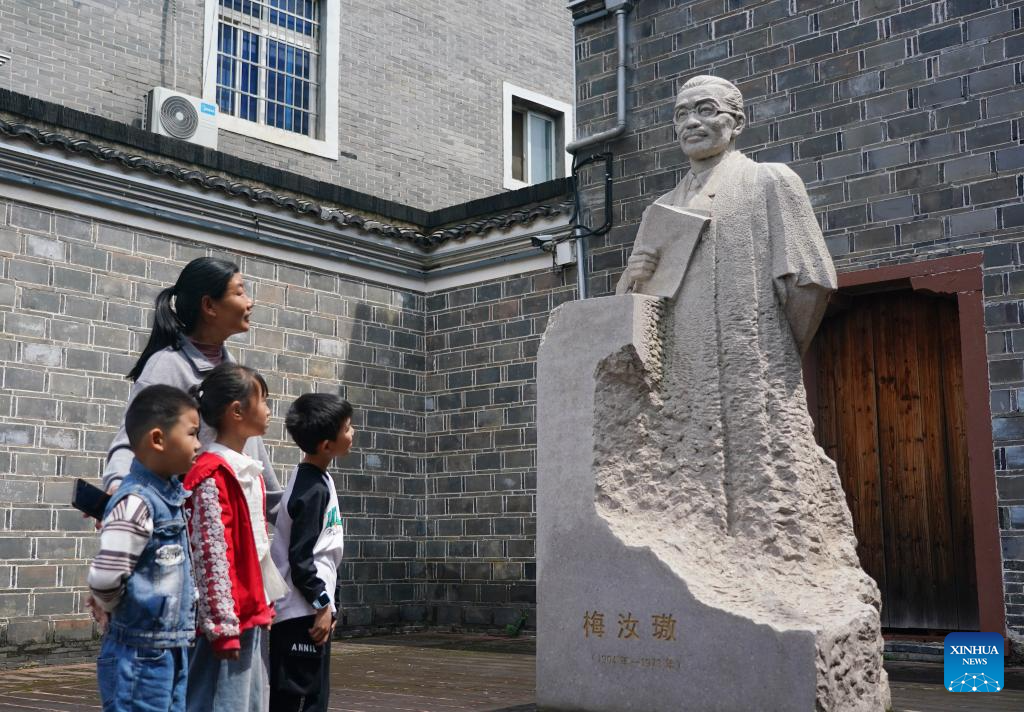
Visitors pay tribute to Mei Ru'ao, the Chinese judge at the Tokyo Trials, at his former residence in Nanchang, capital of east China's Jiangxi Province, May 3, 2026.
Sunday marks the 80th anniversary of the opening of the International Military Tribunal for the Far East, or the Tokyo Trials.
From May 3, 1946, to Nov. 12, 1948, the International Military Tribunal for the Far East was held in Tokyo by 11 countries, including the United States, China, the UK and the Soviet Union, to try Japan's Class-A war criminals after World War II.
During the trial some eighty years ago, the tribunal convicted 25 Class-A Japanese war criminals, with seven sentenced to death, including Hideki Tojo, the most atrocious war criminal who served as Japanese prime minister between 1941 and 1944. The proceedings, backed by extensive evidence, exposed the crimes of Japanese militarism and stood as a landmark victory of justice over aggression. (Xinhua/Wan Xiang)
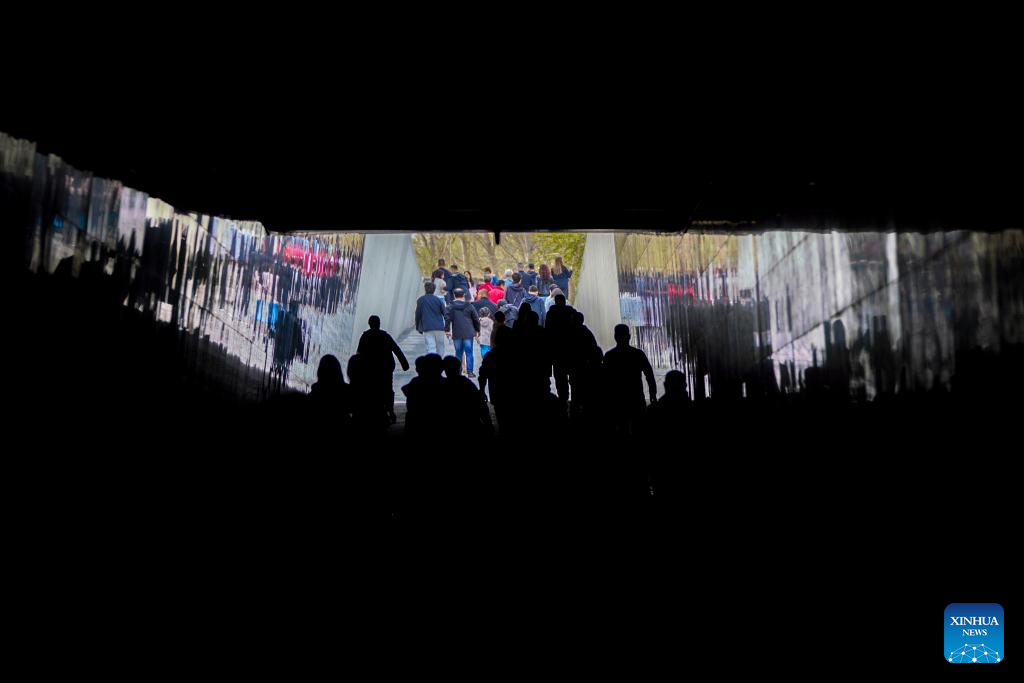
People visit the Exhibition Hall of Evidences of Crime Committed by Unit 731 of the Japanese Imperial Army in Harbin, capital of northeast China's Heilongjiang Province, May 2, 2026.
Sunday marks the 80th anniversary of the opening of the International Military Tribunal for the Far East, or the Tokyo Trials.
From May 3, 1946, to Nov. 12, 1948, the International Military Tribunal for the Far East was held in Tokyo by 11 countries, including the United States, China, the UK and the Soviet Union, to try Japan's Class-A war criminals after World War II.
During the trial some eighty years ago, the tribunal convicted 25 Class-A Japanese war criminals, with seven sentenced to death, including Hideki Tojo, the most atrocious war criminal who served as Japanese prime minister between 1941 and 1944. The proceedings, backed by extensive evidence, exposed the crimes of Japanese militarism and stood as a landmark victory of justice over aggression. (Xinhua/Wang Song)
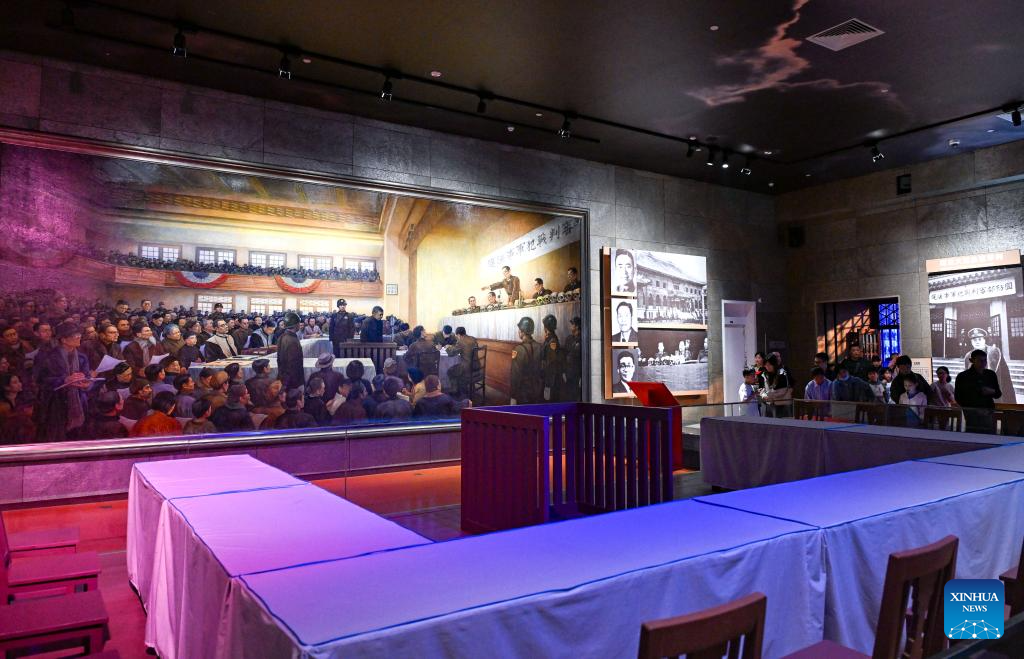
People visit an exhibition hall themed on the Tokyo Trials at the Memorial Hall of the Victims in Nanjing Massacre by Japanese Invaders in Nanjing, capital of east China's Jiangsu Province, May 2, 2026.
Sunday marks the 80th anniversary of the opening of the International Military Tribunal for the Far East, or the Tokyo Trials.
From May 3, 1946, to Nov. 12, 1948, the International Military Tribunal for the Far East was held in Tokyo by 11 countries, including the United States, China, the UK and the Soviet Union, to try Japan's Class-A war criminals after World War II.
During the trial some eighty years ago, the tribunal convicted 25 Class-A Japanese war criminals, with seven sentenced to death, including Hideki Tojo, the most atrocious war criminal who served as Japanese prime minister between 1941 and 1944. The proceedings, backed by extensive evidence, exposed the crimes of Japanese militarism and stood as a landmark victory of justice over aggression. (Photo by Yang Suping/Xinhua)
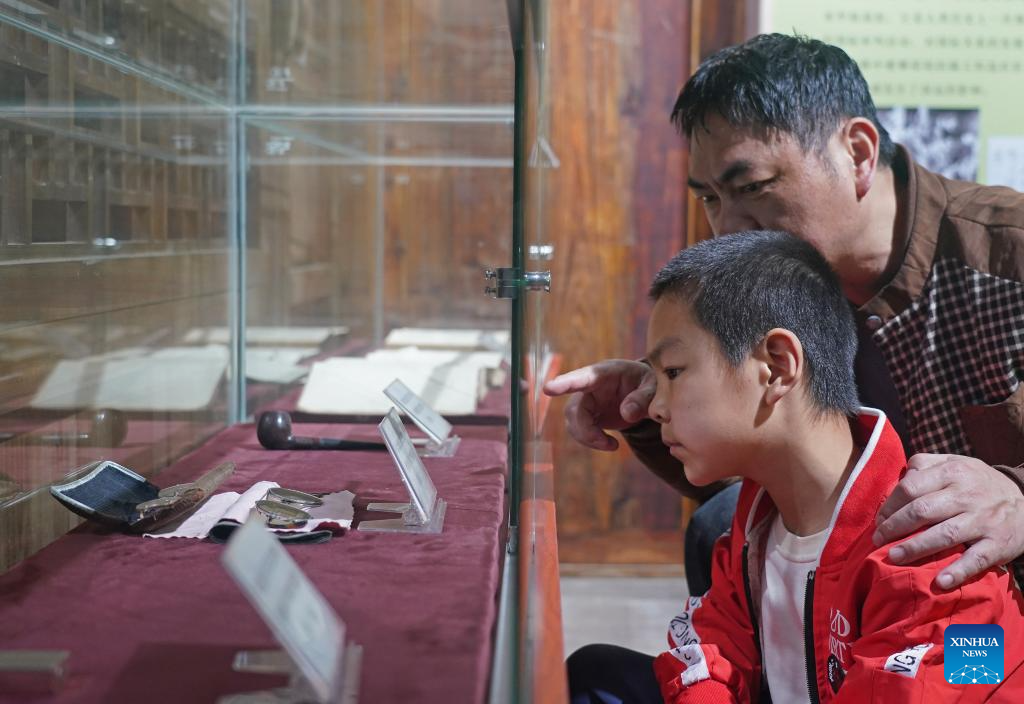
People visit the former residence of Mei Ru'ao, the Chinese judge at the Tokyo Trials, in Nanchang, capital of east China's Jiangxi Province, May 3, 2026.
Sunday marks the 80th anniversary of the opening of the International Military Tribunal for the Far East, or the Tokyo Trials.
From May 3, 1946, to Nov. 12, 1948, the International Military Tribunal for the Far East was held in Tokyo by 11 countries, including the United States, China, the UK and the Soviet Union, to try Japan's Class-A war criminals after World War II.
During the trial some eighty years ago, the tribunal convicted 25 Class-A Japanese war criminals, with seven sentenced to death, including Hideki Tojo, the most atrocious war criminal who served as Japanese prime minister between 1941 and 1944. The proceedings, backed by extensive evidence, exposed the crimes of Japanese militarism and stood as a landmark victory of justice over aggression. (Xinhua/Wan Xiang)
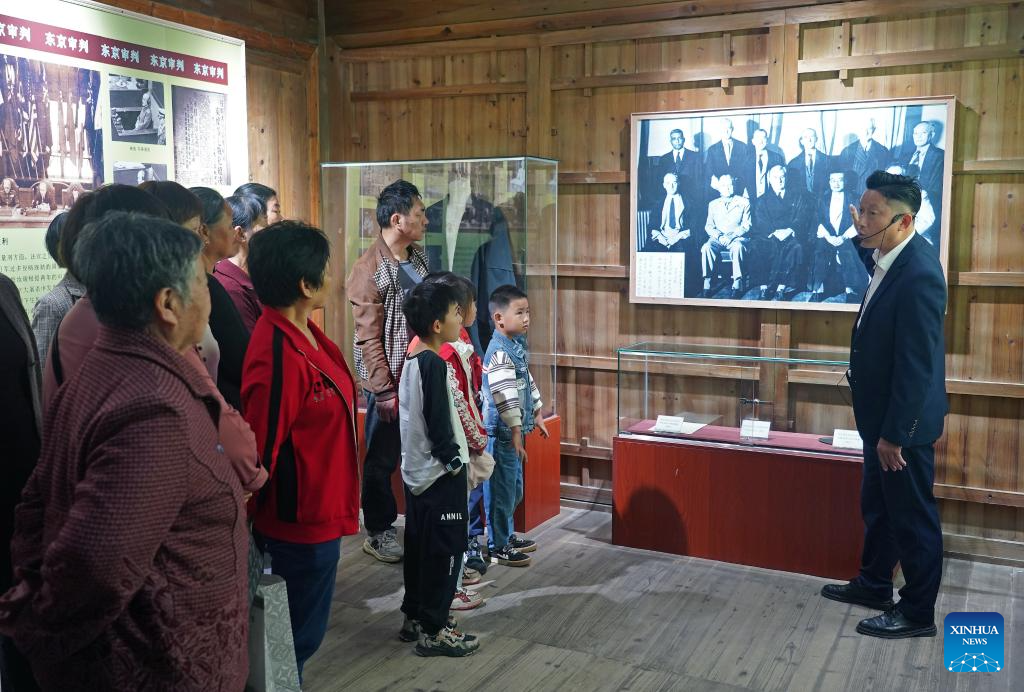
A docent briefs visitors on the Tokyo Trials at the former residence of Mei Ru'ao, the Chinese judge at the Tokyo Trials, in Nanchang, capital of east China's Jiangxi Province, May 3, 2026.
Sunday marks the 80th anniversary of the opening of the International Military Tribunal for the Far East, or the Tokyo Trials.
From May 3, 1946, to Nov. 12, 1948, the International Military Tribunal for the Far East was held in Tokyo by 11 countries, including the United States, China, the UK and the Soviet Union, to try Japan's Class-A war criminals after World War II.
During the trial some eighty years ago, the tribunal convicted 25 Class-A Japanese war criminals, with seven sentenced to death, including Hideki Tojo, the most atrocious war criminal who served as Japanese prime minister between 1941 and 1944. The proceedings, backed by extensive evidence, exposed the crimes of Japanese militarism and stood as a landmark victory of justice over aggression. (Xinhua/Wan Xiang)
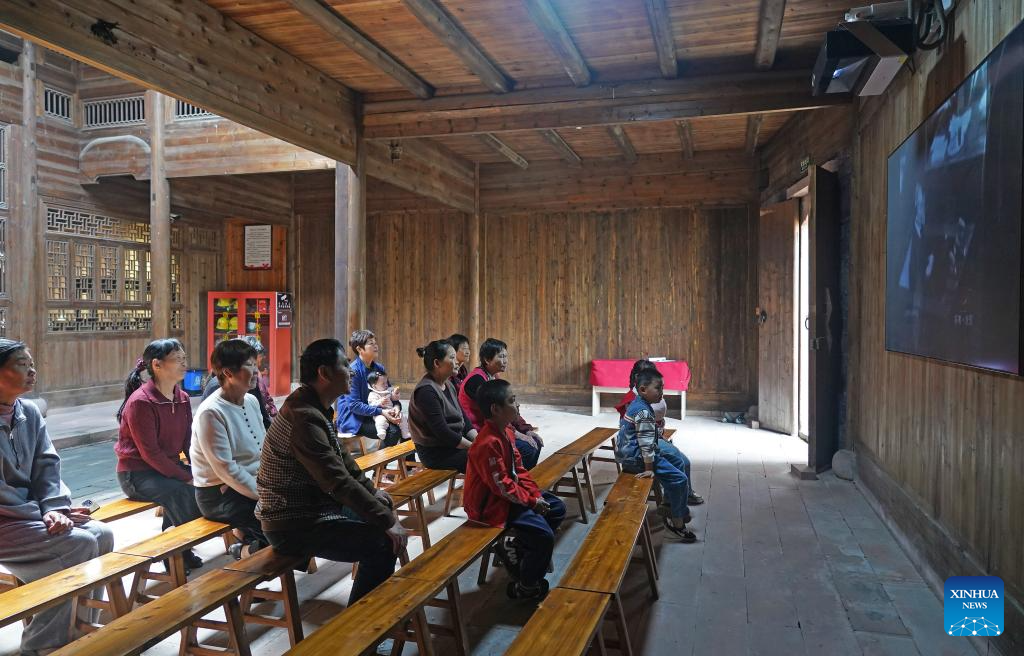
Visitors watch a documentary on the Tokyo Trials at the former residence of Mei Ru'ao, the Chinese judge at the Tokyo Trials, in Nanchang, capital of east China's Jiangxi Province, May 3, 2026.
Sunday marks the 80th anniversary of the opening of the International Military Tribunal for the Far East, or the Tokyo Trials.
From May 3, 1946, to Nov. 12, 1948, the International Military Tribunal for the Far East was held in Tokyo by 11 countries, including the United States, China, the UK and the Soviet Union, to try Japan's Class-A war criminals after World War II.
During the trial some eighty years ago, the tribunal convicted 25 Class-A Japanese war criminals, with seven sentenced to death, including Hideki Tojo, the most atrocious war criminal who served as Japanese prime minister between 1941 and 1944. The proceedings, backed by extensive evidence, exposed the crimes of Japanese militarism and stood as a landmark victory of justice over aggression. (Xinhua/Wan Xiang)


