With the United States and Iran still far apart on core demands, prospects for a comprehensive settlement remain uncertain even as regional and international actors intensify calls for de-escalation.
BEIJING, April 28 (Xinhua) -- Iran's new proposal to the United States to reopen the Strait of Hormuz and end the two-month war -- while postponing nuclear negotiations to a later stage -- has failed to produce any breakthrough in the bilateral diplomatic impasse amid mounting global calls for de-escalation.
According to U.S. media reports and officials familiar with the matter, the proposal, conveyed through Pakistani mediators, sets aside discussion of Iran's nuclear program until the conflict with the United States and Israel has ended, and the deadlock over shipping through the Strait of Hormuz is resolved.
It marks Tehran's latest attempt to break a diplomatic deadlock that has persisted despite a fragile ceasefire reached earlier this month.
According to U.S. online media outlet Axios, the new proposal is aimed at breaking the current stalemate in the talks and bypassing the internal disagreements within the Iranian leadership about the scope of nuclear concessions it is willing to make.
However, the latest proposal has received a cool response from Washington.
U.S. President Donald Trump discussed the proposal with his national security team on Monday, the White House confirmed. Trump was unhappy with the proposal because it postpones discussion of Iran's nuclear programs, an issue Washington insists must be addressed from the outset, Reuters reported, citing a U.S. official familiar with the matter.
Washington has repeatedly demanded that Tehran give up its stockpile of enriched uranium and suspend uranium enrichment as part of any broader settlement.
White House spokeswoman Olivia Wales said the United States "will not negotiate through the press" and the president has made his "red lines" clear to Tehran and the U.S. public.
The latest diplomatic push comes as the conflict has dramatically reshaped the regional security landscape and disrupted global energy supplies.
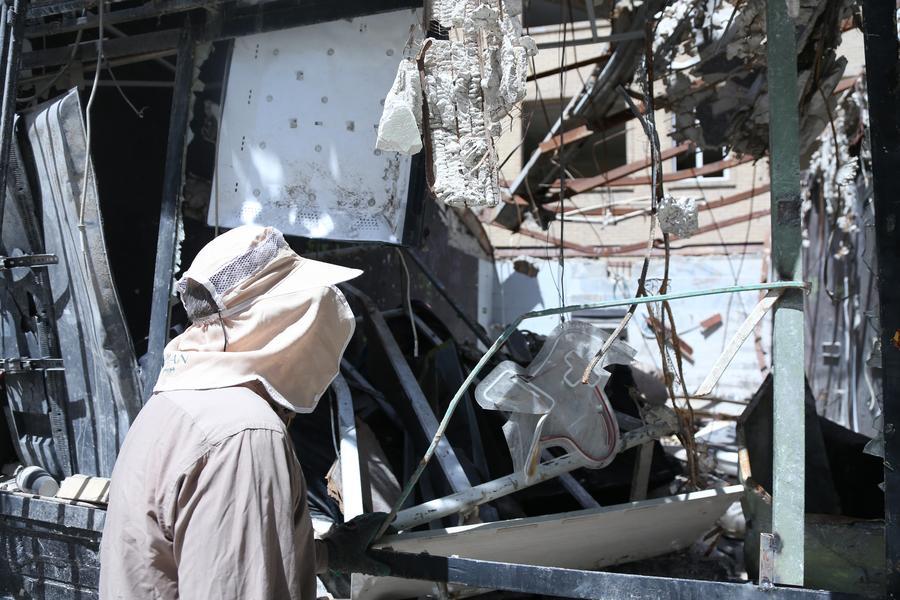
On Feb. 28, Israel and the United States launched joint attacks on Tehran and other Iranian cities, killing Iran's then Supreme Leader Ali Khamenei, senior commanders, and civilians. Iran responded with waves of missile and drone strikes targeting Israel and U.S. interests in the Middle East, and a tightened control over the Strait of Hormuz.
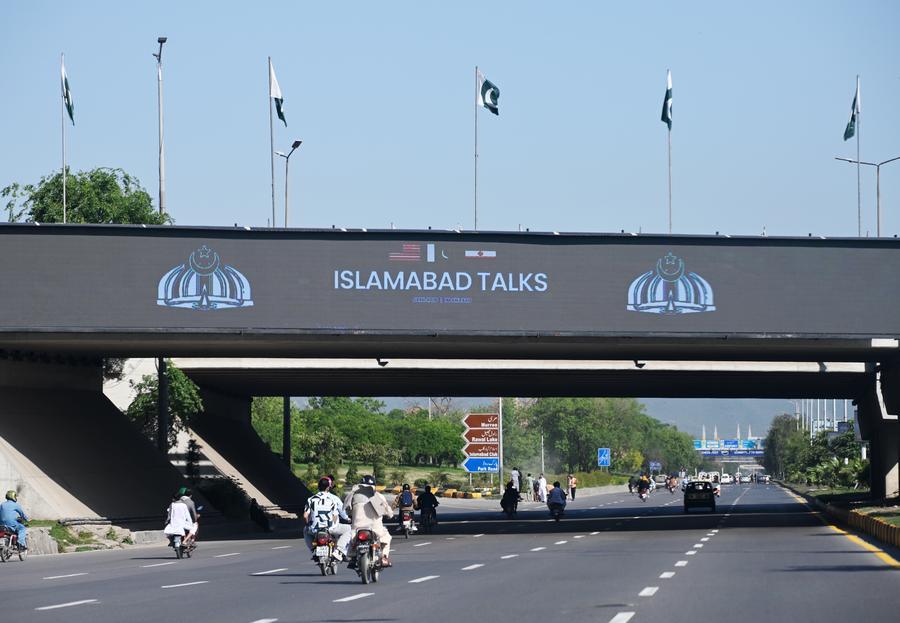
A ceasefire was achieved between the warring parties on April 8, followed by lengthy talks between Iranian and U.S. delegations in Pakistan's capital Islamabad, which failed to yield an agreement. The United States later imposed its own blockade on the waterway.
At least six tankers loaded with Iranian oil have been forced back to Iran by the U.S. blockade in recent days, Reuters reported, citing ship-tracking data. Iran's foreign ministry has condemned the seizures of Iran-linked vessels as "outright legalization of piracy and armed robbery on the high seas."
Iranian and U.S. delegations were reportedly expected to hold another round of peace talks in Pakistan last week, but the highly anticipated talks failed to materialize as Trump said Sunday that the United States would no longer send delegations for talks, adding that if Iran wanted talks, "they can come to us, or they can call us."
Iran also refrained from attending the negotiations, citing U.S. continued naval blockade and "excessive" demands as the main reasons.
Iranian President Masoud Pezeshkian said U.S. pressure and hostile actions are undermining trust and making progress toward renewed talks more difficult, according to a statement from his office early Sunday.
He added that Washington cannot pursue negotiations while increasing pressure on Iran, saying such actions "disrupt the necessary atmosphere" for diplomacy.
The diplomatic stalemate has sparked growing concern from the international community.
UN Secretary-General Antonio Guterres on Monday urged the reopening of the Strait of Hormuz during a UN Security Council open debate on the safety and protection of waterways in the maritime domain.
"Navigational rights and freedoms through the Strait of Hormuz must be respected ... These principles must be upheld in full, and without delay," Guterres said.
"I appeal to the parties: open the strait, let ships pass, no tolls, no discrimination, let trade resume, let the global economy breathe," he added.
Speaking during the meeting with Iranian Foreign Minister Seyed Abbas Araghchi in Saint Petersburg on Monday, Russian President Vladimir Putin said Moscow intends to continue developing strategic relations with Iran, is willing to make efforts to help secure peace in the Middle East at an early date, and hopes that the Iranian people will pass through the current period of trials and that peace will come.
Araghchi, for his part, blamed the slow pace of diplomacy on what he described as Washington's "destructive habits," including "its insistence on putting forward unreasonable demands, frequently changing positions, rhetoric of threat and recurrent breaking of promises."
With the United States and Iran still far apart on core demands, prospects for a comprehensive settlement remain uncertain even as regional and international actors intensify calls for de-escalation.■