The European Union has approved a 90-billion-euro (105 billion U.S. dollars) loan package for Ukraine, along with a 20th round of sanctions against Russia.
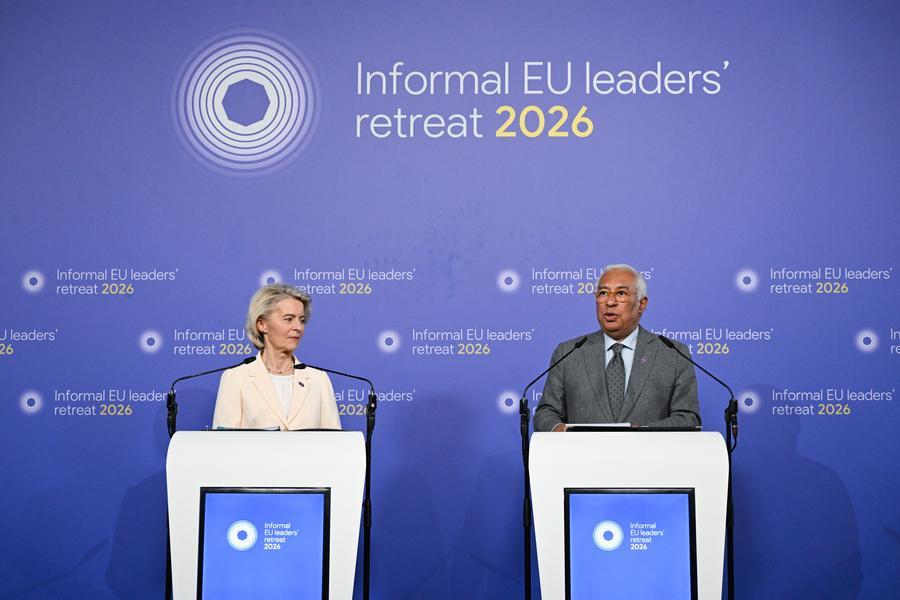
BRUSSELS, April 23 (Xinhua) -- European Council President Antonio Costa said on Thursday that the European Union (EU) has approved a 90-billion-euro (105 billion U.S. dollars) loan package for Ukraine, along with a 20th round of sanctions against Russia.
"The EU's strategy to achieve a just and lasting peace in Ukraine rests on two pillars: strengthening Ukraine; increasing pressure on Russia," he wrote on social media platform X.
According to a statement by the Council of the EU, the loan will cover Ukraine's most urgent budgetary and defence industrial capacity needs in 2026 and 2027 under a robust and conditional framework. Funding will be linked to strict conditions on Ukraine's side, such as adherence to the rule of law, including the fight against corruption.
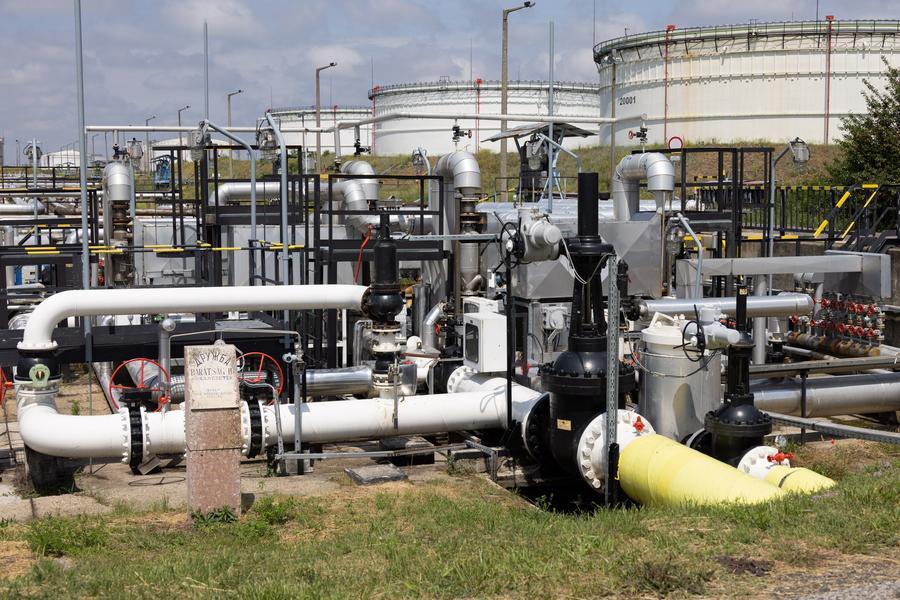
In February, the European Parliament voted in favor of the 90-billion-euro loan to meet Ukraine's financial needs for 2026 and 2027. However, some countries blocked the package, citing Ukraine's suspension of Russian oil transit via the Druzhba pipeline.
According to media reports, the Druzhba pipeline has resumed oil transit to Slovakia and Hungary.
The EU on Thursday also adopted the 20th round of sanctions against Russia centered on cutting its energy income, including by laying the groundwork for a future ban on maritime services for Russian crude oil and petroleum products, expanding restrictions on "shadow fleet," and tightening controls on tankers and liquefied natural gas (LNG) shipping, according to a press release from the Council of the EU.
The package introduces 36 designations across Russia's energy sector, from exploration and extraction to refining and transport. The bloc blacklisted 46 more vessels, bringing the total number targeted under shadow-fleet measures to 632, and imposed mandatory due-diligence checks on tanker sales to prevent Russia from expanding the fleet.
The measures further ban maintenance and other services for Russian LNG tankers and ice-breakers. Starting in January 2027, providing LNG terminal services to Russian entities, or firms owned or controlled by Russian nationals or operators, will also become illegal under EU regulations.
The EU additionally banned transactions with Russia's Murmansk and Tuapse ports and with the oil terminal of Indonesia's Karimun port, which the bloc claimed had been used to circumvent the oil price cap.
Beyond energy, the sanctions package also includes steps targeting Russian banks, crypto-related activity and trade.
The move comes ahead of an informal meeting of EU leaders in Cyprus on Thursday evening and Friday, with security challenges and energy issues expected to be high on the agenda.
There has been no response from Russia so far on the sanctions. ■