
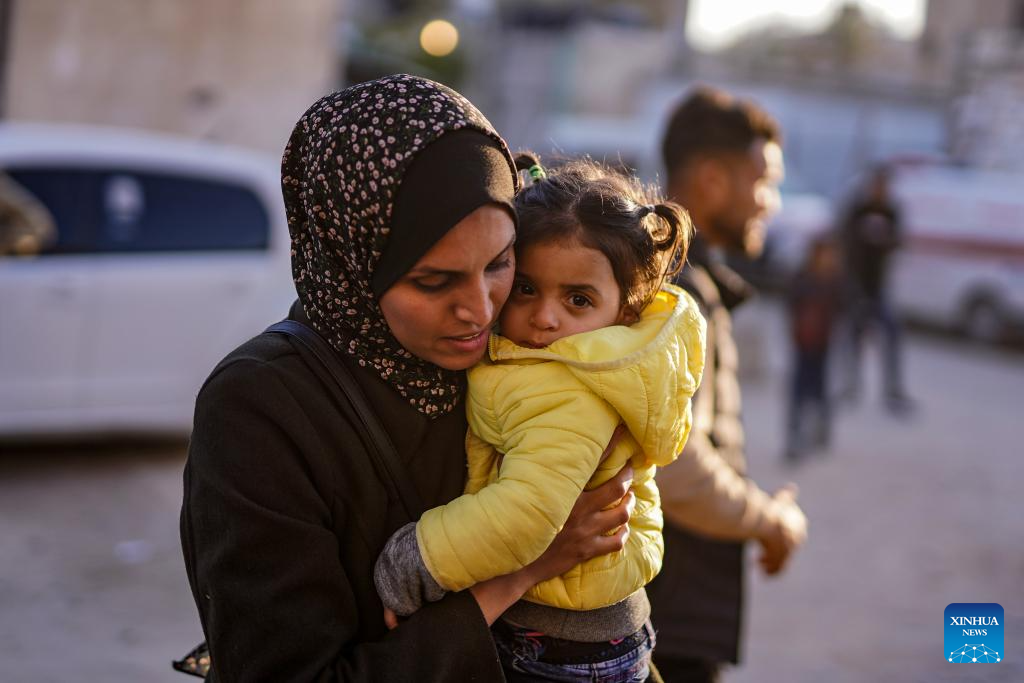
A Palestinian child who returned to the Gaza Strip is pictured at the Nasser Hospital in the southern Gaza Strip city of Khan Younis, on March 30, 2026. The UN Office for the Coordination of Humanitarian Affairs (OCHA) said the world body and its partners on Monday facilitated the return of 11 toddlers into the Gaza Strip through the Rafah crossing. The children were reunited with their families after having been medically evacuated from Al Shifa hospital as infants in November 2023, some while still in incubators. (Photo by Rizek Abdeljawad/Xinhua)
UNITED NATIONS, March 31 (Xinhua) -- Fighting along the Israel-Lebanon border has intensified amid wider Middle East hostilities, worsening a severe humanitarian situation in Lebanon as dire conditions continue in Gaza, a UN spokesman said Tuesday.
"Our colleagues on the ground report intensified exchanges of fire across the Blue Line between Hezbollah and Israel, strikes across Lebanon and deeper Israeli troop deployments," said Stephane Dujarric, chief spokesperson for the UN secretary-general.
Dujarric said the escalation has taken a heavy toll on civilians and civilian infrastructure, particularly in southern Lebanon, while northern Israel has also seen renewed deaths, destruction, displacement and widespread fear.
More than 1.1 million people have registered as displaced persons within Lebanon, the spokesperson said.
Damage to key roads in the Bekaa Valley and the destruction of bridges over the Litani River in recent days have left parts of southern Lebanon nearly cut off from the rest of the country. As access routes are severed and the buffer zone expands, residents who remain face growing isolation and limited access to safety and essential services.
The fighting has also driven population movements into Syria. Syrian authorities reported that more than 200,000 people have entered Syria through three official border points from Lebanon.
The UN Office for the Coordination of Humanitarian Affairs (OCHA) said the movements are taking place amid heavy rains since mid-March, which have caused widespread flooding in the northern and eastern governorates of Aleppo, Idleb, Raqqa, Al Hasakah and Deir al-Zour.
More than 19,000 people were affected in Aleppo and Idleb, with more than 3,400 shelters damaged and hundreds destroyed. In Al Hasakah, at least 6,000 people were displaced after homes and camps were flooded.
OCHA said its partners and local authorities are providing tents, blankets and emergency support, while health teams are assisting displaced families in Al Hasakah City and districts where water contamination and cold exposure pose serious risks.
In the occupied Palestinian territory, OCHA said the world body and its partners on Monday facilitated the return of 11 toddlers into the Gaza Strip through the Rafah crossing. The children were reunited with their families after having been medically evacuated from Al Shifa hospital as infants in November 2023, some while still in incubators.
The World Health Organization also reported supporting the medical evacuation of 19 patients requiring treatment unavailable in the Gaza Strip.
The office said deteriorating living conditions in the strip are driving an increase in skin diseases such as scabies, while rodents infest tents in search of food. Sanitation partners are expanding hygiene kit distribution, but shortages of chemicals and pest control materials persist.
The UN Office for Project Services said it facilitated the delivery of 400 tonnes of humanitarian aid to Gaza via the Cyprus Maritime Corridor, including urgently needed mattresses and incubators for pediatric wards.
The UN Development Programme (UNDP) has warned of severe economic consequences of the escalation of violence in the Middle East.
New UNDP estimates suggest the crisis could cost Middle Eastern economies between 3.7 percent and 6 percent of their combined gross domestic product, a loss of 120 billion to 194 billion U.S. dollars.
UNDP said unemployment could rise by up to 4 percentage points, translating into 3.6 million jobs lost and pushing as many as 4 million people into poverty.
In a separate report, UNDP said disruptions to daily life and economic activity in Iran could push a significant share of the population into poverty, reversing socioeconomic gains. Iran's Human Development Index is projected to fall by about 0.5 percent, equivalent to losing one to one-and-a-half years of human development progress. ■
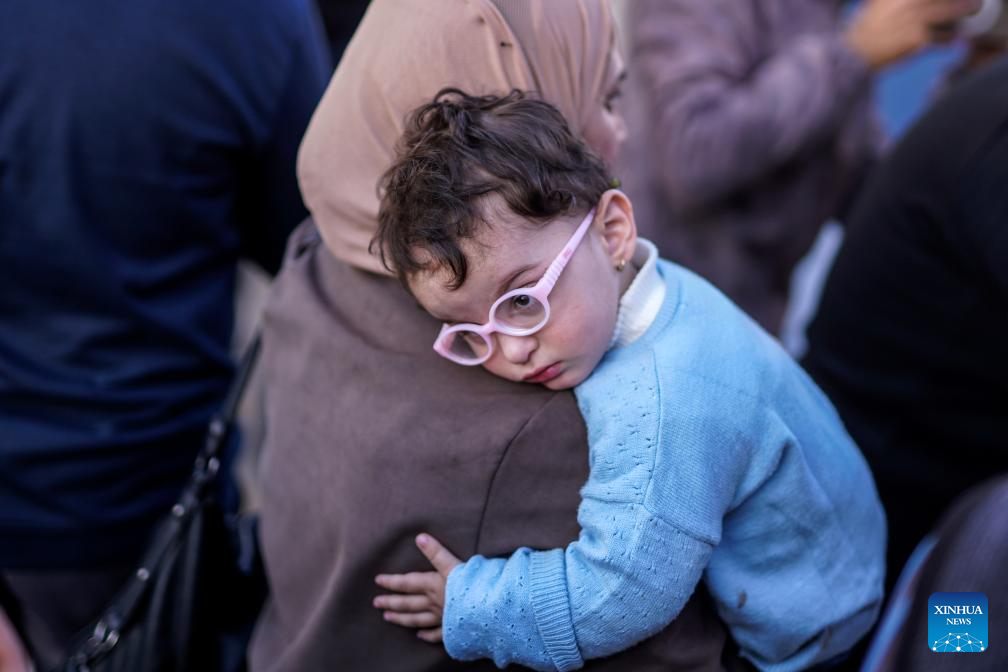
A Palestinian child who returned to the Gaza Strip is pictured at the Nasser Hospital in the southern Gaza Strip city of Khan Younis, on March 30, 2026.
The UN Office for the Coordination of Humanitarian Affairs (OCHA) said the world body and its partners on Monday facilitated the return of 11 toddlers into the Gaza Strip through the Rafah crossing. The children were reunited with their families after having been medically evacuated from Al Shifa hospital as infants in November 2023, some while still in incubators. (Photo by Rizek Abdeljawad/Xinhua)
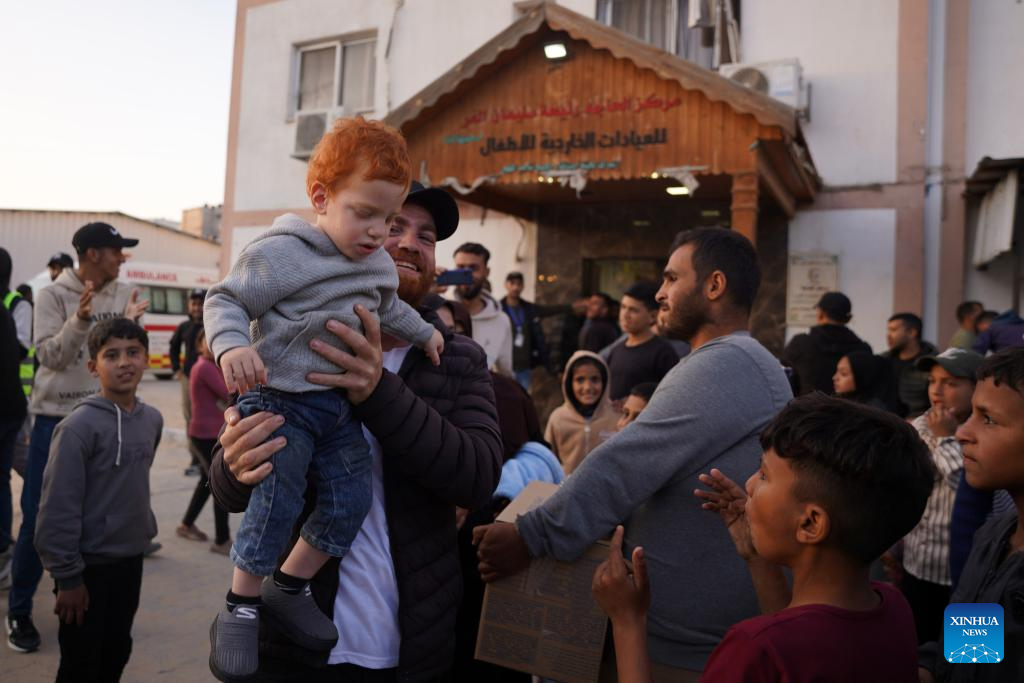
A Palestinian child who returned to the Gaza Strip is pictured at the Nasser Hospital in the southern Gaza Strip city of Khan Younis, on March 30, 2026.
The UN Office for the Coordination of Humanitarian Affairs (OCHA) said the world body and its partners on Monday facilitated the return of 11 toddlers into the Gaza Strip through the Rafah crossing. The children were reunited with their families after having been medically evacuated from Al Shifa hospital as infants in November 2023, some while still in incubators. (Photo by Rizek Abdeljawad/Xinhua)
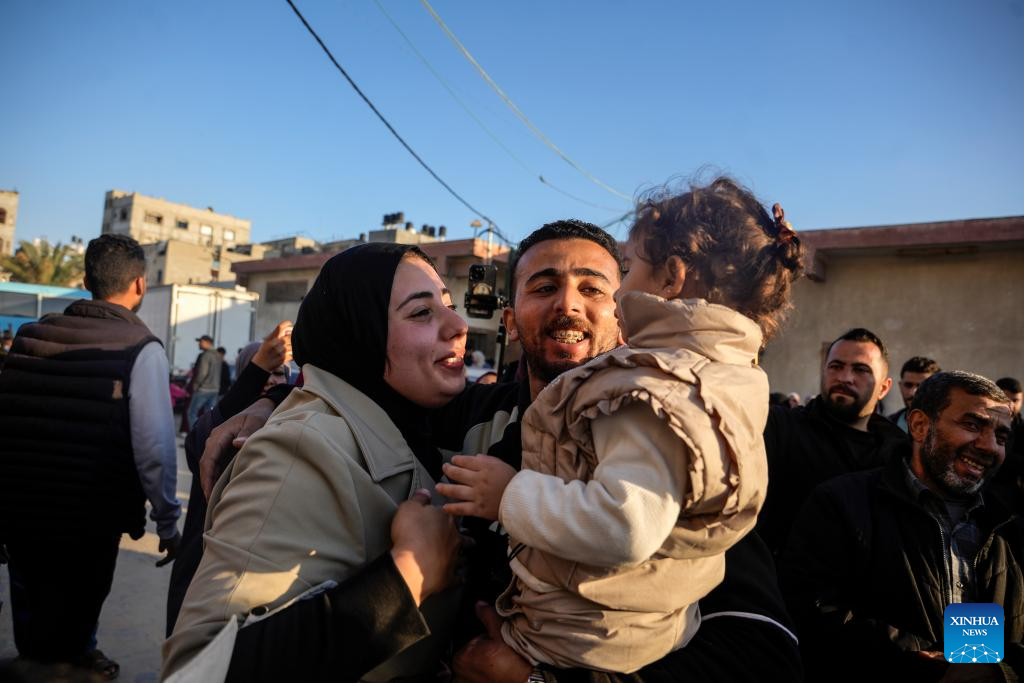
A Palestinian child who returned to the Gaza Strip is pictured at the Nasser Hospital in the southern Gaza Strip city of Khan Younis, on March 30, 2026.
The UN Office for the Coordination of Humanitarian Affairs (OCHA) said the world body and its partners on Monday facilitated the return of 11 toddlers into the Gaza Strip through the Rafah crossing. The children were reunited with their families after having been medically evacuated from Al Shifa hospital as infants in November 2023, some while still in incubators. (Photo by Rizek Abdeljawad/Xinhua)
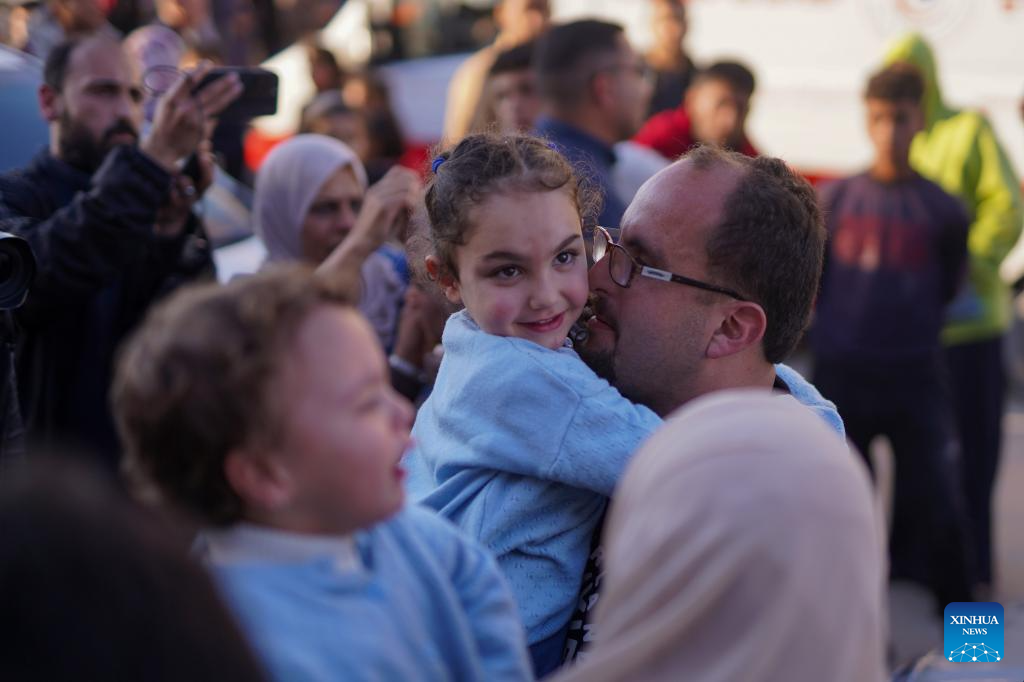
Palestinian children who returned to the Gaza Strip are pictured at the Nasser Hospital in the southern Gaza Strip city of Khan Younis, on March 30, 2026.
The UN Office for the Coordination of Humanitarian Affairs (OCHA) said the world body and its partners on Monday facilitated the return of 11 toddlers into the Gaza Strip through the Rafah crossing. The children were reunited with their families after having been medically evacuated from Al Shifa hospital as infants in November 2023, some while still in incubators. (Photo by Rizek Abdeljawad/Xinhua)


