
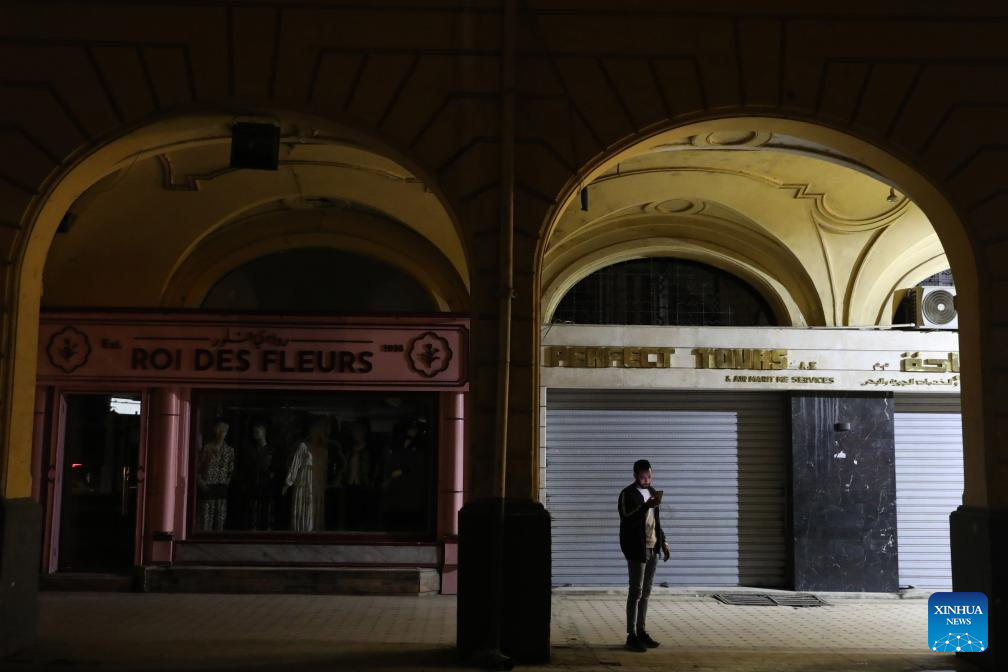
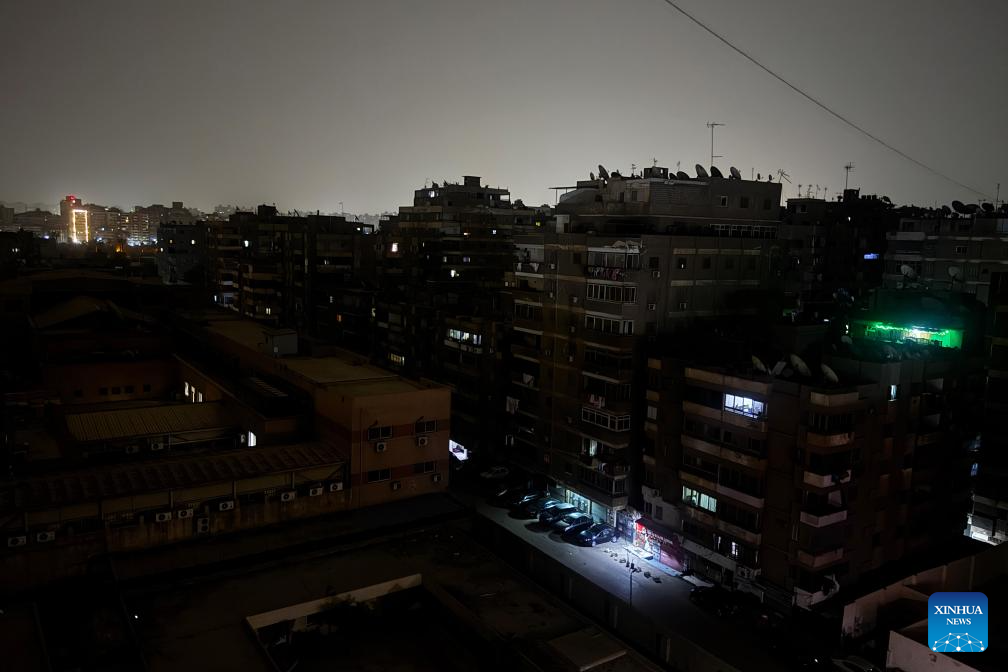
This photo taken on March 30, 2026 shows a night view of a street in Cairo, Egypt. (Xinhua/Ahmed Gomaa)
CAIRO, March 31 (Xinhua) -- The streets of Maadi, a leafy Cairo district known for its bustling boutique shops and cafes, are normally bright with activity well past midnight. But now, they are unusually quiet.
Abdel-Rahman Mohamed, who runs a mobile phone store in the neighborhood, flipped off his lights before 9 p.m., earlier than he has in years.
"Cairo is a city that never sleeps," Mohamed said. "But today we are forced into early silence."
The early closures are part of a sweeping new government mandate requiring shops, malls, and industrial facilities nationwide to shut their doors by 9 p.m. Officials say the move is a necessary response to soaring energy costs, a severe economic strain directly linked to the escalating regional conflict involving Iran, Israel, and the United States.
Israeli natural gas normally accounts for nearly 20 percent of Egypt's total consumption, but those flows have been halted since U.S. and Israeli strikes on Iran began on Feb. 28. The strikes have prompted missile exchanges and forced the closure of the Strait of Hormuz, sending global energy markets into turmoil.
The resulting crisis has battered Egypt's fragile economy. Prime Minister Mostafa Madbouly recently disclosed that the country's monthly energy bill had more than doubled, rising to 2.5 billion U.S. dollars from 1.2 billion dollars.
Heavily reliant on fuel imports and already grappling with depleted foreign currency reserves, Egypt has responded with sharp austerity measures. Fuel allocations for government vehicles have been cut by 30 percent, and major public projects have been paused. A mandatory remote-work policy for government employees now applies every Sunday.
But it is the 9 p.m. closure order that has most visibly altered the rhythm of daily life, darkening streets that have for generations come alive after dusk.
For many residents, the changes are deeply personal. Yassin Sami, 28, the owner of an electronics shop, had been planning his wedding for mid-April. He now fears the celebration cannot proceed under the new measures.
"How can you hold a wedding that ends before it even begins?" Sami asked, adding that ordinary Egyptians are bearing the cost of a war started elsewhere.
The government has strategically spared the tourism sector, keeping the lights on in resort towns and historic centers like Hurghada, Sharm el Sheikh, Luxor, and Aswan, destinations that generated around 16.7 billion dollars in much-needed foreign currency last year.
Outside those enclaves, however, rising metro fares and fuel prices are adding severe strain to household budgets.
"Every increase in a ticket price or a liter of fuel means a direct deduction from our families' food and medicine budgets," said Mohamed Hani, a cafe owner in central Cairo, looking out at a sea of mostly empty evening tables.
Economists remain divided on the long-term impact. Abu Bakr al-Deeb, a researcher at the Cairo-based Arab Center for Research and Studies, called the closures a strategic necessity to relieve pressure on the national power grid. But he cautioned that the abbreviated evenings would likely shrink consumer spending, particularly punishing the restaurant and entertainment sectors.
For now, Cairo is navigating an unfamiliar reality: a metropolis moving through remarkably quiet nights, its neon glow dimmed not by choice, but by forces far beyond its borders. ■
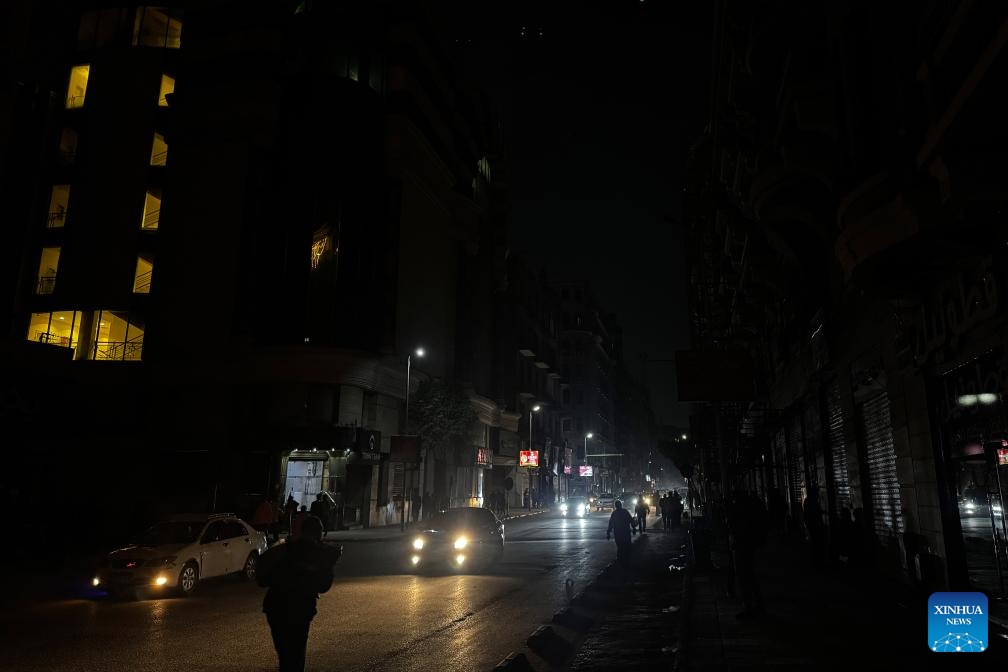
This photo taken on March 30, 2026 shows a night view of a street in Cairo, Egypt. (Xinhua/Ahmed Gomaa)
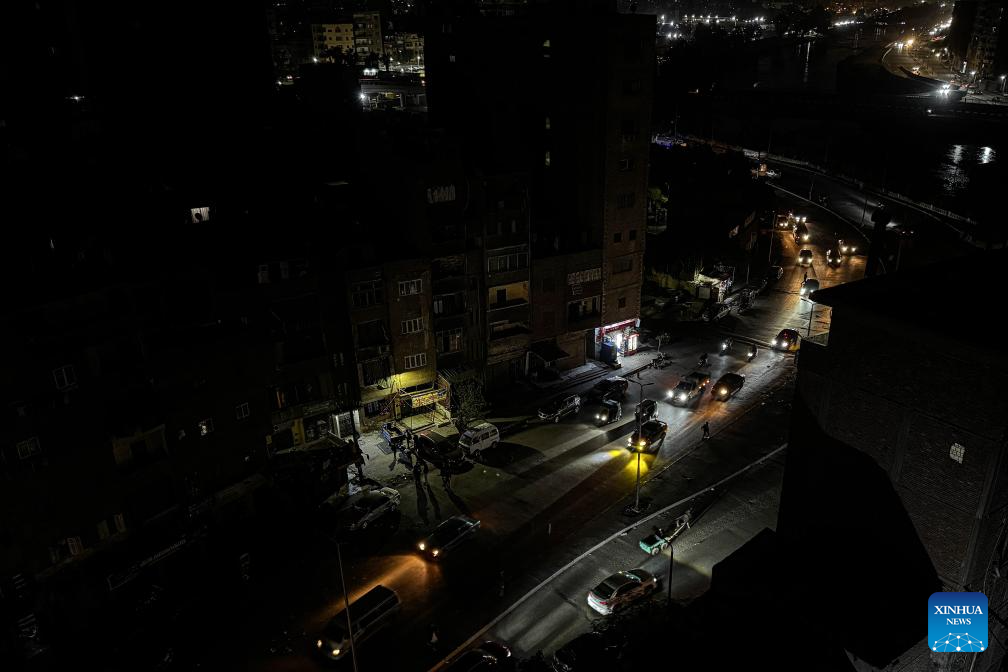
This photo taken on March 30, 2026 shows a night view of a street in Cairo, Egypt. (Xinhua/Ahmed Gomaa)
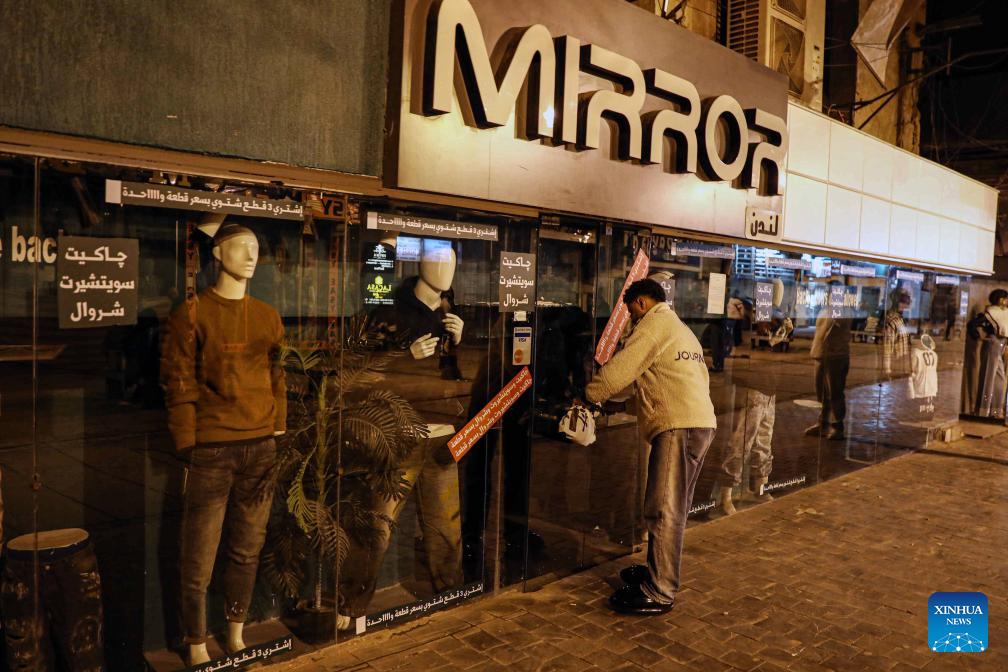
A man closes the door of a shop in Cairo, Egypt, March 30, 2026. (Xinhua/Ahmed Gomaa)
This photo taken on March 30, 2026 shows a night view of a street in Cairo, Egypt. (Xinhua/Ahmed Gomaa)


