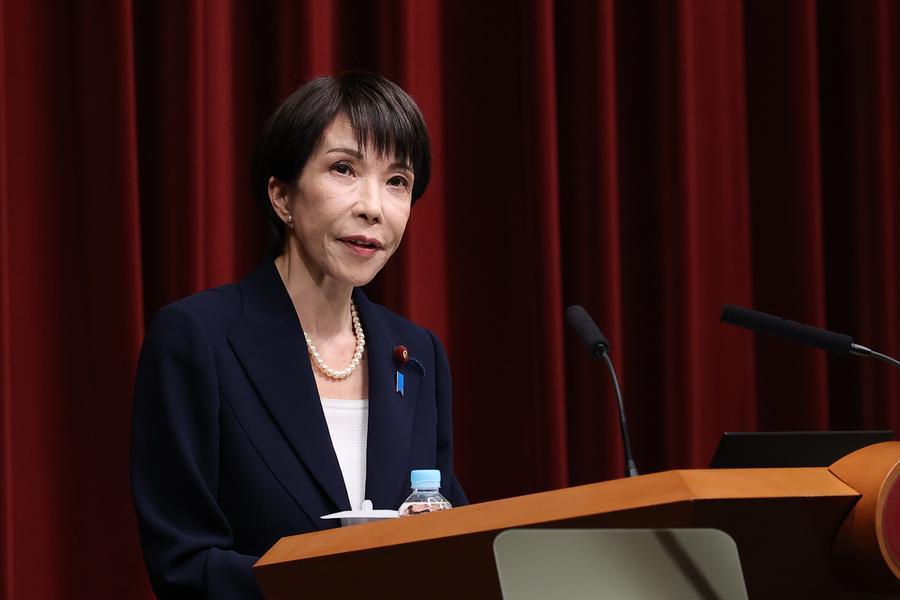
TOKYO, March 17 (Xinhua) -- Japan has no plan to dispatch naval vessels for escort missions in the Middle East, Prime Minister Sanae Takaichi said on Monday, after U.S. President Donald Trump demanded in a social media post that nations, including Japan, deploy warships to the Strait of Hormuz to keep the vital oil shipping route "open and safe."
Despite the remarks, Japanese media and analysts say that the U.S. request has placed the Takaichi administration in a difficult position.
On the one hand, it's hard for the prime minister to reject Washington outright, given the importance of the Japan-U.S. alliance. On the other hand, sending Self-Defense Forces (SDF) vessels to the region would face significant legal, diplomatic and security hurdles. Some observers have described the U.S. demand as a "suicidal proposition."
How Takaichi responds to Washington's call has sparked growing concern within Japan.
CAUGHT IN AN UNCOMFORTABLE BIND
Speaking during a parliamentary session on Monday, Takaichi said no decision had been made on whether to dispatch SDF vessels. She added that the United States has not made a formal request, and that the government is examining what Japan itself should do and what can be done within the legal constraints.
Analysts say both the Japanese government and the ruling coalition remain cautious about joining the escort operations. Torn between the reluctance to be drawn into the Middle East conflict and the pressure of U.S. demands, the Takaichi administration is caught in an uncomfortable bind.
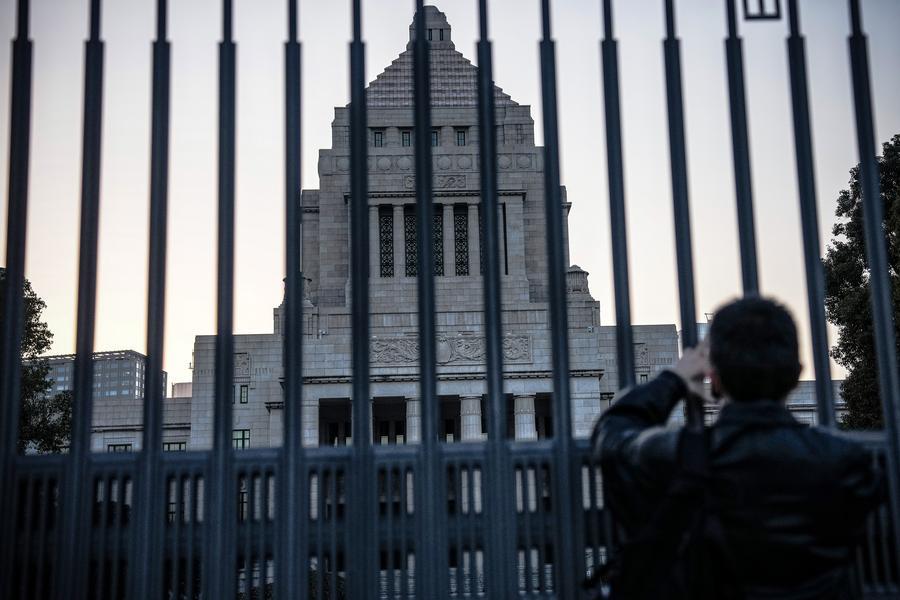
Takayuki Kobayashi, policy chief of the ruling Liberal Democratic Party, called for a "careful" decision last Sunday, adding that the threshold for dispatching SDF vessels as expected by Trump is "very high."
Japanese media widely believe that the Strait of Hormuz issue is likely to be a key topic when Takaichi is scheduled to visit the United States later this week, raising questions about how she will respond if Trump presses the issue directly.
Mitsunari Okamoto, policy chief of major opposition party Centrist Reform Alliance, said he hopes Takaichi will not make any "rash promises" on matters that Japan may not be able to fulfill.
Taku Yamazoe, policy chief of the Japanese Communist Party, said Japan should avoid making commitments at the summit with the U.S. president and instead should urge the United States to stop its attacks on Iran.
MULTIPLE HURDLES
Analysts say the U.S. request has effectively placed Tokyo in a dilemma. If Japan complies with Washington's call, it could face legal, diplomatic and security complications.
First, there are legal issues. Some Japanese media outlets have pointed out that any deployment under the new security laws passed in 2015 would require the government to determine two key issues: whether Iran's blockade of the Strait of Hormuz constitutes a "survival-threatening situation" for Japan, and how to assess the nature of the U.S. military strike against Iran.
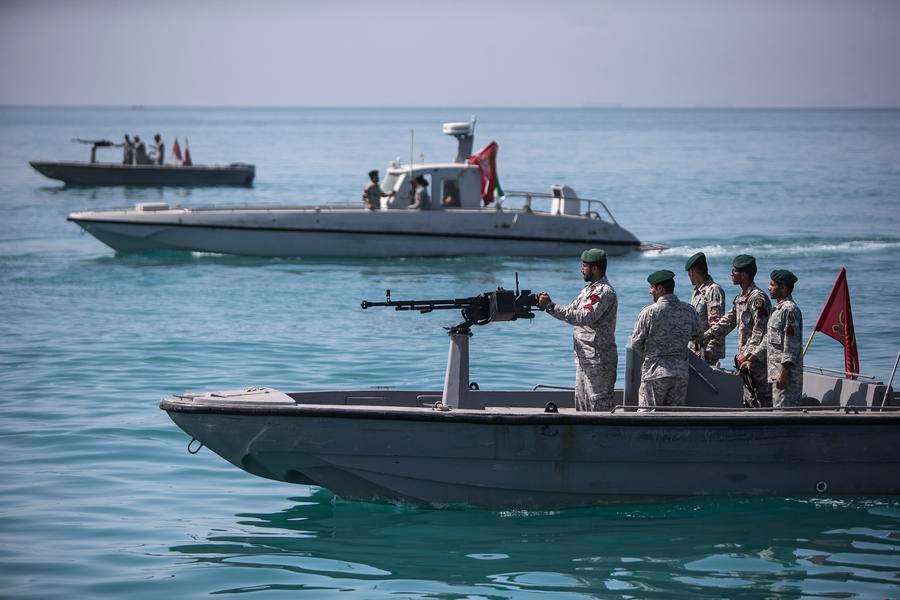
Chief Cabinet Secretary Minoru Kihara said at a press conference on March 11 that the Japanese government has not determined that the current situation involving Iran constitutes such a crisis threatening the nation's survival. At the same time, Tokyo has avoided stating whether the U.S. attack on Iran complies with international law.
The Nikkei newspaper noted that the "legal threshold is extremely high" for Japan to carry out escort operations in the Strait of Hormuz under current conditions.
Diplomatic considerations also complicate the issue. In 2019, when oil tankers were attacked in the Strait of Hormuz, the United States attempted to form a multinational escort coalition and asked Japan for support. Shinzo Abe, then prime minister, declined the request, with the cabinet saying that while Japan maintains an alliance with the United States, it has also long preserved friendly relations with Iran.
Japanese media now warn that joining a U.S.-led escort mission would effectively treat Iran, once regarded as a friendly partner, as an adversary, marking a major shift in Japan's Middle East diplomacy.
Security concerns form another major barrier. Japanese commentator Hiroshi Minegishi noted that even large Japanese vessels such as destroyers could be vulnerable to attacks by high-speed boats in the current conflict environment. Escort operations would carry extremely high risks, and some officials within the government have reportedly described the mission as a "suicidal task."
DILEMMA OF JAPAN'S OWN MAKING
Observers believe Tokyo's current predicament is the result of its long-standing policy of closely aligning with Washington to pursue its own strategic interests, highlighting its double standards and hypocrisy.
Japan has treated the Japan-U.S. alliance as the cornerstone of its diplomatic and security policies, relying on the partnership with Washington to strengthen its military capabilities and even attempt to revise its pacifist constitution in order to completely break free from the constraints of the post-war order.
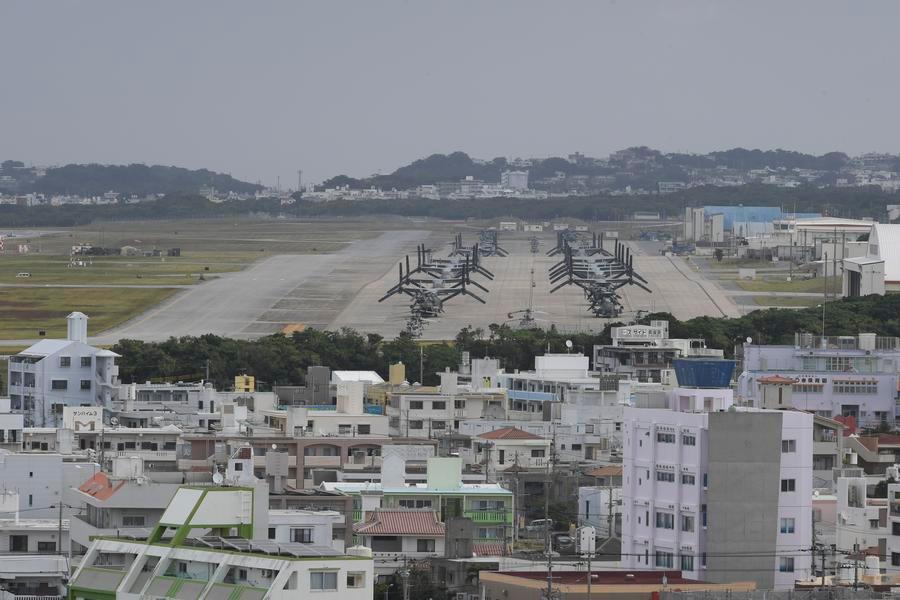
Such dependence on the alliance, analysts say, leaves Tokyo reluctant to openly reject U.S. demands, even when dispatching the Japan Self-Defense Forces to the Strait of Hormuz would involve significant risks.
Critics have also pointed to contradictions in Tokyo's rhetoric. The Japanese government frequently emphasizes the importance of a "free and open international order based on the rule of law," yet it has avoided making a legal judgment on the U.S. attack against Iran, which many observers consider a violation of international law.
Historically, Japan has used overseas missions linked to conflicts such as the Gulf War, the War in Afghanistan and the Iraq War to expand the operational scope of its SDF, often in relatively safe areas. Critics say such deployments gradually eroded the "exclusively defensive" principle embedded in Japan's pacifist constitution.
Some Japanese commentators warn that sending SDF to escort ships in the Middle East would effectively breach Japan's long-standing peace principle.
Kozo Akino, head of the policy research council of the Komeito party, stressed that any Japanese action "must not be perceived as support for war."■