Israel begins new "wide-scale" strikes on Iran after activating alarms of missile attacks
The Israeli military said it began a new "wide-scale wave of strikes" on Iran early on Thursday, minutes after alarms were activated across Israel warning of missile attacks from Iran.
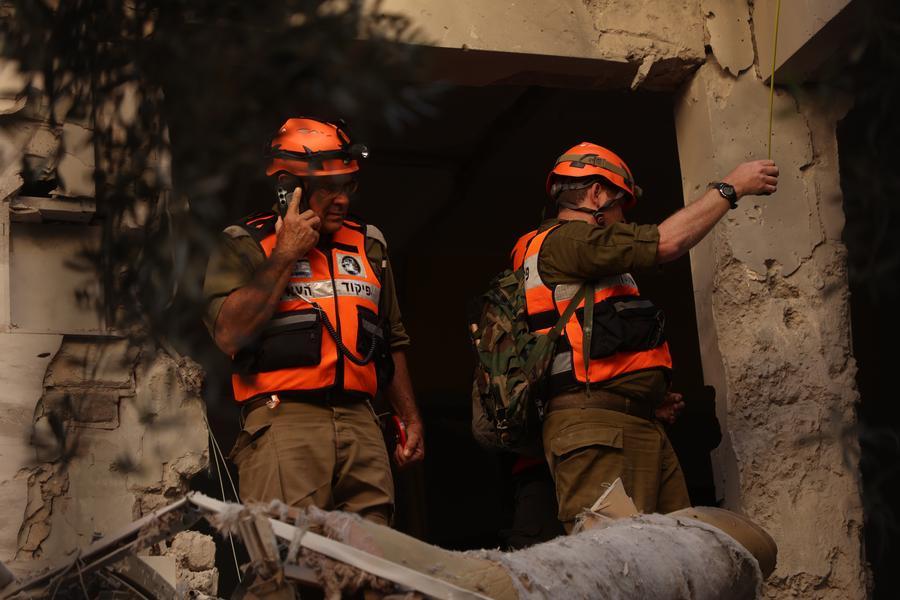
Residents in Tel Aviv reported loud blasts as Israel's state-owned Kan TV news said debris hit several locations in the area. The country's rescue service, Magen David Adom, said its teams were on their way to search for possible injuries at sites where missile hits or fragments had been reported.
The attacks followed large-scale Israeli airstrikes on Beirut's southern suburbs on Wednesday night, while Hezbollah targeted northern Israel for hours with rocket barrages.
UN Security Council fails to pass resolution calling for immediate halt of military activities in Middle East
The UN Security Council on Wednesday failed to pass a draft resolution urging all parties to immediately stop their military activities and refrain from further escalation in the Middle East and beyond and condemning all attacks against civilians and civilian infrastructure.
The council rejected the draft resolution, sponsored by Russia, with four votes in favor, two against and nine abstentions. Russia, China, Pakistan and Somalia voted for the draft resolution, while the United States and Latvia voted against it.
"We're deeply disappointed," said Vassily Nebenzia, Russia's permanent representative to the United Nations, noting that many council members were not able to muster enough strength and wisdom to pass the text his country proposed.
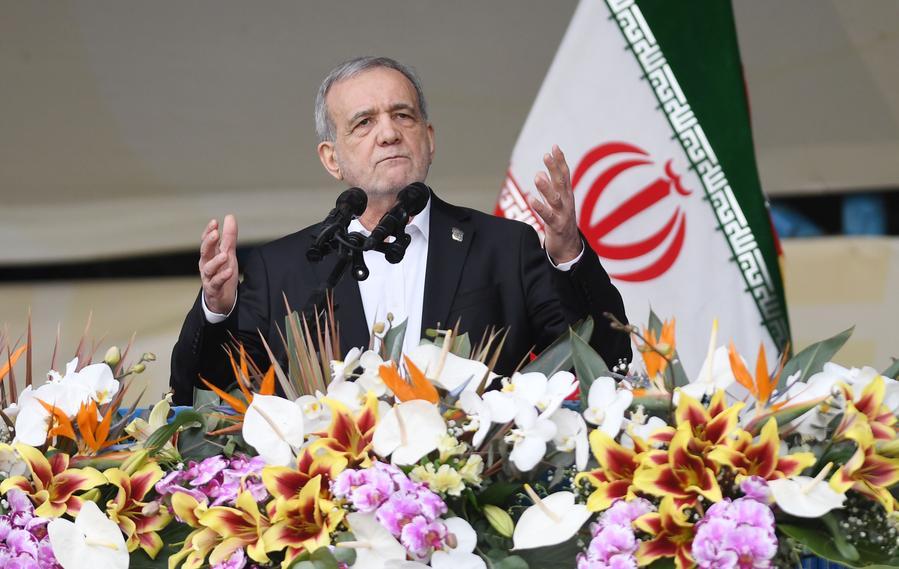
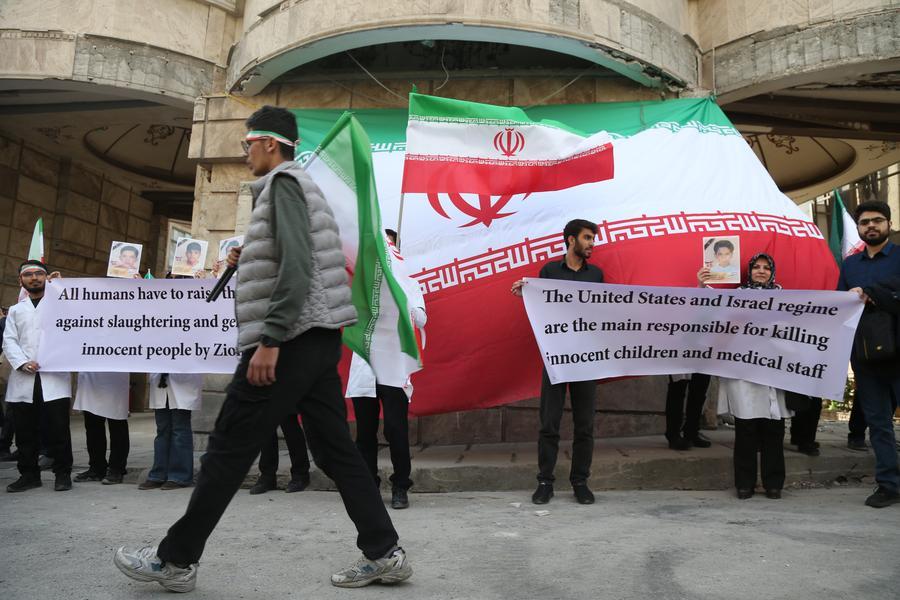
Iranian president lists preconditions for ending war with U.S., Israel
Iranian President Masoud Pezeshkian said on Wednesday that the only way to end its war with the United States and Israel "is recognizing Iran's legitimate rights, payment of reparations, and firm international guarantees against future aggression."
In a post on social media platform X, Pezeshkian voiced "Iran's commitment to peace in the region."
Earlier in the day, Iranian armed forces warned that they would launch massive retaliation if the United States were to strike Iran's ports.
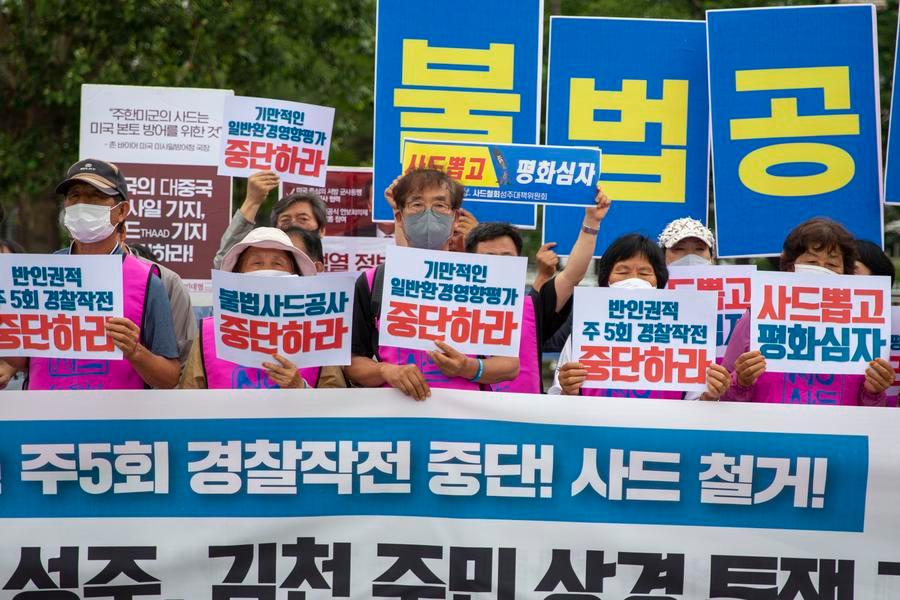
U.S. forces in S. Korea preparing to relocate THAAD interceptors to Middle East: media
U.S. forces in South Korea were preparing to relocate interceptor missiles of the Terminal High Altitude Area Defense (THAAD) battery to the Middle East, a local newspaper said Wednesday.
An unidentified high-ranking South Korean government official was quoted by Dong-A Ilbo as saying that the THAAD interceptor missiles had been moved to the Osan Air Base in Pyeongtaek, about 70 km south of the capital Seoul, from Seongju county, North Gyeongsang province.
It was seen as the U.S. Forces Korea (USFK) making preparations to redeploy the missiles to the Middle East, another official noted.
According to the Washington Post, the Pentagon was moving parts of a THAAD battery from South Korea to the Middle East while drawing from its supply of Patriot interceptors in the so-called Indo-Pacific region and elsewhere.

Macron calls to avoid oil, gas export restrictions amid Mideast conflict
French President Emmanuel Macron called for avoiding any export restrictions on oil and gas at the Group of Seven (G7) leaders' videoconference on Wednesday.
The leaders met via videoconference to discuss the economic consequences of the conflict between the United States, Israel and Iran, notably the surging crude prices and possible measures to mitigate its impact, according to the Elysee Palace.
At the opening of the videoconference, Macron called on other countries to "refrain from imposing any restrictions on oil and gas exports" that could destabilize markets.■