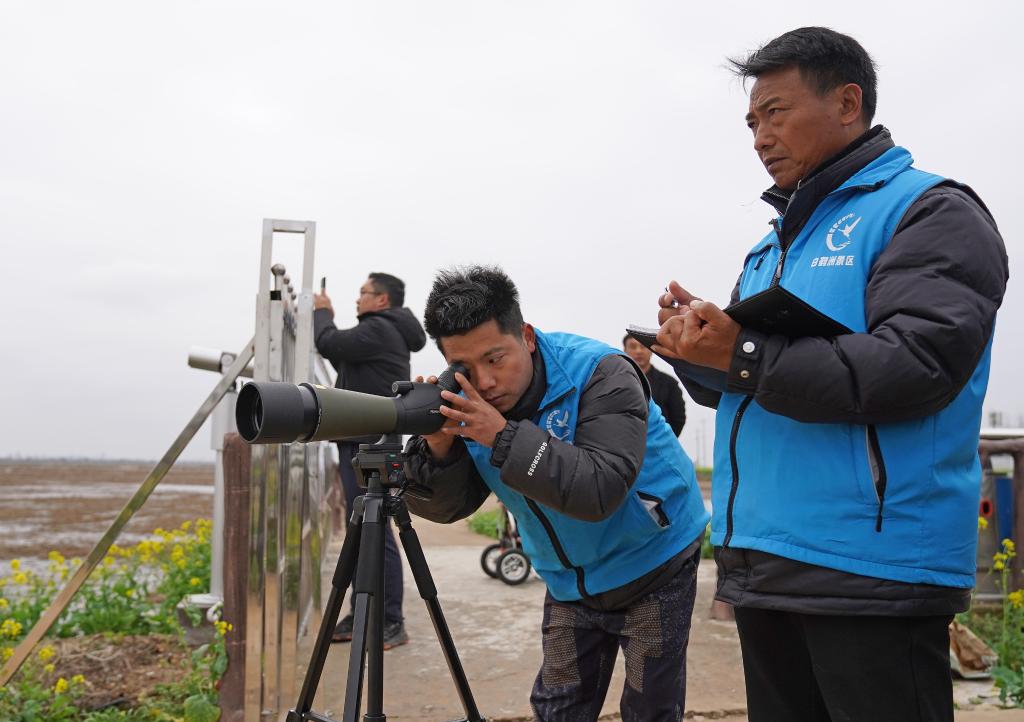
NANCHANG, March 11 (Xinhua) -- Poyang Lake, China's largest freshwater lake, sits in east China's Jiangxi Province. It is a vital wintering and stopover site along the East Asian-Australasian Flyway. Every winter, thousands of Siberian cranes, a critically endangered species, gather in Yugan County, which lies to the southeast of the lake.
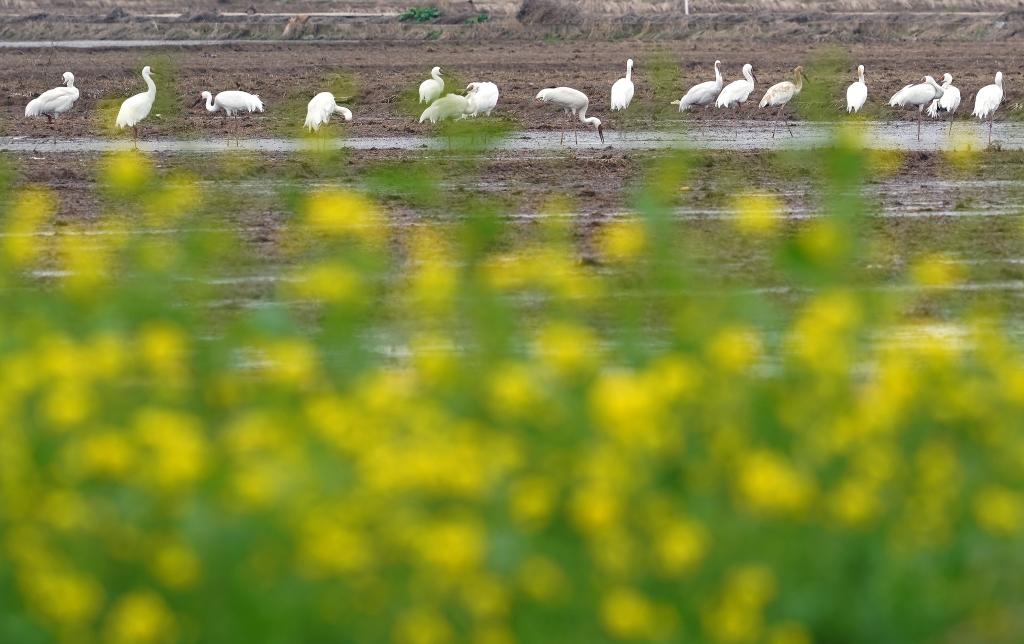
Decades ago, local villagers faced a dilemma. On the one hand, capturing or killing migratory birds was against the law. On the other hand, leaving the birds undisturbed could lead to serious crop losses. To reduce the damage, villagers around the lake often went to great lengths to drive birds away, using firecrackers, beating gongs, and setting up scarecrows.
To address the problem, local authorities introduced a compensation mechanism. Villagers whose crops have been damaged in the course of wetland and migratory bird conservation can receive compensation. The policy has helped reduce crop losses for villagers while supporting bird conservation. As a result, more migratory birds now winter at Poyang Lake, and the local birdwatching economy has flourished.
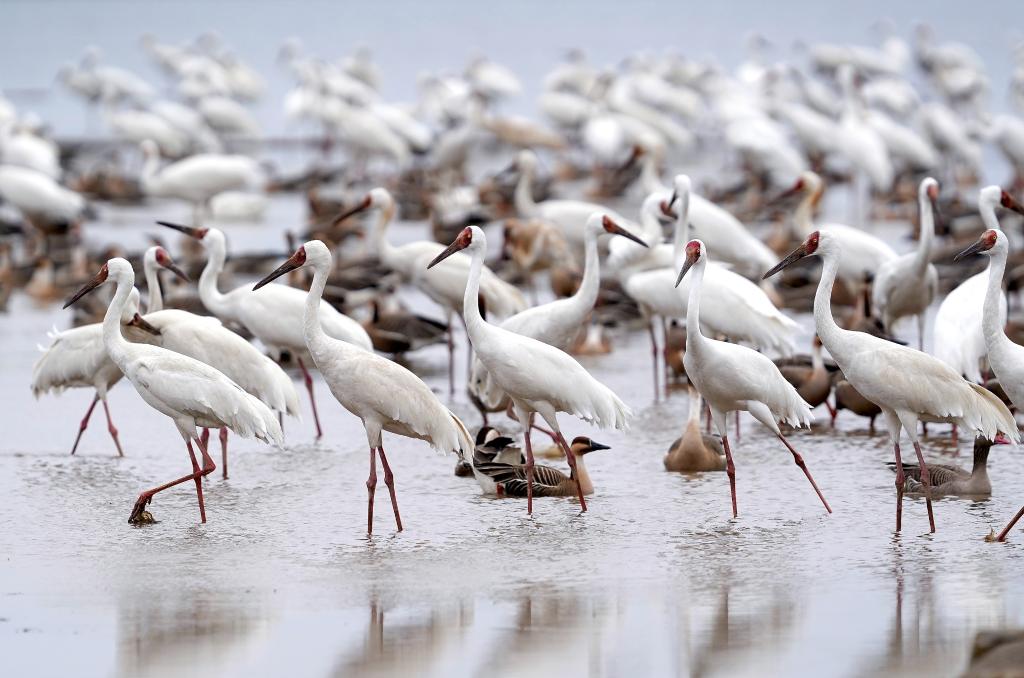
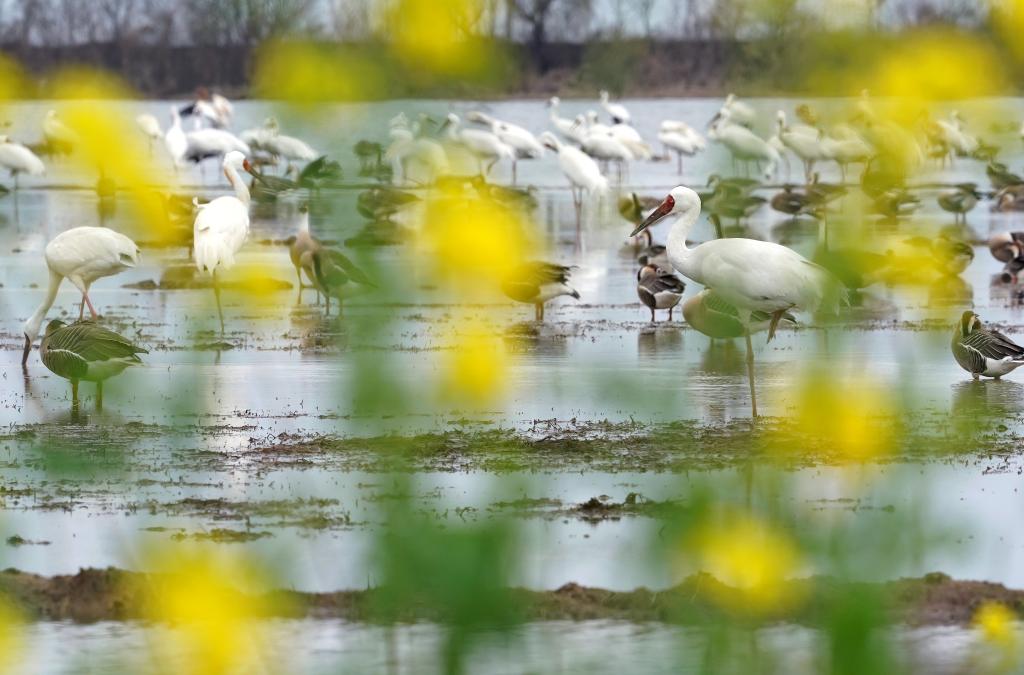
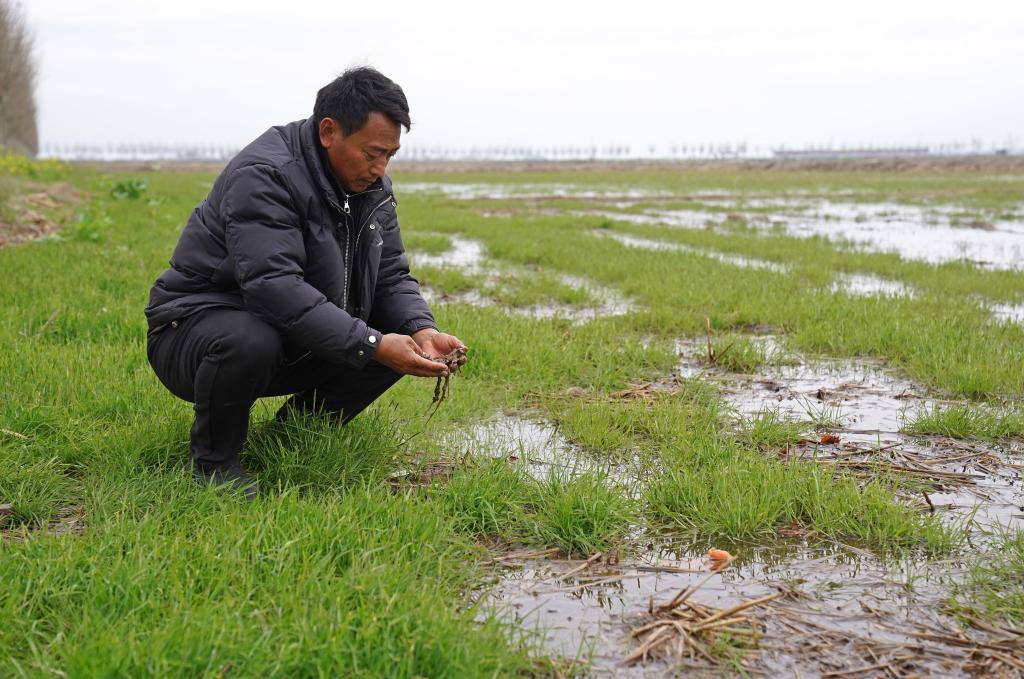
Jiang Liangqing, once troubled by the "bird dilemma," is now a bird guardian in Yugan County. "I have more than 100 mu (about 6.67 hectares) of rice fields, where migratory birds often come to forage," Jiang said. "It used to be a problem, but now I receive compensation after local authorities assess my crop losses."
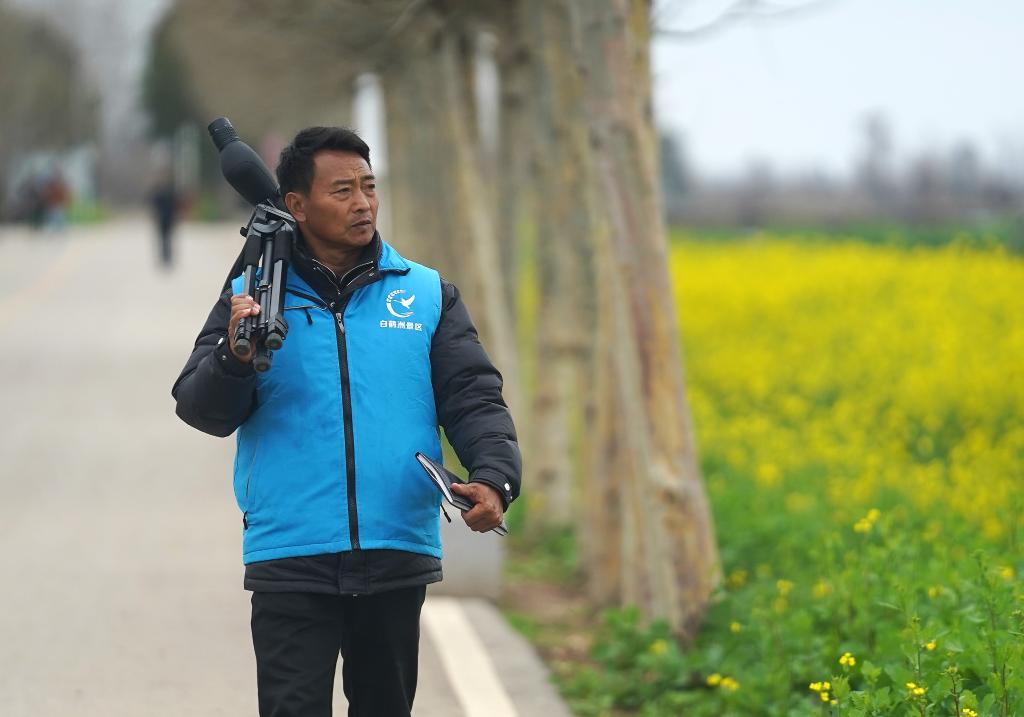
"Now I'm a bird guardian. I patrol the wetlands every day and share knowledge about bird conservation with tourists," Jiang said. Like him, many local villagers have joined conservation efforts, including raising ecological awareness and patrolling wetlands.