
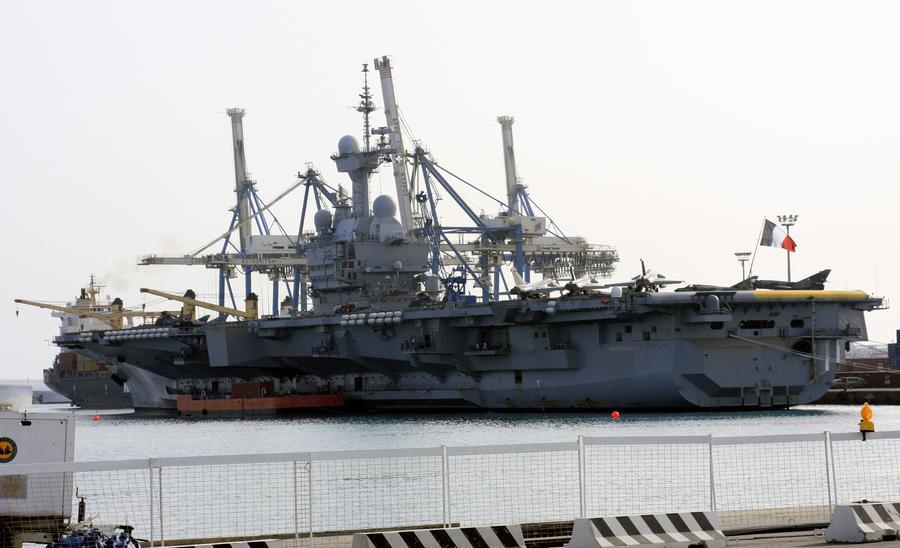
Cyprus, located just a few hundred km from the Middle East at the crossroads of Europe, Asia and Africa, hosts key foreign military facilities, making the island strategically significant in regional security dynamics.
NICOSIA, March 11 (Xinhua) -- French, Greek, and German leaders rushed to Cyprus this week after a drone strike struck near a British air base on the island last week. Escalating tensions in the Middle East have also raised fears of a potential spillover.
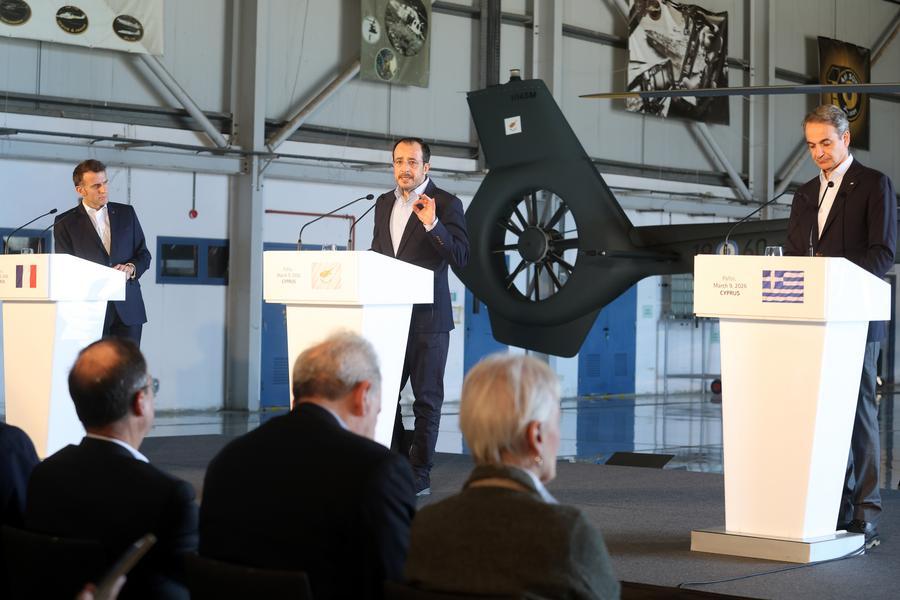
French President Emmanuel Macron and Greek Prime Minister Kyriakos Mitsotakis held talks with Cypriot President Nikos Christodoulides on Monday, focusing on the security implications of the escalating crisis and its potential spillover into nearby regions.
On Tuesday, visiting German Foreign Minister Johann Wadephul said "if Cyprus really needs us, we will be there," after talks with his Cypriot counterpart Constantinos Kombos.
For his part, Kombos said Europe should play an active diplomatic role in promoting de-escalation, stressing that Cyprus is "part of the answers and not part of any problem."
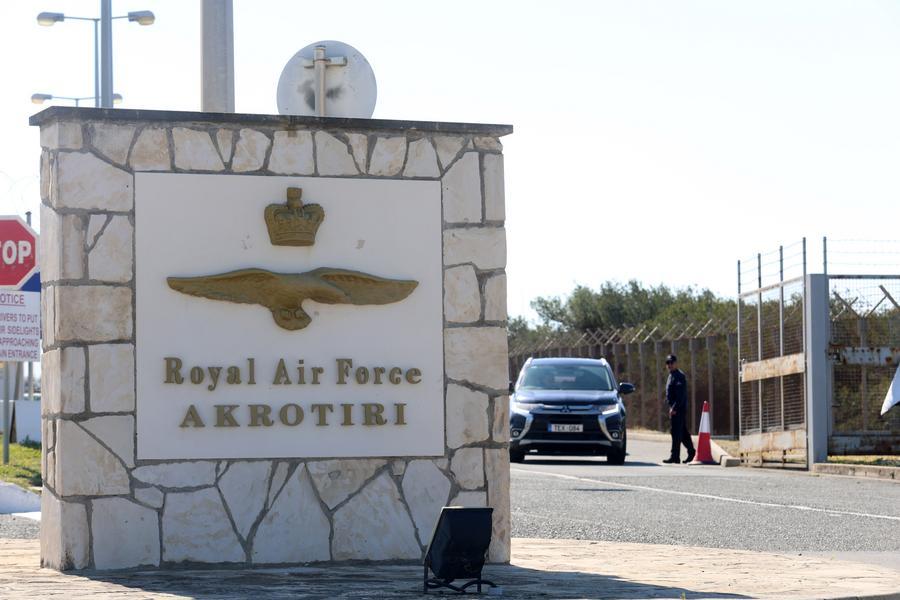
On March 2, a Shahed-type drone struck facilities in the British air base at RAF Akrotiri on Cyprus' southern coast, amid escalating regional tensions following U.S. and Israeli attacks on Iran. Although the incident only caused limited damage and no casualties, it raised concerns that the ongoing conflict in the Middle East could increasingly affect the strategically located island.
Cyprus, located just a few hundred km from the Middle East at the crossroads of Europe, Asia and Africa, hosts key foreign military facilities, including Britain's sovereign base areas. This makes the island strategically significant in regional security dynamics.
The country also holds the rotating presidency of the Council of the European Union and maintains a strategic partnership with France.
Following the incident, several European countries stepped up their security presence around the island.
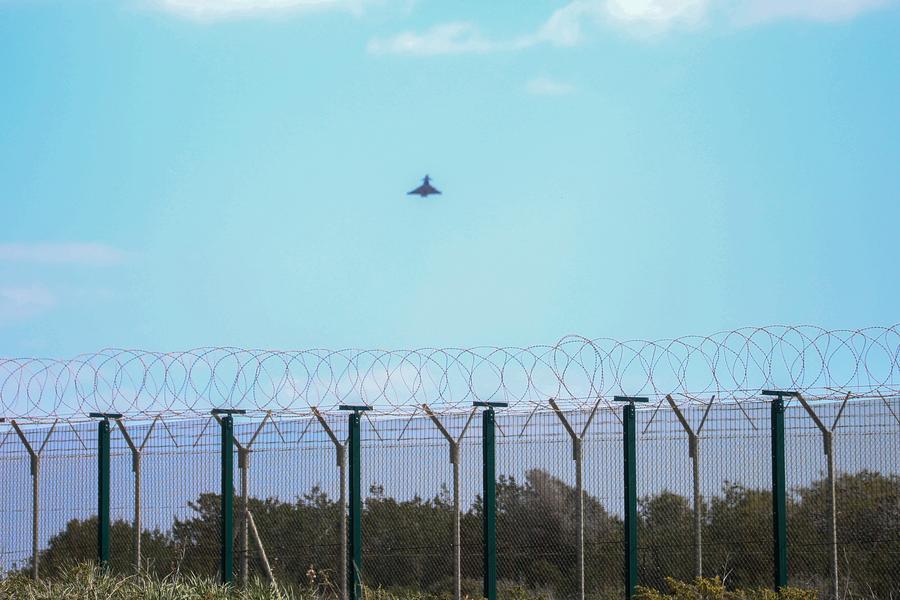
Britain has deployed Wildcat helicopters equipped with anti-drone capabilities to Cyprus last week.
France also increased its military presence in the region. The aircraft carrier Charles de Gaulle has been dispatched to the Mediterranean Sea, while the frigate Languedoc and additional air-defense assets are being deployed to Cyprus.
The Netherlands has also deployed the air-defence and command frigate HNLMS Evertsen, operating alongside the French aircraft carrier Charles de Gaulle, to the eastern Mediterranean on a defensive mission until early April.
Greece has reinforced its presence by sending fighter jets and naval vessels to help strengthen air and maritime security in the area.
Meanwhile, European officials have stressed that closer coordination is needed to safeguard Cyprus and maintain stability in the eastern Mediterranean, while preventing the Middle East crisis from spreading further toward Europe. ■