BEIJING, March 9 (Xinhua) -- For a country with 1.4 billion people, development cannot be measured by economic size alone. It must also prioritize people's well-being and happiness.
At the ongoing "two sessions" in Beijing, the strategic importance of ensuring public well-being has been underscored in both the government work report and the draft outline of the 15th Five-Year Plan (2026-2030), which were submitted Thursday to the country's top legislature. The draft plan for the coming years highlights 20 key indicators for economic and social development, seven of which focus on employment, income, education, healthcare, elderly and childcare services, and life expectancy, reflecting a shift from basic provision toward higher-quality welfare.
The significance of such efforts can be seen in the stories of people like Nong Jiagui and Mikyi Tsomo, who have witnessed changes in education and healthcare at the grassroots level.
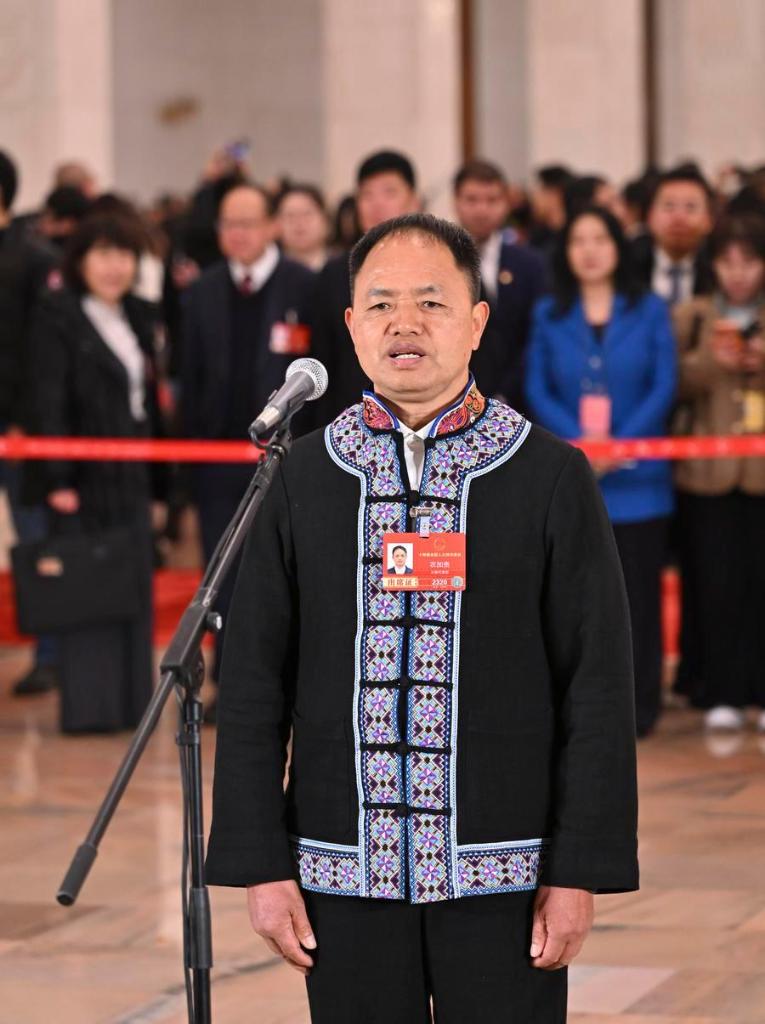
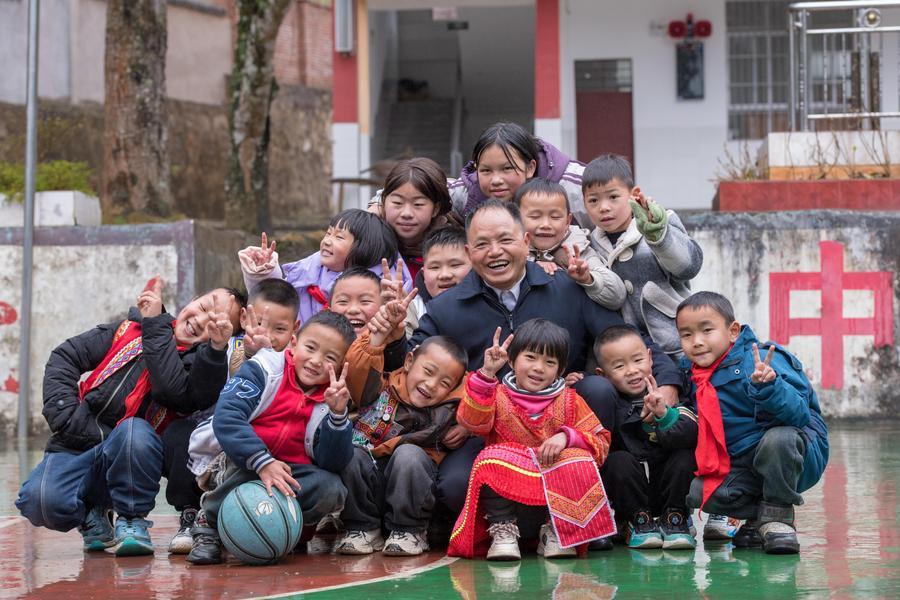
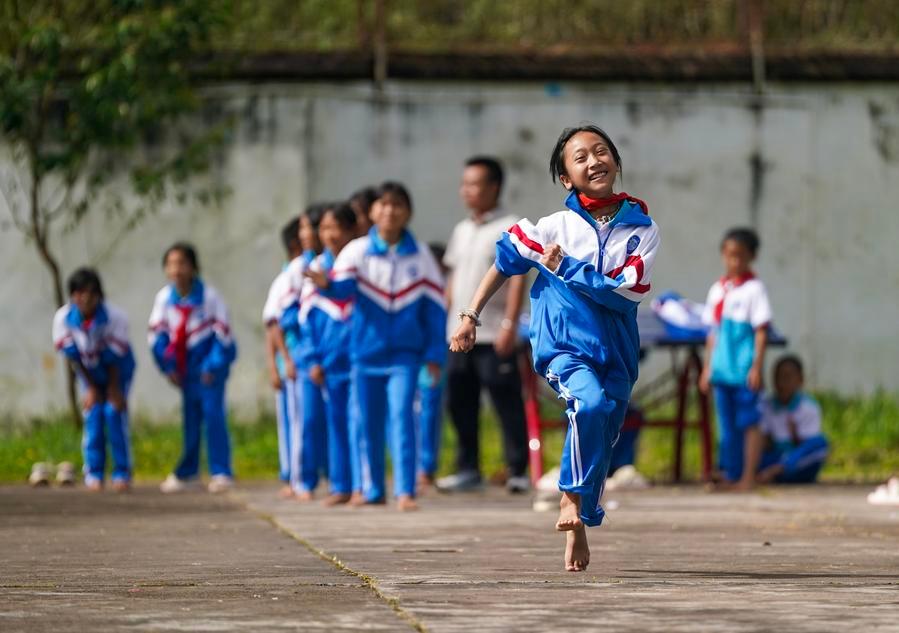
Ahead of the opening meeting of the fourth session of the 14th National People's Congress (NPC) on Thursday, Nong Jiagui, a deputy to the 14th NPC and a village teacher from Wenshan Zhuang and Miao Autonomous Prefecture in southwest China's Yunnan Province, shared with journalists how he had spent decades helping children from mountainous areas pursue further education and find jobs.
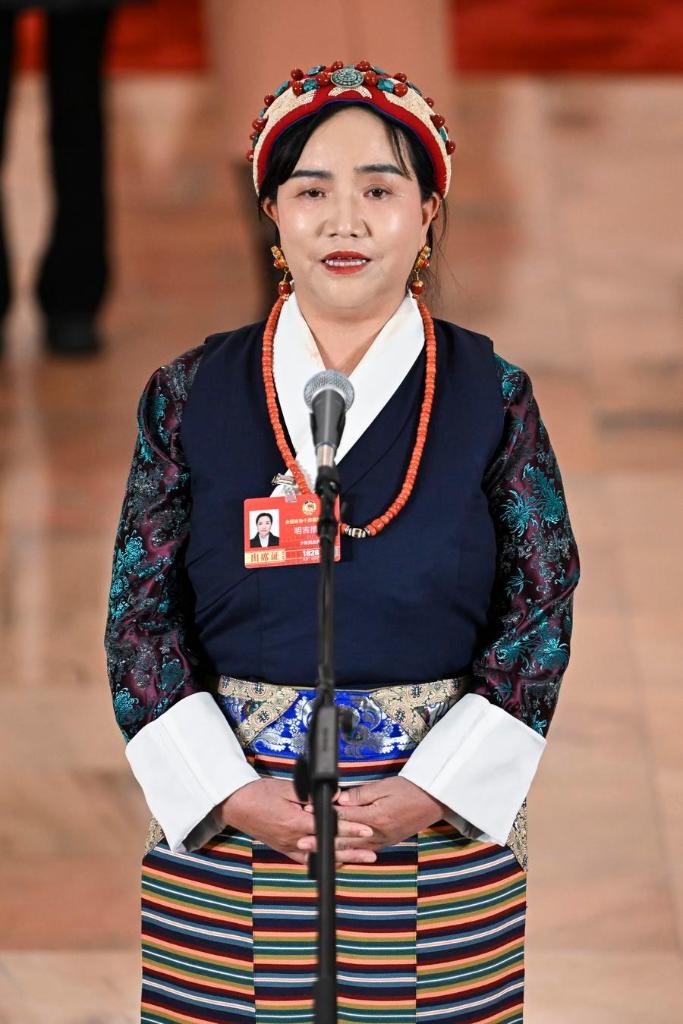
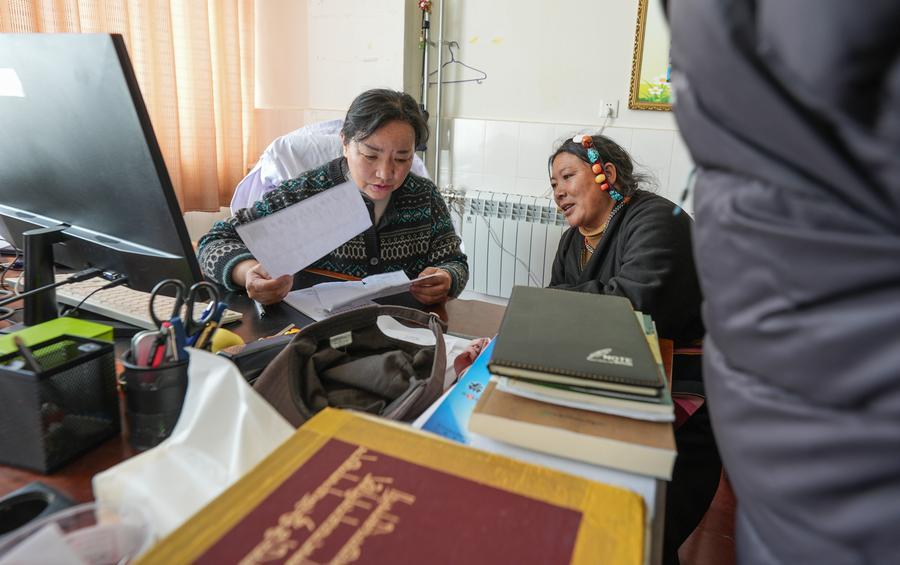
Mikyi Tsomo, a member of the 14th National Committee of the Chinese People's Political Consultative Conference (CPPCC) and a professor at the University of Tibetan Medicine in southwest China's Xizang Autonomous Region, has witnessed significant changes in local healthcare. During a group interview ahead of the second plenary meeting of the fourth session of the 14th CPPCC National Committee on Saturday, she said that the increased investment in primary public facilities and medical care, together with medical assistance programs in Xizang, had helped improve local healthcare services.
China made major new achievements over the 14th Five-Year Plan period (2021-2025), according to the government work report. The people's well-being was elevated to a new level, the report said. Per capita disposable income increased at an average annual rate of 5.4 percent, a total of over 60 million urban jobs were created, and life expectancy reached 79.25 years.
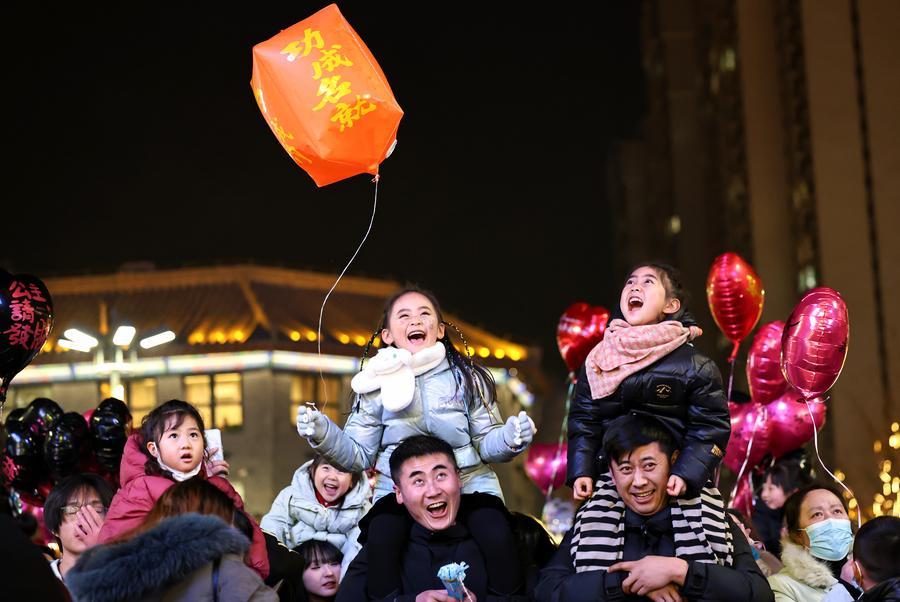
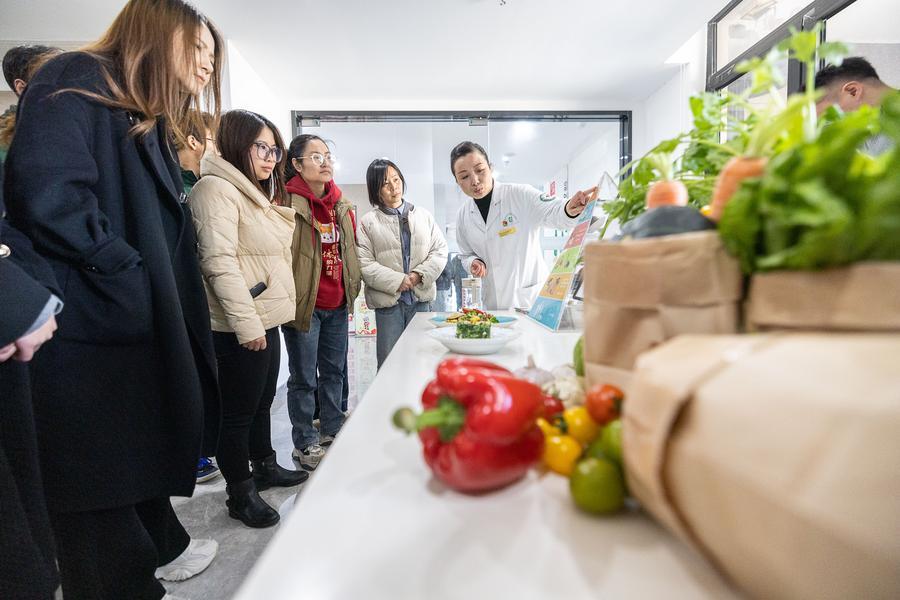
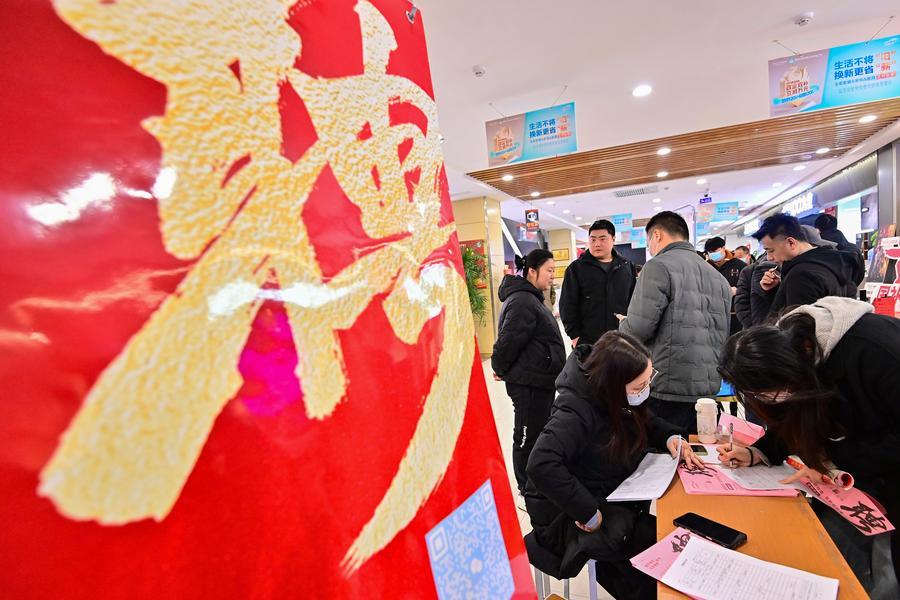
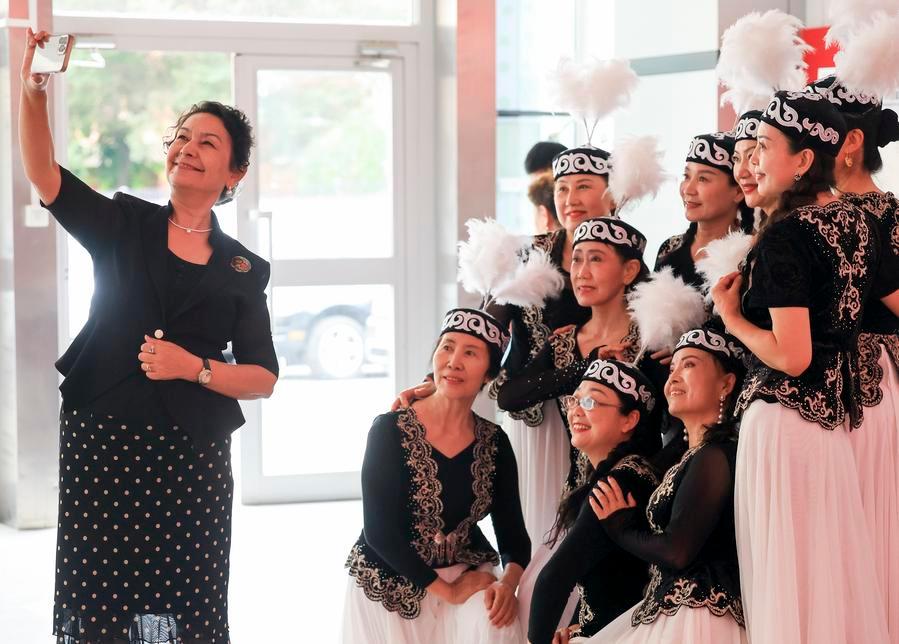
China now operates the world's largest education system, healthcare network, and social security framework, alongside an extensive urban housing support system. Yet demographic shifts, industrial transformation, and rising public expectations require continuous policy adaptation.
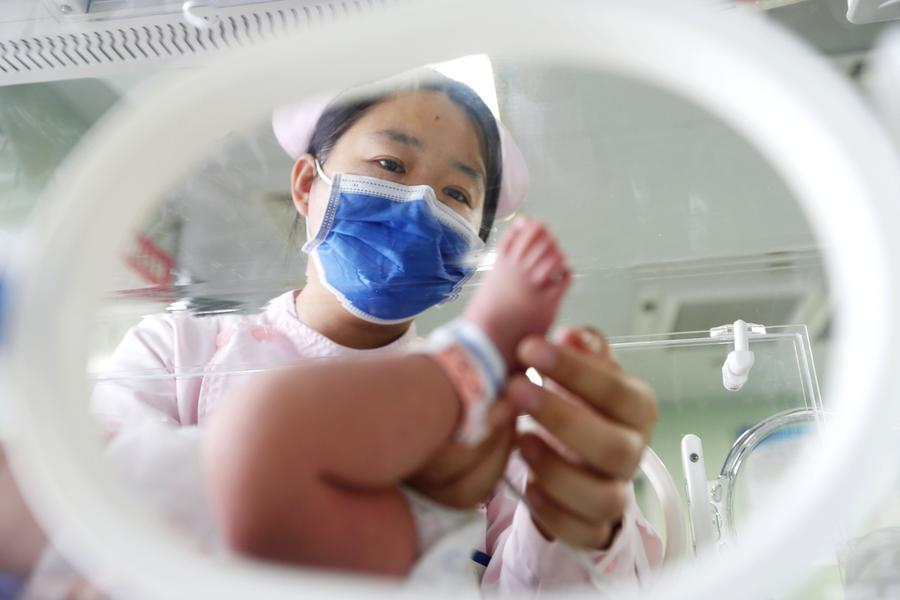
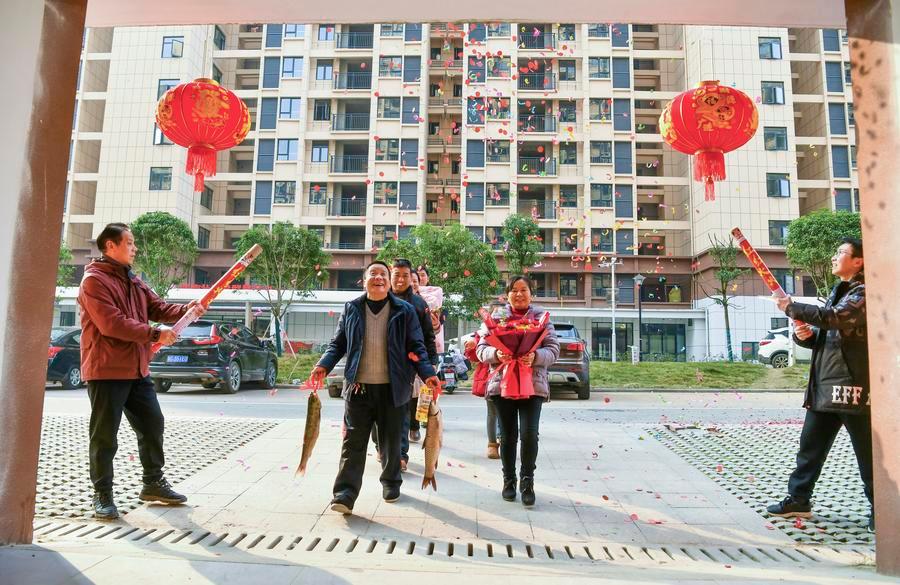
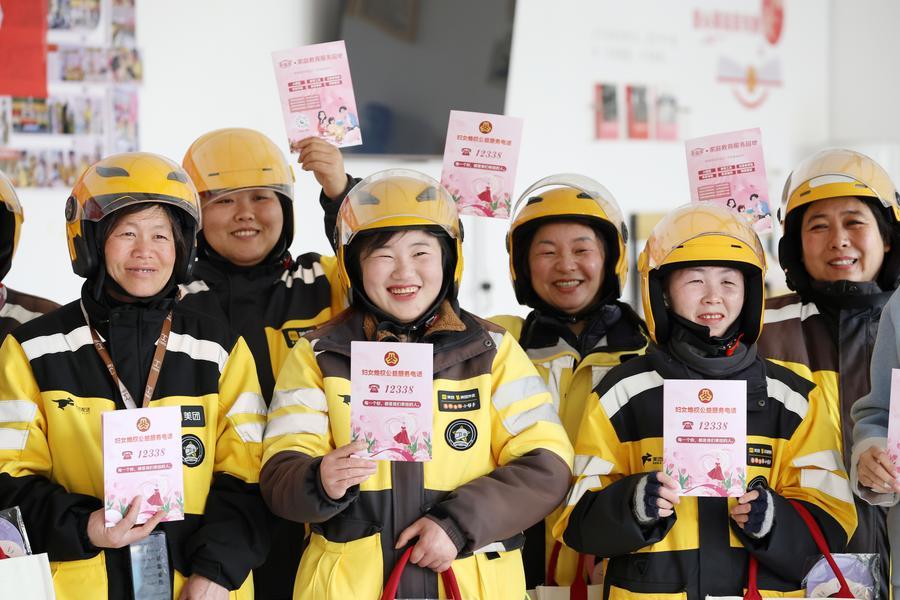
The draft outline of the 15th Five-Year Plan also outlines major projects designed to address pressing public needs. Public services will reach deeper into communities, extend further into rural areas, and prioritize remote regions and disadvantaged groups, the draft says. Social safety nets will offer stronger protection for vulnerable populations, including children and people with disabilities.