
Bali is not only a world-famous tourist destination but also a land of lush rice fields and breathtaking terraced landscapes. Its unique "Subak" irrigation system, with a history of over a thousand years, was inscribed on the UNESCO World Heritage List in 2012.
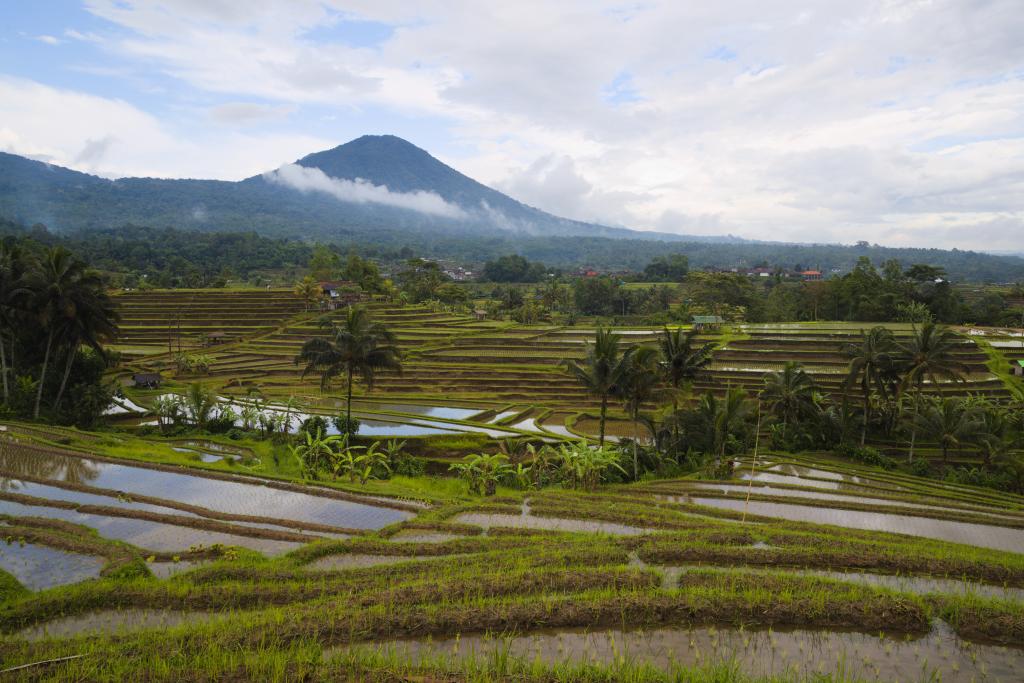
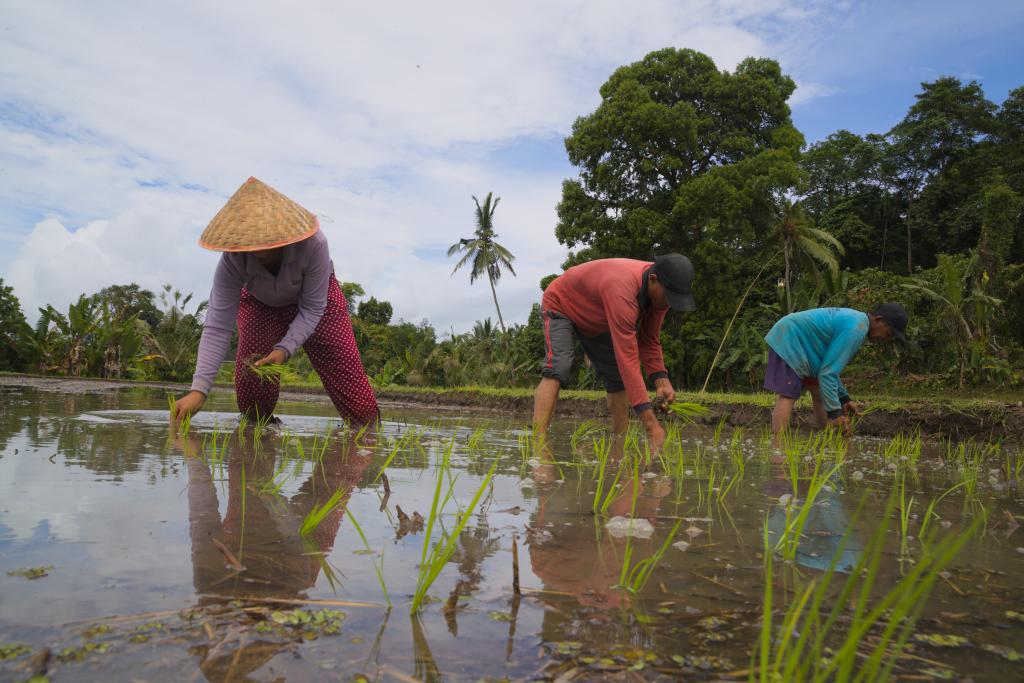
The system comprises terraced fields, canals, dams, and temples. Farmers who share the same main water source voluntarily form cooperative organizations to coordinate farming schedules, maintain water infrastructure, balance irrigation and planting, and maximize water usage.
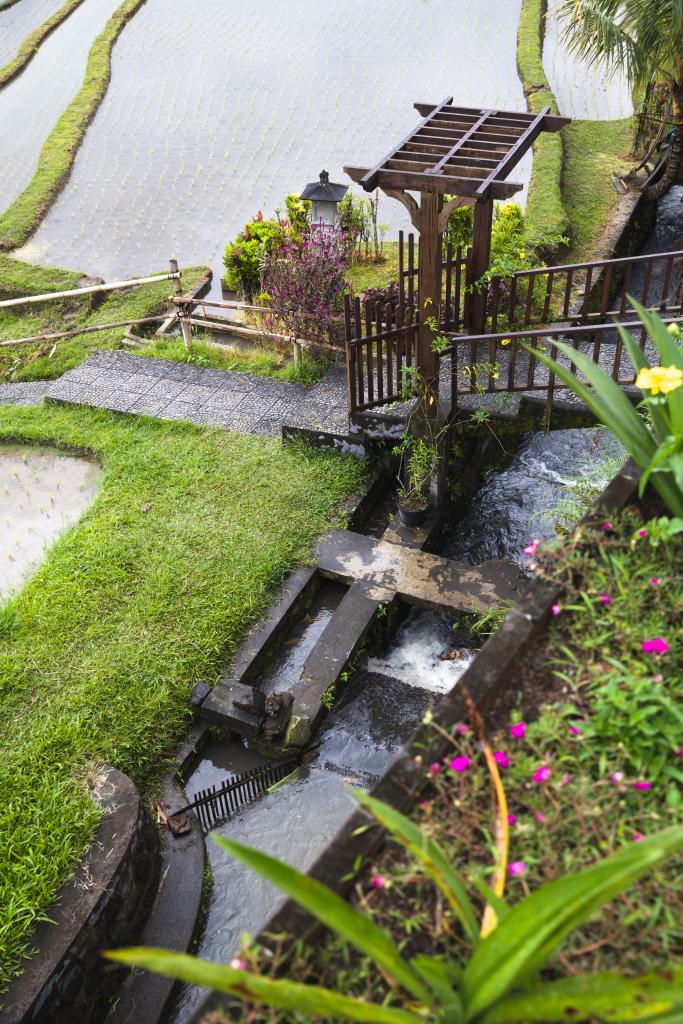
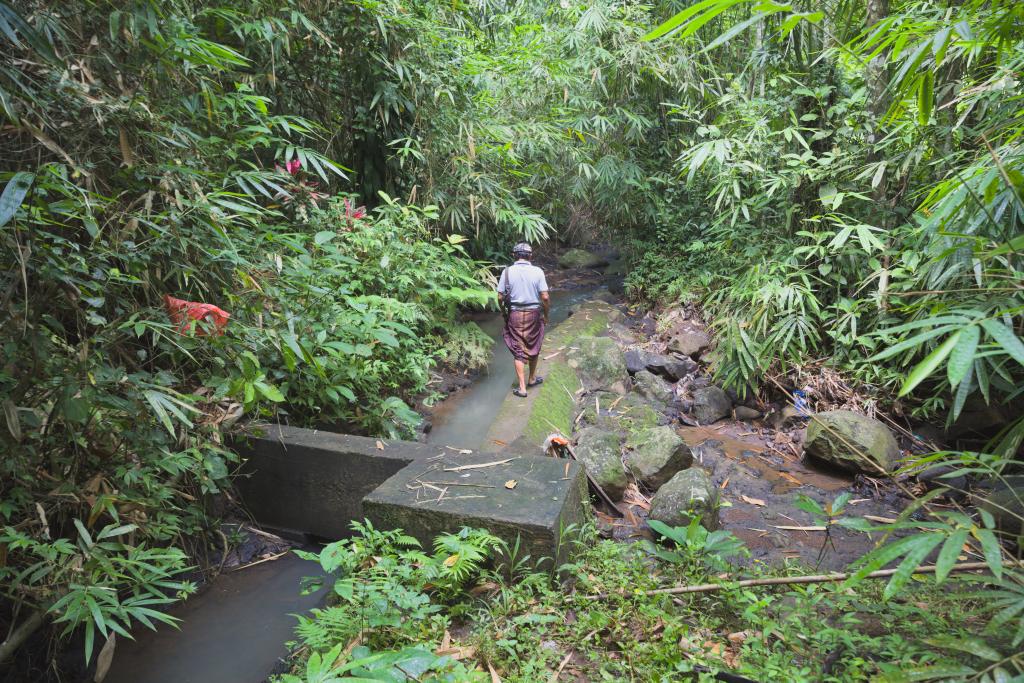
Volcanic lakes serve as a key water source for the Subak irrigation system. As water flows from highlands toward the sea, the rivers it forms along the way are skillfully harnessed by the Balinese for irrigation.
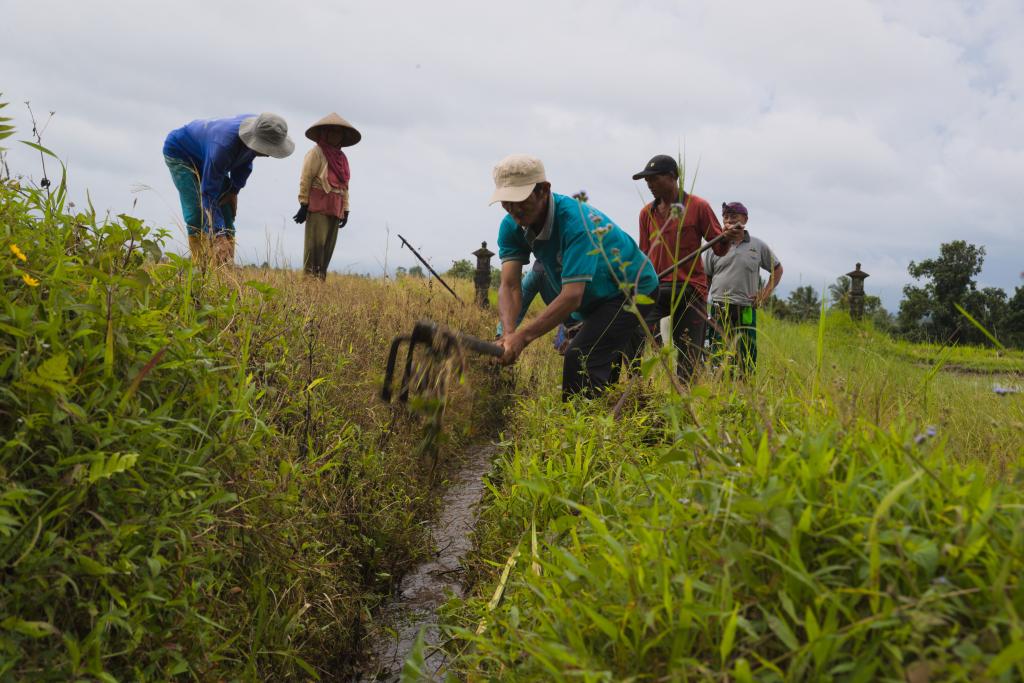
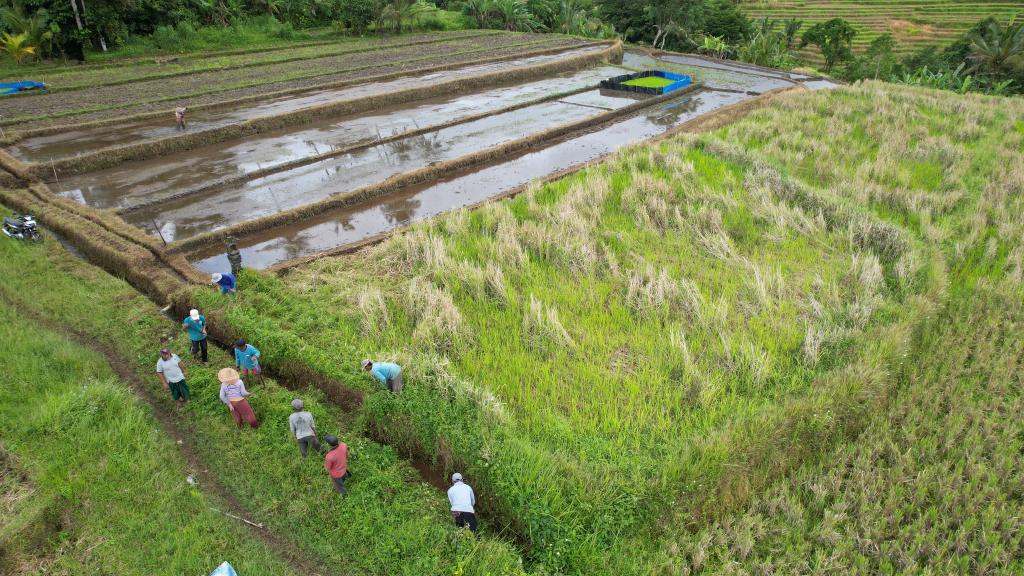
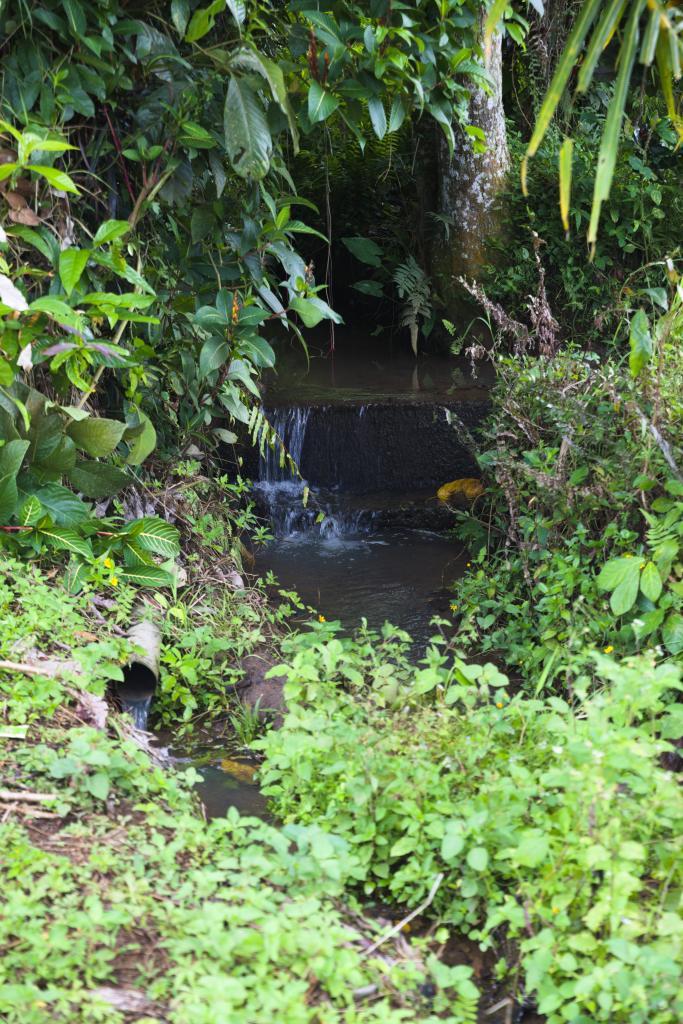
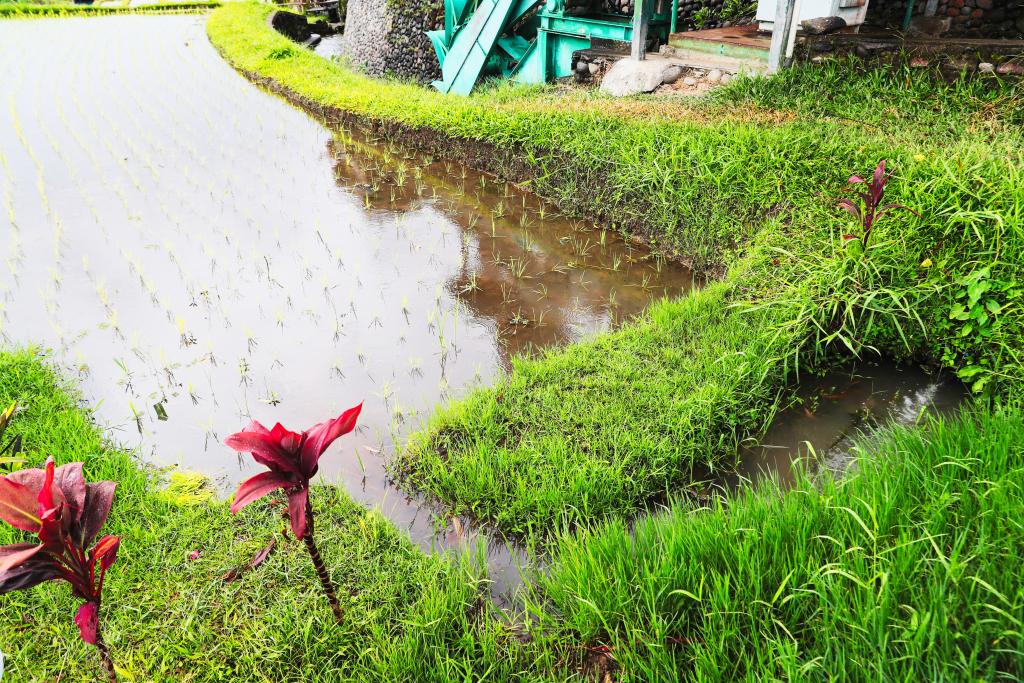
Dams are constructed to divert water from rivers into canals, which then channel it to rice fields through distribution outlets.
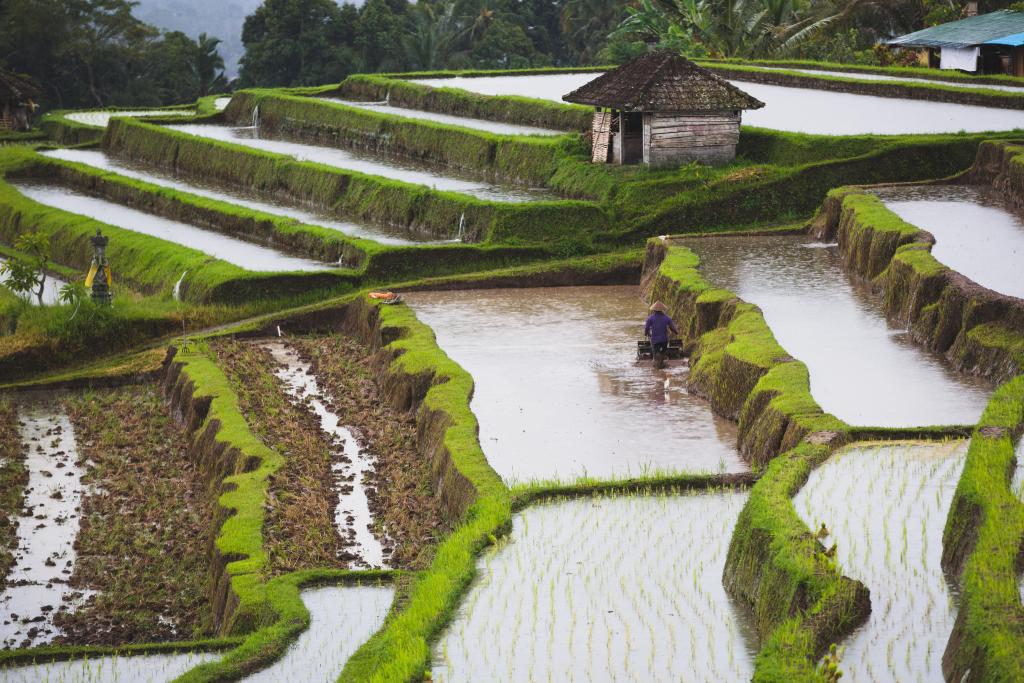
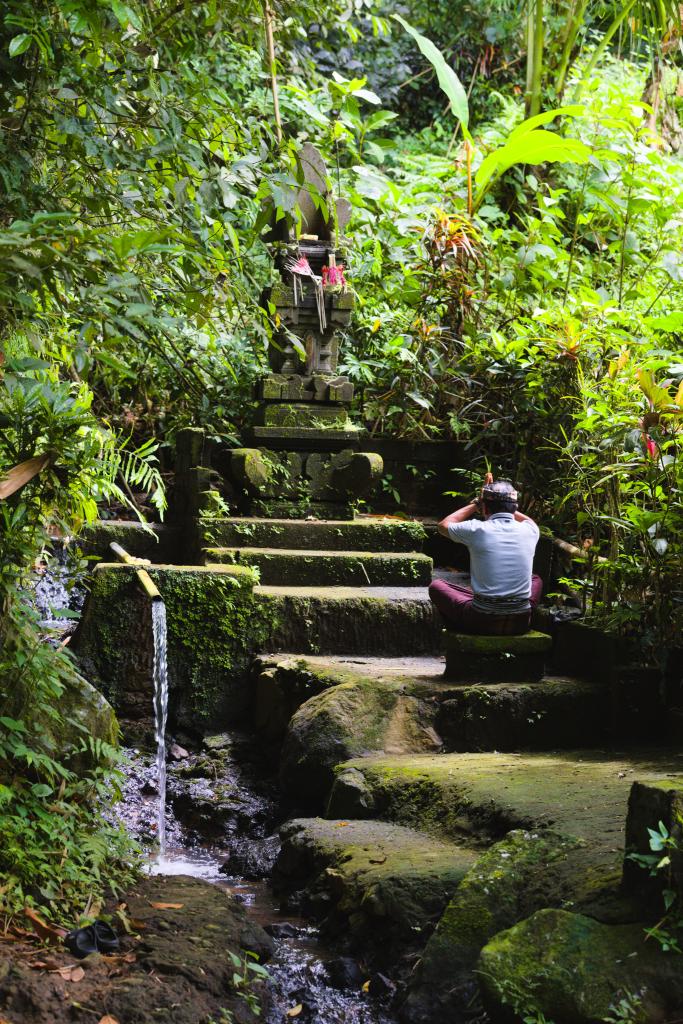
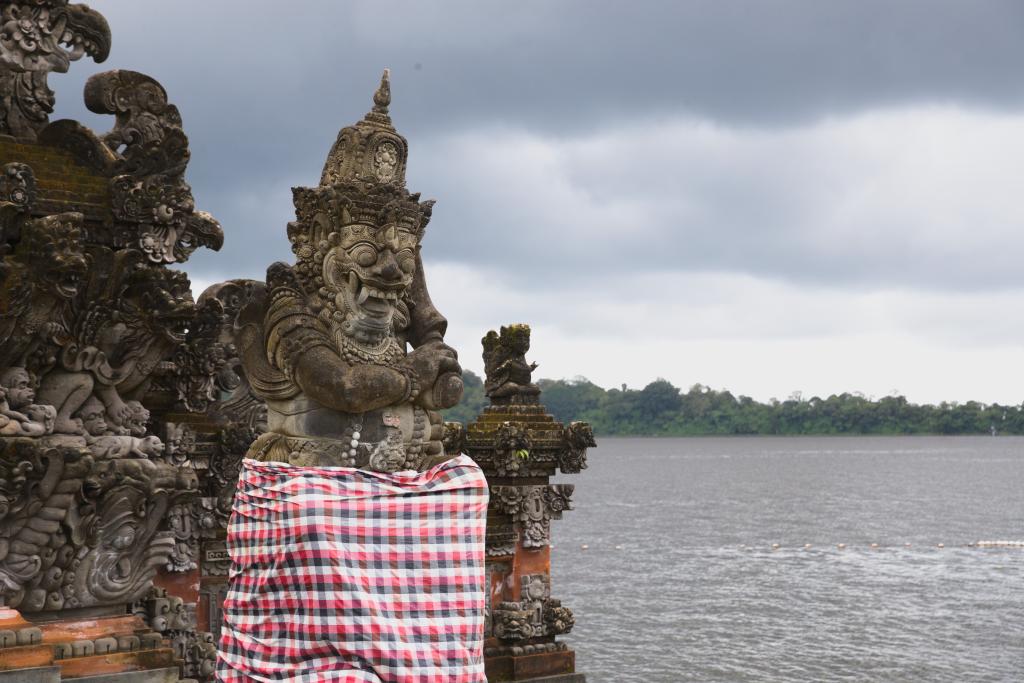
The Subak irrigation system embodies the Balinese philosophical concept of "Tri Hita Karana," which emphasizes harmony among spiritual beliefs, human life and nature. The Balinese regard water as a divine gift and build temples at vital water sources, sluice gates, and field borders to express gratitude and offer prayers.
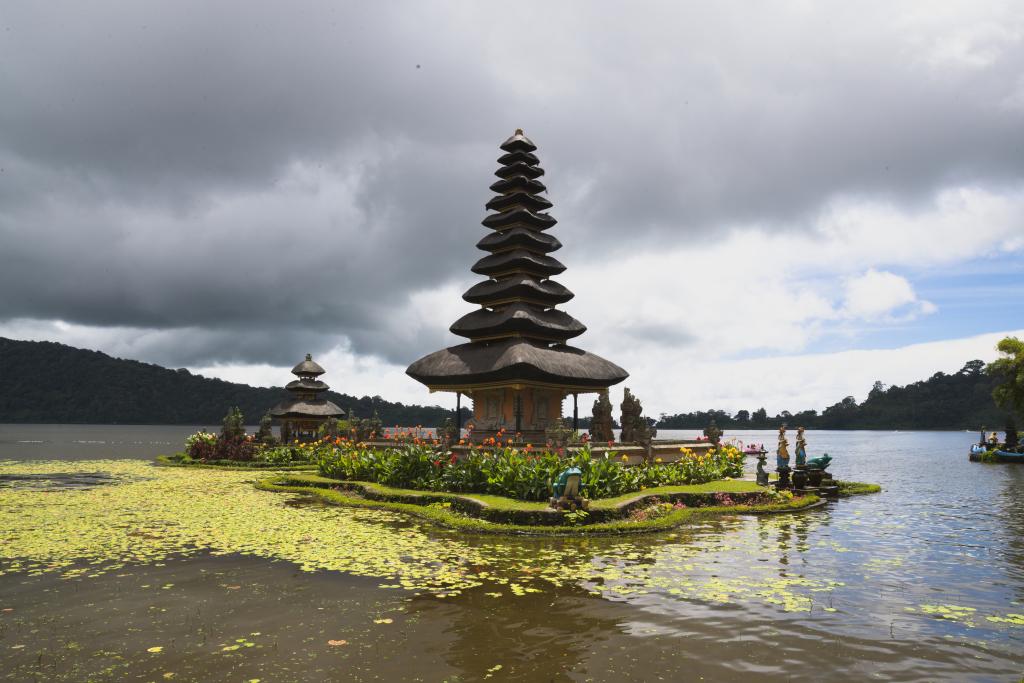
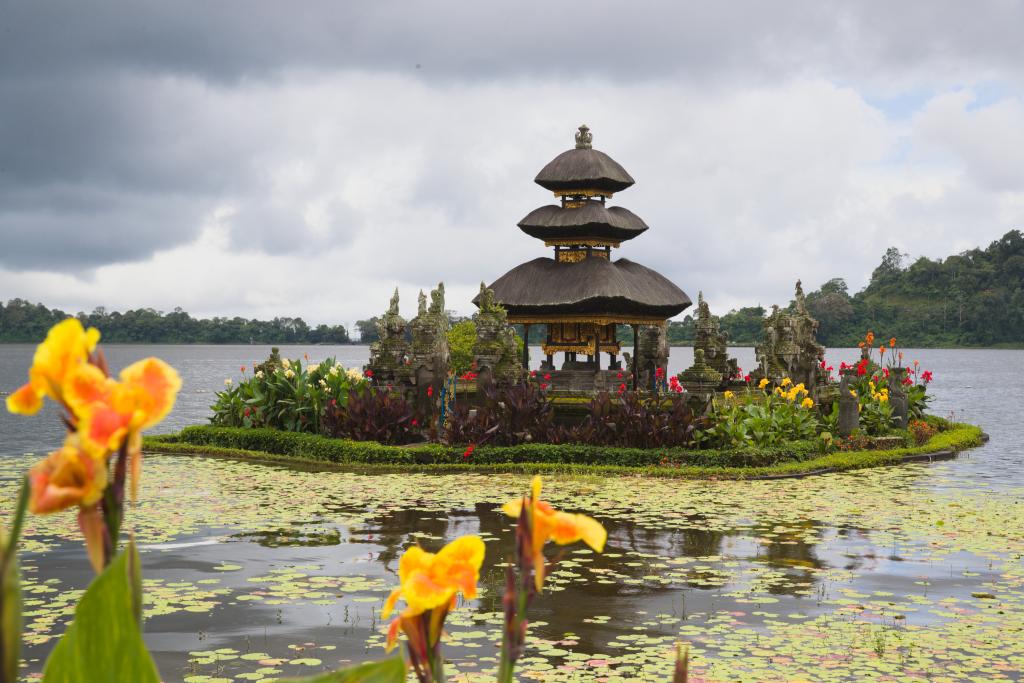
With reverence, people use water to nourish their land and pass it on to downstream neighbors. Through centuries of this continuous cycle, the Subak system has not only sustained the island's vitality and prosperity but also demonstrated the wisdom of living in harmony with nature.
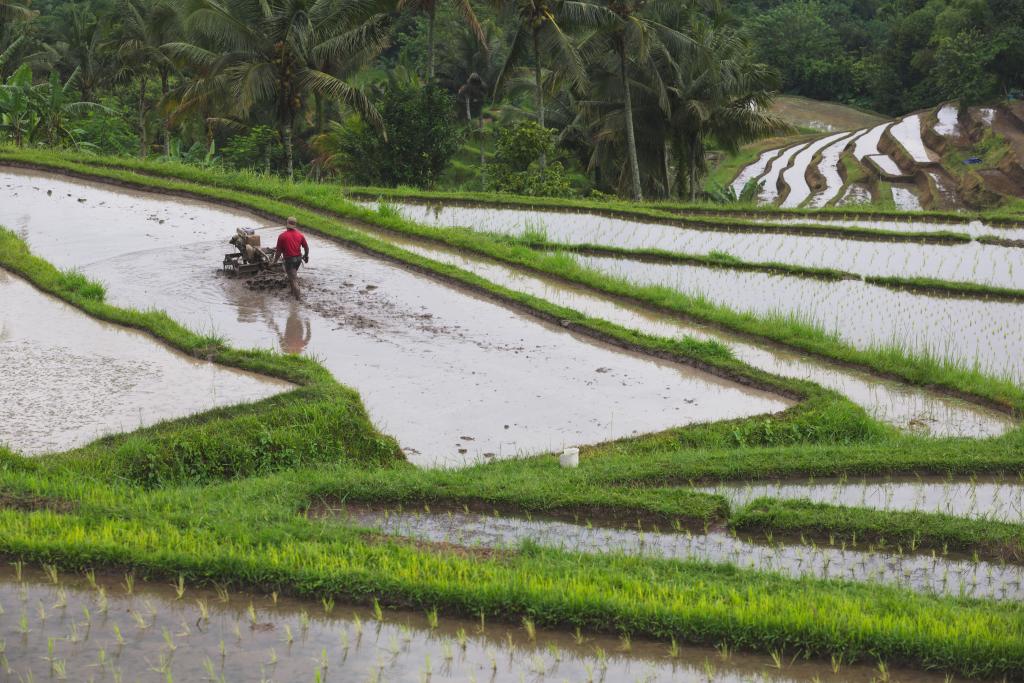
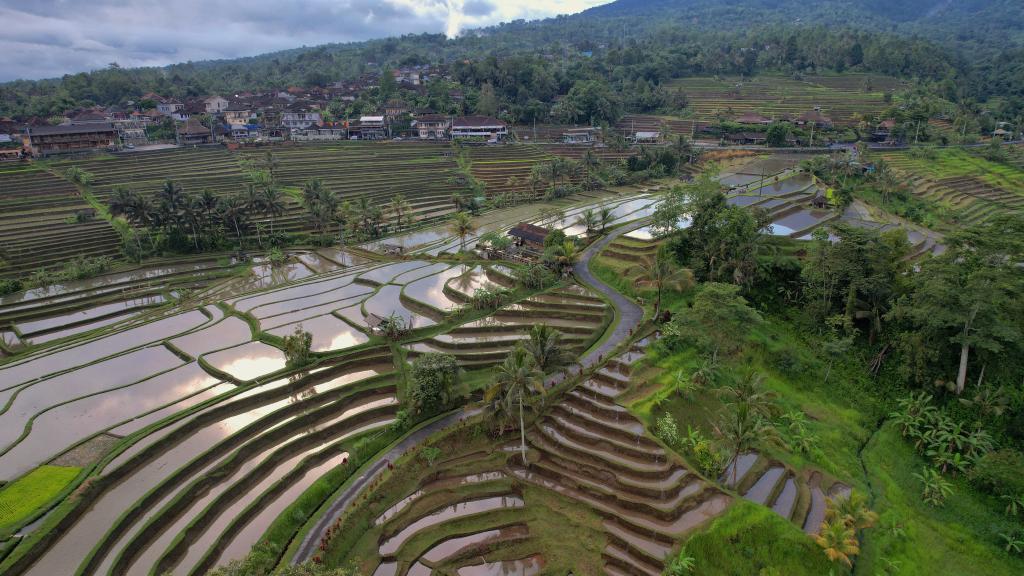
Photographer: Cen Yunpeng
Text: Cen Yunpeng, Yu Yang