
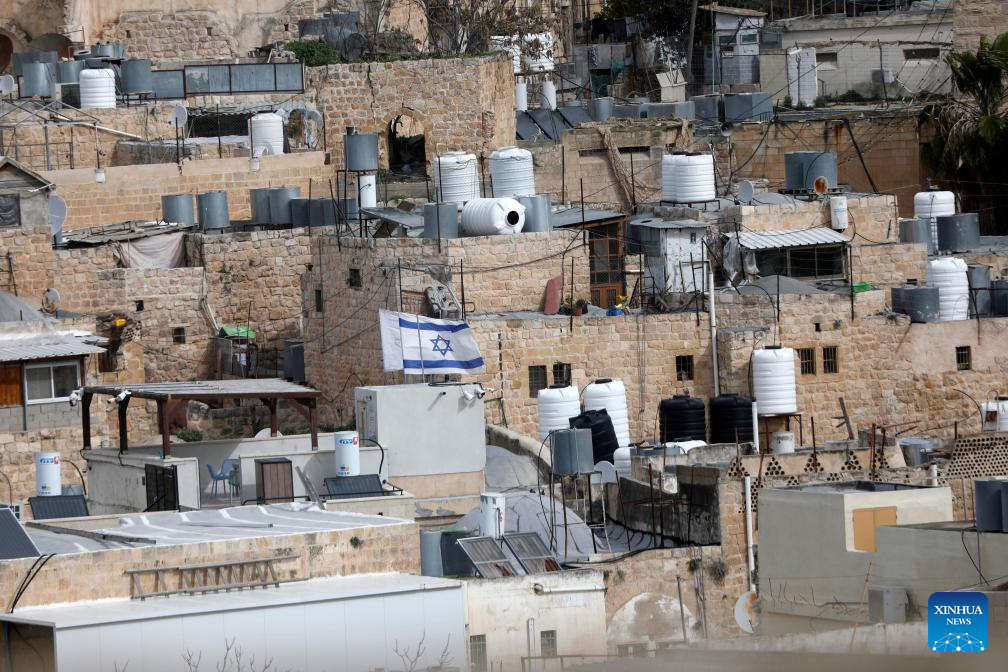
This photo taken on Feb. 9, 2026 shows the Israeli settlement in the West Bank city of Hebron. Israel's recent decisions to deepen control over the West Bank and expand Jewish settlements there have raised broad Palestinian concerns over potential land confiscation and threats to regional stability. (Photo by Mamoun Wazwaz/Xinhua)
RAMALLAH, Feb. 9 (Xinhua) -- Israel's recent decisions to deepen control over the West Bank and expand Jewish settlements there have raised broad Palestinian concerns over potential land confiscation and threats to regional stability.
Palestinian officials and residents told Xinhua that the decisions breached previous agreements and could escalate tensions, targeting the core of the conflict over land and identity and potentially marking a new phase of comprehensive Israeli control.
"Restrictions on agriculture and construction could force owners to abandon their land indirectly," said Rami Nubani, a 55-year-old farmer in Nablus in the northern West Bank. "Despite this pressure, I will not sell. This land is our legacy."
Nubani expressed concern that the new measures could threaten his farmland near the village of Salem, an area witnessing rapid settlement expansion.
"I inherited this land from my father, and he inherited it from his father," Nubani told Xinhua. "It has been cultivated with olives and almonds for decades. The land is not just a source of livelihood, but part of our family identity."
Similar concerns have been raised in Ramallah, where 40-year-old teacher Mohammed Mousa said the measures extend beyond legal and administrative changes, directly affecting daily life, agriculture, construction, and social cohesion.
"These decisions affect dignity and daily life. When people feel besieged on their land, tensions rise," he said, warning that continued restrictions on construction and movement could undo what little calm exists and potentially force people to defend themselves and their land, which could provoke unrest even if no one wants it.
Beyond threats to daily life, residents in Hebron in the southern West Bank also emphasized the historical and cultural significance of the city's streets and buildings, which they have viewed as central to their identity and heritage.
"We will not give up our rights, even if we must defend them with all our might," said Samer al-Hashlamoun, 33, who lives near the Ibrahimi Mosque.
The controversial decisions, approved Sunday by Israel's security cabinet, included the repeal of a Jordanian-era law that banned land sales to Jews, the removal of the requirement for special transaction permits, and the renewal of a state land acquisition committee that ceased operating around 20 years ago, among others.
Israeli authorities claimed that those decisions would enable Jews to acquire land in the occupied territory under simpler conditions. The decisions have sparked immediate and fierce condemnation from Palestine and the international community.
The Palestinian presidency on Sunday described the decisions as "illegal, null and void," saying that they constitute "the practical implementation of annexation and displacement plans."
It called on the international community to intervene immediately to halt the measures, warning they could worsen regional tensions.
Political analyst Ahmed Rafiq Awad told Xinhua that the decisions "drive the final nail into the coffin of the Oslo Accords," noting that Israel is moving toward direct occupation and accelerating settlement activity.
On Monday, the foreign ministers of eight Arab and Muslim countries condemned in the strongest terms the "illegal" Israeli decisions aimed at entrenching settlement activity. Later, the EU and the UN also voiced condemnation over the Israeli move, calling it "another step in the wrong direction" and having "no legal validity." ■
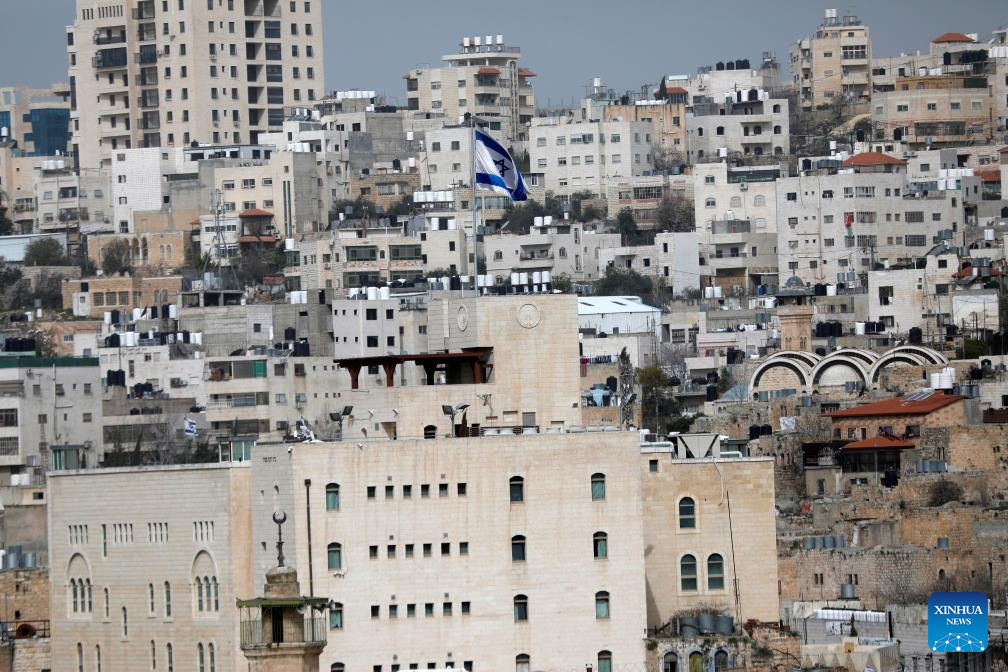
This photo taken on Feb. 9, 2026 shows the Israeli settlement in the West Bank city of Hebron. Israel's recent decisions to deepen control over the West Bank and expand Jewish settlements there have raised broad Palestinian concerns over potential land confiscation and threats to regional stability. (Photo by Mamoun Wazwaz/Xinhua)
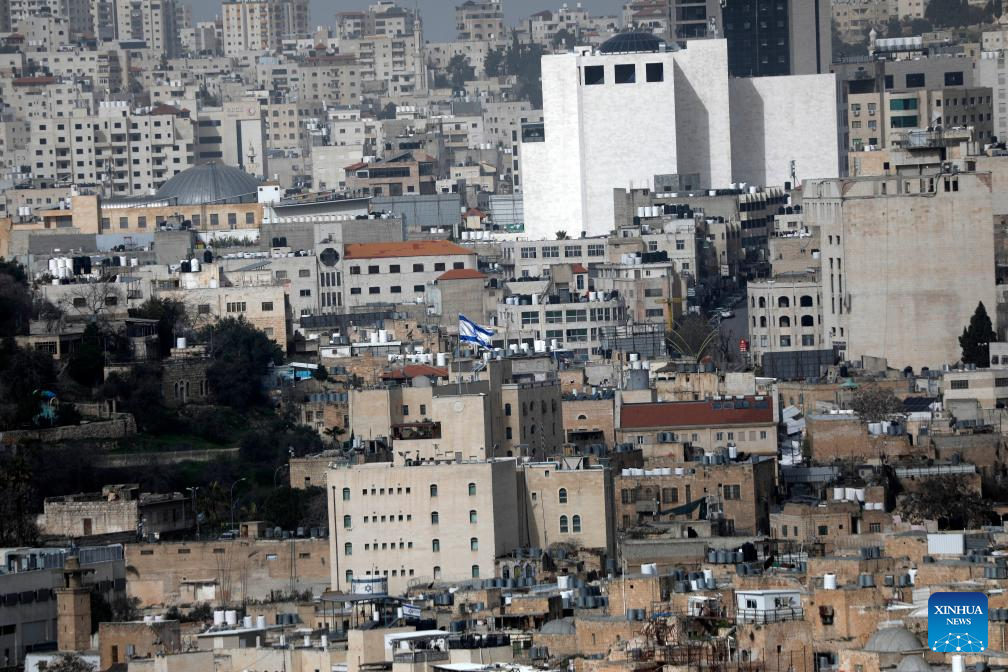
This photo taken on Feb. 9, 2026 shows the Israeli settlement in the West Bank city of Hebron. Israel's recent decisions to deepen control over the West Bank and expand Jewish settlements there have raised broad Palestinian concerns over potential land confiscation and threats to regional stability. (Photo by Mamoun Wazwaz/Xinhua)
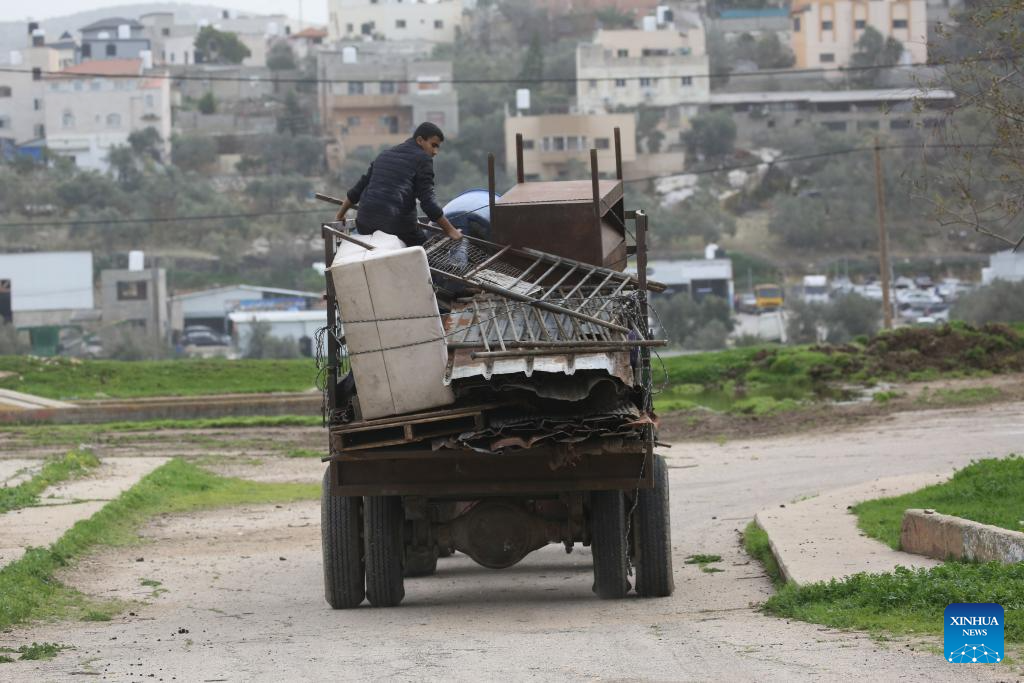
Palestinians leave with their belongings after Israeli forces forced them to evacuate their homes in the town of Arraba, south of Jenin city in the West Bank, on Feb. 9, 2026. Israel's recent decisions to deepen control over the West Bank and expand Jewish settlements there have raised broad Palestinian concerns over potential land confiscation and threats to regional stability. (Photo by Nidal Eshtayeh/Xinhua)
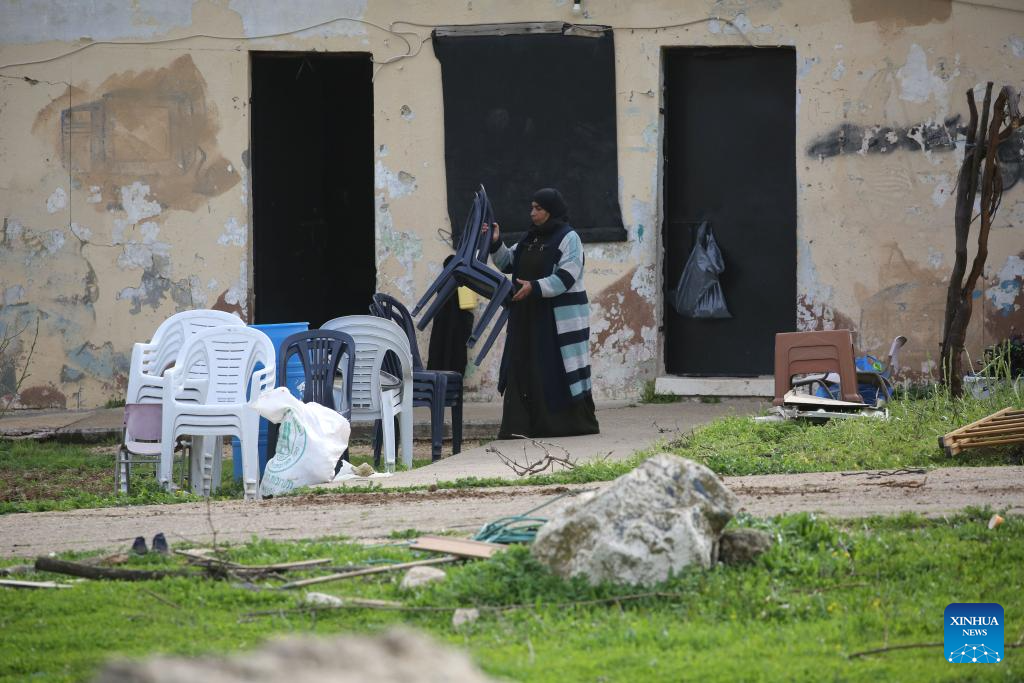
A Palestinian collects belongings to leave after Israeli forces forced her to evacuate her home in the town of Arraba, south of Jenin city in the West Bank, on Feb. 9, 2026. Israel's recent decisions to deepen control over the West Bank and expand Jewish settlements there have raised broad Palestinian concerns over potential land confiscation and threats to regional stability. (Photo by Nidal Eshtayeh/Xinhua)
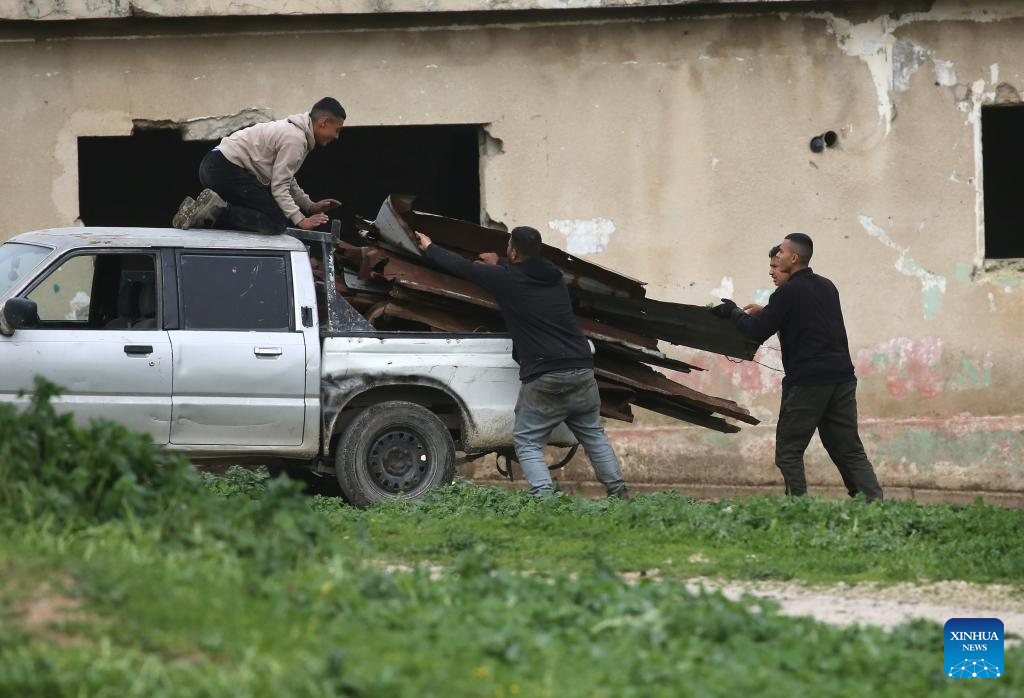
Palestinians collect belongings to leave after Israeli forces forced them to evacuate their homes in the town of Arraba, south of Jenin city in the West Bank, on Feb. 9, 2026. Israel's recent decisions to deepen control over the West Bank and expand Jewish settlements there have raised broad Palestinian concerns over potential land confiscation and threats to regional stability. (Photo by Nidal Eshtayeh/Xinhua)
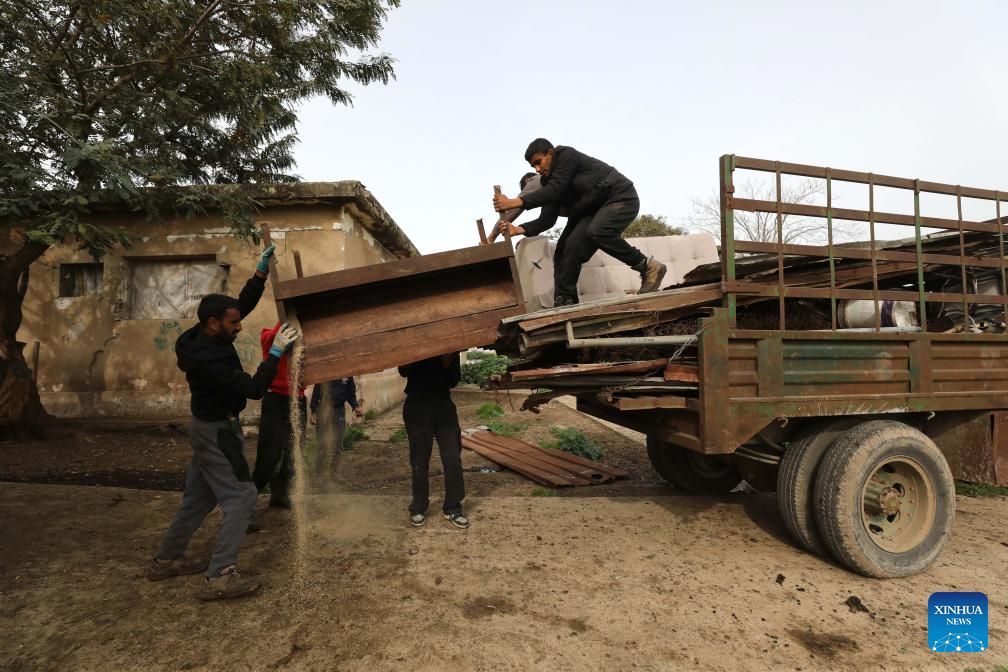
Palestinians collect belongings to leave after Israeli forces forced them to evacuate their homes in the town of Arraba, south of Jenin city in the West Bank, on Feb. 9, 2026. Israel's recent decisions to deepen control over the West Bank and expand Jewish settlements there have raised broad Palestinian concerns over potential land confiscation and threats to regional stability. (Photo by Nidal Eshtayeh/Xinhua)


