
If the United States truly seeks a safer world, it must stop treating arms control as a tool of leverage and start acting as a responsible nuclear power. That means respecting other nations' security concerns, keeping its promises, and taking real, verifiable steps toward disarmament. Anything less undermines global stability.
BEIJING, Feb. 7 (Xinhua) -- China keeps its nuclear capabilities at the minimum level required by national security and has no intention of engaging in an arms race with any country. This long-standing policy is not a slogan, but a consistent practice. Against this backdrop, recent calls by U.S. politicians for China to join so-called arms control treaties ring hollow.
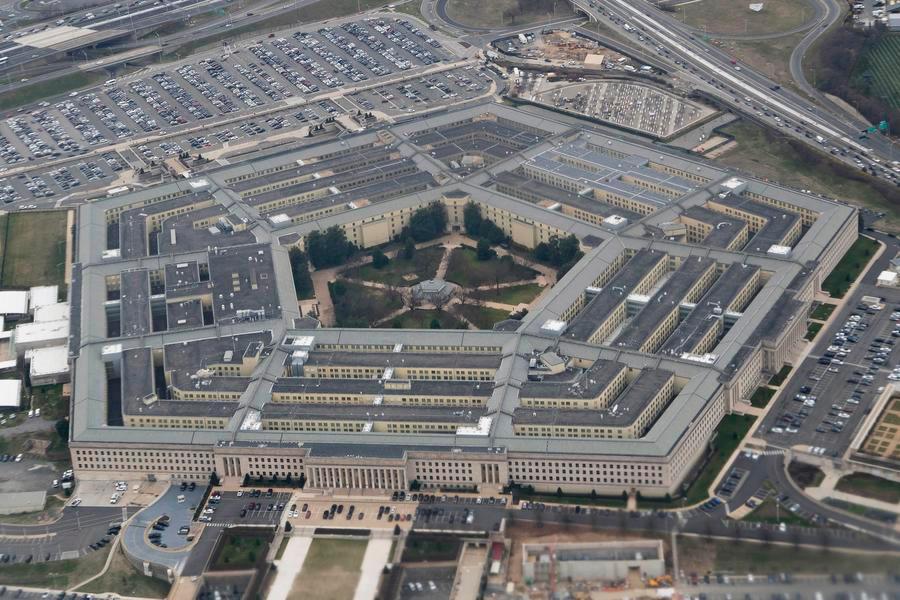
When the United States, the country with the world's most powerful and expansive nuclear arsenal, calls on a far smaller nuclear force to "do its part," the issue is not participation, but misplaced responsibility. Such narratives distort reality and undermine the very trust arms control depends on.
The United States and China are simply not on equal footing when it comes to nuclear weapons. The disparity is not accidental, but the result of decades of policy choices, arms racing and alliance-based deterrence. Ignoring this history while calling for so-called "shared responsibility" is not principled arms control, but an attempt to dilute accountability by Washington.
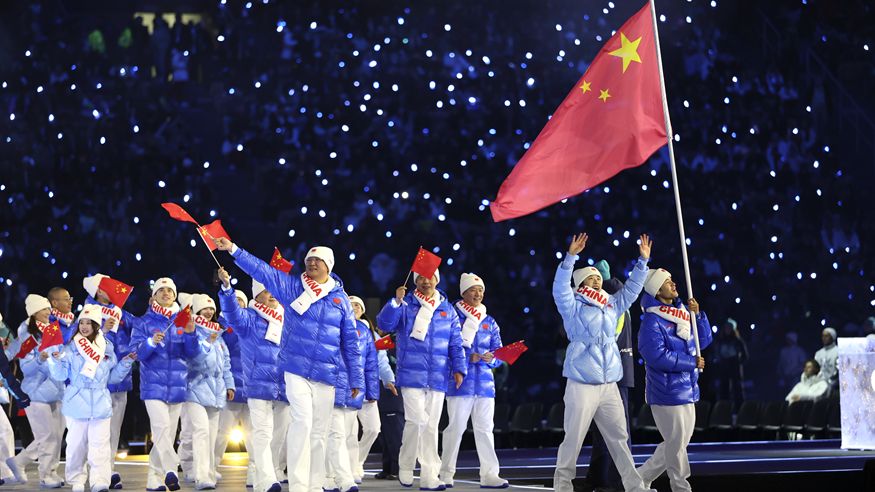
China's nuclear posture stands out for its clarity and discipline: consistently defensive, transparent in intent, and exceptionally restrained. China pledges never to be the first to use nuclear weapons and guarantees that it will never target non-nuclear states or nuclear-weapon-free zones, under any circumstances.
Meanwhile, China plays an active role in shaping global security: championing multilateral arms control, reinforcing international norms, and working constructively within global institutions -- a clear demonstration of its commitment to strategic stability.
Real nuclear disarmament starts with the biggest players. Such cuts must be substantial, verifiable, and irreversible -- laying the groundwork for eventual comprehensive disarmament. Genuine progress requires acknowledging these disparities, rather than imposing uniform obligations on nations with significantly smaller arsenals.
New START's expiration isn't just a technical setback -- it's a wake-up call. The United States, as the dominant nuclear power for over 80 years, must stop shifting the goalposts. It should meet its current obligations, return to the negotiating table on strategic stability, and work within multilateral frameworks rather than retreat from them.
If the United States truly seeks a safer world, it must stop treating arms control as a tool of leverage and start acting as a responsible nuclear power. That means respecting other nations' security concerns, keeping its promises, and taking real, verifiable steps toward disarmament. Anything less undermines global stability. ■