by Xinhua writer Liu Bowei
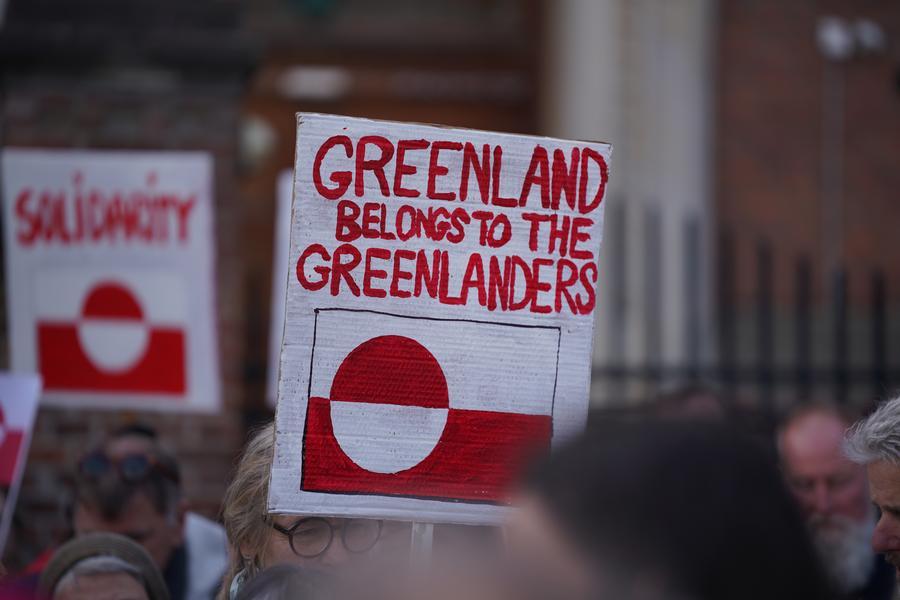
BEIJING, Jan. 16 (Xinhua) -- When the Danish and Greenlandic delegates walked out of the White House after meeting with the U.S. side earlier this week, the heaviness on their faces betrayed deep frustration.
With Washington's reckless determination to take over Greenland from Denmark, the fate of NATO has arrived at perhaps the most ironic moment since its founding decades ago -- the de facto leader of the military alliance is abusing raw power to assault on the sovereignty of a member state.
Helpless NATO members are responding, but mostly with gestures, such as "beefing up" the island's military presence by dispatching troops in single-digit numbers.
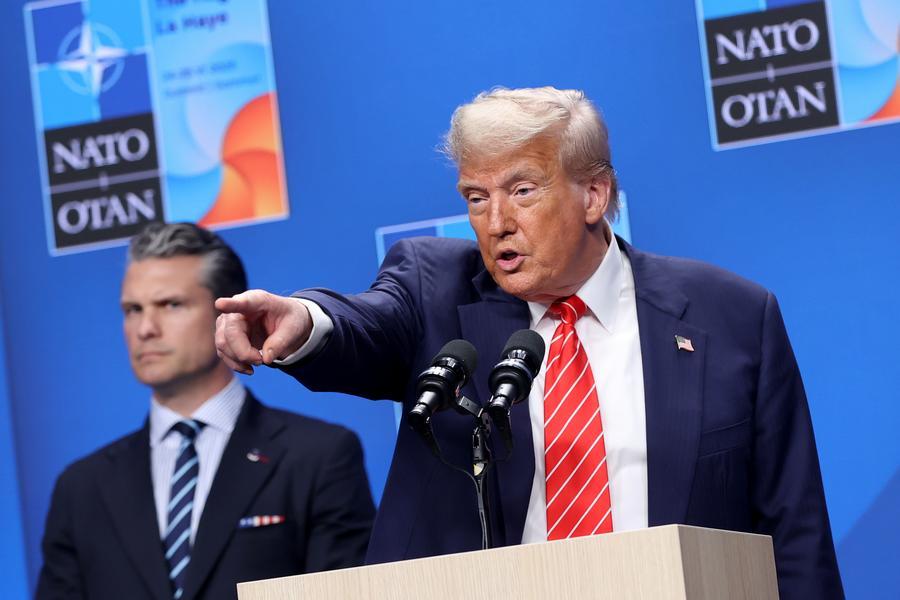
U.S. attempt on Greenland dates back to the 19th century. U.S. President Donald Trump expressed the intention to buy the island during his first term. That territorial ambition has been reignited after Trump returned to the White House. He repeatedly urged Copenhagen to give up Greenland to the United States under "national security" excuses.
The message to Washington's allies is a chilling one: when the United States wants something, it will use every means at its disposal to get it, regardless of whether the target is an ally or a foe.
This is not the first time the United States sought to rip off another NATO member. In the early months of his second term, Trump explicitly said he wants Canada to be "the 52nd U.S. state." Aside from that, the Trump administration has been pushing NATO members to share defense cost. Inside the bloc, rifts are widening.
NATO, a military bloc born in the Cold War, has already lost its original rationale with the collapse of the bipolar order, only to drift into a vehicle for the United States to preserve its hegemony.
When the alliance's leading power comes to put its own interest above all else and treat its allies as dispensable, the rhetoric of "collective defence" amounts to little more than a comforting fiction.
The irony is, in an alliance which says an attack on one member is considered an attack on all, what will happen when the strongest member starts to bully other members? Who attacks whom, and who is left to defend? ■