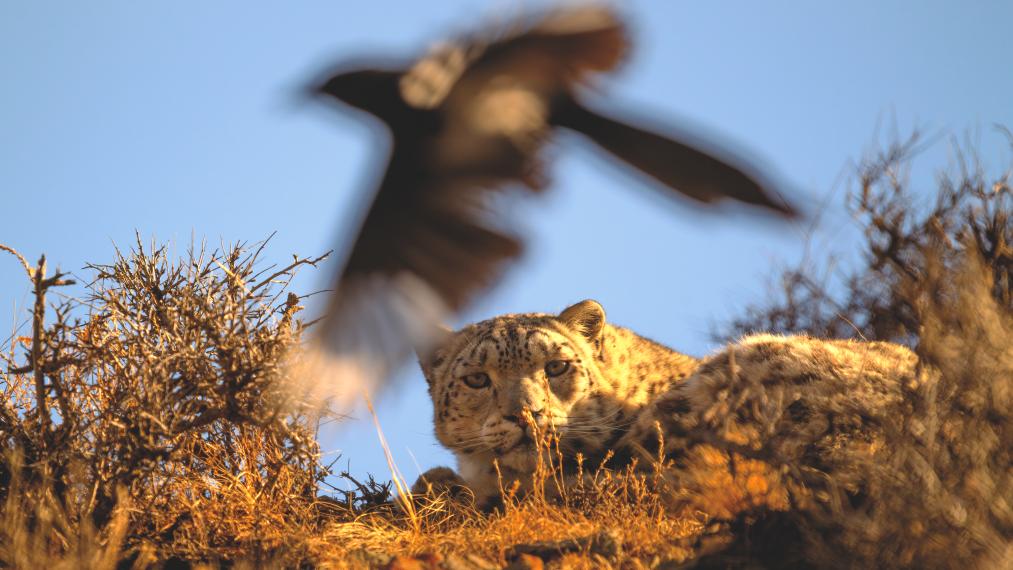
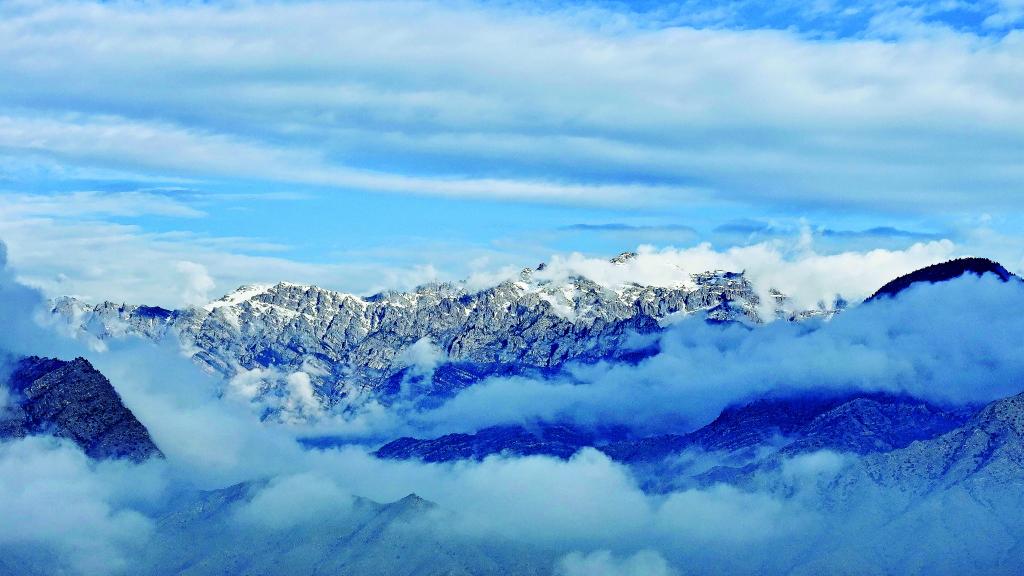
YINCHUAN, Dec. 16 (Xinhua) -- The silent cliffs of the Helan Mountains, once devoid of a legendary presence, are now being reclaimed. More than half a century after vanishing from northwestern China, the snow leopard is making a cautious comeback.
Chinese scientists and authorities have launched a bold conservation initiative to spearhead a groundbreaking reintroduction project. Their goal is not only to restore a local population but also to establish a vital corridor to bridge the fragmented habitats of the northern and southern snow leopard populations.
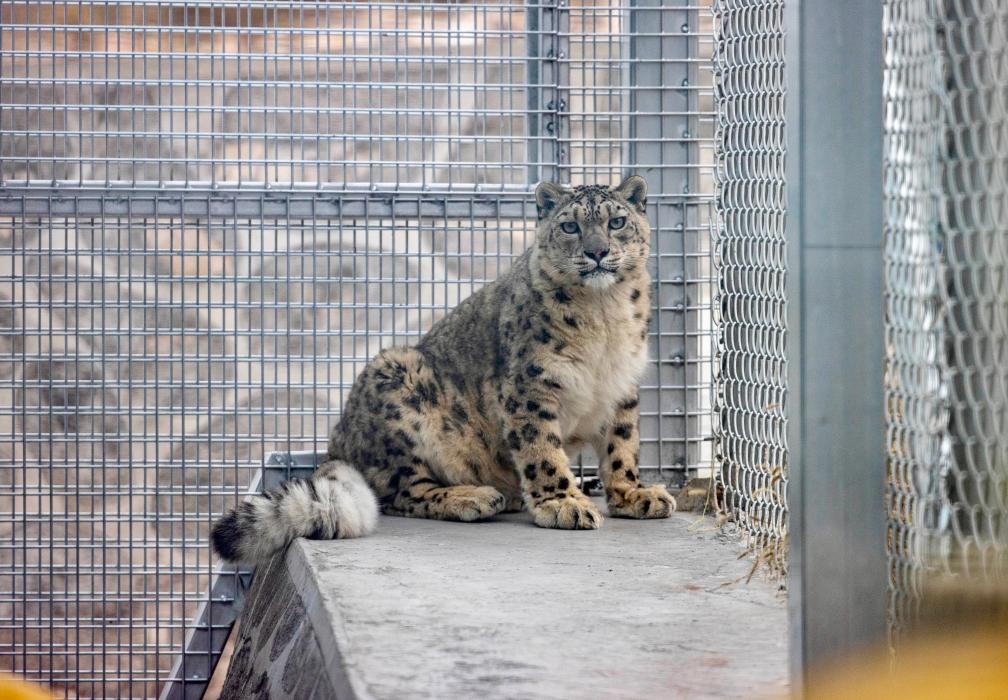
"A total of seven snow leopards now roam the Helan Mountains in the Ningxia Hui Autonomous Region," said Zhu Yachao with the Ningxia Helan Mountains National Nature Reserve Administration, monitoring the movements of the big cats on a screen. "One arrived on its own, while the other six were relocated here since 2021."
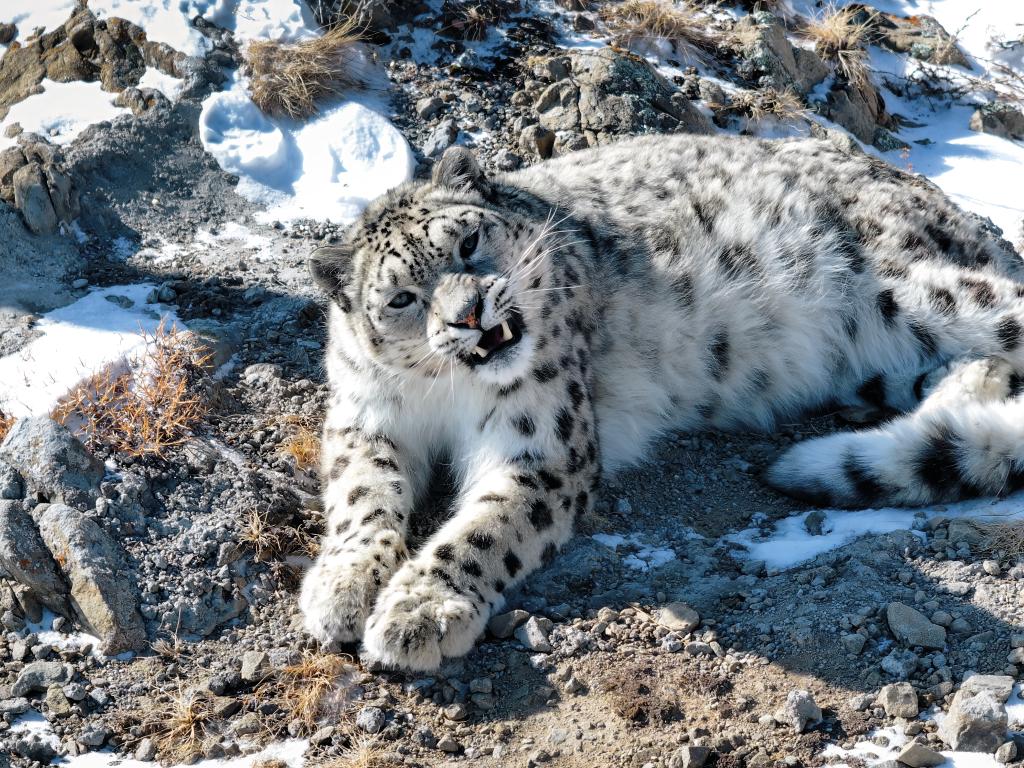
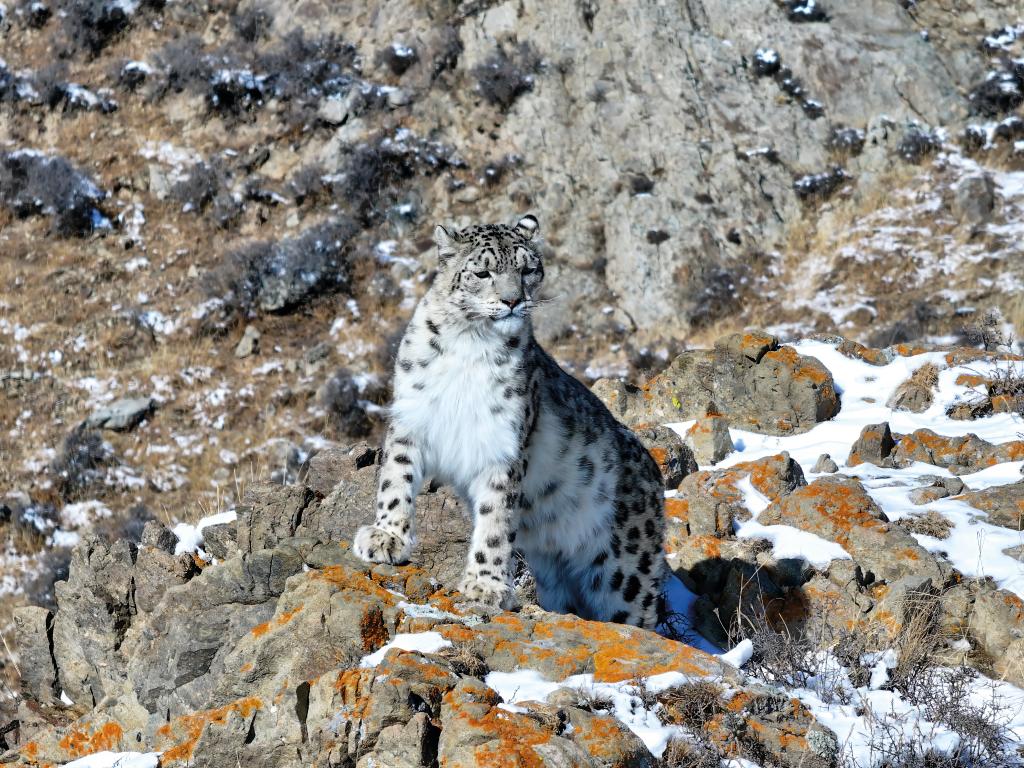
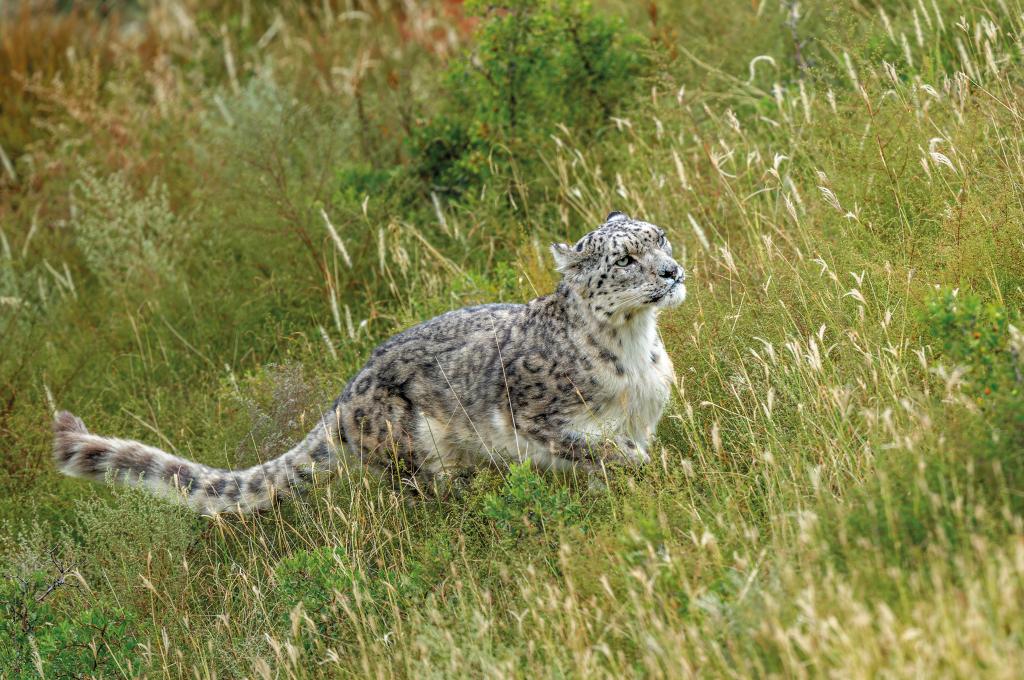
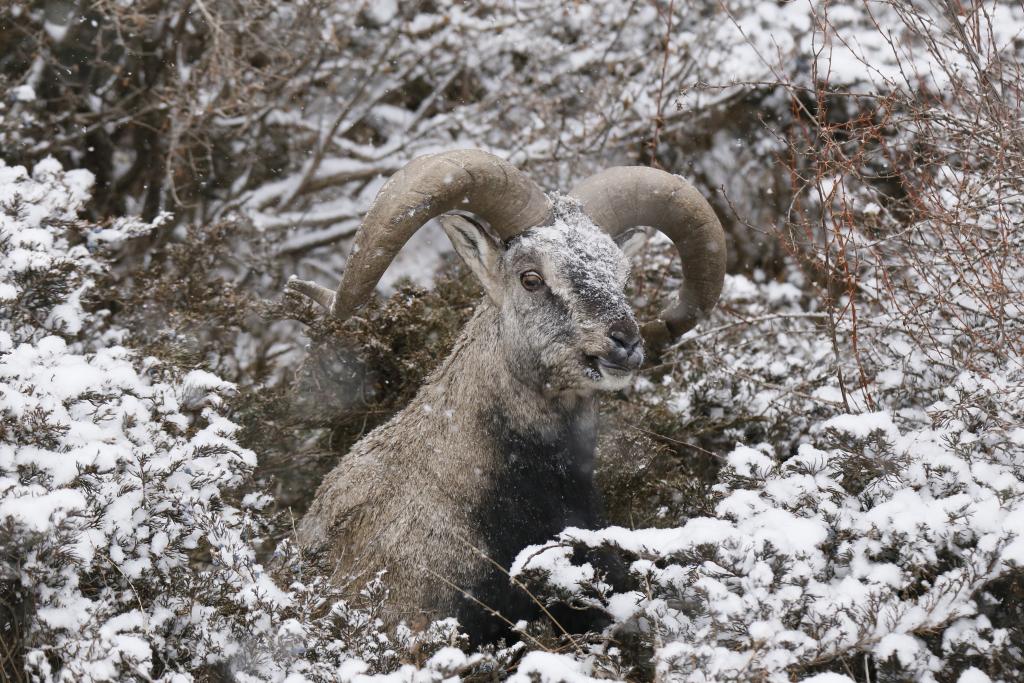
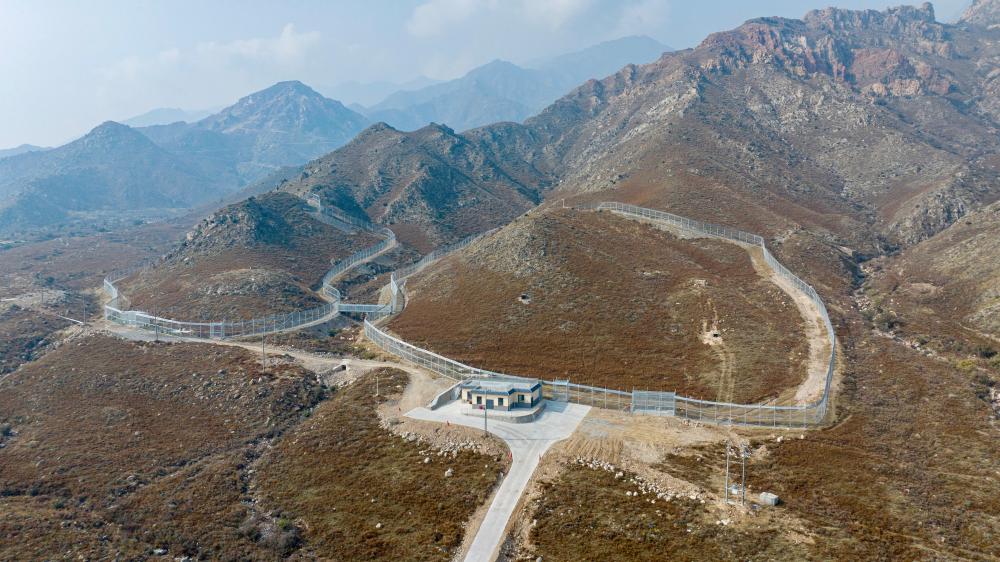
The Helan Mountains, once a stronghold for snow leopards, had not yielded a confirmed sighting of the species since the 1950s. The establishment of Helan Mountains National Nature Reserve in 1988 marked a turning point. By 2018, the blue sheep population had rebounded to 40,000, signaling the ecosystem's recovery.
"But without a top predator, the booming blue sheep population began overgrazing the vegetation," Zhu noted. "We needed the snow leopard back to restore the ecological balance."
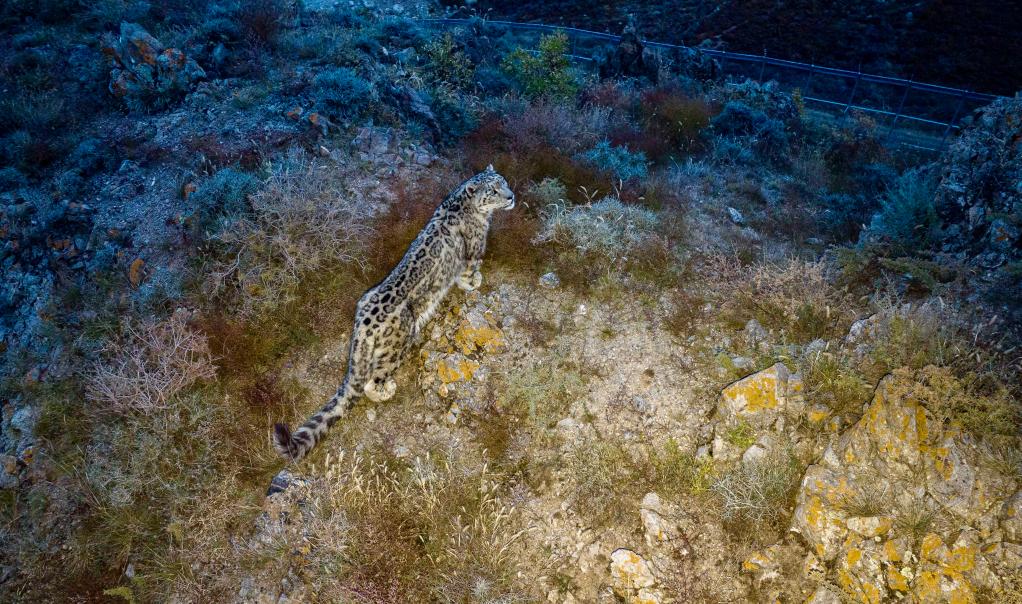
Then, in September 2020, an infrared camera trap captured a fleeting image of a snow leopard. "After nearly 70 years, it was unbelievable," Zhu recalled. "That single image confirmed the mountains were ready, and it accelerated our entire reintroduction project."
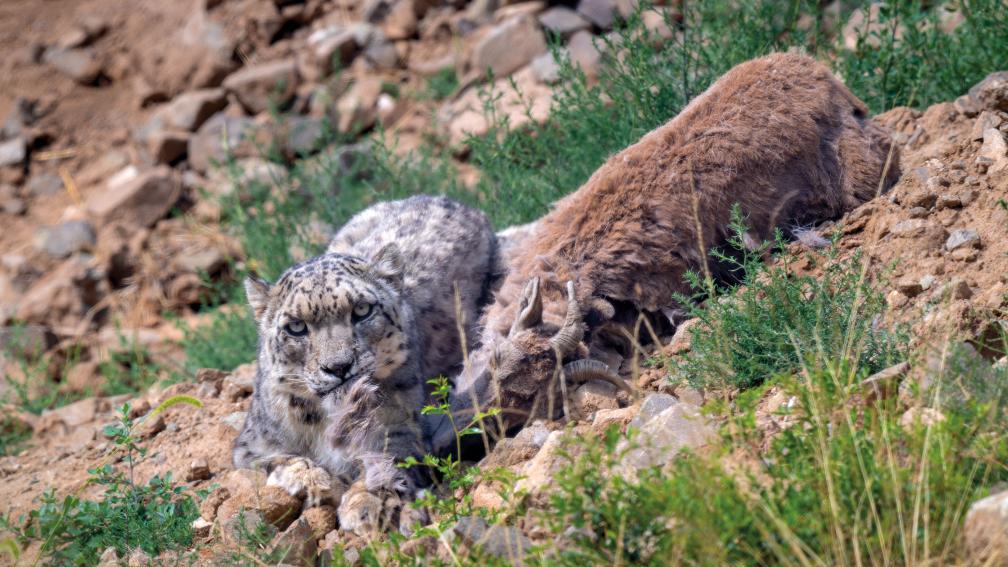
However, reintroducing an apex predator is a monumental challenge, with few successful examples globally. For a specialized species like the snow leopard, there is no established playbook.
"This is truly frontier science," said Shi Kun, a snow leopard expert from Beijing Forestry University who is involved in the project. "The Chinese team is writing the manual with each step, validating everything through trial and observation."
After rigorous preparation, the first translocated snow leopard was released in September 2021. Now, each released cat is tracked via satellite collars, and a network of over 500 infrared cameras blankets the range, providing an intimate look into the lives of these elusive felines.
"The data is encouraging, indicating they are adapting well," Zhu said. "Our short-term goal of establishing a founding population has been achieved. Now, we focus on the medium-term goal of ensuring their natural reproduction and stable growth."

"Protecting the snow leopard is more than just saving a single species," Shi noted. "It's about safeguarding the integrity and stability of an entire ecosystem. In a profound way, the fate of the snow leopard is intertwined with our own."■