
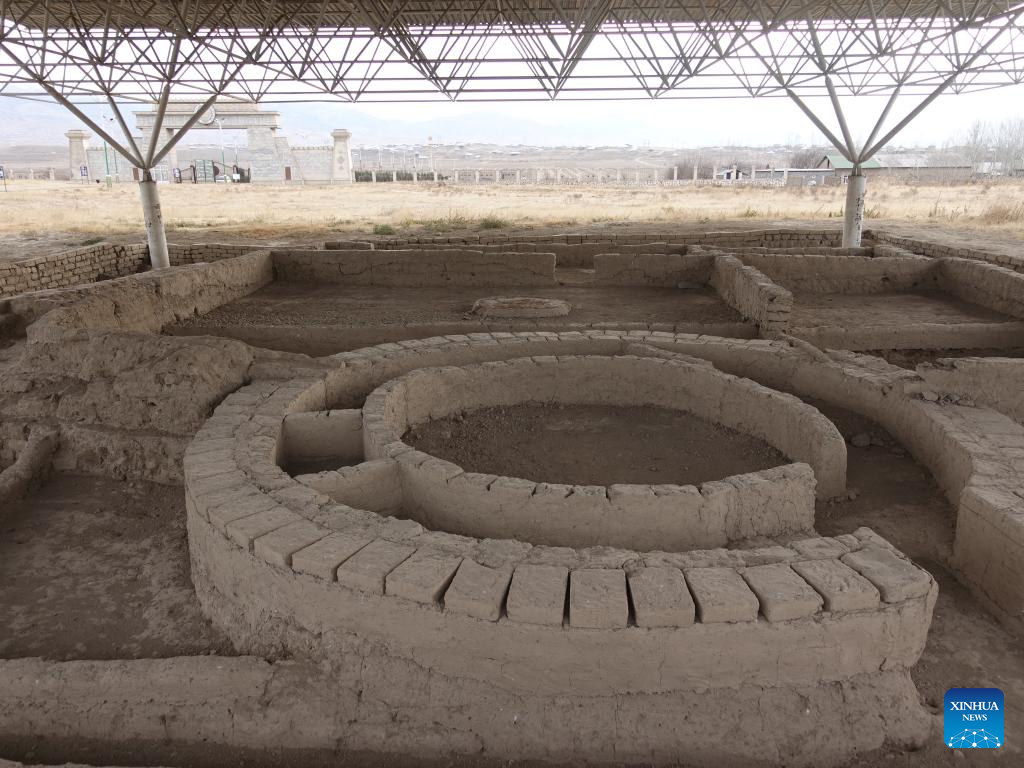
This photo taken on Dec. 11, 2025 shows a view of the proto-urban site of Sarazm in Tajikistan. Sarazm, which means "where the land begins", is an archaeological site bearing testimony to the development of human settlements in Central Asia, from the 4th millennium BC to the end of the 3rd millennium BC. The site was inscribed on the UNESCO World Heritage List in 2010. (Xinhua/An Xiaomeng)
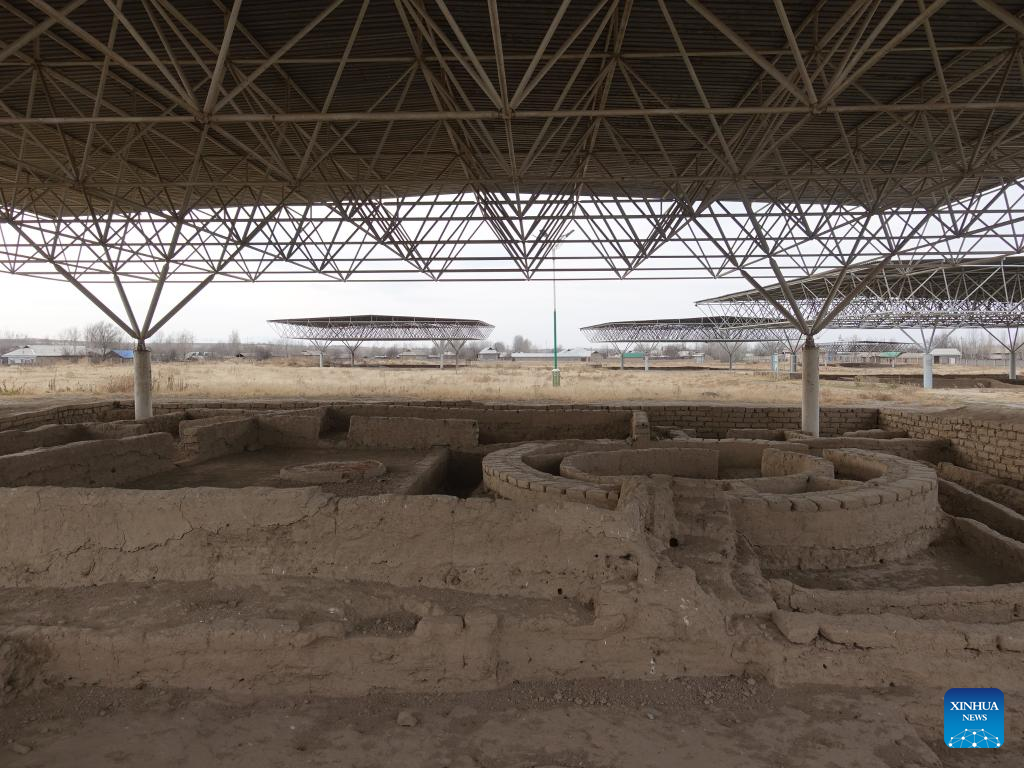
This photo taken on Dec. 11, 2025 shows a view of the proto-urban site of Sarazm in Tajikistan. Sarazm, which means "where the land begins", is an archaeological site bearing testimony to the development of human settlements in Central Asia, from the 4th millennium BC to the end of the 3rd millennium BC. The site was inscribed on the UNESCO World Heritage List in 2010. (Xinhua/An Xiaomeng)
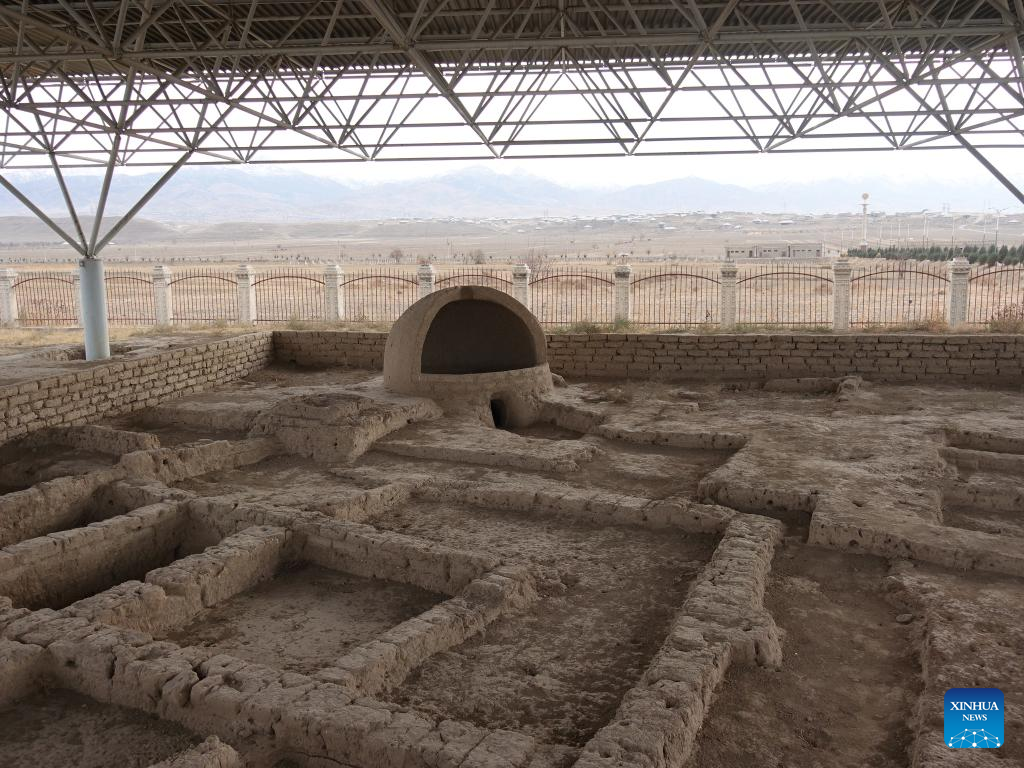
This photo taken on Dec. 11, 2025 shows a view of the proto-urban site of Sarazm in Tajikistan. Sarazm, which means "where the land begins", is an archaeological site bearing testimony to the development of human settlements in Central Asia, from the 4th millennium BC to the end of the 3rd millennium BC. The site was inscribed on the UNESCO World Heritage List in 2010. (Xinhua/An Xiaomeng)
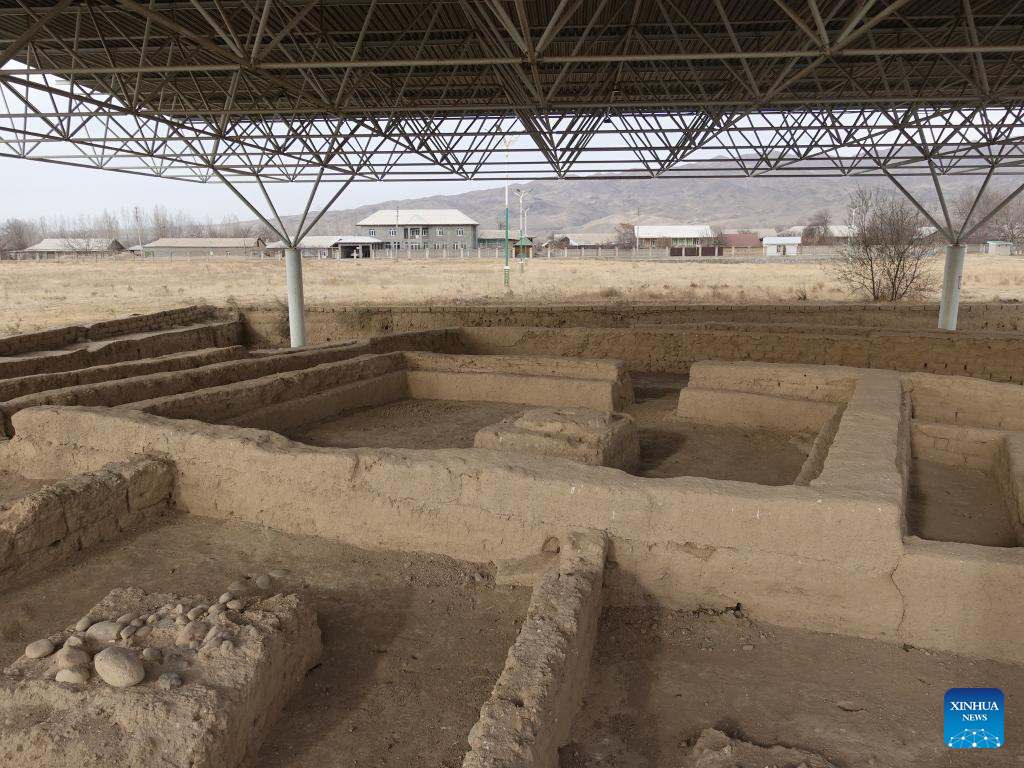
This photo taken on Dec. 11, 2025 shows a view of the proto-urban site of Sarazm in Tajikistan. Sarazm, which means "where the land begins", is an archaeological site bearing testimony to the development of human settlements in Central Asia, from the 4th millennium BC to the end of the 3rd millennium BC. The site was inscribed on the UNESCO World Heritage List in 2010. (Xinhua/An Xiaomeng)
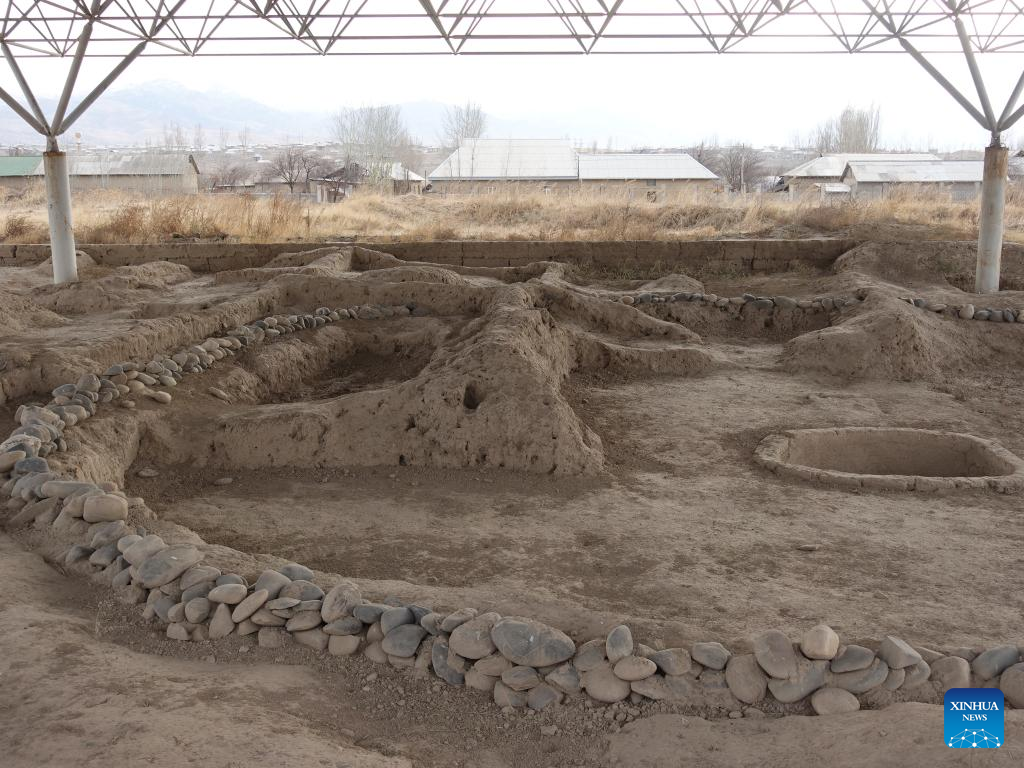
This photo taken on Dec. 11, 2025 shows a view of the proto-urban site of Sarazm in Tajikistan. Sarazm, which means "where the land begins", is an archaeological site bearing testimony to the development of human settlements in Central Asia, from the 4th millennium BC to the end of the 3rd millennium BC. The site was inscribed on the UNESCO World Heritage List in 2010. (Xinhua/An Xiaomeng)


