In many Northern Hemisphere countries, acute respiratory infection rates have increased, driven by seasonal epidemics of respiratory pathogens such as influenza, respiratory syncytial virus (RSV), and other common respiratory viruses, WHO said.
GENEVA, Dec. 11 (Xinhua) -- Influenza activity has risen globally since October this year, with influenza A viruses dominating circulation, the World Health Organization (WHO) said in a report released late Wednesday.
The latest "Seasonal influenza - Global situation" update noted that the increase coincides with the onset of winter in the Northern Hemisphere and a seasonal uptick in acute respiratory infections caused by influenza and other respiratory viruses.
Although global influenza levels remain within expected seasonal ranges, early increases and more intense activity than usual have been observed in some regions, particularly involving influenza A (H3N2) viruses.
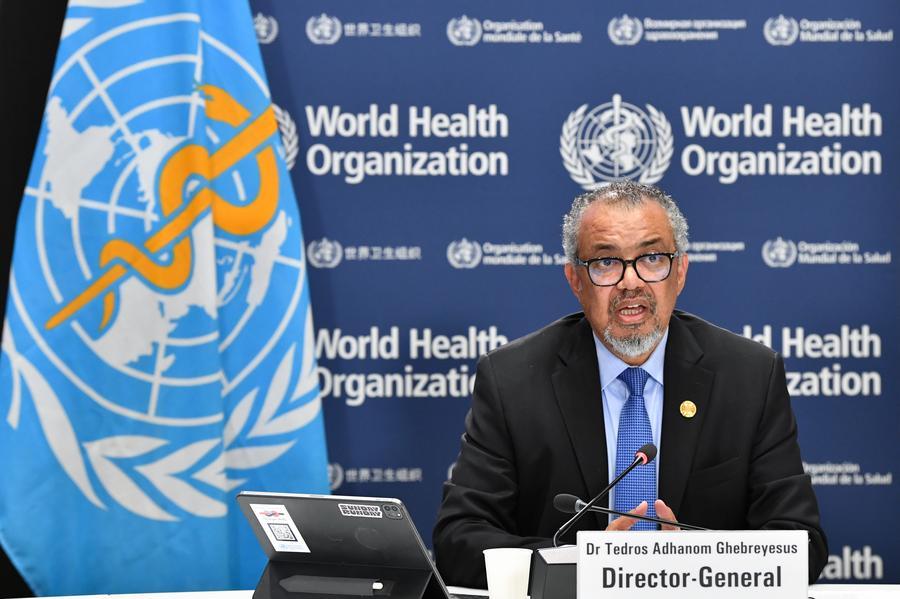
In many Northern Hemisphere countries, acute respiratory infection rates have increased, driven by seasonal epidemics of respiratory pathogens such as influenza, respiratory syncytial virus (RSV), and other common respiratory viruses, WHO said.
The timing of onset, duration, magnitude, and severity of each seasonal wave remain difficult to predict, as they depend on the type of circulating viruses, population immunity, and environmental conditions.
Some Northern Hemisphere countries have reported early starts to the flu season, though activity has not yet reached the epidemic threshold. Meanwhile, parts of the Southern Hemisphere have recorded above-average virus activity in recent months.
Across temperate, sub-tropical, and tropical regions, detections of H3N2 viruses have increased, making this virus predominant since late September.

The report noted that seasonal influenza viruses continue to evolve. Since August 2025, based on available genetic sequence data, there has been a rise in the detection of H3N2 J.2.4.1 (alias K subclade) viruses from several countries.
These subclade K viruses showed several genetic changes from related H3N2 viruses, though current epidemiological data do not indicate an increase in disease severity.
WHO stated that vaccines remain essential, especially for people at high risk of influenza complications and their caregivers. Even when circulating strains differ from those included in vaccines, seasonal influenza vaccines can still provide protection.■