Sub-Saharan Africa has lost nearly a quarter of its biodiversity compared with pre-industrial levels, according to a new study led by African researchers.
CAPE TOWN, Dec. 4 (Xinhua) -- Sub-Saharan Africa has lost nearly a quarter of its biodiversity compared with pre-industrial levels, according to a new study led by African researchers.
Stellenbosch University said in a statement on Wednesday that the study, published in Nature, found that "sub-Saharan Africa has already lost 24 percent of its biodiversity since pre-industrial times."
Hayley Clements, lead author from the Center for Sustainability Transitions at Stellenbosch University, said that many global biodiversity assessments fail to reflect African realities because they rely on sparse local data. "By working directly with the people who study and manage African ecosystems, we were able to capture a much more realistic picture of where biodiversity is declining, where it is being sustained, and why," Clements said.
The five-year project drew on insights from 200 experts across the continent, including researchers, rangers, tour guides and museum curators. Their combined knowledge was used to build a continent-wide Biodiversity Intactness Index measuring the percentage of original species abundance remaining in each area.
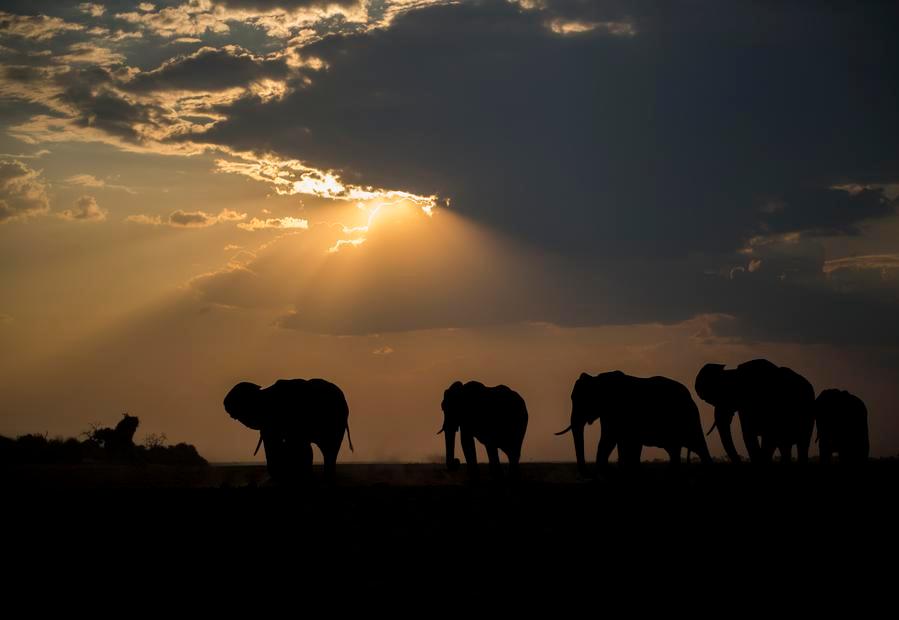
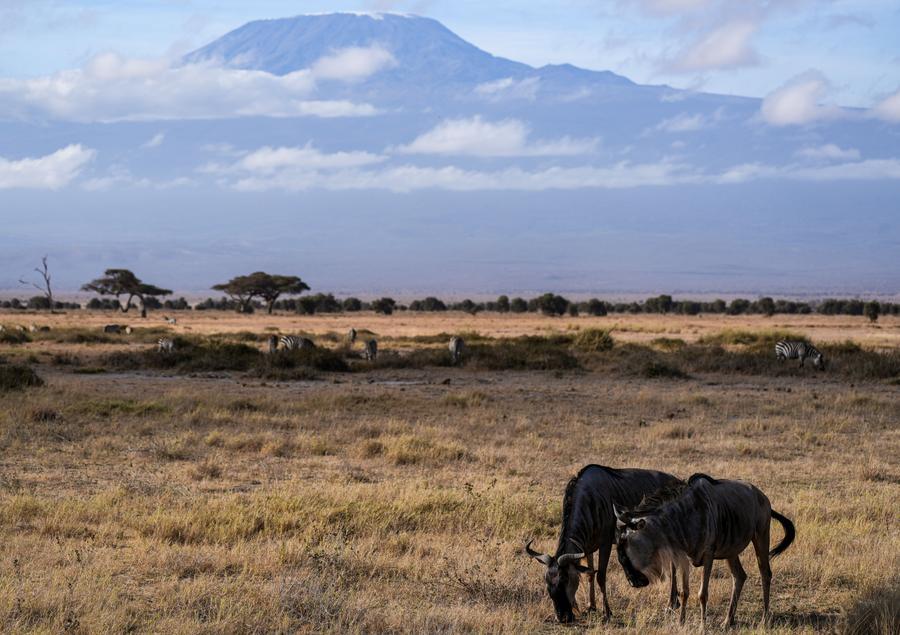
While some disturbance-tolerant plants have declined by about 10 percent, large mammals such as elephants, lions and certain antelope species have lost more than 75 percent of their historical abundance, driven by cropland expansion, unsustainable harvesting and intensive grazing, according to the study.
Central African countries retain some of the highest levels of biodiversity intactness due to the persistence of humid forests, while West Africa shows some of the lowest because of severe forest and savanna degradation.
Meanwhile, over 80 percent of remaining wild plants and animals occur in working lands rather than protected areas.
"Protected areas remain vital, especially for Africa's large mammals, but alone they are insufficient to curb biodiversity loss. Sustainable management of shared working landscapes is key to maintaining biodiversity and supporting livelihoods," Clements added. ■