GAZA, Nov. 14 (Xinhua) -- Just meters from yellow-painted concrete blocks marking the Israeli army's latest withdrawal line, Palestinian resident Saad Halawa lives with his family in a small tent in Jabalia, in northern Gaza.
The "Yellow Line" marks the Israeli military's redeployment boundary under the first phase of the ceasefire agreement between Israel and Hamas. Israeli military maps show it extends between 1.5 and 6.5 km inside Gaza from the eastern border, covering roughly 47 percent of the enclave.
The line divides Gaza into two zones: an eastern area under Israeli military oversight and a western area where Palestinians can move with fewer restrictions.
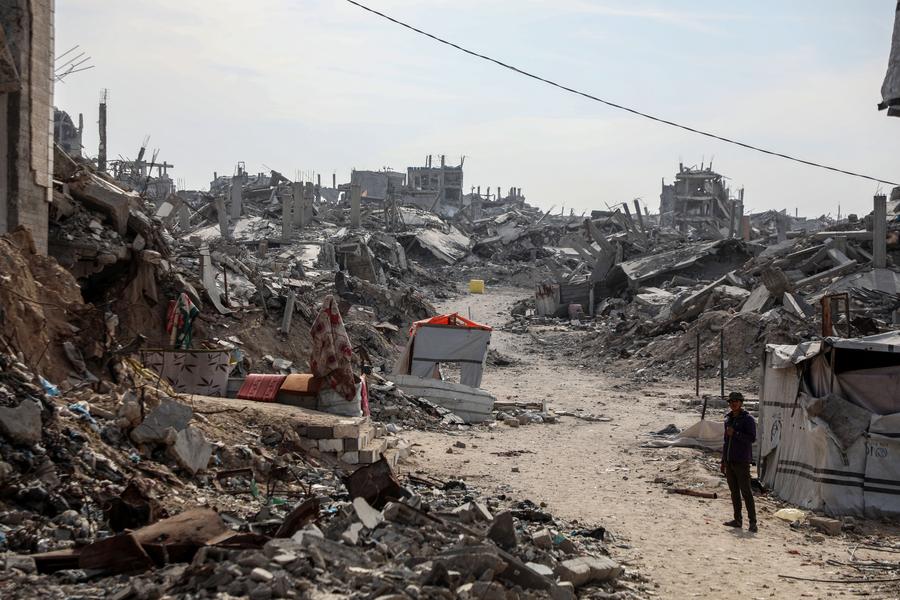
Halawa's tent stands amid the ruins of homes and farmland, with debris scattered across the landscape. "Shelling and gunfire continue day and night," he said, gesturing toward the horizon where dust sometimes rises from explosions.
He described drones and tanks stationed near the yellow-painted barriers. "The Israeli soldiers are just a few hundred meters from here. Sometimes we hear bulldozers demolishing houses or flattening fields. It is risky to move even a few steps beyond this spot," Halawa said.
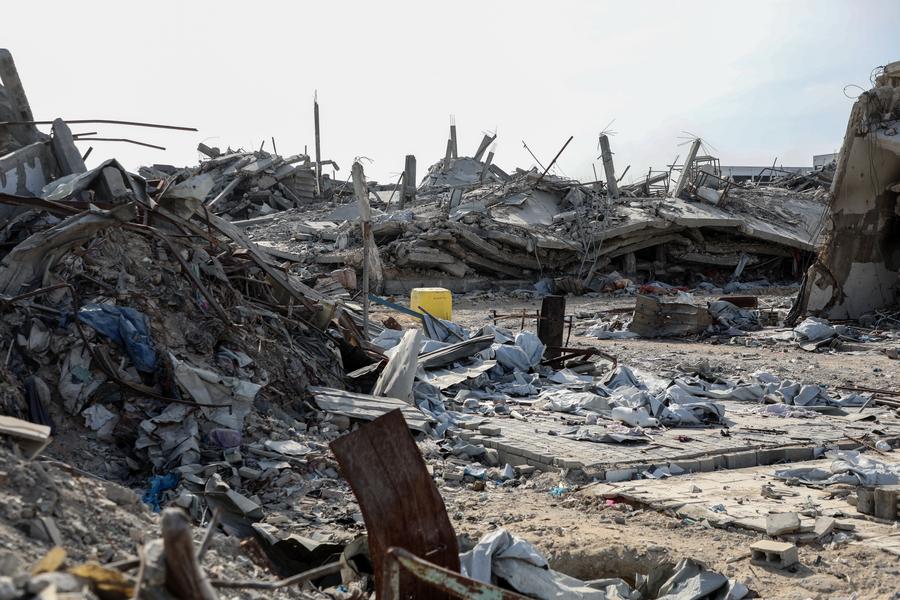
Residents near the Yellow Line often wake to gunfire or small explosions. "At night, the area is dark because there is no electricity, but soldiers use flares that briefly light the sky," he said.
Since the ceasefire took effect on Oct. 10, residents across Gaza have reported nearly daily explosions in eastern areas, believed to result from Israeli operations targeting tunnels and damaged structures.
The Yellow Line has also restricted access for thousands of residents who would otherwise return home in eastern Gaza City, Khan Younis, and the northern towns of Beit Hanoun and Beit Lahia. Local residents say dozens of Palestinians who tried to approach or cross the line were shot by Israeli forces. Israel has said its forces targeted militants attempting to cross the line, which it considered a security threat.
Gaza health authorities report at least 260 Palestinians killed and more than 630 injured since the ceasefire began. Families say sporadic gunfire and explosions continue to put civilians at risk.
Many residents fear the Yellow Line could become a long-term boundary, further restricting movement and deepening displacement. Halawa compared the yellow-marked blocks to the West Bank separation barrier. "This situation may separate eastern Gaza from the western part," he said.
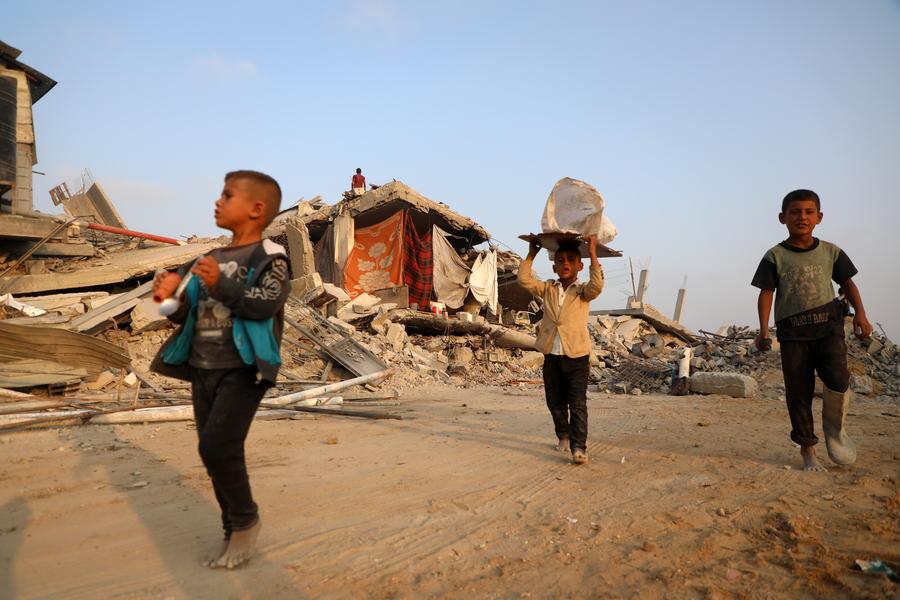
Analyst Akram Atallah, based in Gaza, said the line reflects Israel's effort to reshape Gaza's security and political landscape. "The zone was created to reassure nearby Israeli communities, but it may also limit Palestinian control in the future," he said.
Atallah believed that Israeli officials do not plan to revert to pre-Oct. 7 conditions and aim to maintain a "flexible military presence" with access to Gaza as they decide. Control over eastern farmland also gives Israel influence over part of Gaza's food supply, adding an economic dimension to military oversight.
He said the future of the Yellow Line will depend partly on international engagement. "Without serious international action, this situation could deepen Gaza's division and make recovery and unity more difficult," Atallah said. ■