The cable was not certified for passenger transport and did not meet specifications set by Carris, the municipal transport operator.
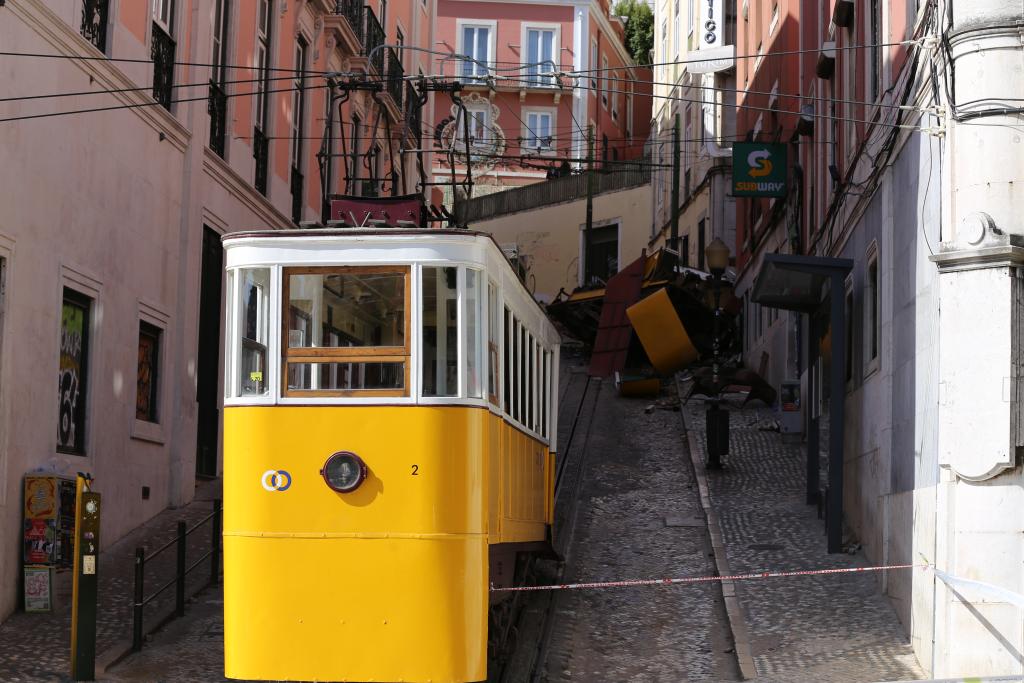
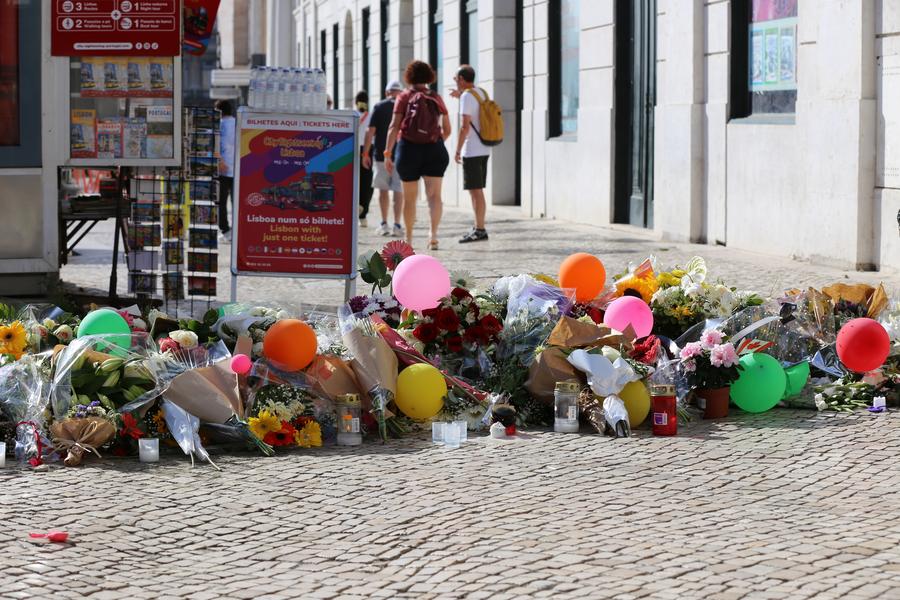
LISBON, Oct. 20 (Xinhua) -- An uncertified cable and accumulated maintenance failures caused the Sept. 3 Gloria funicular accident that killed 16 people, according to a report released Monday by the Aircraft and Railway Accident Prevention and Investigation Office (GPIAAF).
According to the report, the cable was not certified for passenger transport and did not meet specifications set by Carris, the municipal transport operator.
The cable had incompatible characteristics for use with terminal detwisters and inappropriate material properties. It used a synthetic fiber core instead of the previously used steel core type.
Cables purchased from 2022 onward for the Gloria and Lavra funiculars, and the Santa Justa Lift, did not match specifications, including steel grade and certification. Carris accepted and installed the non-compliant cables without its internal control mechanisms detecting the discrepancies. The cables were replaced again in 2024 with identical ones.
The rupture occurred at the cabin fixing socket inside the detwister after 337 days of use. The rupture area could not be inspected without dismantling the detwister, which only occurred during cable replacement. Similar cables operated for more than 600 days without incident, making it impossible to determine a direct connection to the accident at this stage.
Carris' maintenance procedures and safety routines showed deficiencies, with evidence that recorded tasks did not always correspond to work actually performed.
External maintenance provider MNTC Portugal, which has operated since 2019 without specialized funicular engineering staff, installed cables without clear technical information on procedures or quality control. Carris did not update maintenance execution standards and supervised installation without documented procedures.
Workers noticed the cable behaved differently during installation, being more flexible but responding differently to cabin weight. Socket installation followed empirical historical processes transmitted between workers without formal documentation.
The urgent 2022 acquisition prioritized the proposal with the shortest delivery time, despite characteristics that diverged from the correct specifications.
The final report is expected within one year and will provide more information on how these failures contributed to the accident. ■