
Within the Oriental Treasures (Shenzhen) Art Museum, 77-year-old Li Wei gazed intently at each artifact within the display cases: gilded bronze statue of the celestial maiden, the Kesi thangka hailed as “mobile mandala” ... Each piece embodies not only the history cultural exchange, but also the weight of his collecting years, chronicling his extraordinary connection with that wondrous snow-capped region.
Li Wei’s Remarkable Bond with the Snowy Realm
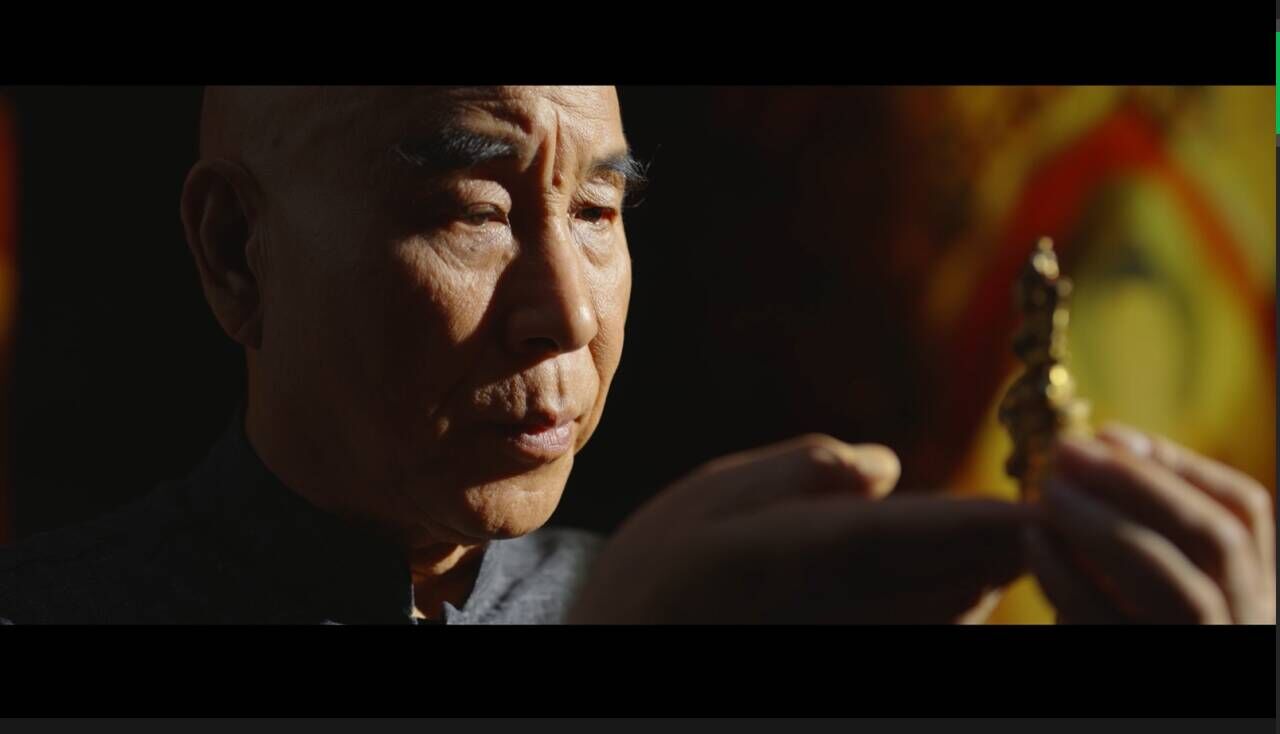
Collector Li Wei with the first small Buddha statue in his collection.
Looking back upon his life, Li Wei never imagined that a single act of kindness over fifty years ago, would lead to a deep bond with Buddha statues and a lifelong love for collecting.
“It was the winter of 1971. I was on a business trip to Qinghai. That winter was exceptionally cold, with temperatures plunging below minus twenty degrees Celsius.” Recalling events from over half a century ago, Li Wei’s memory remains vivid. “On my way, I passed a Tibetan boy of six or seven playing outside his home, wearing only a single layer of clothing. Seeing that his hands and feet are frozen bright red, I quickly gave him a woolen vest and a pair of socks from my bag. When the boy’s father saw this, he was deeply moved. As I was leaving, he insisted on pressing a small parcel into my hands, saying: ‘You are a good man, the Buddha will surely bless you.’”
On the return journey, Li Wei opened the small parcel and discovered a miniature gilt-bronze Buddha statue inside. The small figurine was exquisitely crafted, its body inlaid with turquoise and red coral beads. Li Wei was instantly captivated: “Memories of my grandmother’s daily devotions to the Buddha as a child suddenly came flooding back. That’s when the desire to collect Buddha statues welled up within me.”
However, collecting was not an easy thing to do in China during the early 1970s. Li Wei inquired everywhere for information on small Buddha statues, but never imagined that his first reliable lead would end up with him before a steel furnace. “To witness exquisite Buddha statues being smashed beyond recognition, discarded as scrap metal to be melted down, was heartbreaking!”
Li Wei offered the workers at the furnace all the money he possessed, explaining his desire to preserve and collect these statues. He implored them to keep an eye out for any statues scattered around. Gradually, word of Li Wei’s reputation spread like wildfire, and more and more people began to seek him out.
“Back then, all I had were savings and wages from me and my wife, which wasn’t much.” To pursue his dream of collecting, Li Wei persuaded his family to tighten their belts. They lived frugally, slept on the floor, and even diverted their child’s wedding fund to purchase artifacts.
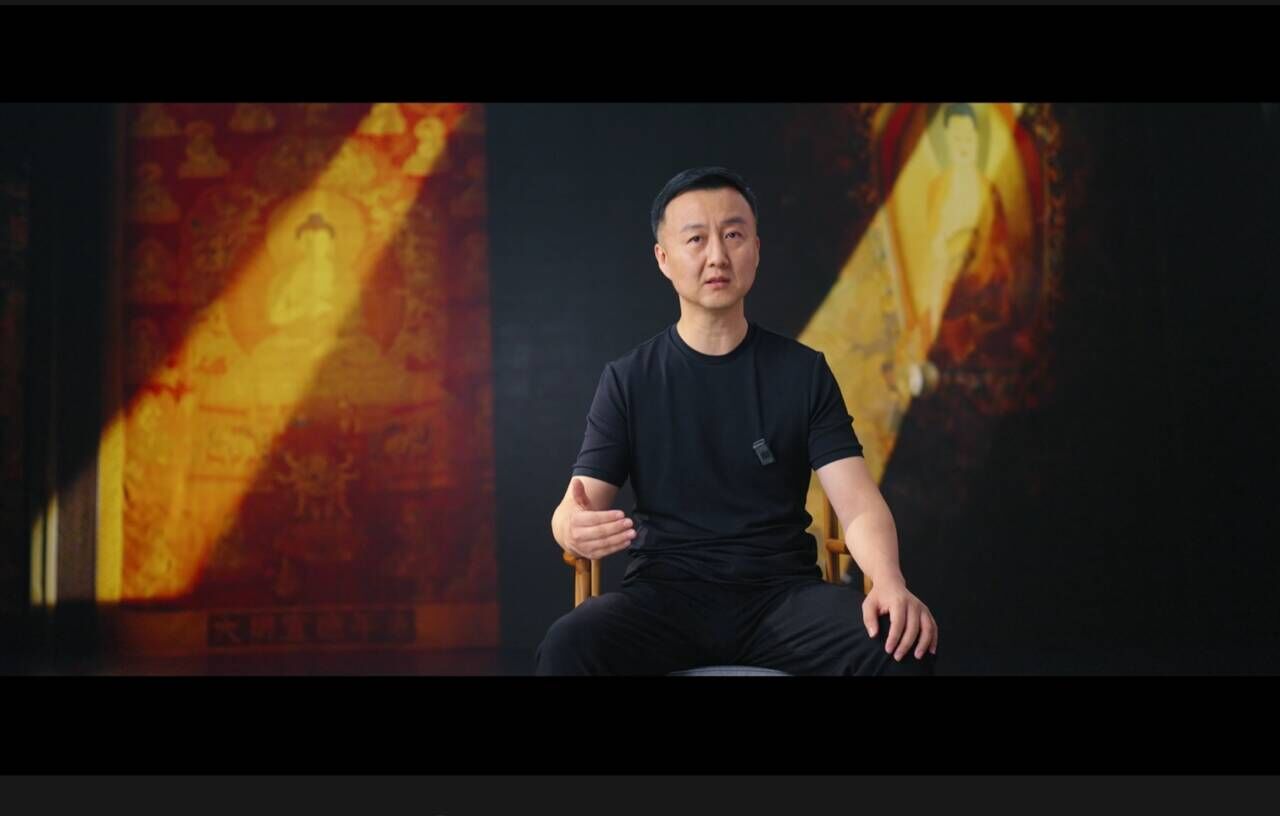
Li Shujia, Li Wei's son, talks about his father's collecting experience.
“At first, I didn’t understand my father, but gradually I came to realize that from the very beginning, his collecting was about ‘protection’ and ‘responsibility’. He truly couldn’t bear to see Buddha statues destroyed one after another. That’s why he was willing to give away all he had to preserve these statues.” Years later, Li Wei’s son Li Shujia spoke of the hardships involved.
Following China’s reform and opening-up, many foreign dealers began to pay closer attention to Chinese cultural relics. Many dealers came to Qinghai and started buying up artifacts in bulk. Li Wei’s meagre salary could no longer keep up. “It pains me to watch, helpless, as these treasure fall into foreign hands and are taken overseas.”
Thus, Li Wei made a resolute decision: he abandoned his secure government post to venture into business. His sole purpose was clear: he would not allow their ancestors’ precious cultural treasures to be lost.
In those years, Li Wei ran a Tao inkstone factory and established a distillery. When batches of Tao inkstones, meticulously recreated using traditional techniques, found their way to Singapore, Japan, as well as China's Hong Kong, Taiwan, Li Wei secured his first significant earnings. He promptly returned to Yinchuan to found an arts and crafts shop named “Oriental Treasures”, and thus embarked upon his true journey into collecting.
Embroidered Thangkas Make Their Debut in Japan, Captivating Everyone's Attention
On 30 September 2024, an exhibition titled “The Art of Embroidered Thangkas: The Beauty of China’s Intangible Cultural Heritage” opened at the Kadokawa Culture Museum in Japan. This marked the first time Chinese embroidered thangkas had been displayed in Japan. The display of 86 embroidered thangkas and 10 rare gilt-bronze Buddhist statues immediately received unanimous acclaim from both Chinese and international media outlets, such as Xinhua News Agency, Agence France-Presse (AFP) and Japan's Yomiuri Shimbun.
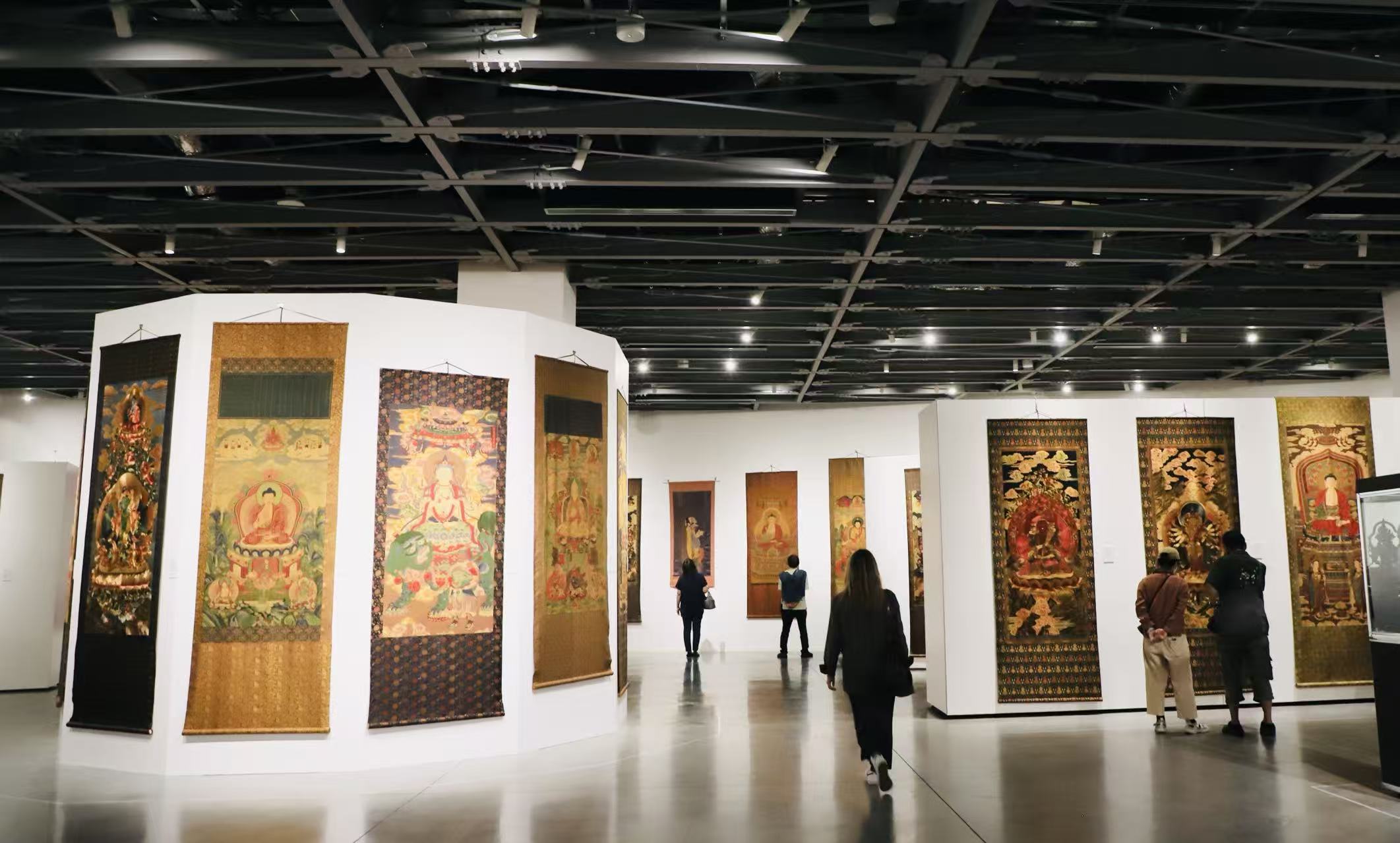
Embroidered thangka exhibition at the Kadokawa Culture Museum, Japan, Oct. 2024. (Xinhua/Guo Dan)
Thangkas serve as vital carriers of Tibetan Buddhist culture, functioning as portable mandalas carried by nomadic devotees. Primarily rendered on paper or canvas in scroll form, their contents cover various aspects including religion, history, politics, economics, culture, architecture, medicine, astronomy, calendrical science, folklore, and secular life. Hailed as the “encyclopedia of Tibetan culture,” they represent an invaluable intangible cultural heritage of China.
Unlike conventional paper thangkas, the works exhibited are woven and embroidered. The works employ over ten embroidery techniques, including kesi (silk-thread embroidery) - famed for its adage “an inch of kesi is worth an inch of gold” - alongside exquisitely detailed Suzhou embroidery, Manchu embroidery, yak-hair embroidery, and seed stitch. Among the exhibits are imperial treasures bearing the “Imperially Bestowed” inscriptions of Ming and Qing emperors, making them truly worthy of the title “National Thangka”.
The exhibition offers visitors a truly eye-opening experience. Every detail in the works - from the figures’ hair and facial features to their attire and adornments, even the brushstrokes and rhythmic cadence of the emperor’s imperial edict - is rendered with astonishing delicacy. The exquisite craftsmanship is nothing short of breathtaking.
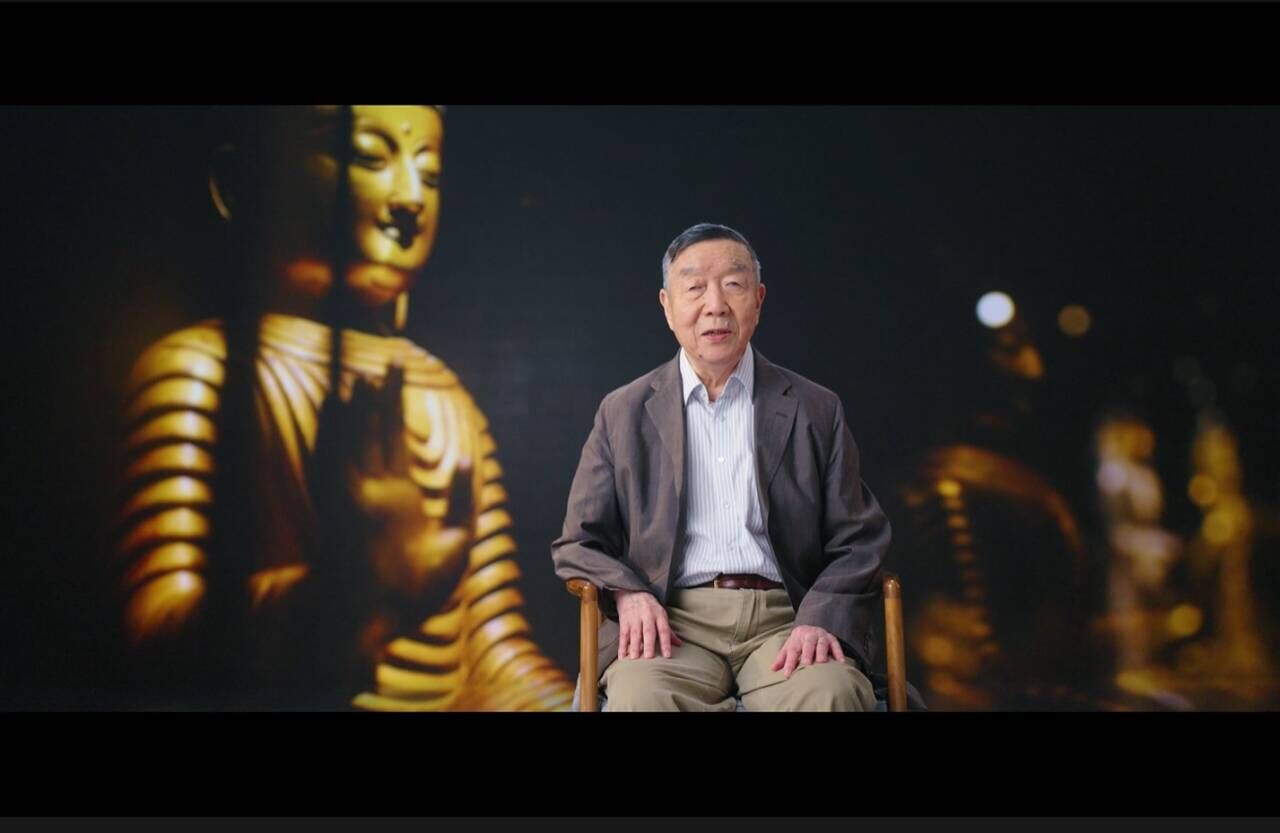
Zheng Xinmiao, former director of the Palace Museum, talks about Li Wei's collection of gilt bronze Buddha statues.
“To see a world in a stitch, and a bodhi in a thread.” Former Director of the Palace Museum, Zheng Xinmiao, who is familiar with Li Wei’s thangka collection, remarked. “Woven and embroidered thangkas represent the most precious category among all thangka types, with very few surviving artifacts. The technique is exceedingly complex, typically requiring years, or even a lifetime, to complete.” Zheng Xinmiao explained: “These embroidered thangkas were usually created using paper thangkas provided by the imperial court as templates. Under the guidance of high monks well-versed in Buddhist doctrine and masters skilled in painting Buddhist images, the finest embroiderers in the palace would undertake a secondary creation of the thangka’s content. The materials used were typically of the utmost quality, making the cost substantial and the pieces exceptionally precious.”
“I never imagined that China still preserved such a complete treasure of Chinese culture,” remarked many visitors, lingering in front of the exhibits, some even moved to tears. As the saying goes, “a masterpiece speaks for itself”. In this moment, the national treasures transcend time and space to spark profound spiritual resonance within the heart of the foreign audience.
“Witnessing such exquisite thangkas today was profoundly moving for us,” remarked Miwako Oda, Representative Director of Nishijin Textile Research Institute, Japan’s most renowned century-old embroidery brand. “Among these embroidered thangkas, numerous weaving techniques are worth learning.”
Former Prime Minister of Japan Yukio Hatoyama sent congratulatory remarks for the exhibition, praising: “The worldview and cosmic perspective distilled within these embroidered thangkas create ripples within the viewers’ hearts. This profound resonance embodies the very essence of cultural allure. Such cultural exchange forms the cornerstone of peace between China and Japan.”
“Mr. Li’s exhibition of embroidered thangkas marks the first time Chinese embroidered thangkas have been presented in Japan.” Masanori Aoyagi, former commissioner of the Japanese Agency for Cultural Affairs, also offered unprecedented high praise.
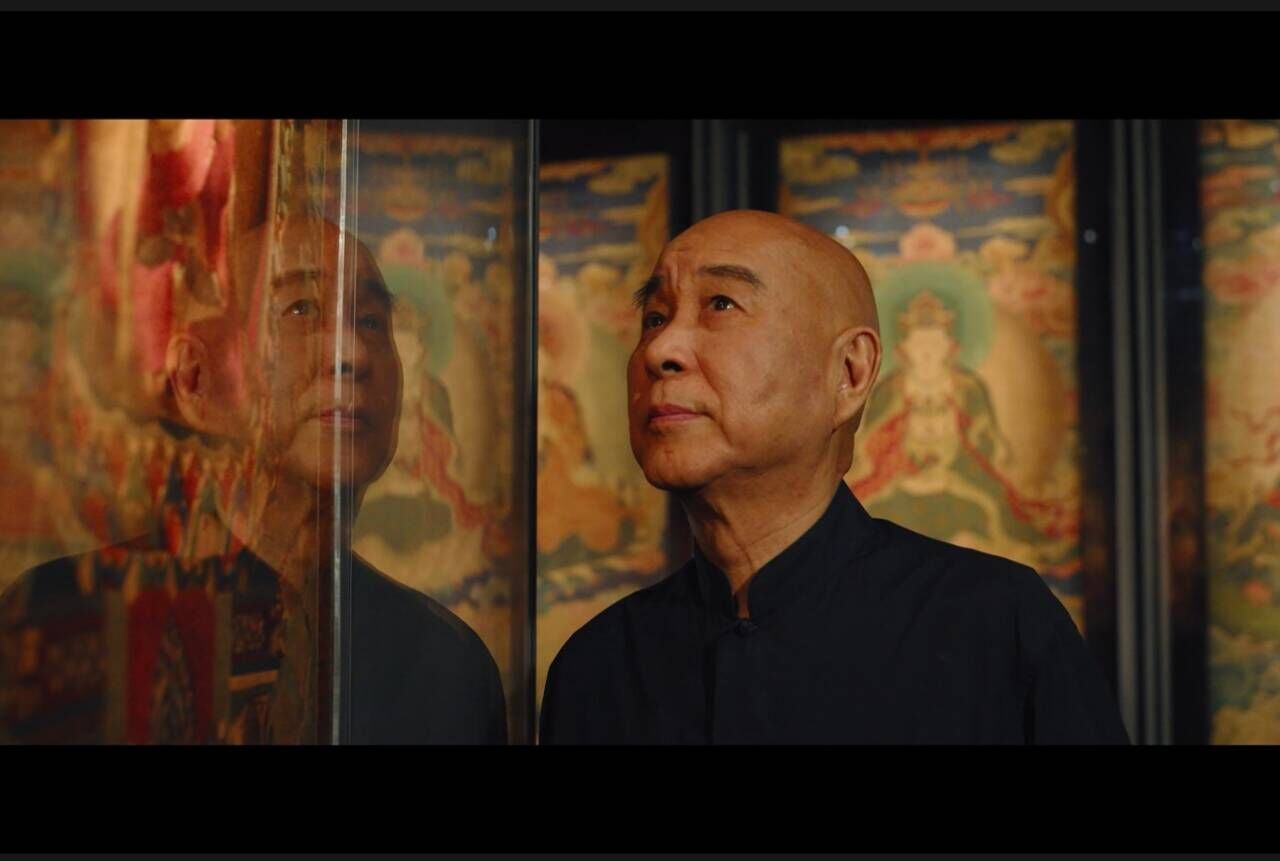
Li Wei viewing his embroidered thangka collection at the Oriental Treasures (Shenzhen) Art Museum.
“At that moment, I felt that no translation or lengthy explanation was needed: the artifacts spoke for themselves,” stated Li Wei. “They transcended borders and history to establish a spiritual connection with the Japanese people. They serve as ambassadors fostering mutual learning between Chinese and foreign civilizations, strengthening my resolve to let the world experience the charm of these Eastern treasures.”
“Among the Myriad Waters, I Choose Only Qinghai”
“A good collector must have their own specialized field.” When asked about his sole focus on Qinghai artifacts for the past decades, Li Wei explained. For him, Qinghai is more than just a place where his collecting journey began; decades of dedicated acquisition have granted him profound familiarity with its culture, history, and customs. He possesses meticulous knowledge of each artifact’s provenance and origin. “I collect only from primary sources, acquiring pieces that have never entered the secondary market,” Li Wei informed the reporter.
Qinghai boasts not only sacred snow-capped mountains, but also generations of religious devotion. Situated on the plateau, it borders Xizang, overlooks Xinjiang, and serves as a vital bridge connecting the Hexi Corridor with inland China. Since the Ming Dynasty, cultural exchanges between Xizang and the Central Plains have flourished here, making it a crucible for cultural fusion and a corridor for cultural dialogue between China and Central Asian nations.
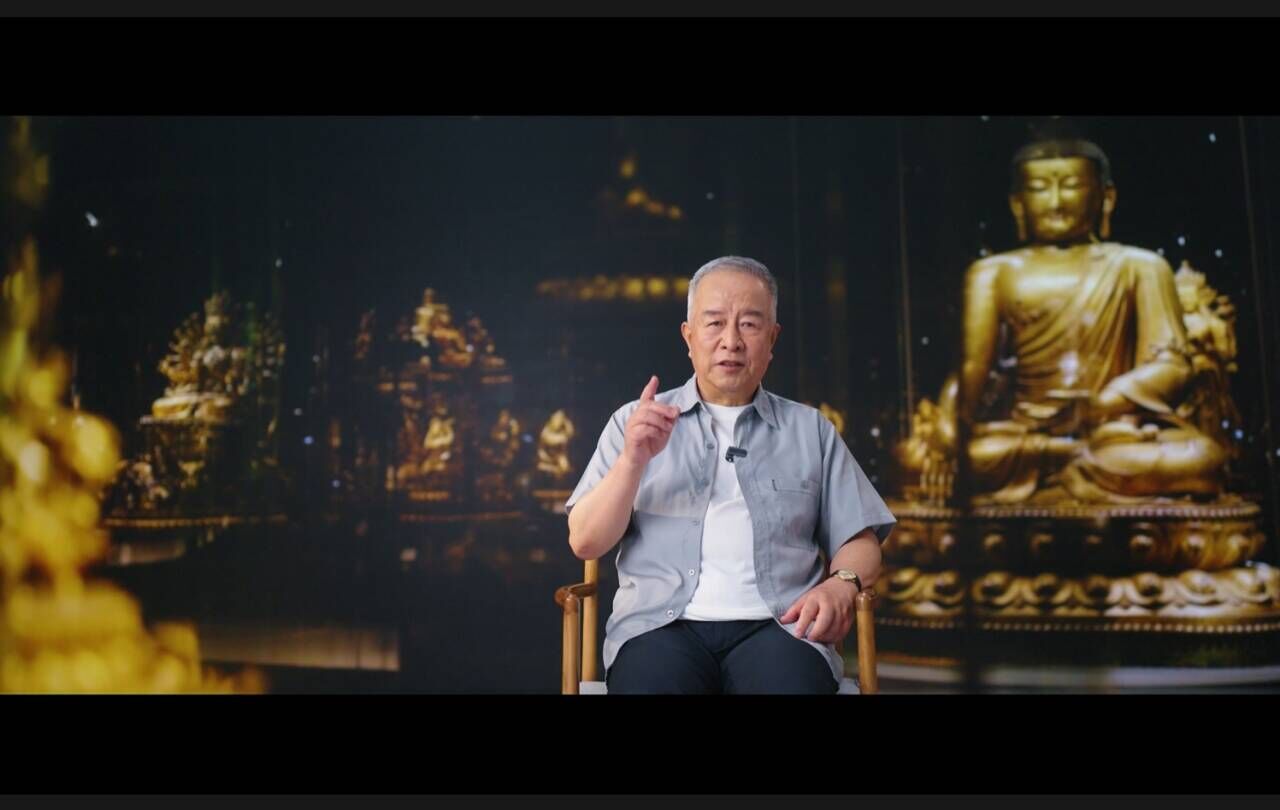
Peng Changxin, former director of the Department of Policies, Laws and Regulations of National Cultural Heritage Administration, talks about Li Wei's collection.
Peng Changxin, former director of the Department of Policies, Laws and Regulations of National Cultural Heritage Administration, also attended the embroidered thangka exhibition in Japan. Peng has long followed Li Wei’s collecting endeavors: “Mr. Li’s collection of gilt-bronze Buddha statues and embroidered thangkas distinctly embodies Han and Tibetan culture. These works adhere meticulously to Tibetan Buddhist dimensions and rituals while incorporating traditional aesthetic sensibilities from the Chinese heartland. This unique fusion of Tibetan and Han forms bears distinct historical imprints, encapsulating the original historical information of the Ming and Qing dynasties’ working to maintain national unity and achieve ethnic harmony. The collection is not only an artistic expression of the history, but also a testament to the cultural and national identity shared by Tibetan Buddhism and Han Buddhism. It provides invaluable historical evidence and precise cultural markers for researching the history.”
According to historical records, from the Ming and Qing dynasties onwards, emperors employed the investiture system to consolidate their authority over frontier regions, thereby winning the allegiance of senior figures from various religious sects in Qinghai, Xizang and other areas. At that time, representatives from various regions, sects, and monasteries across Xizang - both monastic and lay - would journey to the imperial court to receive official titles and imperial gifts. Through these frequent exchanges, artifacts blending Han and Tibetan cultural elements were presented as tributes from Qinghai to Beijing. In turn, Ming and Qing emperors bestowed objects reflecting Central Plains culture, or pieces crafted specifically to reflect the religious traditions of Qinghai and Xizang.
“Among the embroidered thangkas we exhibited in Japan are treasures distributed by the Changkya Rolpe Dorje, who was revered a principle Buddhist teacher in the Qing court, to monasteries in Qinghai. Some thangkas bear the clearly embroidered inscription ‘Imperially Bestowed’. Both the embroidery craftsmanship and the hues of their silk threads proved these pieces to be national treasures,” remarked Li Wei with pride.
Enduring Hardship with Great Virtue
Looking back on his fifty years of collecting, Li Wei often compares his journey to the arduous journey in Journey to the West. Acquiring each exquisite artifact for his personal collection proved no simple feat. Li Wei had truly journeyed to the western regions of China in search of genuine treasures, seeking the “sacred scriptures”. Moreover, these five decades of collecting have been fraught with countless trials and tribulations, with more than one near-death experience.
Li Wei recounted, with great enthusiasm, several unforgettable brushes with death on his collecting adventures: “Once, after driving over ten hours to reach a Tibetan family’s home, our vehicle broke down in a blizzard at over minus thirty degrees Celsius. At an altitude of over 3,000 meters, the car wouldn’t start and we were suffering from oxygen deprivation. At that moment, I truly felt my end was near. Fortunately, another vehicle passed by and rescued us. On another occasion deep in Xizang, I encountered a wild mastiff. The dog, likely starved for days, pounced on me, leaving my life hanging by a thread. On another occasion, whilst abroad, I learned that a priceless artifact was about to be purchased by overseas antiquities dealers. I spent over 30 hours transferring between flights, trains and coaches, finally returning to China ahead of the dealers to secure the treasure...”
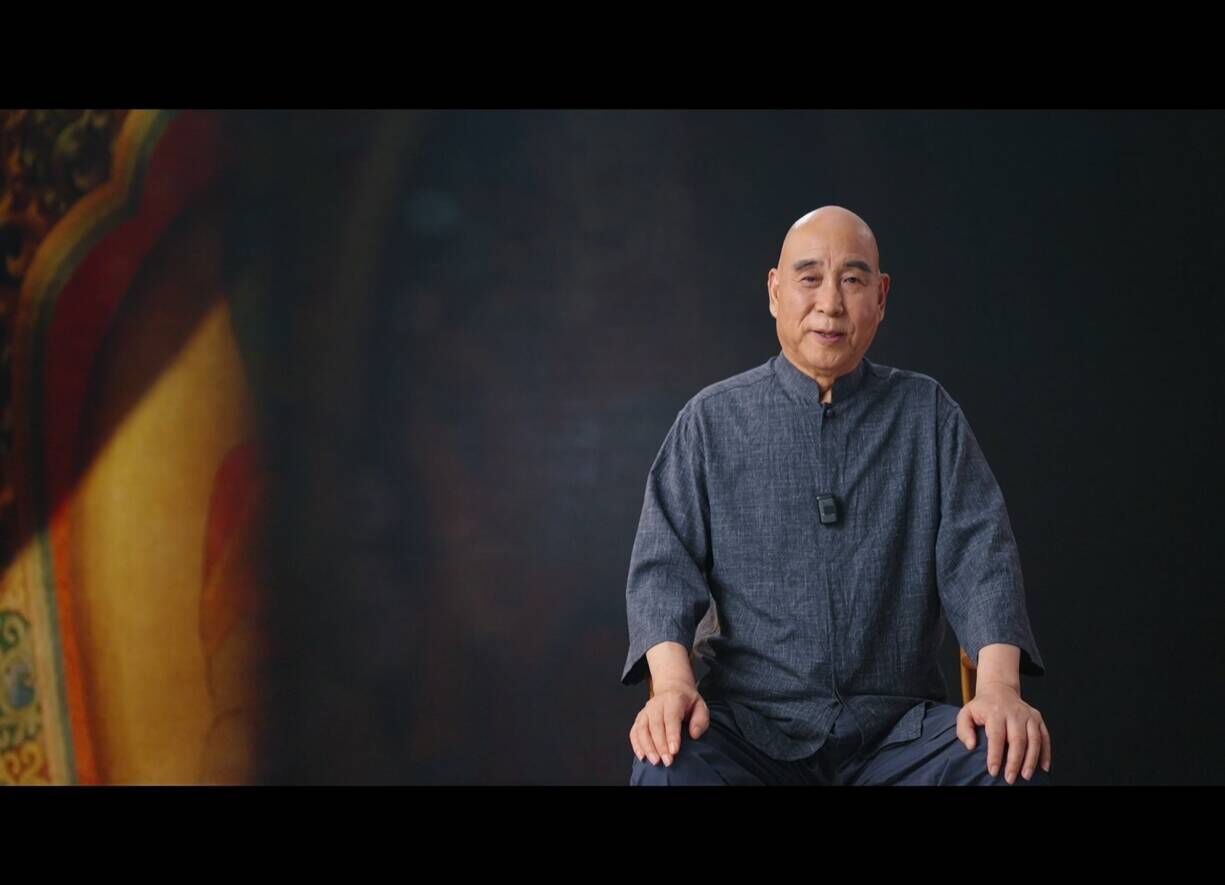
Li Wei talks about his collecting experiences.
For the sake of collecting, Li Wei willingly endured immense hardship. He believes that: “Without genuine affection for the artifacts, or the resolve and perseverance to protect cultural relics from being lost overseas, one cannot sustain a collection long-term. That would merely make one a ‘merchant’ buying and selling goods: hardly a collector.”
“Collecting often reflects one’s character,” remarked Li Wei, distilling the essence of decades of collecting. “As the saying goes, ‘Substantial virtue sustains all things.’ Only with sound moral character can one maintain one’s calm, resist petty gains, and focus on the long term. Moreover, without noble ethics, one cannot acquire fine pieces. Even if obtained by chance, they’d likely be sold swiftly for profit.”
Li Wei recounted a tale of an elderly woman from Qinghai selling a silver Buddha statue. The elderly woman, urgently needing funds for a sick relative, brought her family heirloom and plucked up the courage to ask for ‘ten thousand yuan’. But after examining the statue’s age and materials, Li Wei offered double the price without hesitation. “One mustn’t let the other party feel short-changed. Only by demonstrating genuine care for the statue, fair pricing, and integrity will more people be willing to entrust you with finer pieces.”
“Eye-based Appraisal and Scientific Analysis” :An Original Method
When faced with an artifact, discerning its authenticity is paramount. Li Wei states that he has developed a proven methodology: Eye-based appraisal paired with scientific analysis.
The so-called “Eye-based appraisal” refers to the discerning eye for evaluating artifacts. Li Wei indicates that through his long-term focus on various artifacts from the Qinghai region, he can instantly judge key information such as the historical context and cultural characteristics behind an artifact, based on its provenance and distinctive features at first sight.
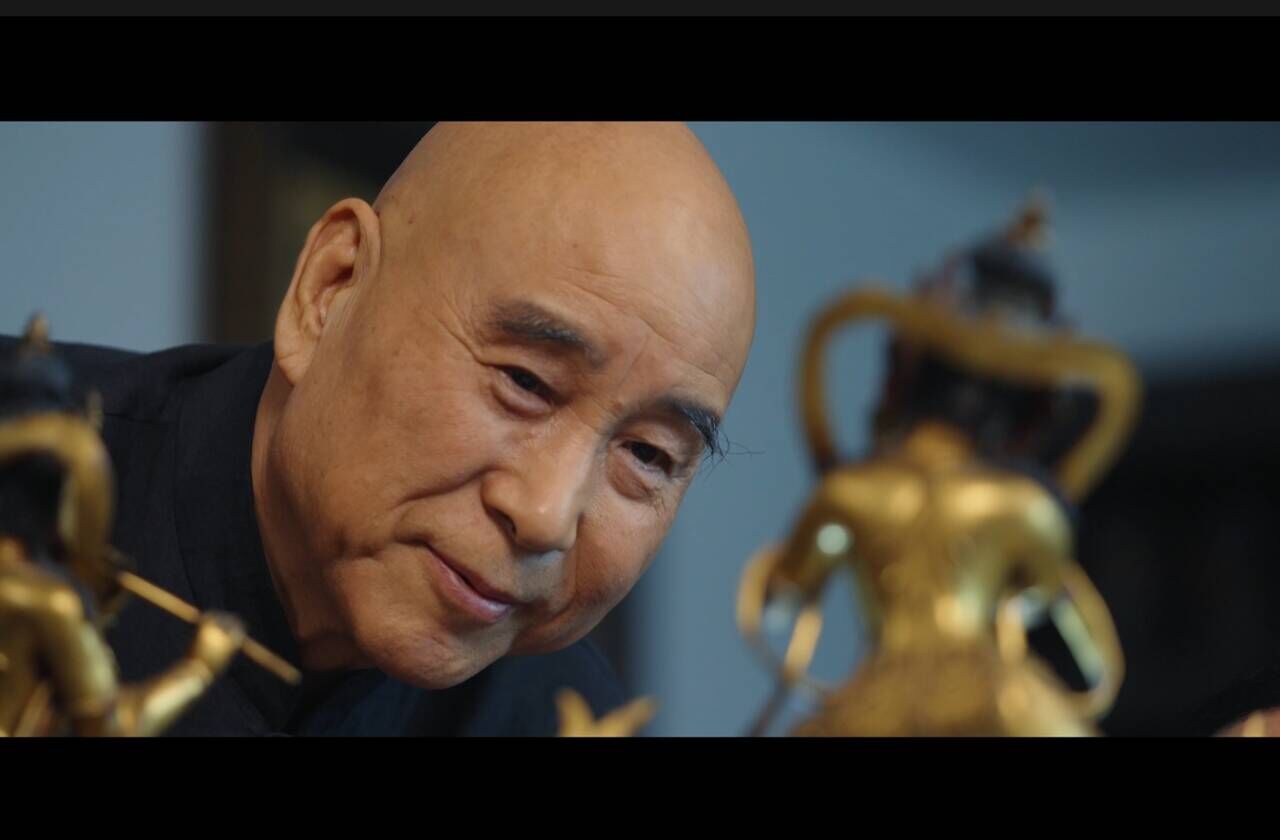
Li Wei looks over his collection.
However, cultivating such a sharp eye for authenticity is no overnight feat: dedicated study is indispensable. Li Wei not only studies historical research materials but also purchases illustrated catalogues of contemporaneous or regional artifacts from major bookshops worldwide, meticulously examining each piece. “Later, I simply placed collected Buddha statues from different periods by my bedside for comparison. Every moment I opened my eyes, I observed these statues, distilling their defining traits and patterns. Subsequently, any Buddha statue presented before me could be instantly dated and regionally identified based on facial features, attire, craftsmanship, and other characteristics.” Li Wei also quietly revealed to our reporter that, the facial transformations in Buddha statues across eras might bear resemblance to the emperors of their respective reigns: a unique insight gained after examining hundreds of statues.
The “Scientific Analysis,” Li Wei explained, referred to scientific testing, such as using precision instruments to date artifacts. “If visual appraisal offers holistic judgement, scientific testing provides precise determination,” Li Wei stated.
Zhou Weirong, an expert in the history of ancient Chinese metallurgy and former director of the China Numismatic Museum, conducted a meticulous analysis of Li Wei’s collection of Ming Dynasty Yongle and Xuande period gilt-bronze Buddha statues. He and his team extracted small samples from these pieces, analyzing them through chemical, physical, metallurgical, and archaeological perspectives, culminating in the paper on alloy composition and interpretation of Yongle-Xuande period bronze Buddha statues.
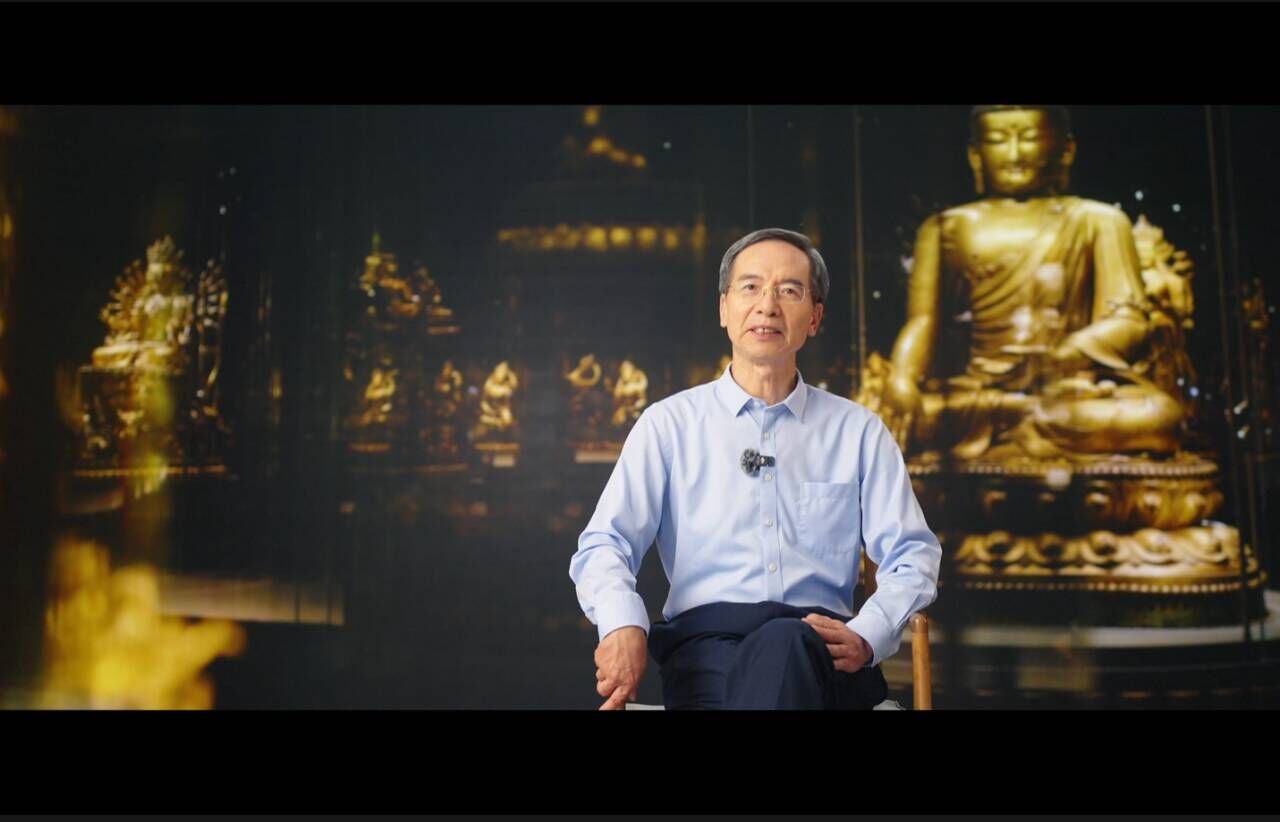
Zhou Weirong, expert in history of ancient Chinese metallurgy and former director of China Numismatic Museum, discusses the authentication of Li Wei's collection.
Zhou Weirong stated: “Between November 2011 and February 2012, we authenticated 29 bronze Buddha statues from the Yongle-Xuande period of the Ming Dynasty in Mr. Li’s collection. Each statue exhibits classical proportions and graceful postures, entirely gilded with gold leaf, reflecting exceptional craftsmanship. The alloy composition is low-zinc brass, characteristic of typical bronze-cast sculptures. Casting techniques reveal consistent use of the lost-wax method, with meticulous precision evident in design, mold division, and post-casting refinement.”
From Collection to Exhibit: Enhancing the Radiance of Chinese Culture
In the early summer, the Zhoushan Archipelago presents a vista of azure seas and clear skies. Nestled within this “Buddhist Kingdom of Sea and Sky”, where mountains meet the ocean, lies the Guanyin Dharma Realm of Mount Putuo: a cultural exposition park integrating pilgrimage, sightseeing, experiential activities, and ecology.
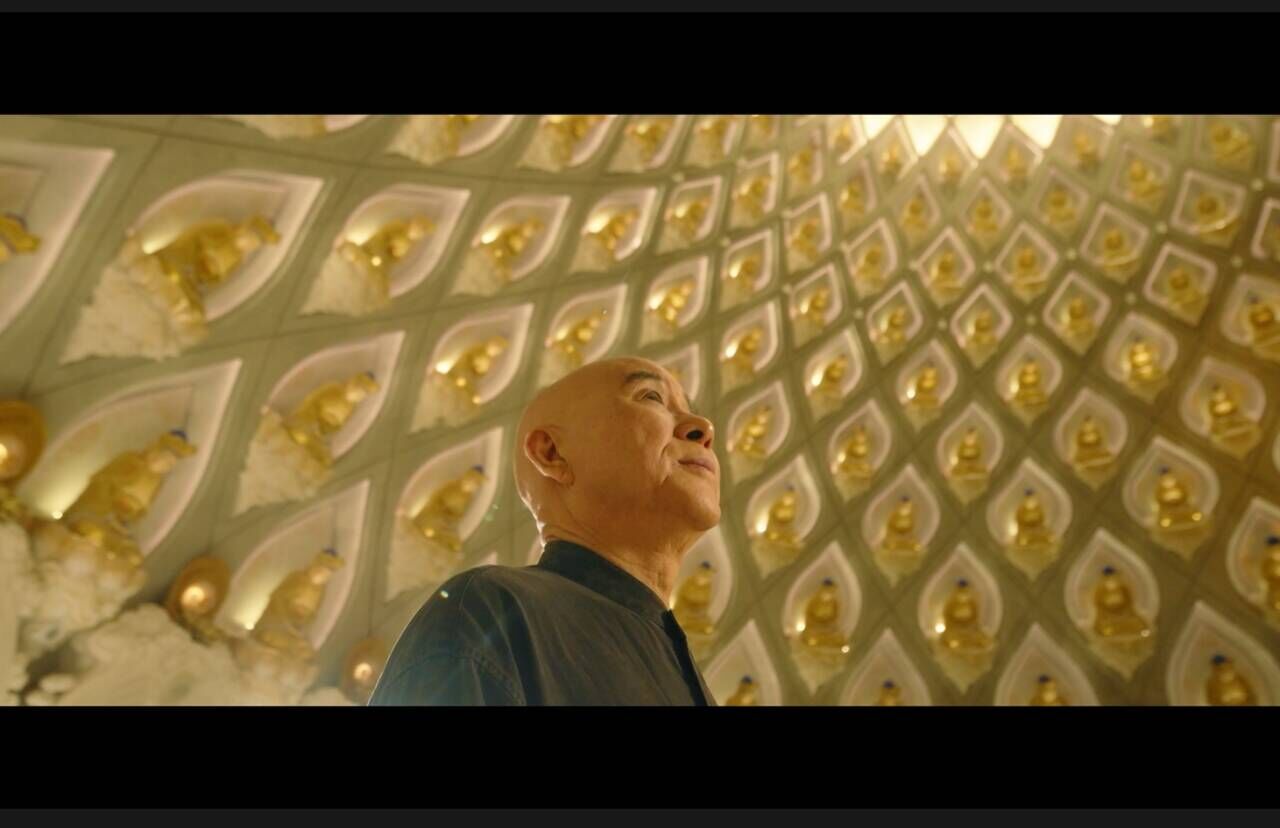
Li Wei at the Guanyin Dharmadhatu on the Putuo Mountain.
Entering the Guanyin Altar within the complex, a magnificent dome of the Thousand-Armed and Thousand-Eyed Guanyin unfolds before one’s eyes. Layers upon layers of golden Buddha statues converge towards the vaulted ceiling, culminating in a dazzling dome of light that is utterly awe-inspiring. On the second and third levels of the sanctuary, over 700 gilt-bronze Buddha statues and ritual implements donated by Li Wei are displayed.
In November 2015, upon learning of Guanyin Dharma Realm’s imminent completion and opening, Li Wei offered unwavering support. He not only donated 500 treasured bronze Buddha statues from the Yuan, Ming, and Qing dynasties to the Putuo Mountain Buddhist Association, but also resolved to establish China’s first Buddhist statue research institute here, advancing studies in Buddhist sculptural art and the long history of Tibetan-Han exchange.
“The Guanyin Dharma Realm was conceived as a cultural project by the Zhejiang Provincial Party Committee and Zhoushan Municipal Party Committee, not only as an artistic endeavor, but also to integrate Buddhism with culture.” Xin Haiping, former Party official of Zhoushan, recounted the donation’s origins with profound significance to reporters. “The bronze Buddha statues and ritual implements donated by Mr. Li not only enrich the Guanyin altar’s exhibits but also deepen public understanding of the integration between Han and Tibetan cultures. The Buddhist statue research institute, currently under construction, will establish a platform for better preserving and transmitting China's outstanding traditional culture.”
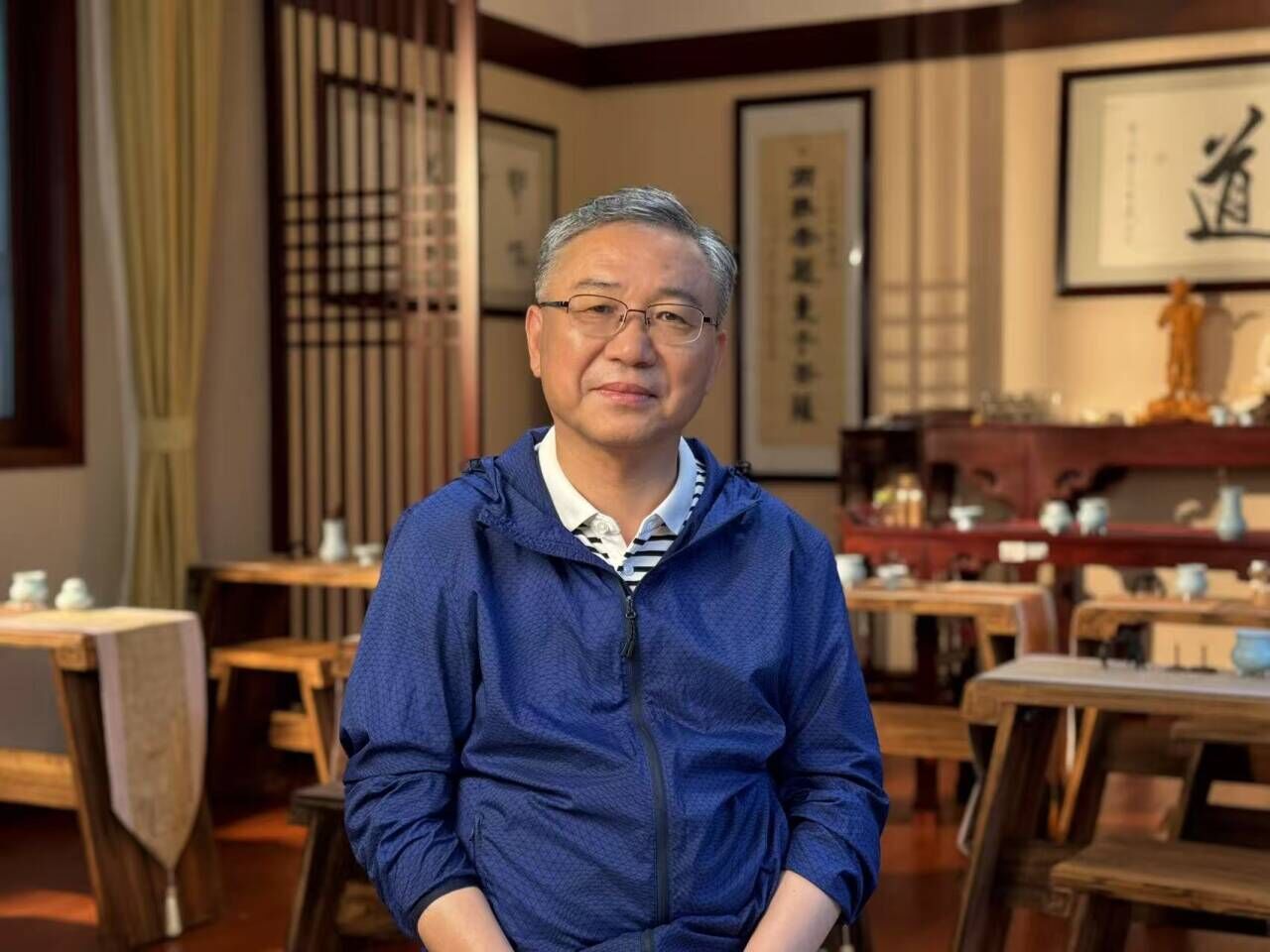
Xin Haiping, former Party official of Zhoushan, comments on Li Wei's donation. (Xinhua/Guo Dan)
Li Wei’s collecting journey underwent a profound transformation: from a singular focus on merely “acquiring” and “hoarding” as a collector, to donating over 700 pieces for public appreciation.
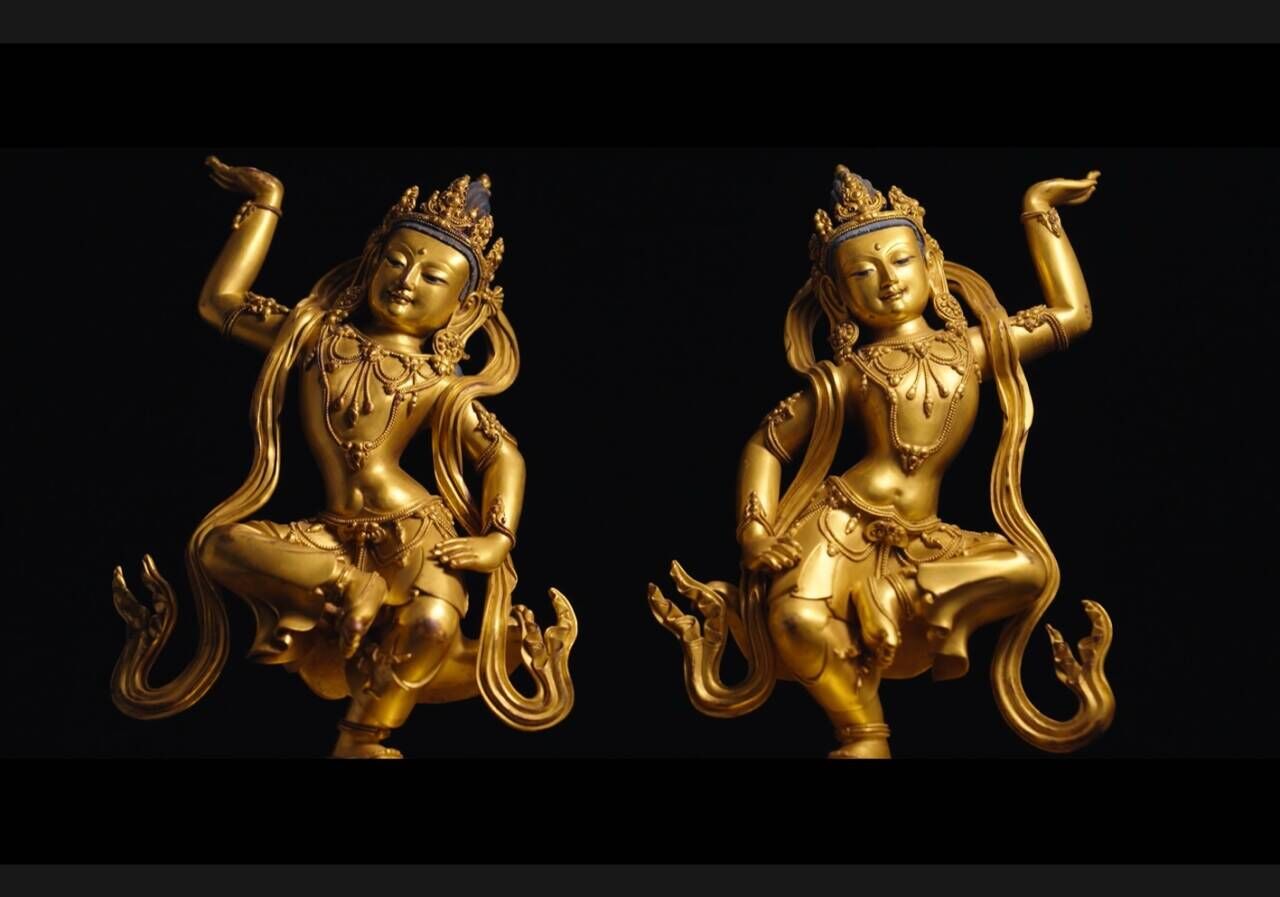
The gilt bronze Buddha statues collected by Li Wei.
“In fact, this is not my first donation,” Li Wei stated with pride. “Since 2007, I initiated a systematic project to authenticate my personal collection of gilt-bronze Buddha statues. In April 2009, I donated 22 ancient gilt-bronze sculptures to the National Museum of China, including a gilt-bronze statue of the Goddess of Auspiciousness bearing the inscription ‘Donated in the Yongle Reign of the Great Ming’.”
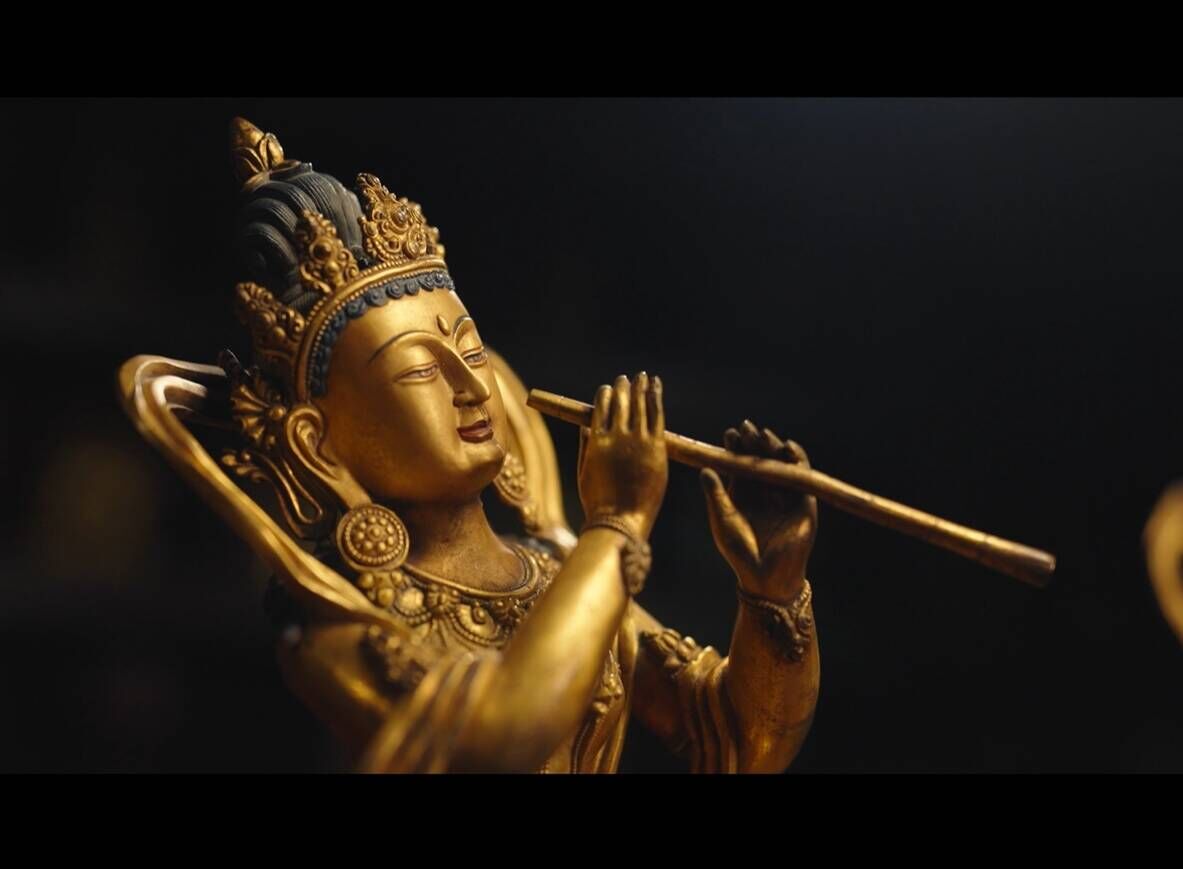
The gilt bronze Buddha statues collected by Li Wei.
Speaking of this shift in attitude, Li Wei remarked: “I cherish my collection, for in my heart, these are all treasures bequeathed by our ancestors. Yet witnessing items of modest value from a decade or two ago being lost overseas, only to be wildly hyped by auction houses, truly infuriates me. Thus, I gradually realized that my extensive collection of exceptional artifacts should not merely lie dormant in my storeroom, ‘being admired in isolation’. Instead, they ought to be seen, understood, and studied by a wider audience. We must showcase the splendor of China’s outstanding traditional treasures to the world.”
When Li Wei’s exquisite bronze Buddha statues were unveiled, they astonished industry experts. Scholars flocked to appraise and study them.
Numerous eminent scholars from the fields of Chinese studies, Tibetan studies, and Buddhist iconography, including the master of Chinese studies Ji Xianlin, the academic authority Rao Zongyi, the historian and philologist Feng Qiyong, the Tibetologist Wang Yao, Buddhist scholar Tam Shek-wing, and the specialists in Buddhist sculpture Bu Liansheng and Sun Guozhang, have all taken an interest in Li Wei’s collection. Professor Shen Weirong of Renmin University, a renowned expert in Buddhist sculpture authentication, and Wang Jiapeng, a senior researcher at the Palace Museum, devoted considerable time and effort. Collaborating with distinguished scholars both domestically and internationally, they conducted both documentary research and physical authentication of this collection.
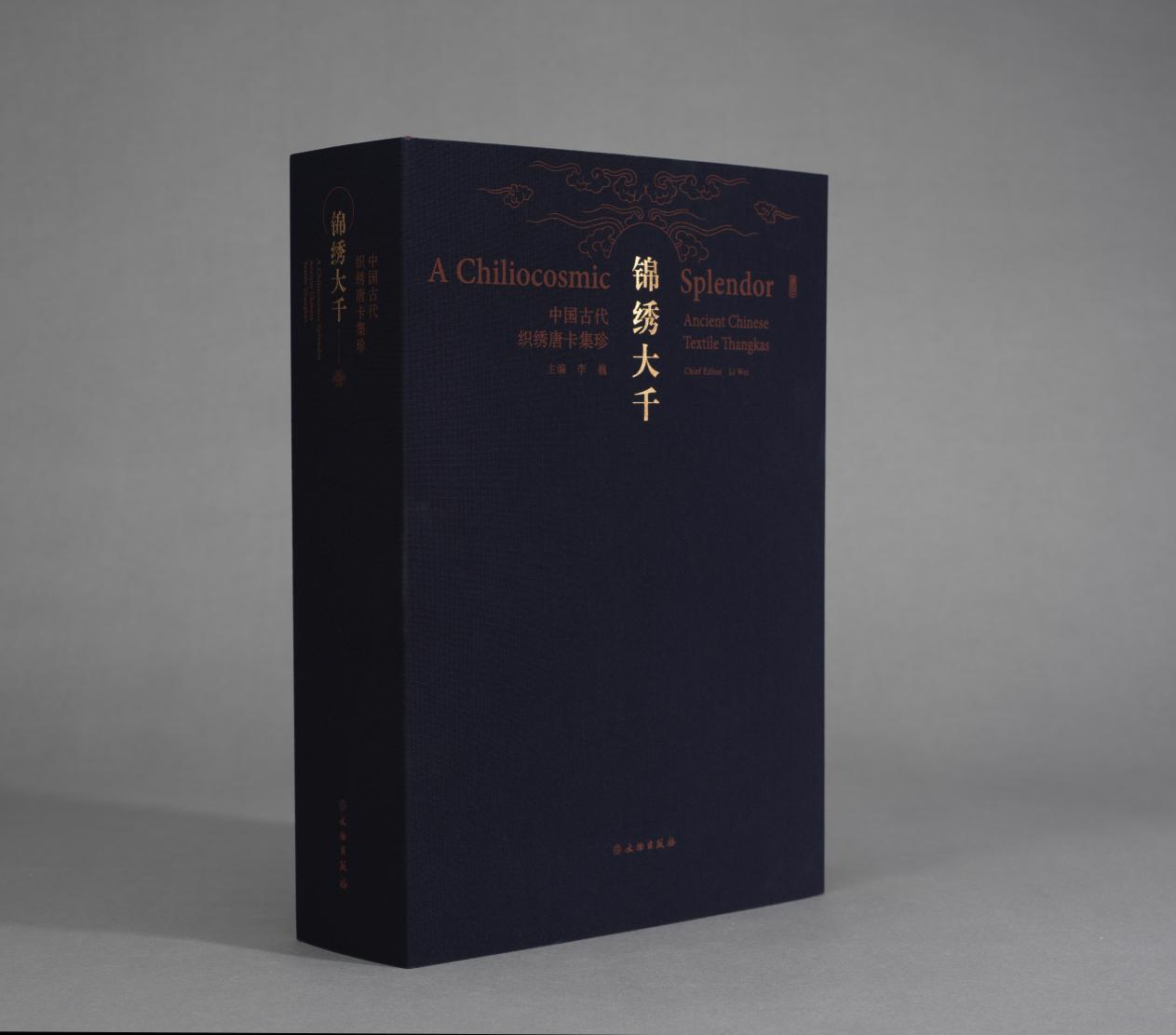
A Chiliocosmic Splendor: Ancient Chinese Textile Thangkas was published by the Cultural Relics Press in September 2023.
With the support of the General Administration of Press and Publication, the Palace Museum, the National Museum of China, the China Tibetology Research Centre, and the Cultural Relics Publishing House, a series of publications based on Li Wei’s collection were compiled, including: Han-Tibetan Interaction: A Collection of Gilt Bronze Buddhist Statues, Han Style and Tibetan Rhythm: A Collection of Gilt Bronze Buddhist Statues of the Court of Ming and Qing Dynasties, and A Chiliocosmic Splendor: Ancient Chinese Textile Thangkas.
Upon viewing the draft manuscript of Han-Tibetan Interaction: A Collection of Gilt Bronze Buddhist Statues, Professor Ji Xianlin inscribed the words “Adding splendor to Chinese culture”. Feng Qiyong also inscribed the words: “Precious Treasures of the Snowy Realm, Golden Testimonies in the Garden of History” ...
“My aspiration extends beyond securing a worthy home for these exquisite artifacts,” Li Wei remarked. “I further hope these bilingual publications will establish a station for dialogue among civilizations.”
“I Shall be Without Self, Yet Our Bond Shall Endure for Millennia.”
Human life is finite, yet treasures may transcend the centuries, shining eternally like stars in the night sky. Before the gates of Oriental Treasures (Shenzhen) Art Museum, Li Wei gazed upon his calligraphic work: the character “無” (Wu).
“Our lives are limited, yet our treasure may endure for millennia. Through decades of collecting, I have merely been privileged to serve as their custodian. These treasures symbolize China’s splendid civilization and embody the crystallization of human culture. By transforming collections into exhibitions, I hope to disseminate fine traditional Chinese culture to the world, ensuring its legacy endures for centuries.”
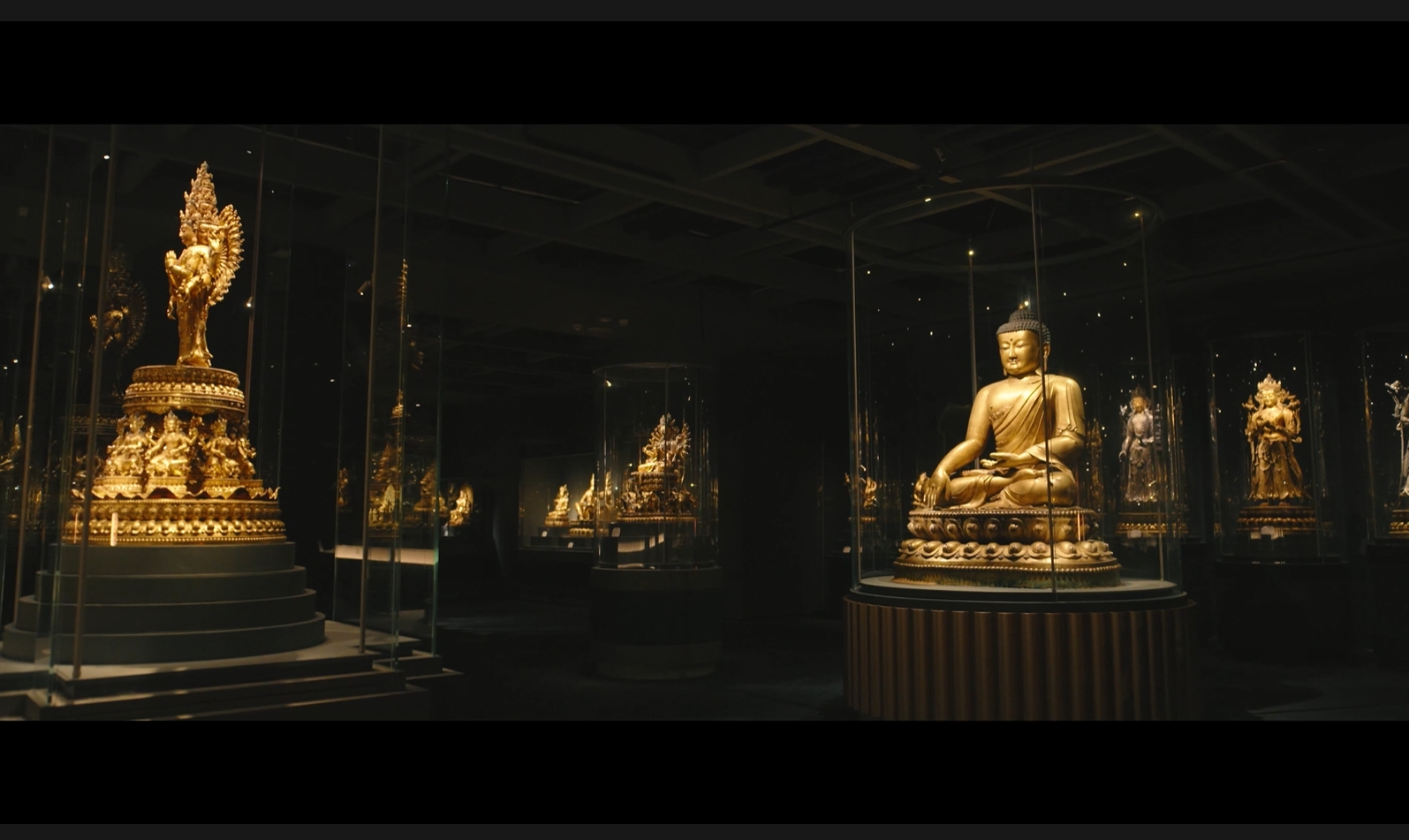
The collection of Oriental Treasures (Shenzhen) Art Museum.
“Life continues, so does collecting!” Li Wei reflected. “I hope that when I look back on my life, I will have no regrets about my bond with Buddha statues and my passion for collecting. More than that, I hope that through my personal efforts to continuously disseminate fine traditional Chinese culture, I can transcend life itself and forge an endless bond with China’s treasures.”


