
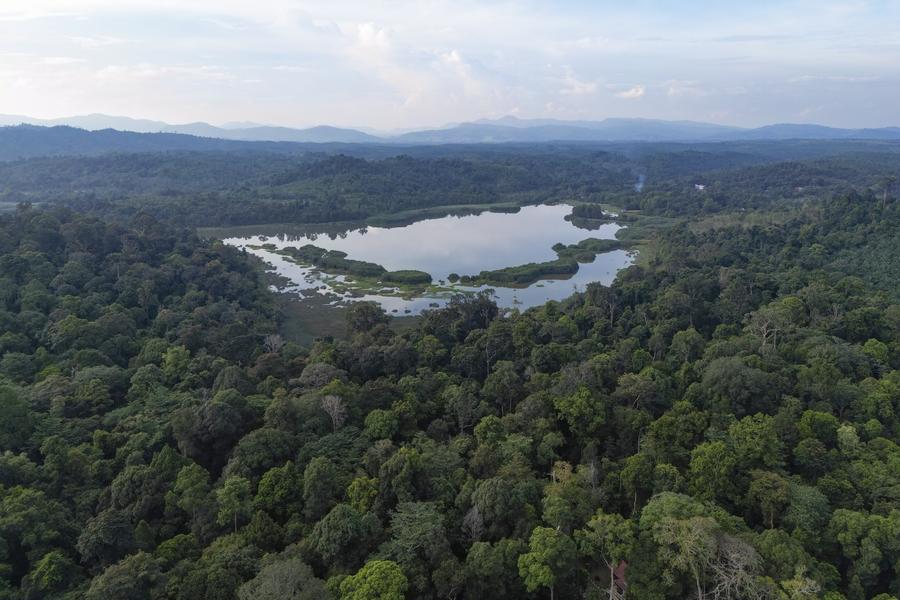
Nestled in the central-southern state of Pahang, Malaysia, lies Tasik Chini (Chini Lake), the nation's second-largest natural lake. Local lore whispers of ancient Khmer ruins submerged beneath its waters, guarded by a mighty dragon protecting hidden treasures.
In reality, Tasik Chini holds treasures of a different kind: rich biodiversity, serving as a critical habitat for numerous endangered species. Recognized for its ecological significance, Tasik Chini Biosphere Reserve (TCBR) was designated as Malaysia's first UNESCO Biosphere Reserve in 2009.
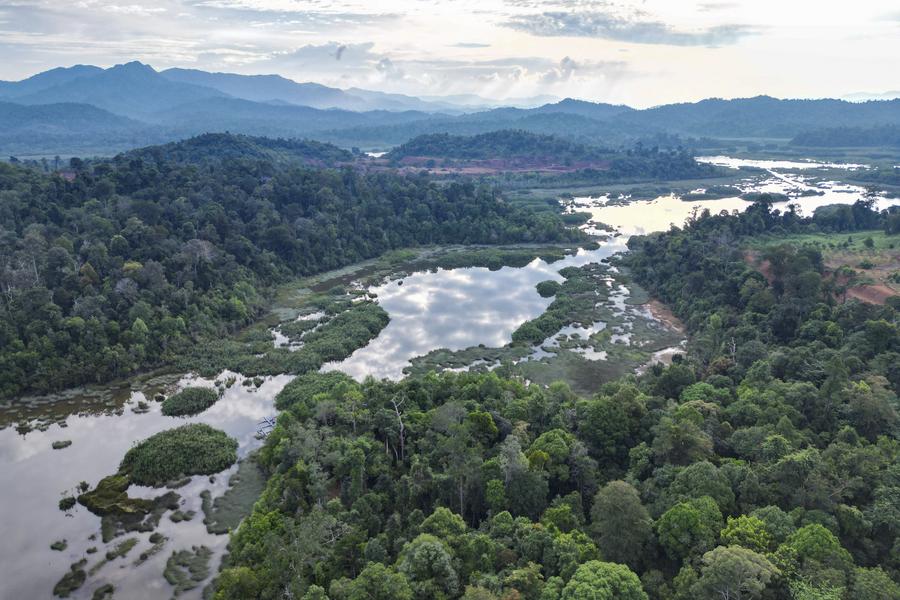
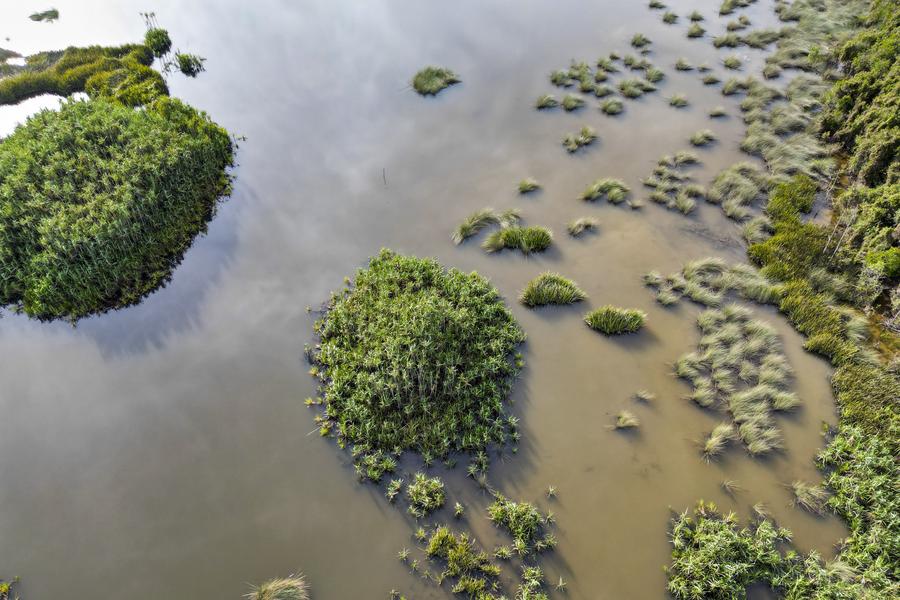
Deep within the lake region is the village of Tanjung Puput, home to the Jakun people, an indigenous community officially recognized in Malaysia.
Traditionally, the Jakun sustain themselves through foraging, fishing, and hunting. Their villages, often comprising just a few dozen people, maintain a hereditary leadership system and adhere to traditional ways of life. This includes fishing with rods along the shores, cultivating hill rice and cassava, and gathering forest products for sustenance or trade.
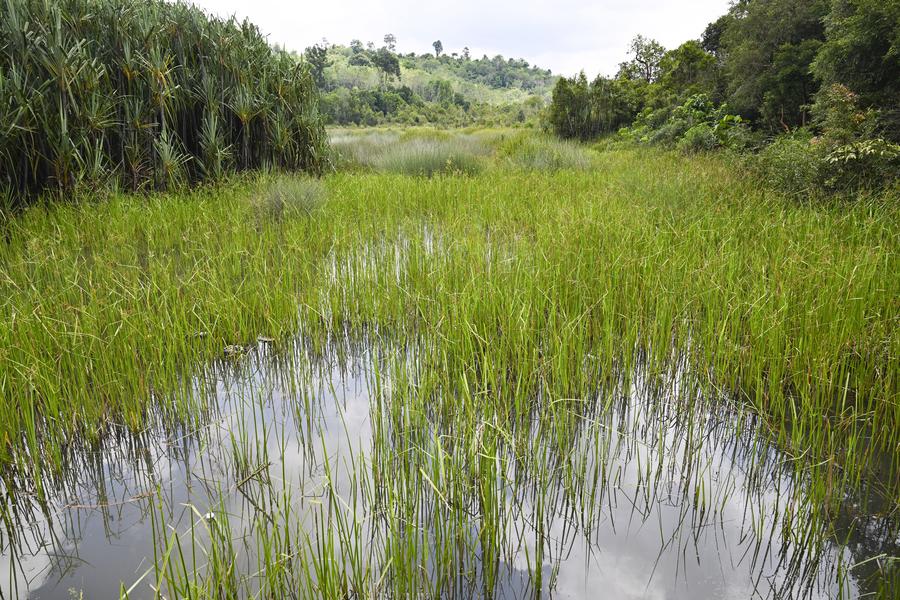
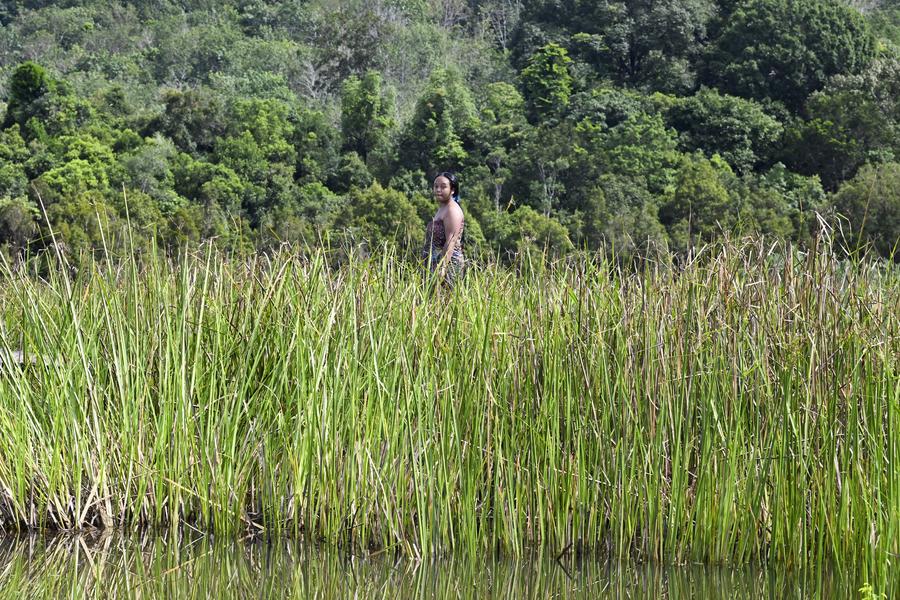
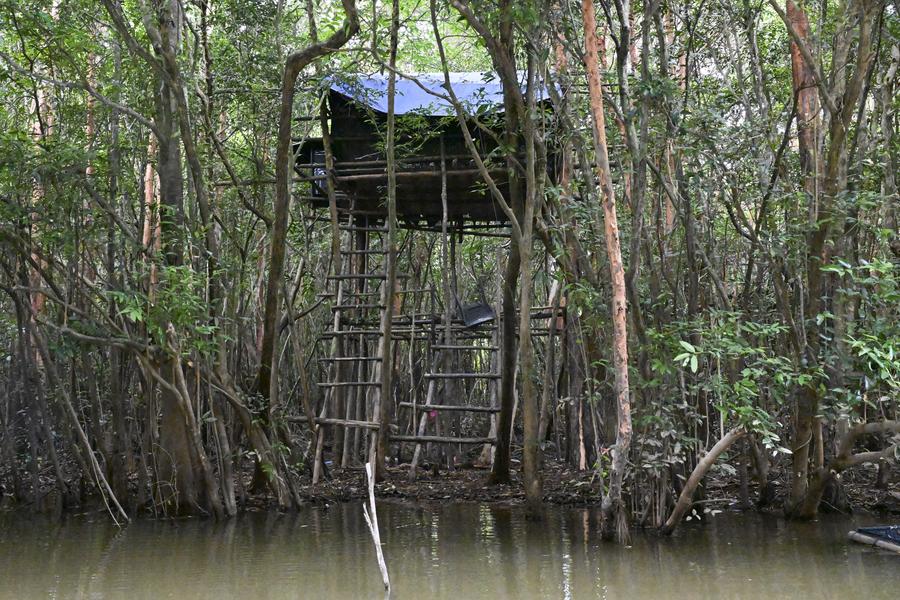
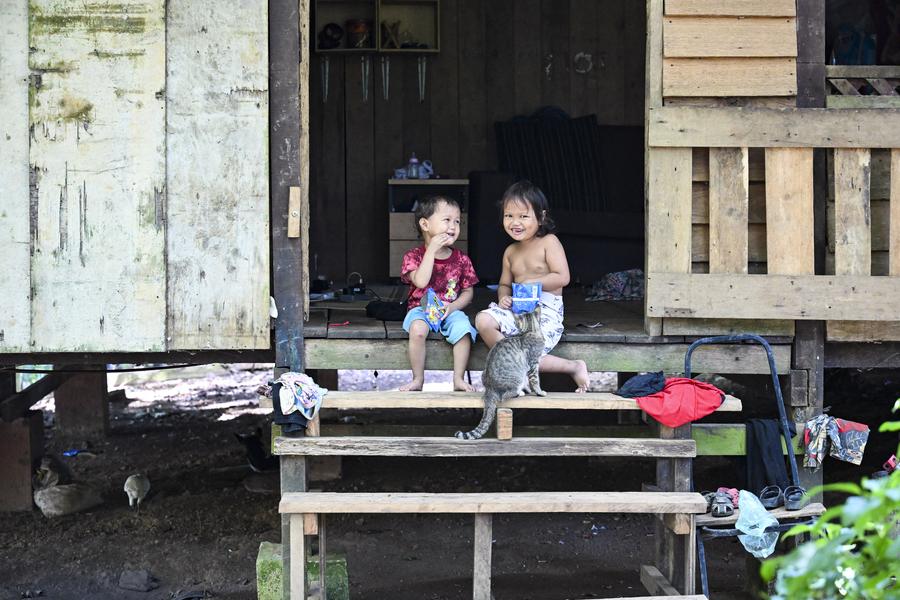

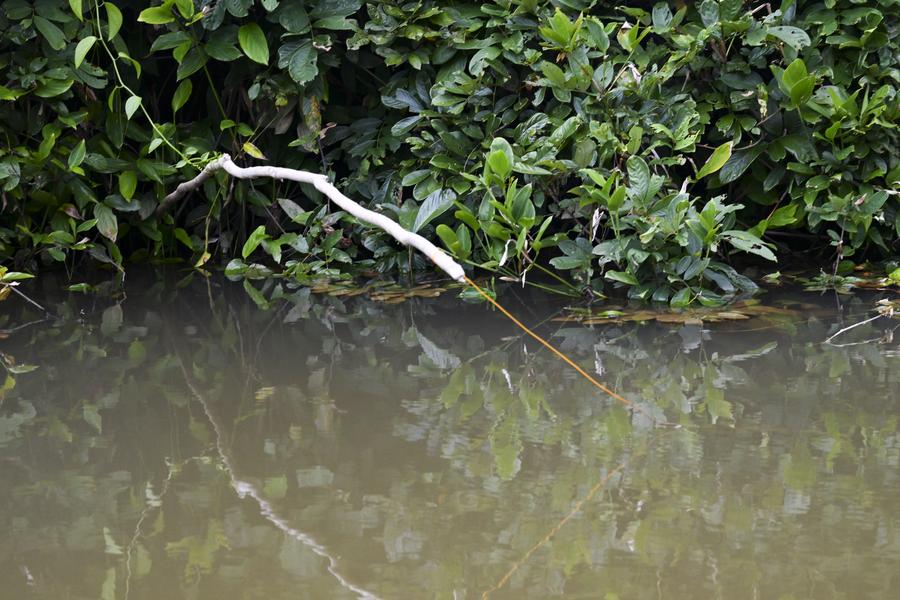

Village chief Baharin, nearing 70, has lived here his entire life. He recalls a childhood where the lake's surface was so densely carpeted with lotus blossoms that "people had to cut a 'path' through them for boats to pass." However, from the late 1990s onwards, extensive mining and logging activities clouded the waters. The vast lotus beds dwindled, hillsides were stripped bare, fish became unsafe to eat, and even traditional medicinal plants vital to Jakun life grew scarce. The degradation was so severe that Tasik Chini faced the risk of being delisted from the World Network of Biosphere Reserves.

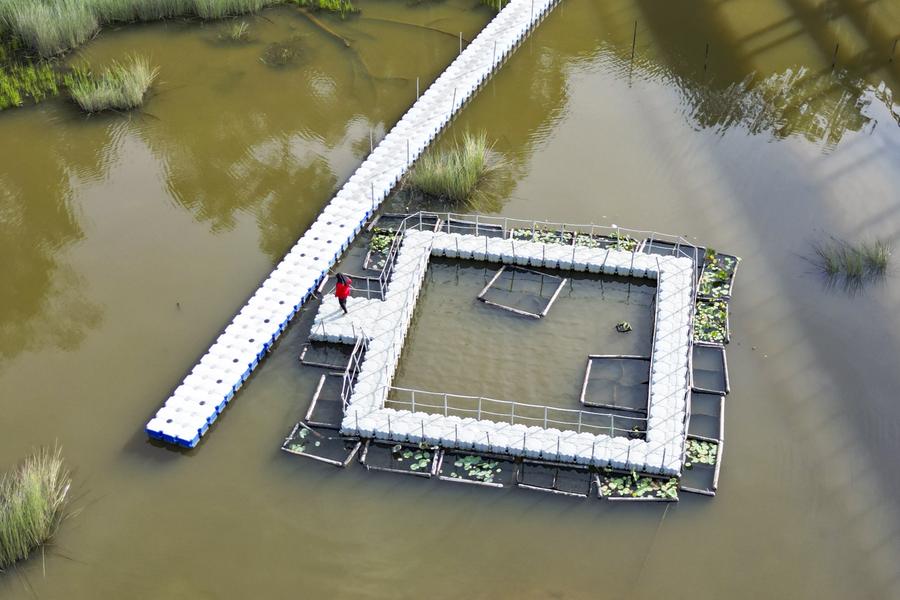
Fortunately, prompted by UNESCO's assessments and recommendations, the Malaysian government intervened. Mining operations around the lake were halted, and a series of ecological restoration projects were initiated.
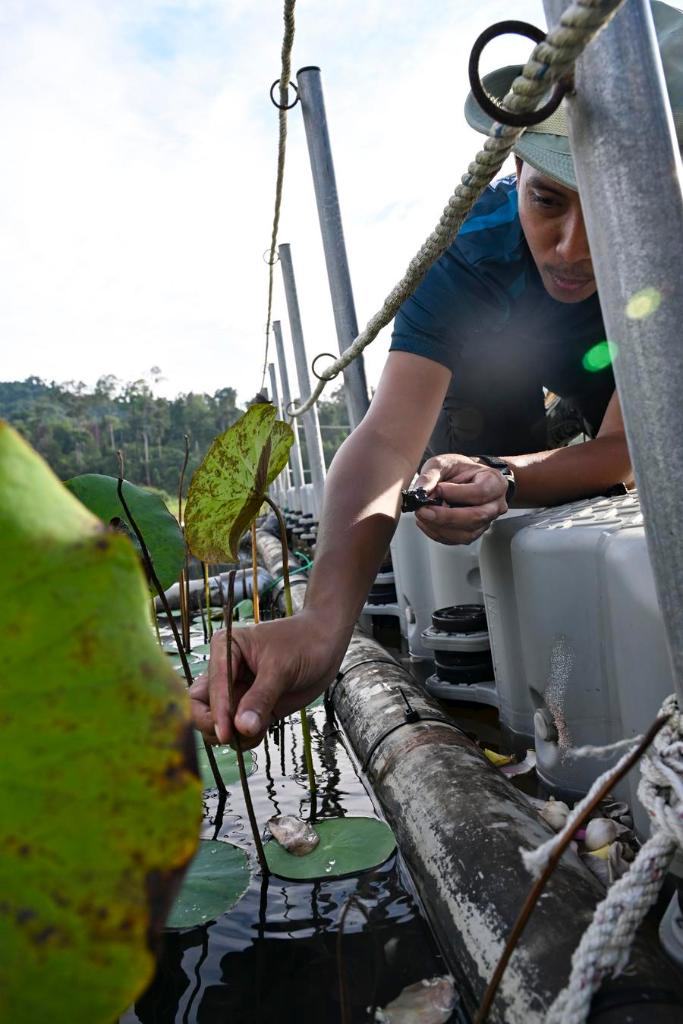
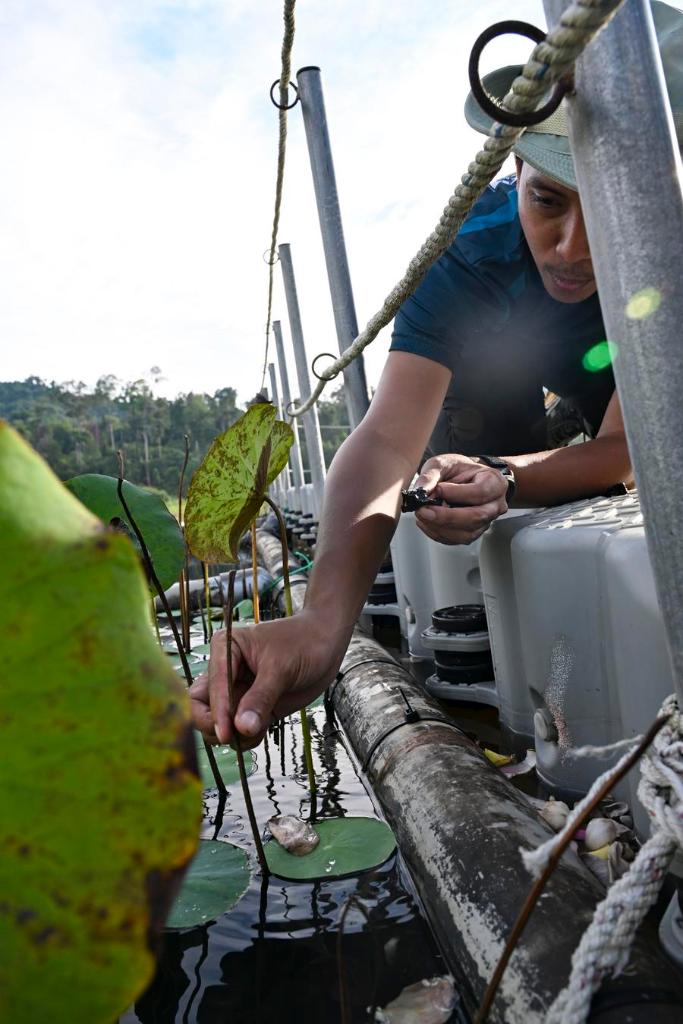
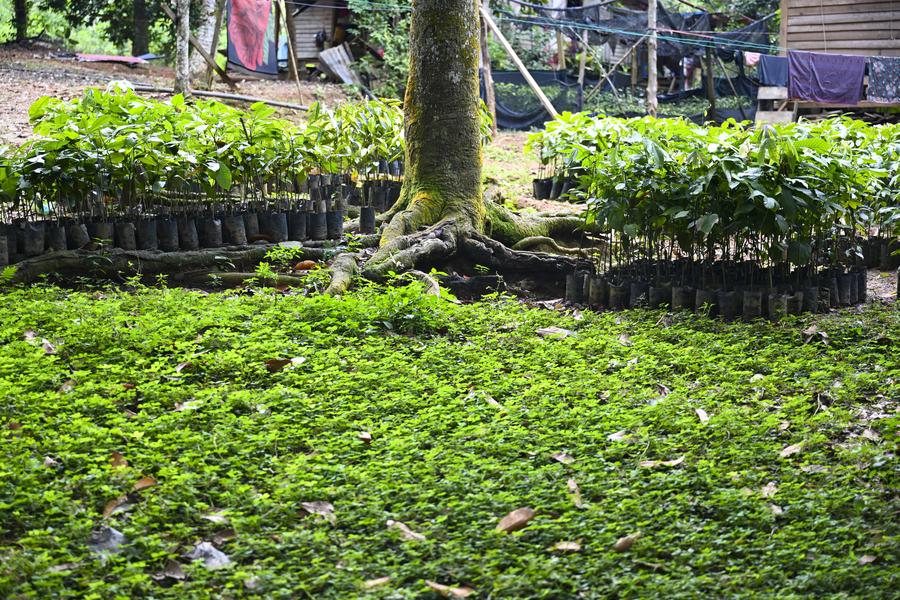
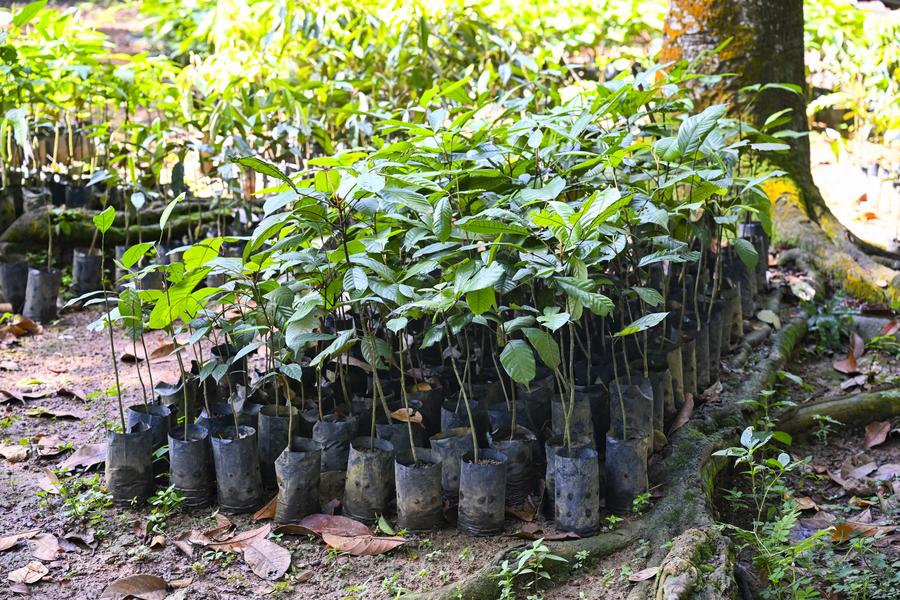
Among those involved in the recovery efforts is Iquan, a young reserve researcher who also grew up by this lake. Choosing to return and contribute, he now works on lotus rejuvenation and sapling cultivation, frequently collaborating with the Jakun community. Iquan emphasizes that the Jakun people are active partners in Tasik Chini's revival. They nurture saplings, which are then purchased by the government for reforestation projects in denuded areas. Thus, the Jakun are not merely guardians of tradition but have become crucial drivers of ecological recovery.


In 2023, the UNESCO International Coordinating Council of the Man and the Biosphere Programme officially confirmed that Tasik Chini would retain its Biosphere Reserve status. This decision stands as a testament to the progress made in restoration and an endorsement of the path integrating conservation with sustainable development.
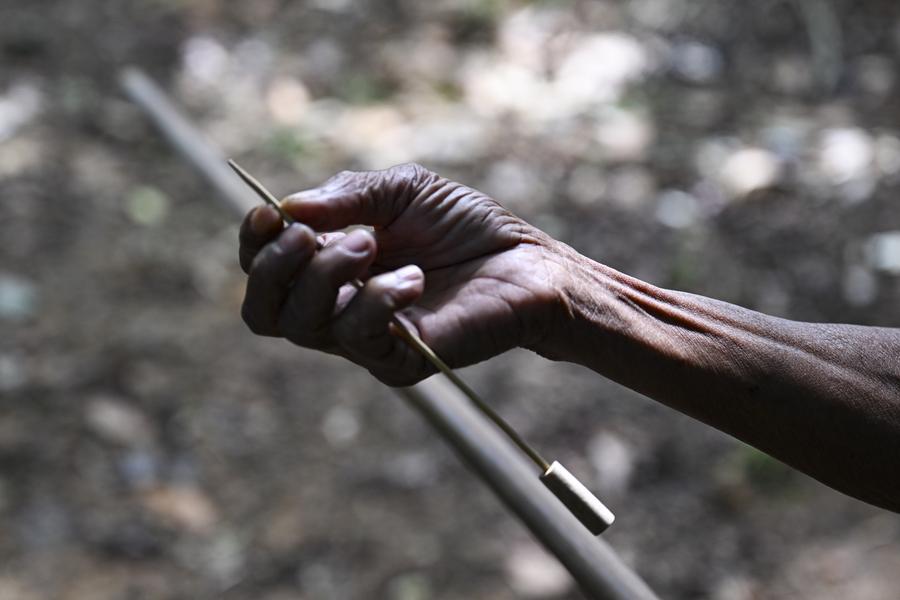
Before our departure, Baharin presented a traditional blowpipe, demonstrating the Jakun's ancient hunting skills. The dart, tipped with potent venom, struck its target with precision. He explained that while hunting is no longer essential for survival, the tradition must be preserved, much like their enduring role as stewards of the forest and lake.
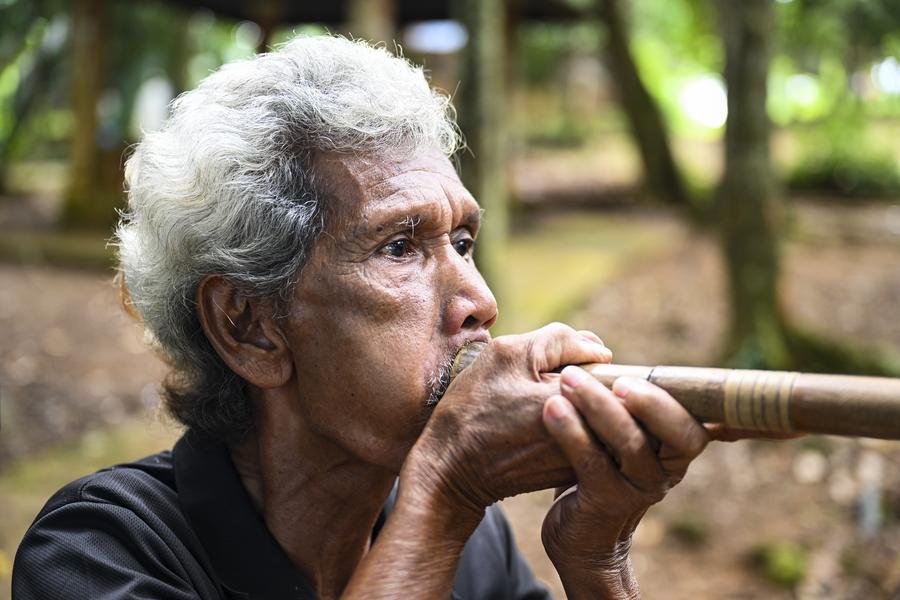
"I believe Tasik Chini will regain its former beauty," Baharin said, his gaze across the water as steadfast as in his youth.
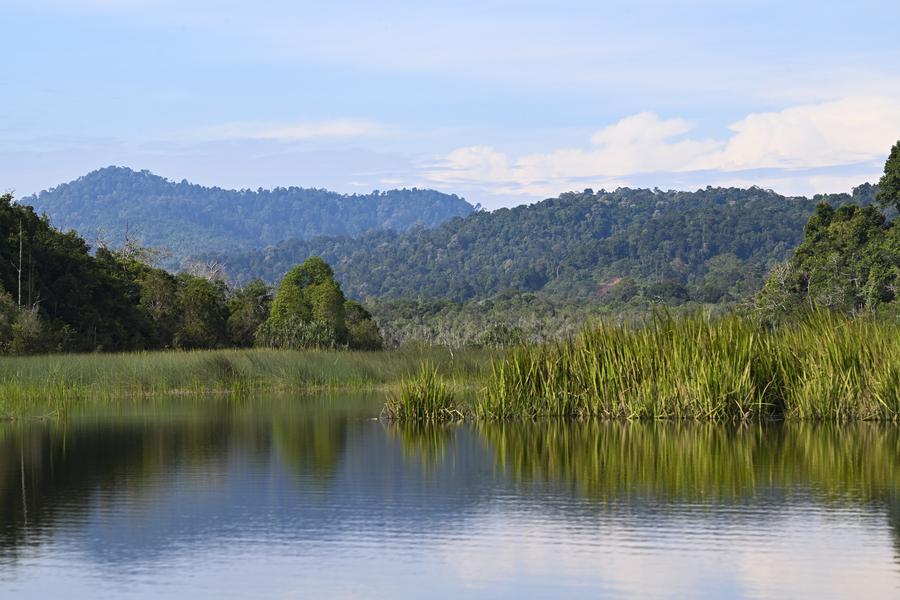
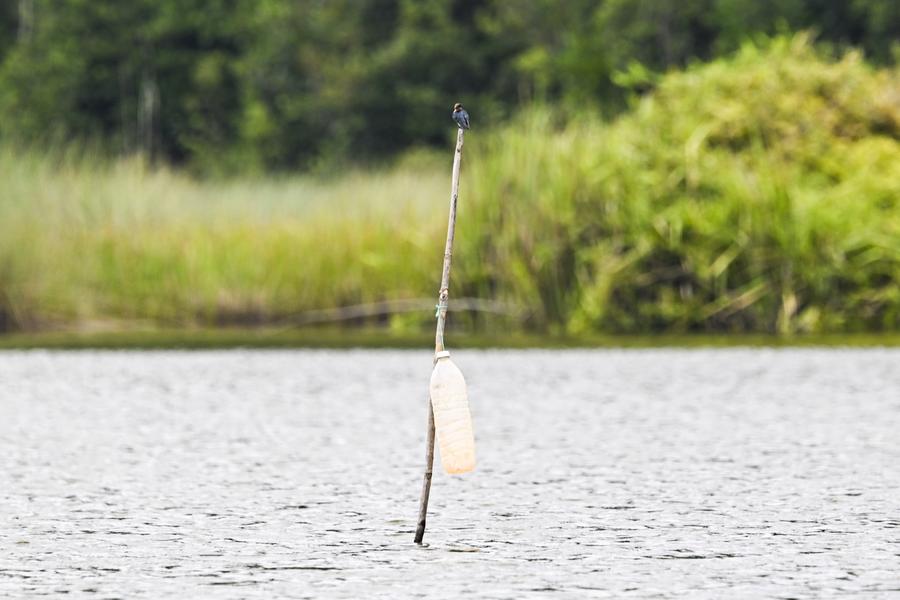
Legend speaks of a dragon guarding a sunken city in the lake's depths. In reality, the Jakun people, alongside the reserve's dedicated workers, are the modern-day guardians. They protect the ecological balance of Tasik Chini, along with the cultural heritage and future of this land. In these waters, where the fragrance of lotuses is gradually returning, a quiet narrative of rebirth and hope continues to unfold.
Photographer: Cheng Yiheng
Text: Yu Yang■