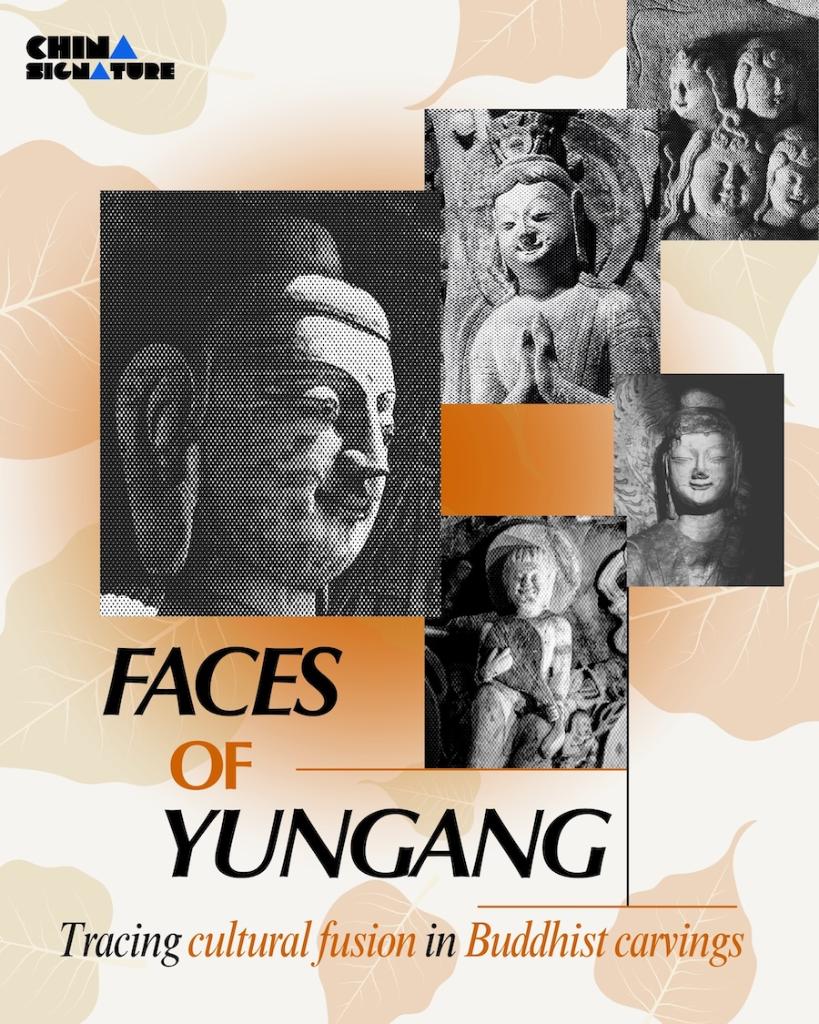
BEIJING, Aug. 28 (Xinhua) -- Carved into the cliffs of northern China over 1,500 years ago, the Yungang Grottoes in present-day Datong, Shanxi Province represent a monumental chapter in the early development of Buddhist art and cross-cultural exchange. Commissioned during the 5th century by the imperial court of the Northern Wei Dynasty (386-534), the site emerged at a time when Buddhism was flourishing under state patronage and spreading along the Silk Road.
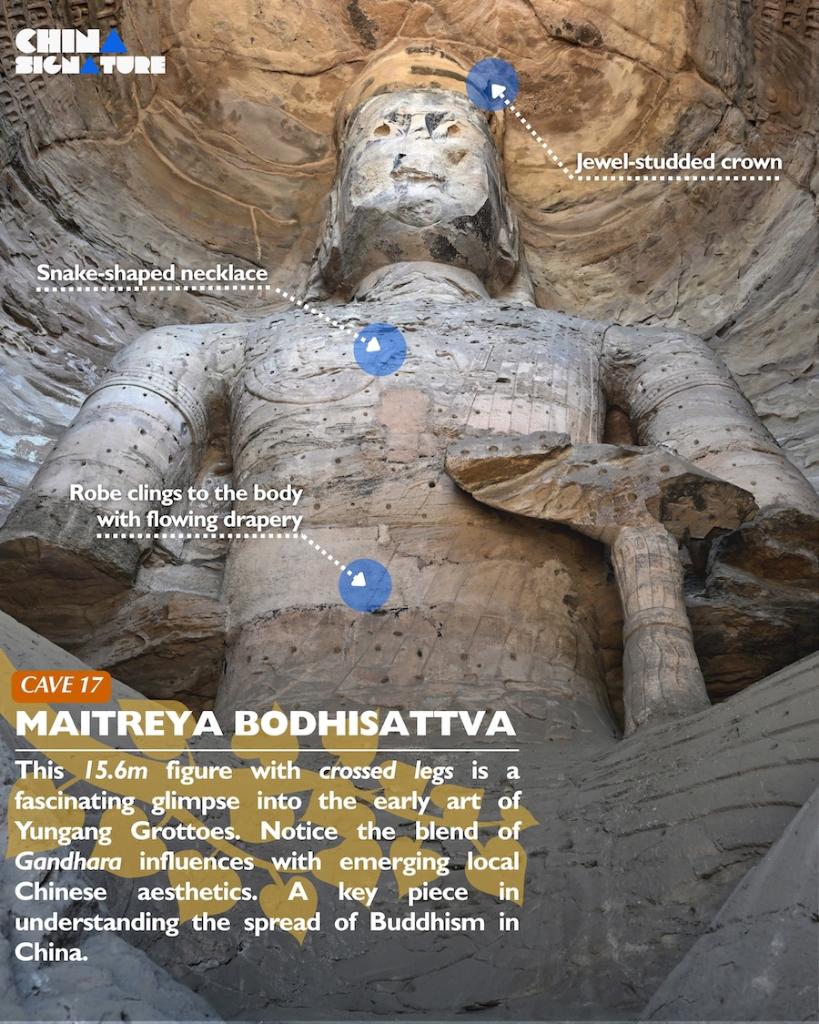
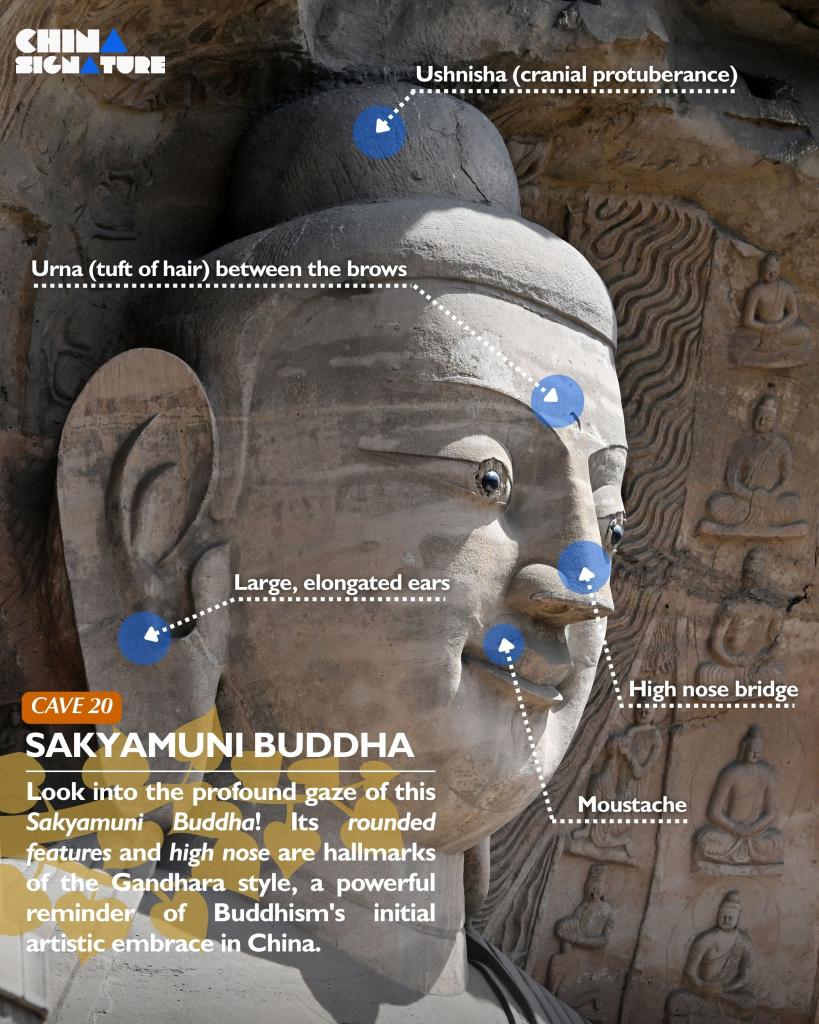
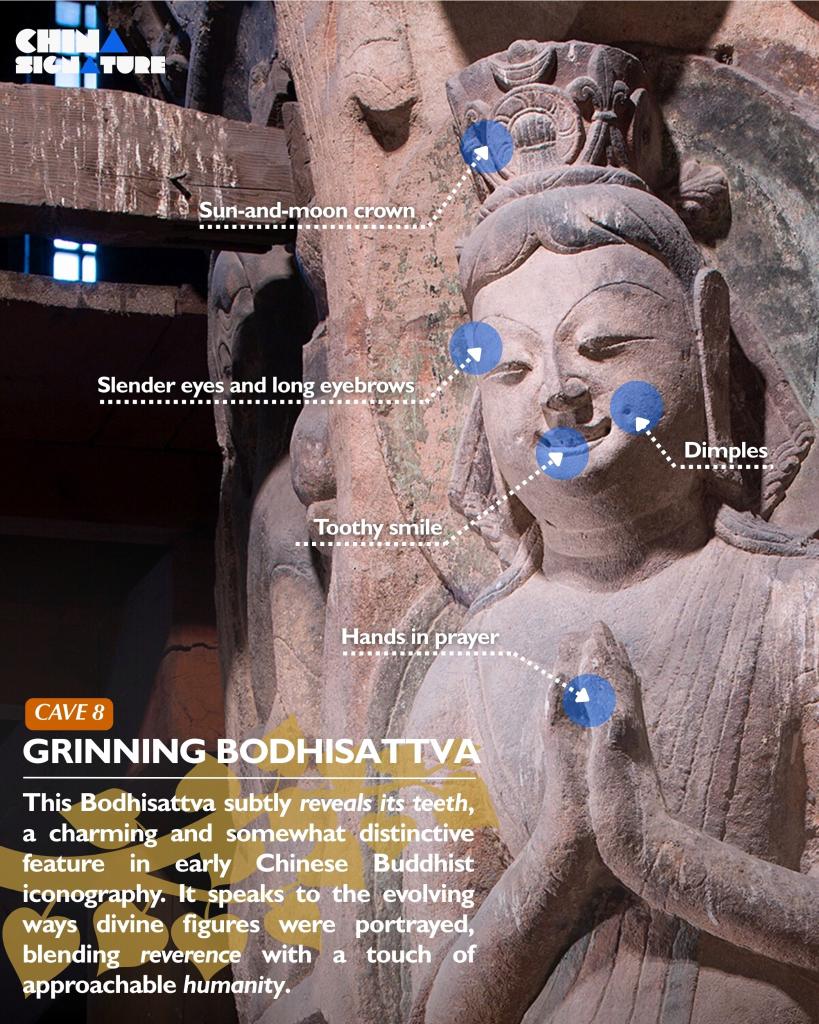
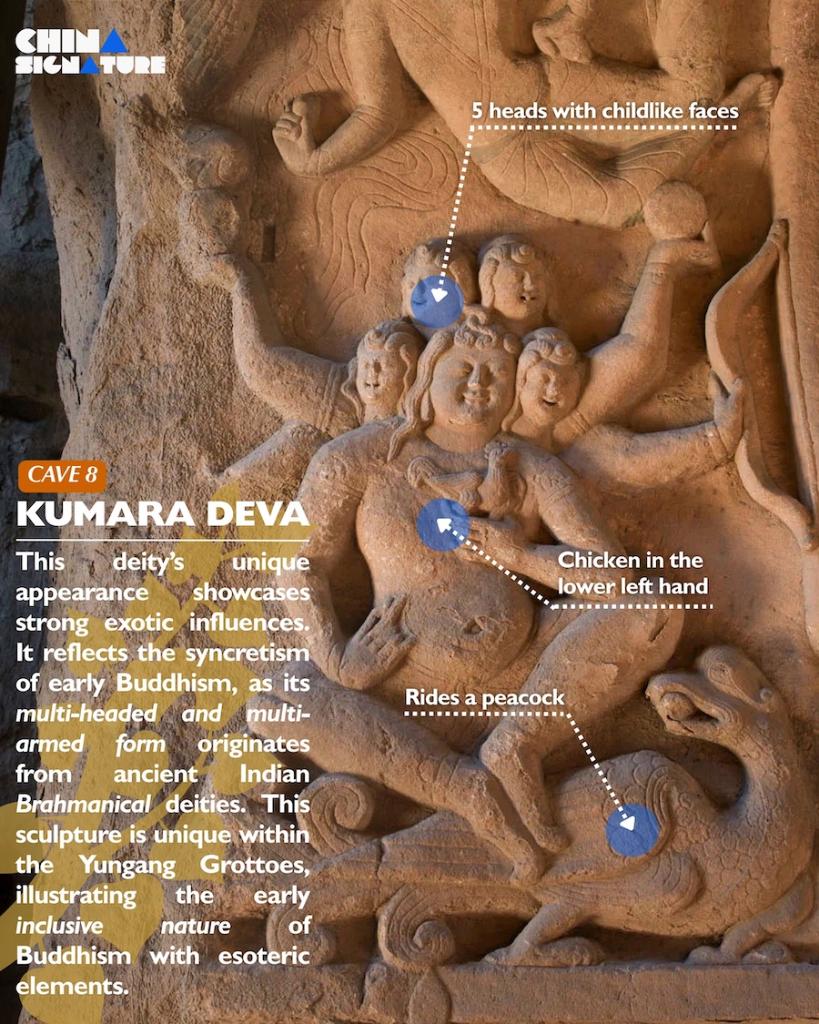
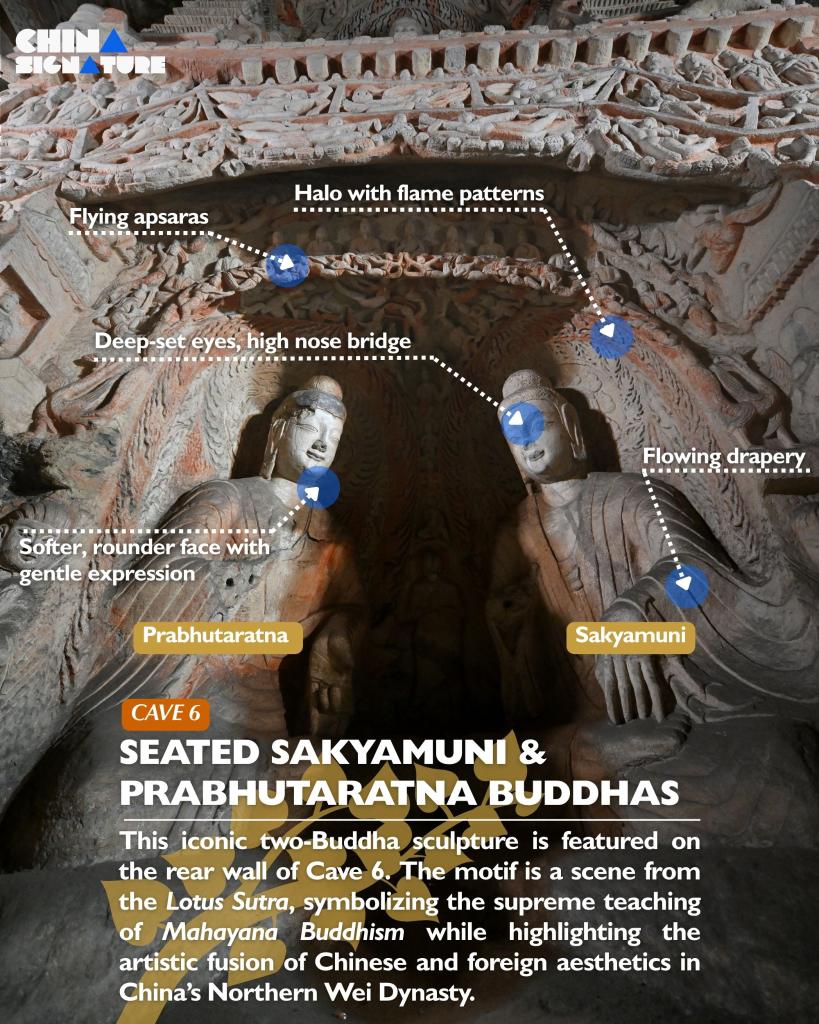
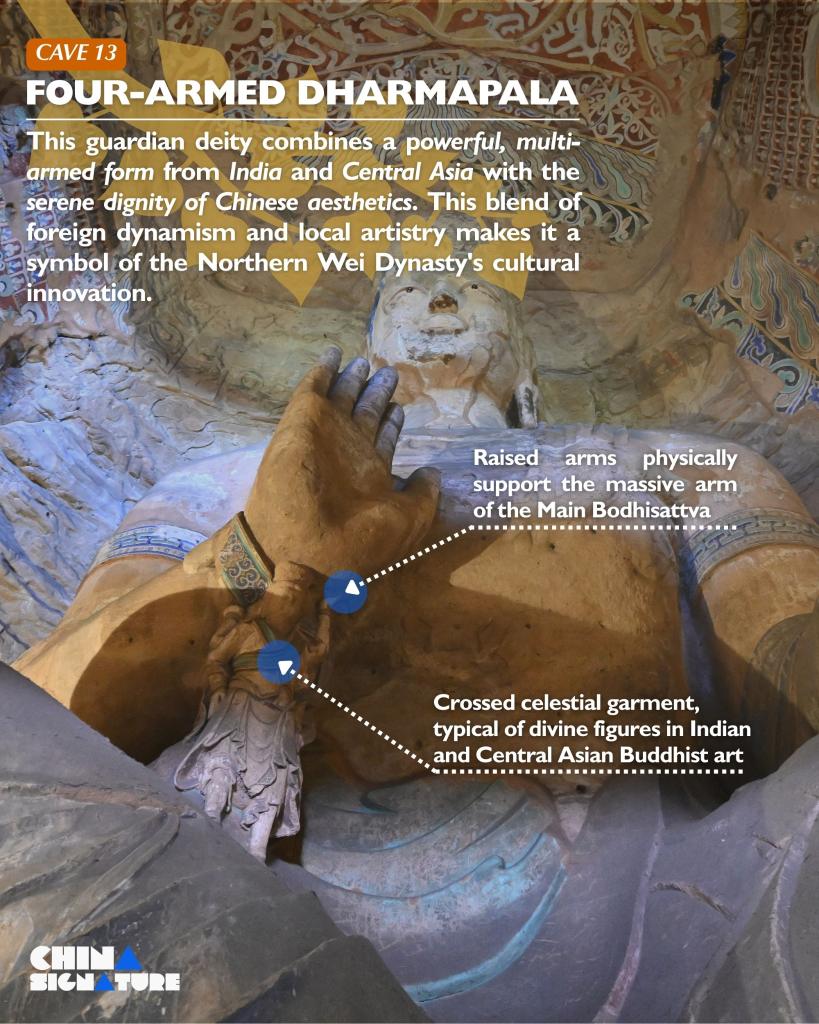
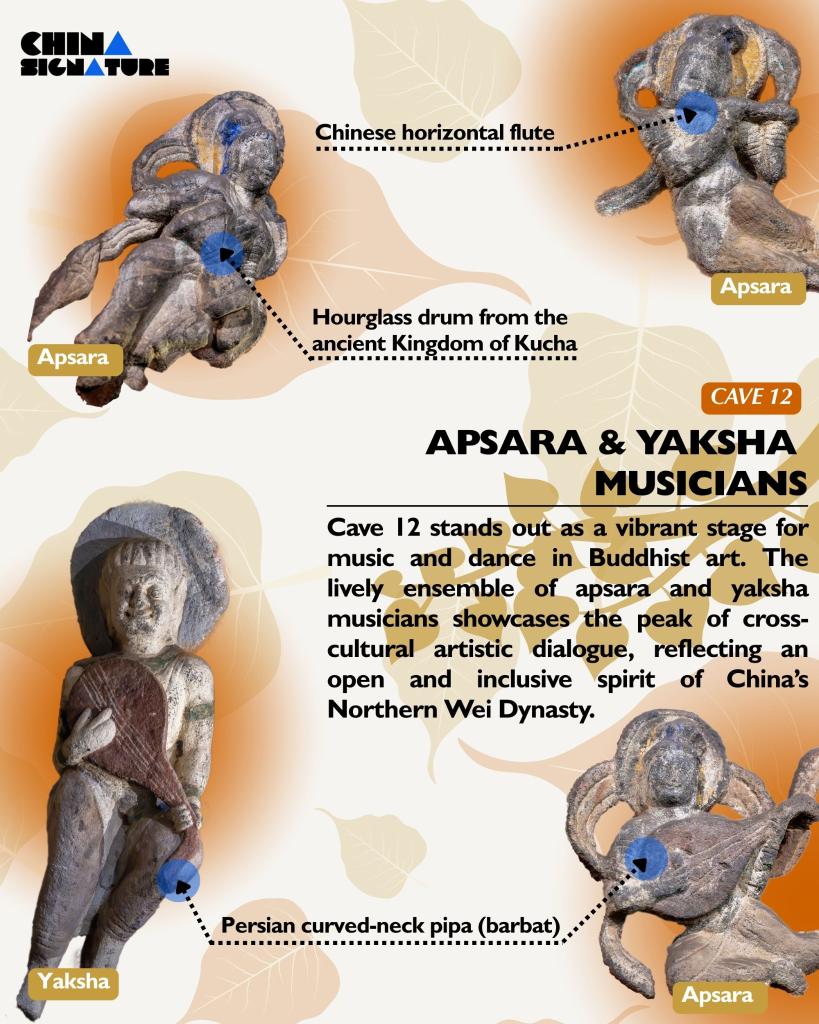
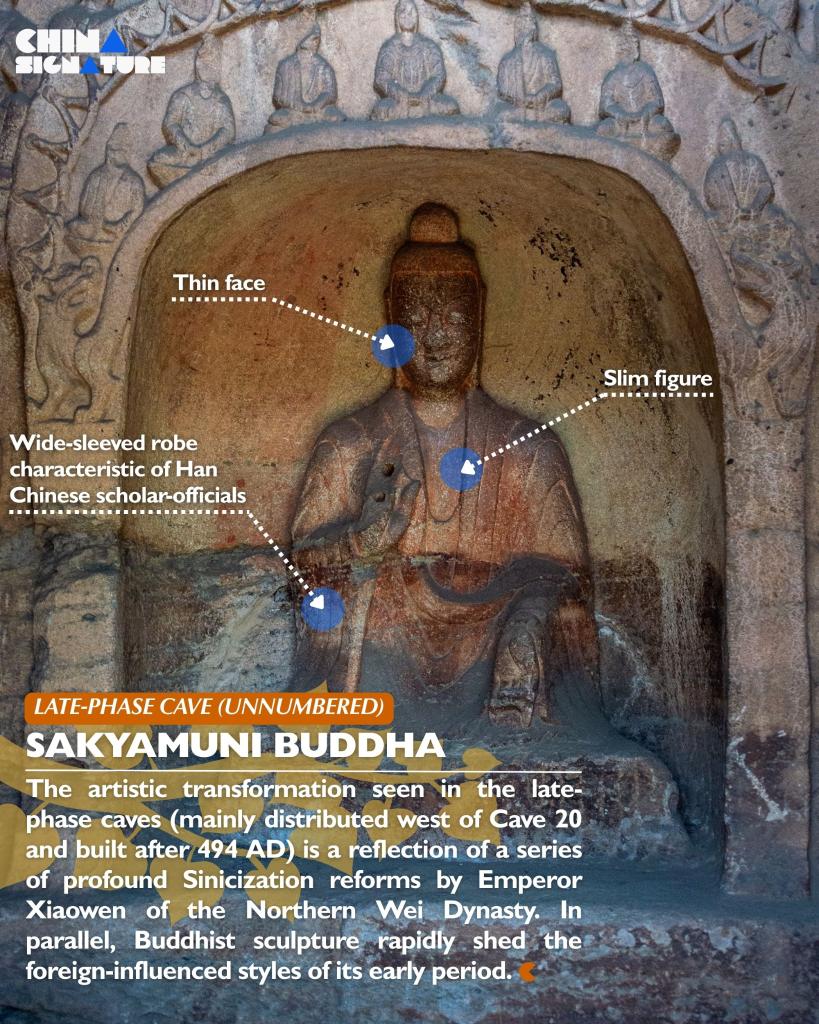
The Grottoes became a meeting point for artistic influences from across Eurasia. The carvings, found across 45 main caves and more than 59,000 statues, reflect a fusion of visual traditions, from the realism of Gandharan sculpture and the decorative motifs of Central Asia to the gradually evolving aesthetics of early Chinese Buddhist art during the Northern Wei Dynasty.
The stylistic transitions seen in the faces, gestures, and robes of Yungang's statues trace a visual narrative of cultural fusion. Today, the Grottoes stand not only as a religious heritage site, but as a testament to the dynamic interplay of civilizations.
The Yungang Grottoes were recognized as a UNESCO World Heritage Site in 2001 and remain one of China's most significant surviving complexes of open-air Buddhist art, a lasting imprint of how ancient civilizations met, adapted, and took shape in stone.
Reporting
Zhan Yan, Hu Jingwen
Visual Narratives
Li Mangmang, Hu Jingwen, Sui Shangjun
CHINA SIGNATURE STUDIO■