
KABUL, Aug. 28 (Xinhua) -- Out in the Afghan countryside, there are these oval clay containers called Kangana. You can spot them everywhere, piled high in stacks or sitting on the backs of carts.
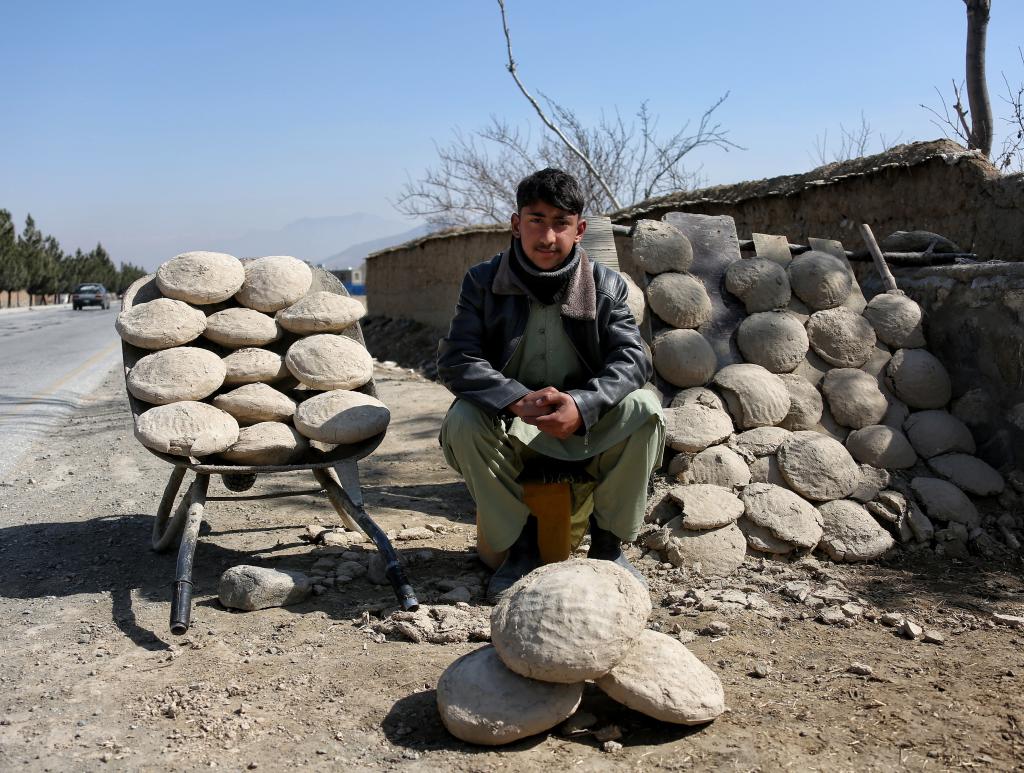
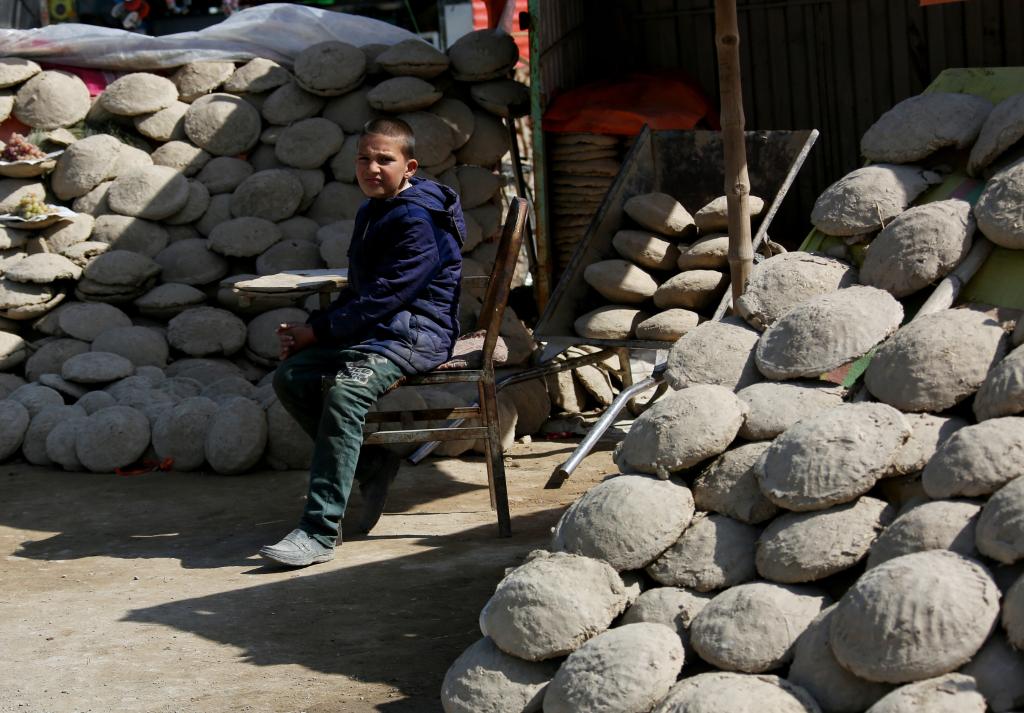
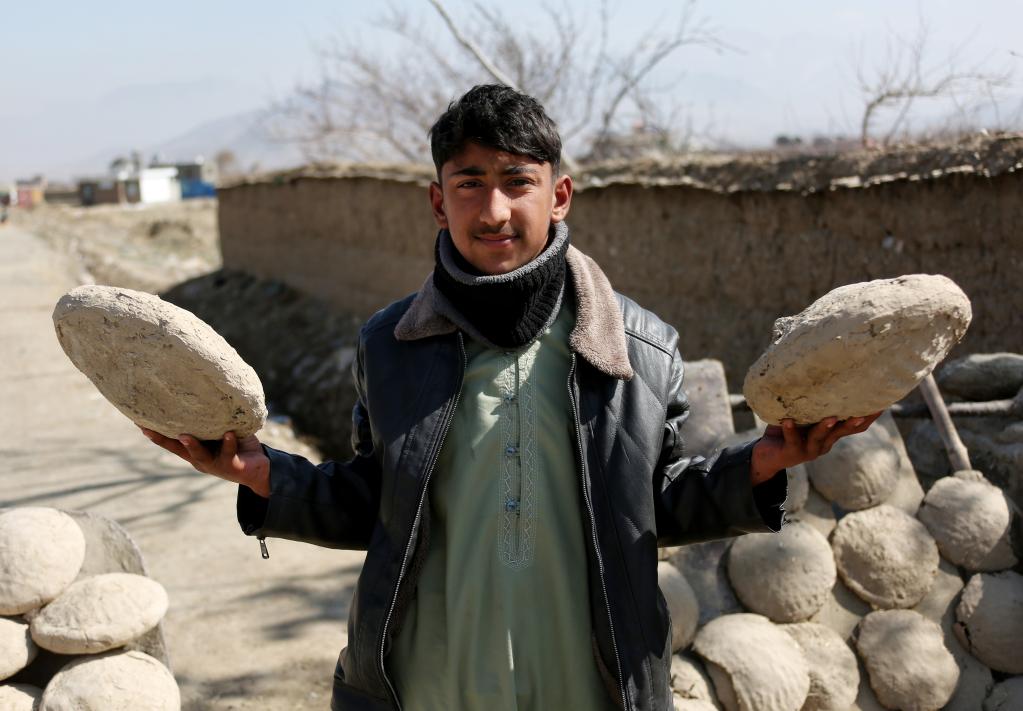
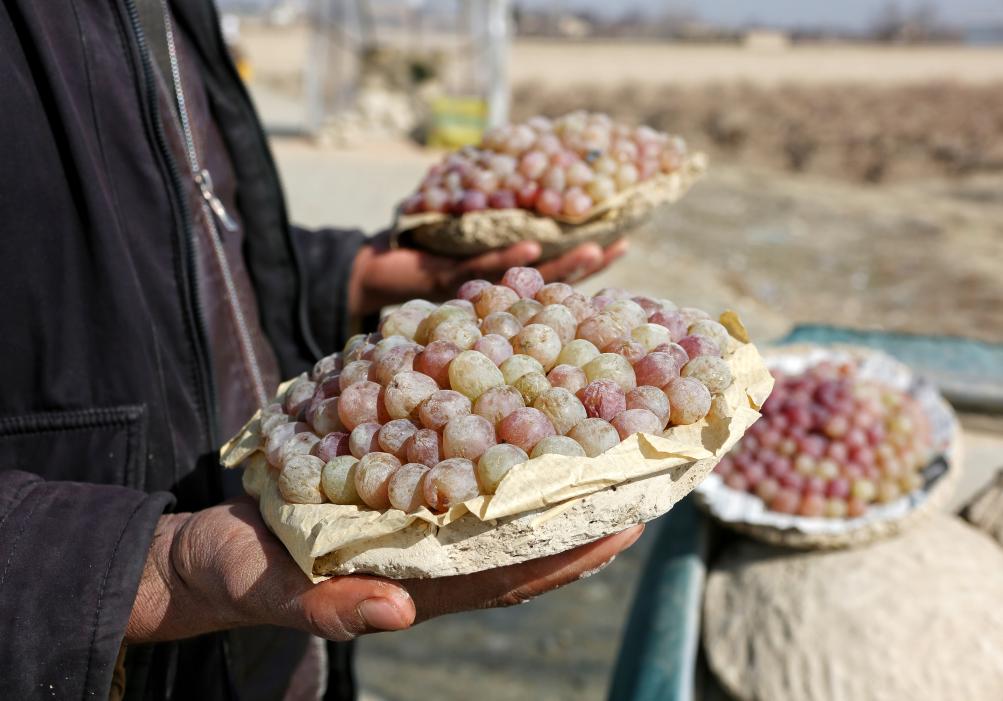
Though humble in appearance, the moment these mystery boxes are opened, one cannot help but admire the millennial wisdom of the local people. Without electricity or modern technology, Afghans use these simple clay cases to preserve grapes for up to six months, keeping them plump, juicy and delicious.
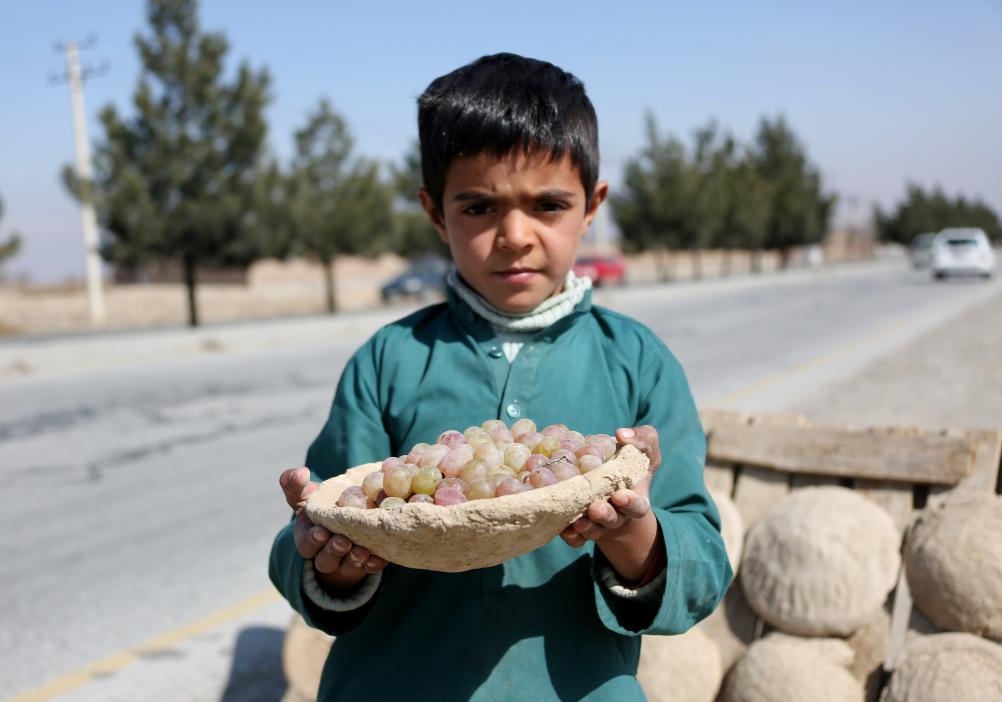
Afghanistan has a long history of grape cultivation. Thanks to the continental climate, with abundant sunshine and significant day-night temperature variations, provinces like Kandahar and Balkh have become key grape-growing regions. In oases surrounded by mountains and arid land, grapes are not only a beloved fruit but also a vital source of income for many families.
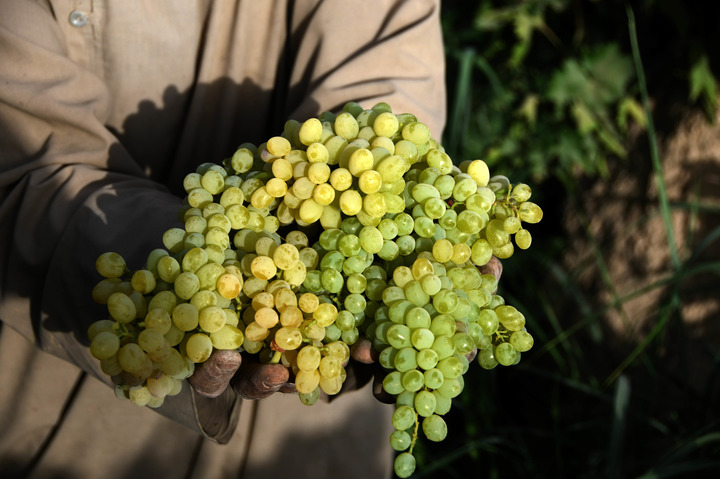
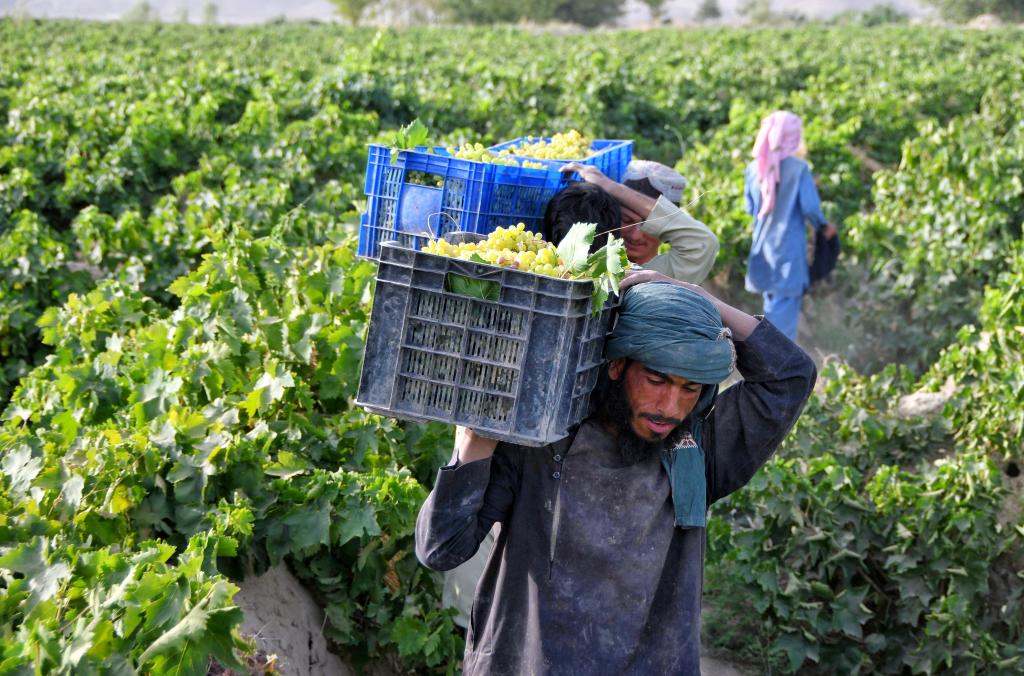
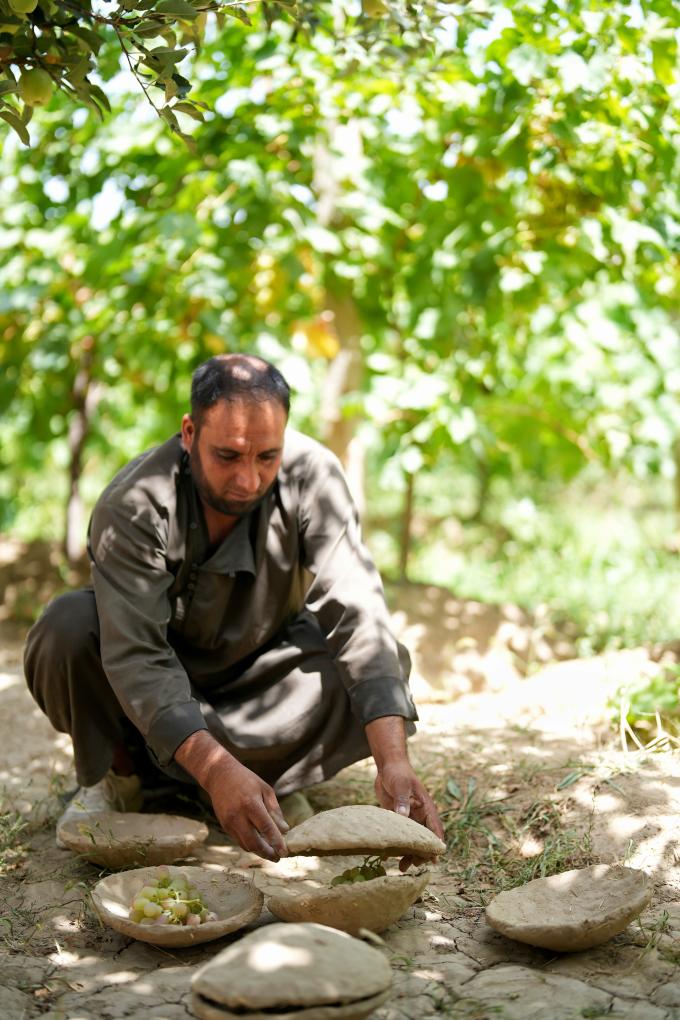
The Kangana is typically made of two clay plates joined to form an oval container. Once sealed, it becomes airtight, creating a natural vacuum, an effective and simple preservation system. Its thick, enclosed structure not only blocks air and slows oxidation but also prevents moisture loss and protects the fruit from bruising, making it ideal for transport over rough terrain.
Crafting a Kangana requires patience. In summer, artisans select fertile clay, mix in chopped straw for flexibility, and knead it repeatedly until smooth. Using old containers as molds, they hand-shape each bowl. The pieces are then sun-dried gently, away from harsh heat or rain, until solid. Within days, the Kangana is ready to safeguard nature's bounty.
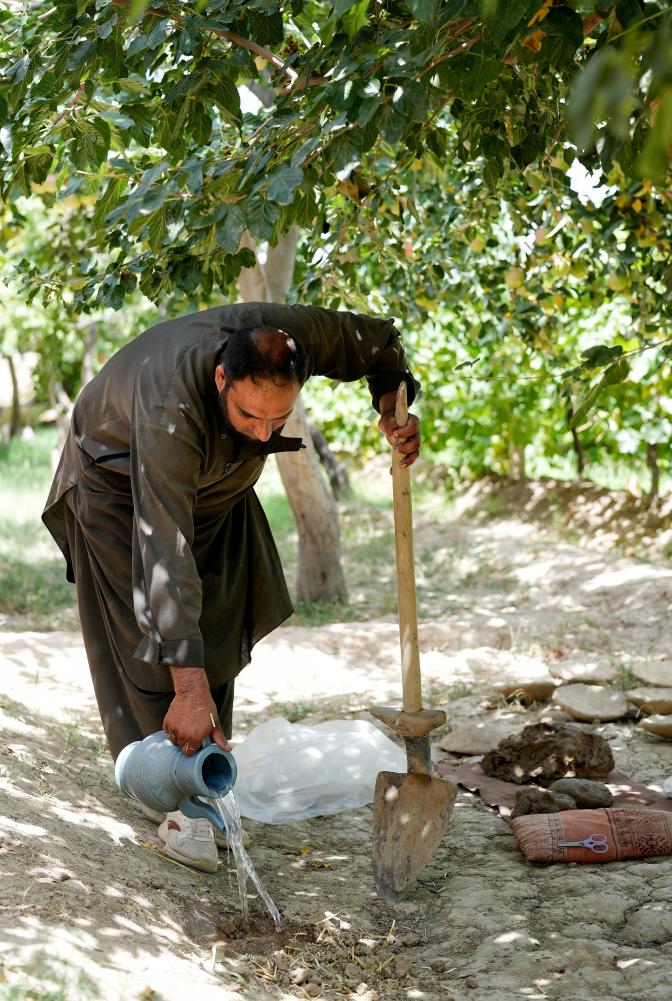
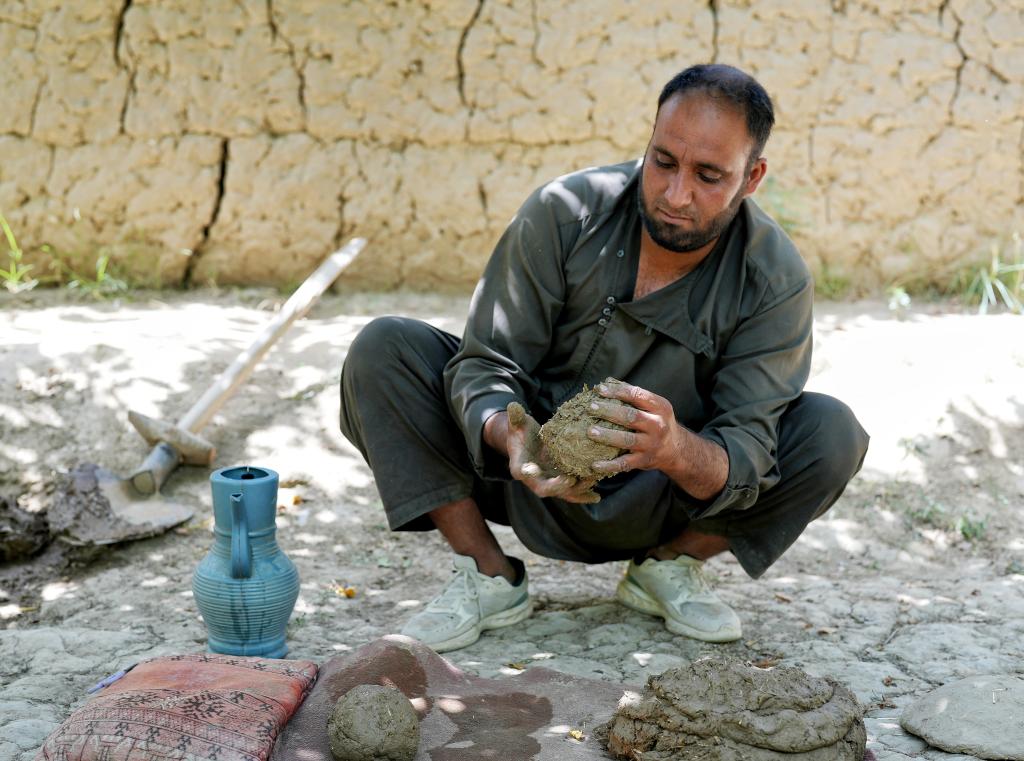
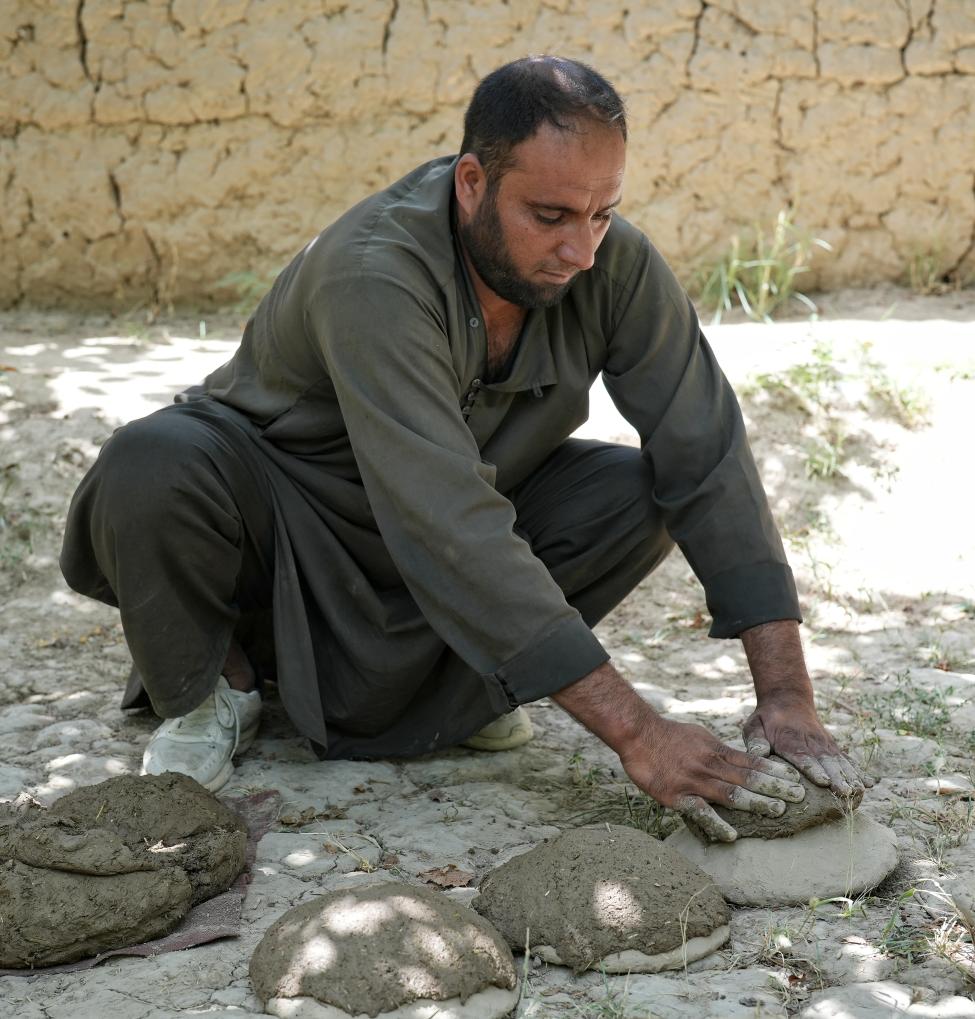
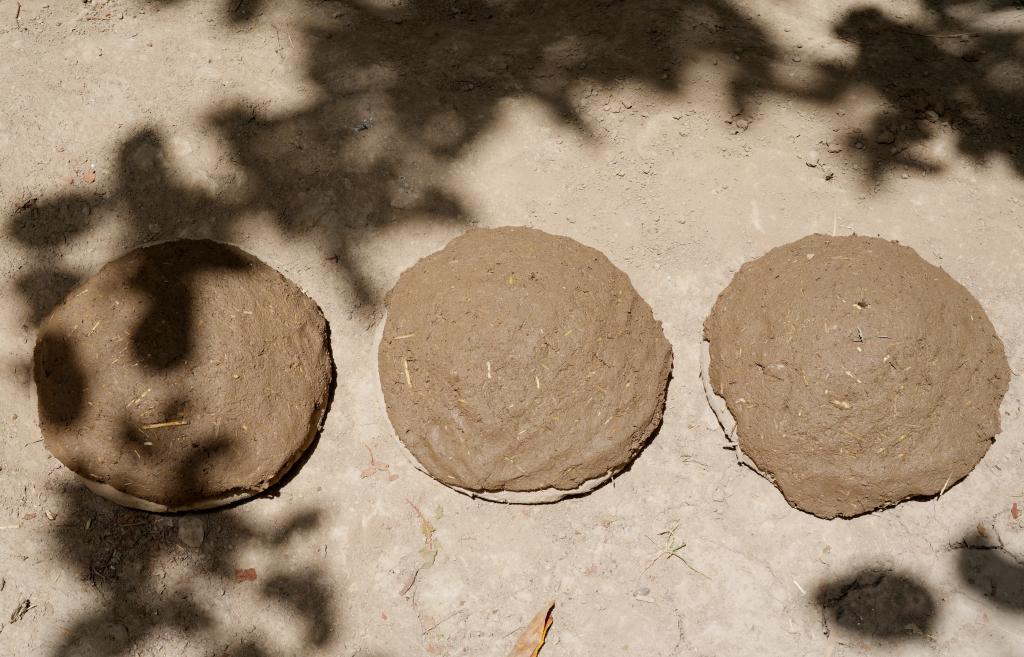
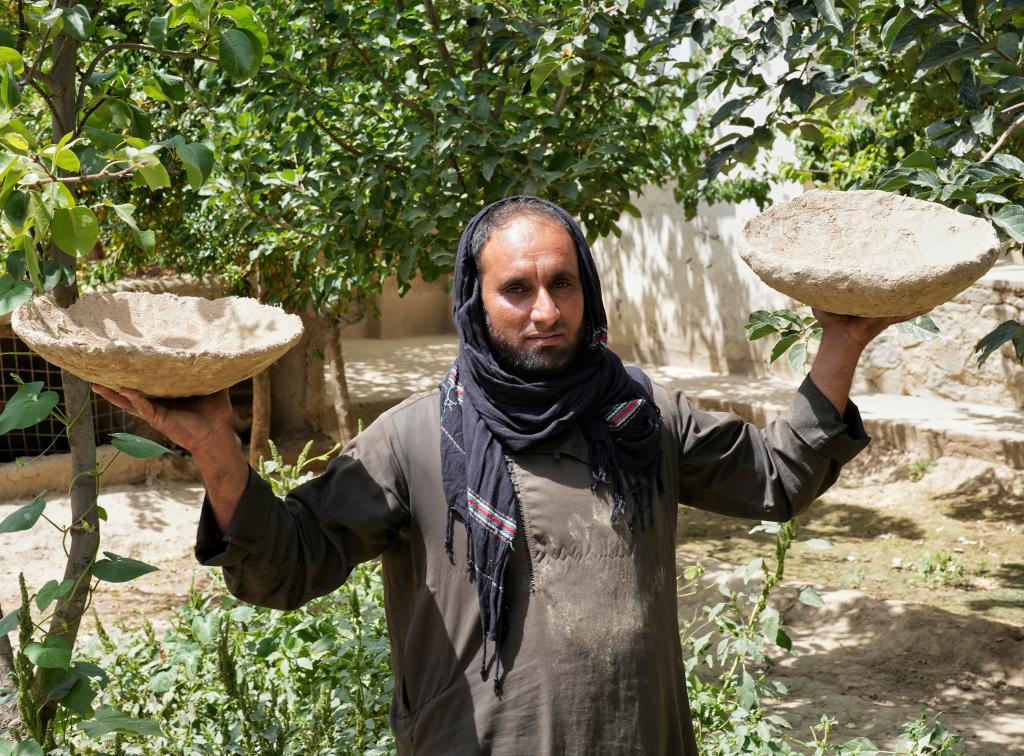
During harvest, people carefully select clusters of ripe, unblemished grapes, unwashed to avoid spoilage, and place them gently into the Kangana. The seam is sealed tightly with fine clay to keep air out. The containers are then stored in cool, dry cellars away light and humidity, where the grapes enter a period of quiet dormancy.
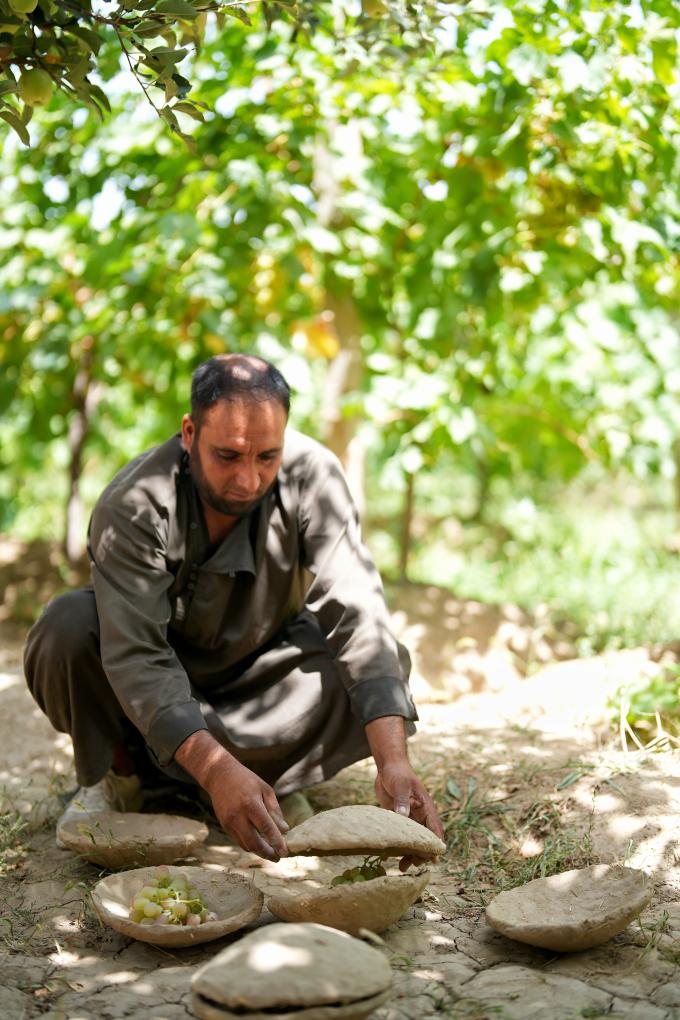
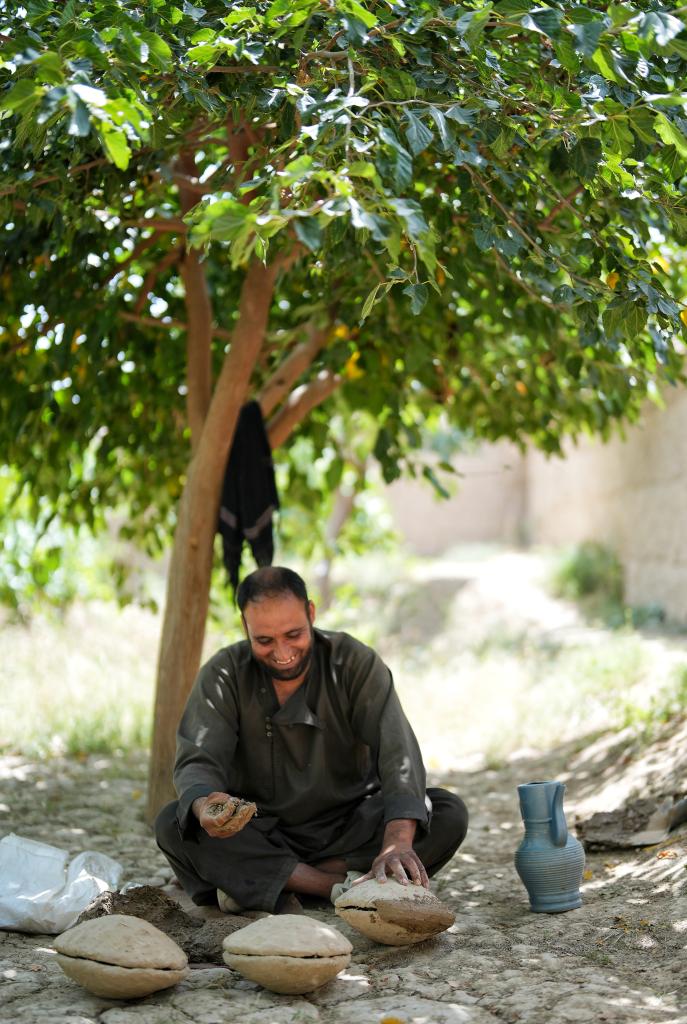
By March or April of the following year, when spring breezes sweep across the Hindu Kush Mountains, the Kangana are reopened. The scent of summer fruit still wafts forth, and the grapes remain sweet and fresh.
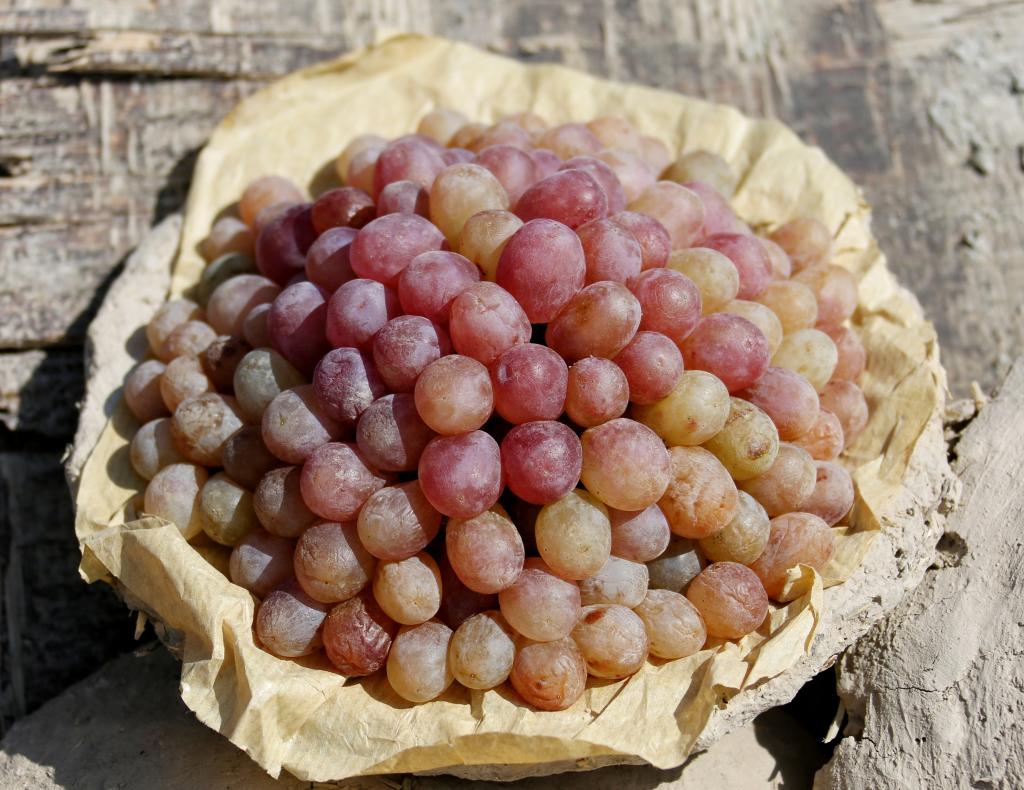
Though once used to preserve chilies, apples, and other produce, the Kangana is now primarily used for grapes, especially the thick-skinned, juicy, and robust Taifi grapes.
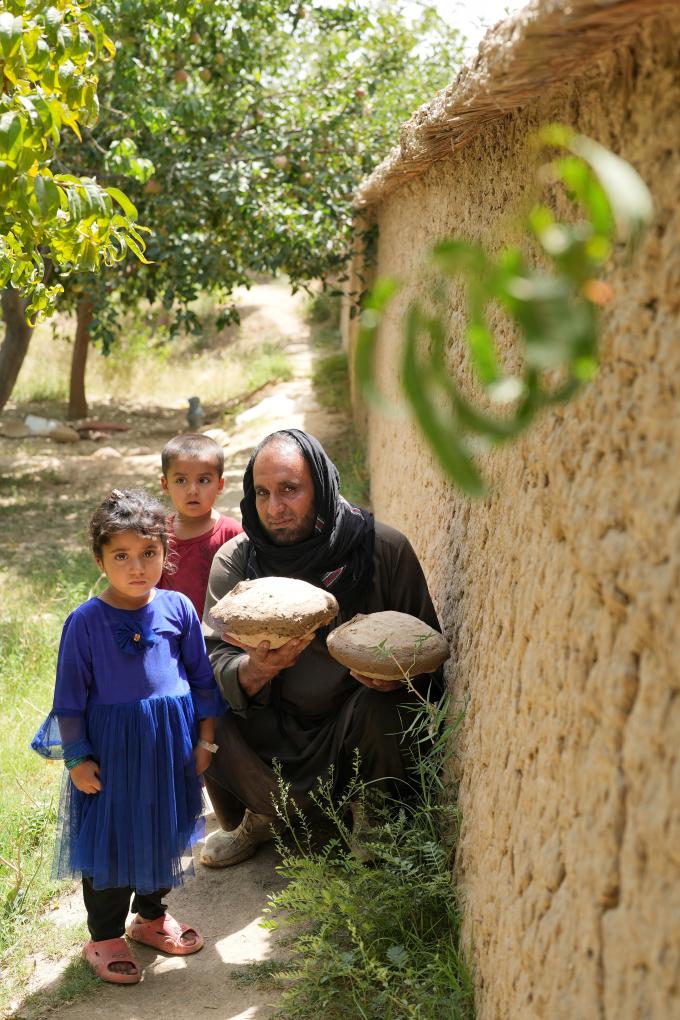
The Kangana stands as a testament to the harmony between the Afghan people and their natural environment.
In an era without refrigerators or plastic, people turned to the earth for solutions, using wisdom and diligence to capture freshness in time. Today, the Kangana is not only a practical tool but also a cherished intangible cultural heritage, quietly telling the story of a resilient and ingenious people.
Photographer:Li Ang, Saifurahman Safi, Sanaullah Seiam
Text:Li Ang, Yu Yang