
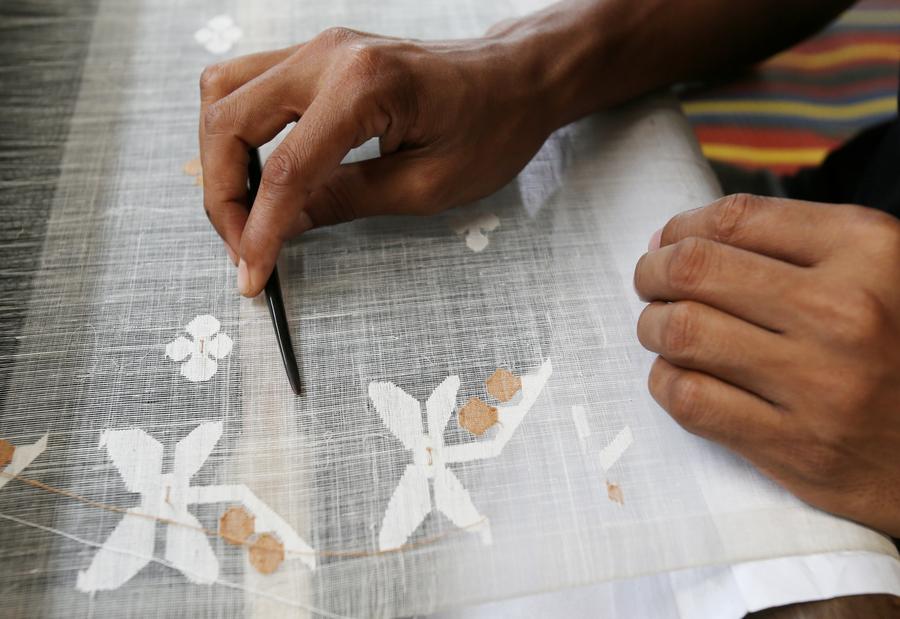
HONG KONG, July 28 (Xinhua) -- The morning glow pierces through the haze, spilling into a weaving workshop in Old Dhaka. Under its soft radiance, weavers' hands dance across an ancient loom, with their fingers guiding gossamer cotton threads into the delicate weave of Dhaka muslin fabric. Once hailed as "woven air" for its ethereal lightness and intricate craftsmanship, the legendary textile is now stirring from the ashes of history.
Centuries ago, the fertile floodplains of Bengal's delta nurtured a unique cotton, Phuti Karpas, whose fibers were unusually long, supple, and finer than any ordinary strain.
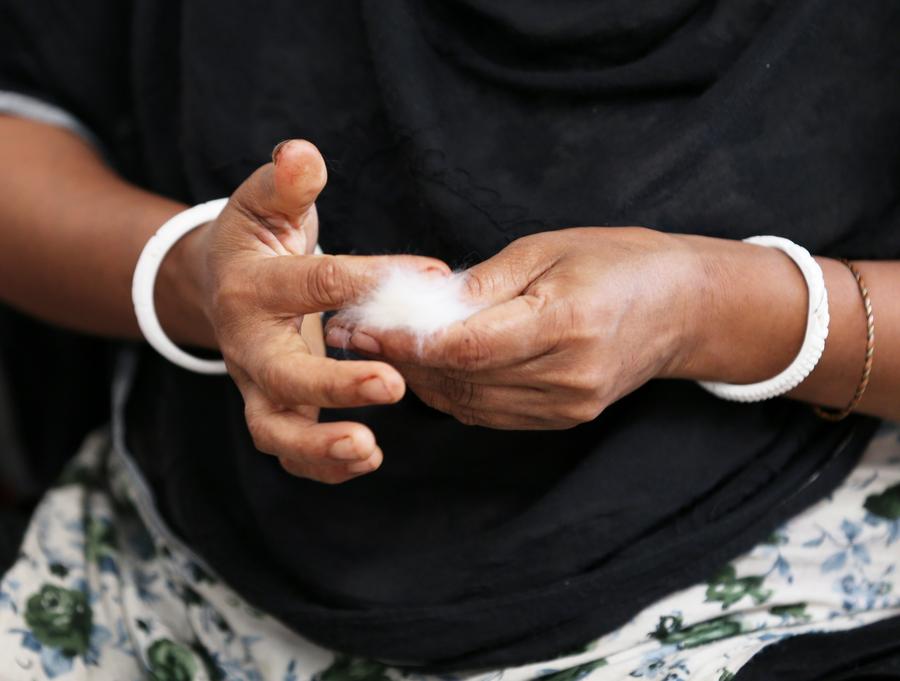
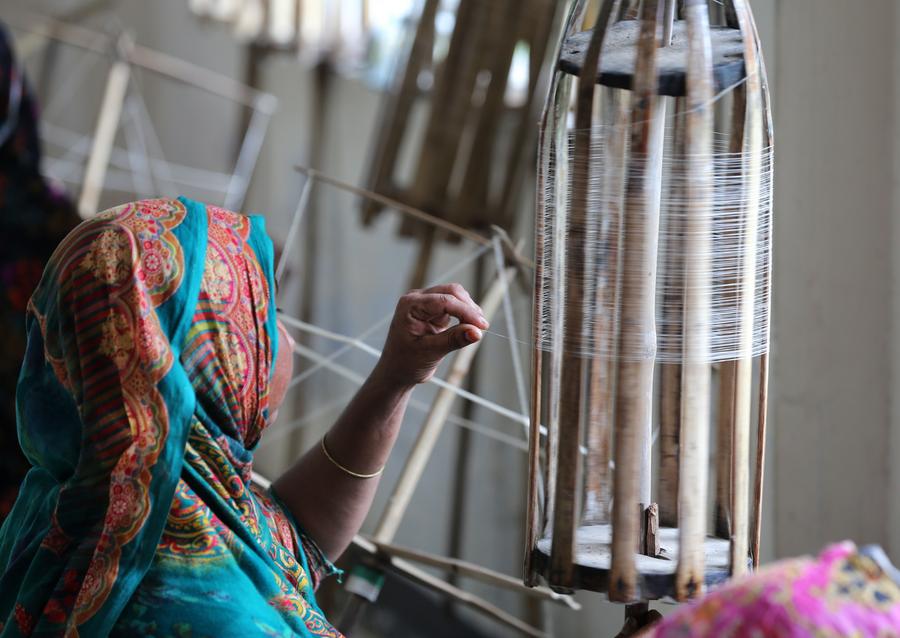
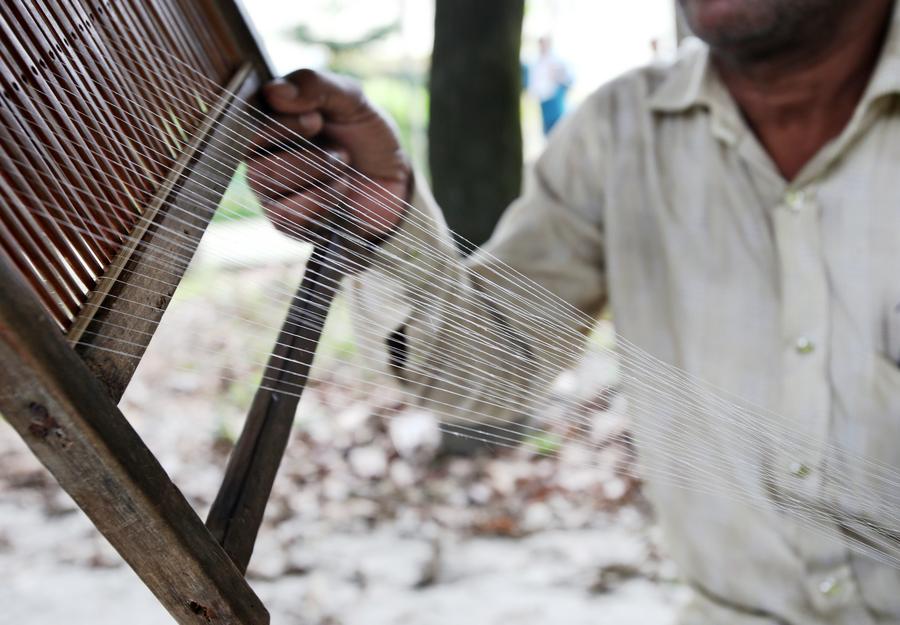
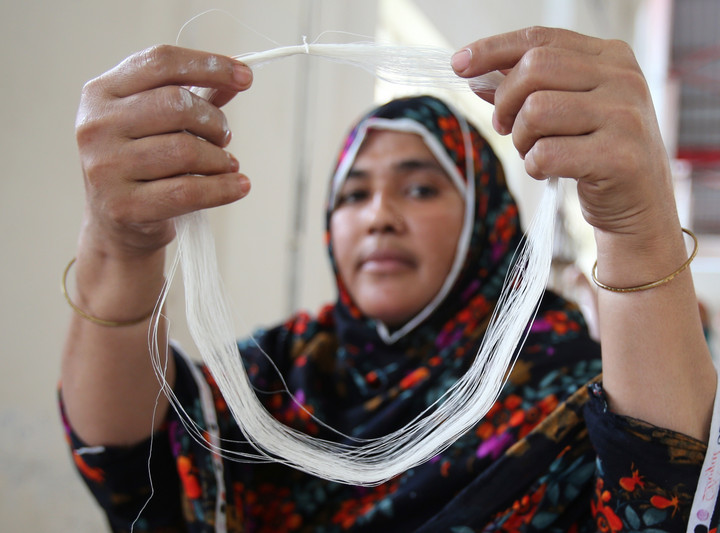
This rare gift of nature gave Dhaka muslin its ethereal lightness: a full-length cloth could pass effortlessly through a ring.
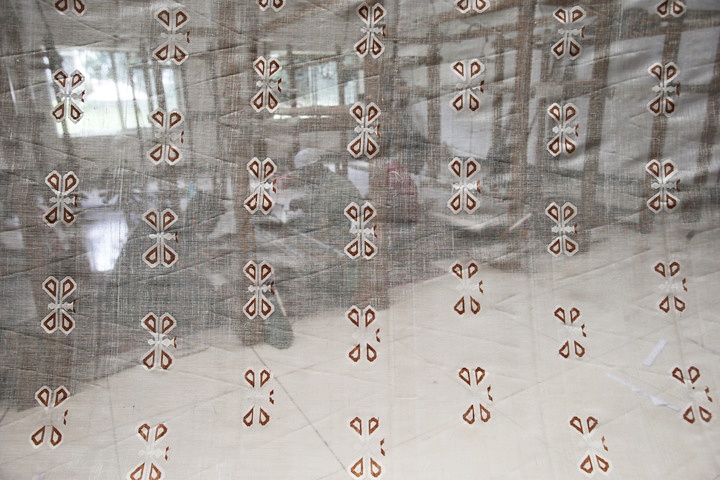
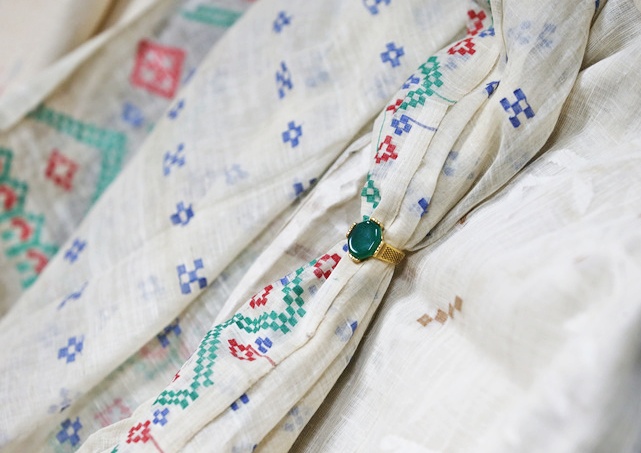
Yet, the tradition of Dhaka muslin weaving, which was exported worldwide, from the Middle East to Europe, vanished nearly two centuries ago due to colonial suppression and the extinction of the rare cotton plant Phuti Karpas.
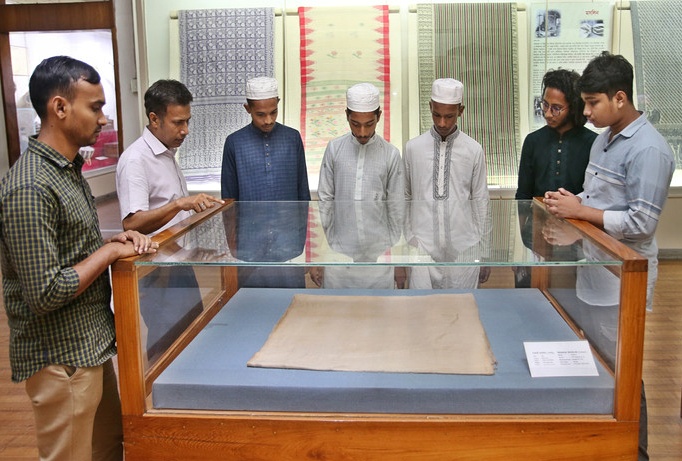
In 2018, a quiet revival began. Led by Bangladesh's government, researchers scoured museum archives worldwide, even extracting DNA from antique swatches to resurrect the lost Phuti Karpas. Today, under agriculturalists' care, the cotton blooms again in experimental fields.
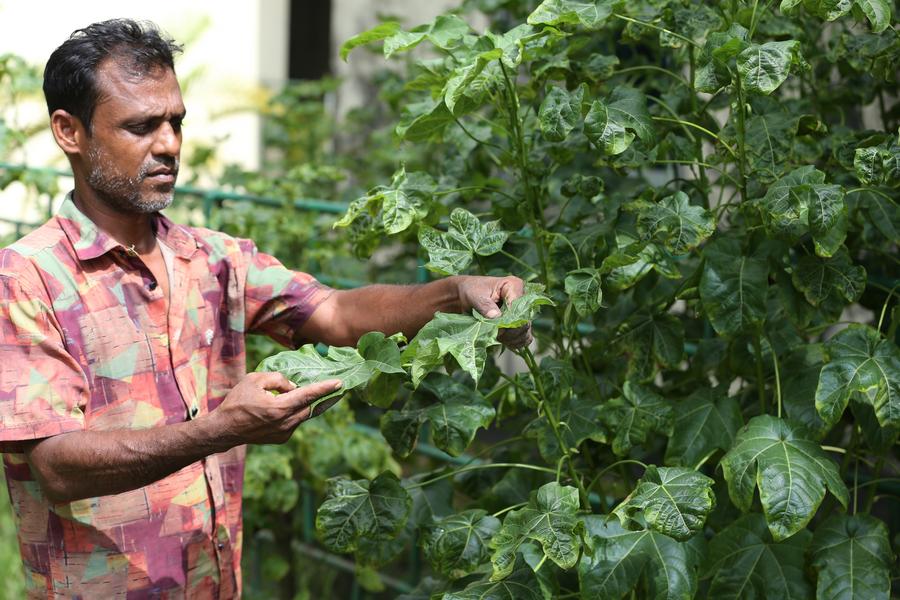
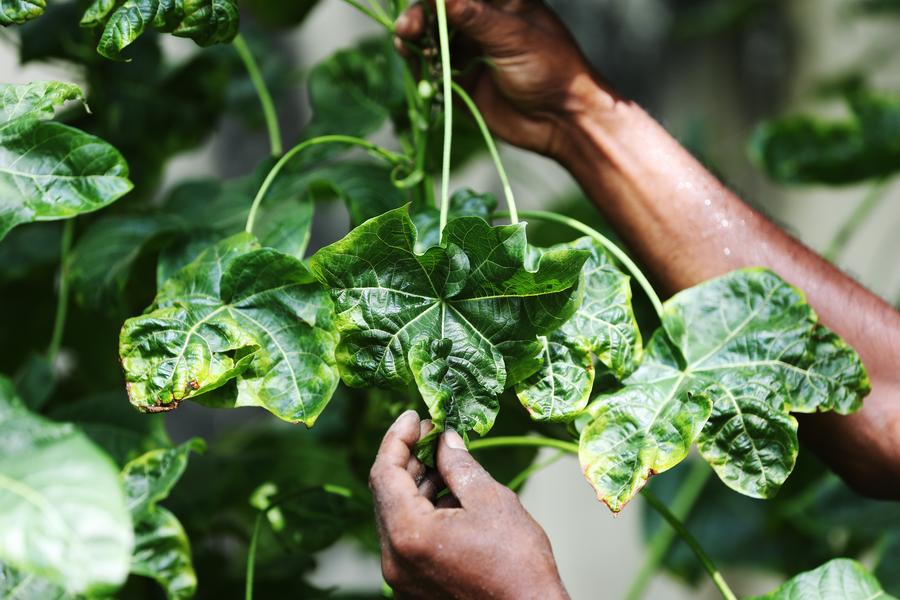
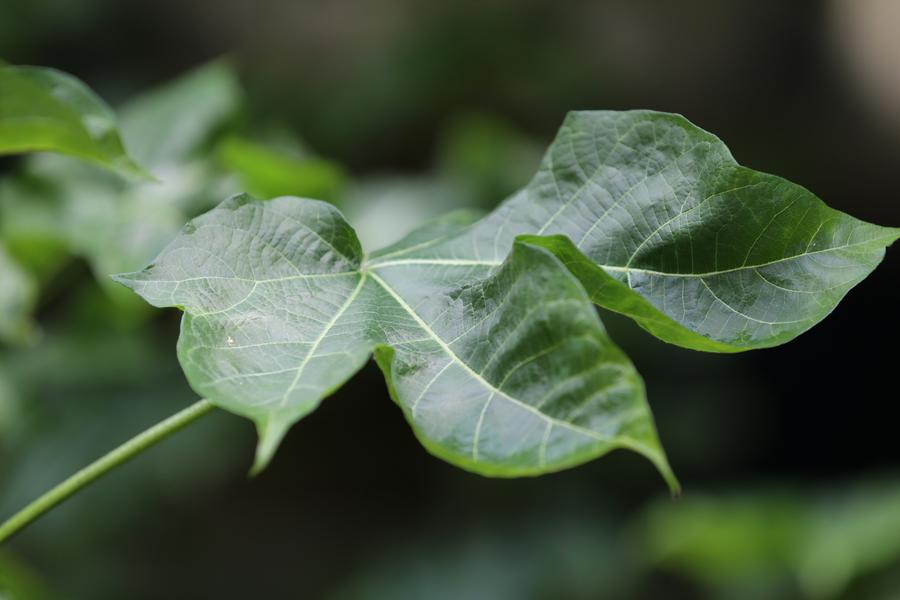
But rebirth demands more than seeds. At the loom, the craft's resurrection is also arduous. Traditional Dhaka muslin relies entirely on handweaving: a discipline of patience. Weavers carry out this task with their supple fingers and enviable eyesight.
Achia Begum, one of the project's weavers, described the challenges of working with such delicate yarn.
"We used to rub garlic on our hands at night to keep them soft in the morning, so we could handle the fine threads more easily," she said, adding "the cotton yarn is so soft and thin. so that this work requires enormous patience."
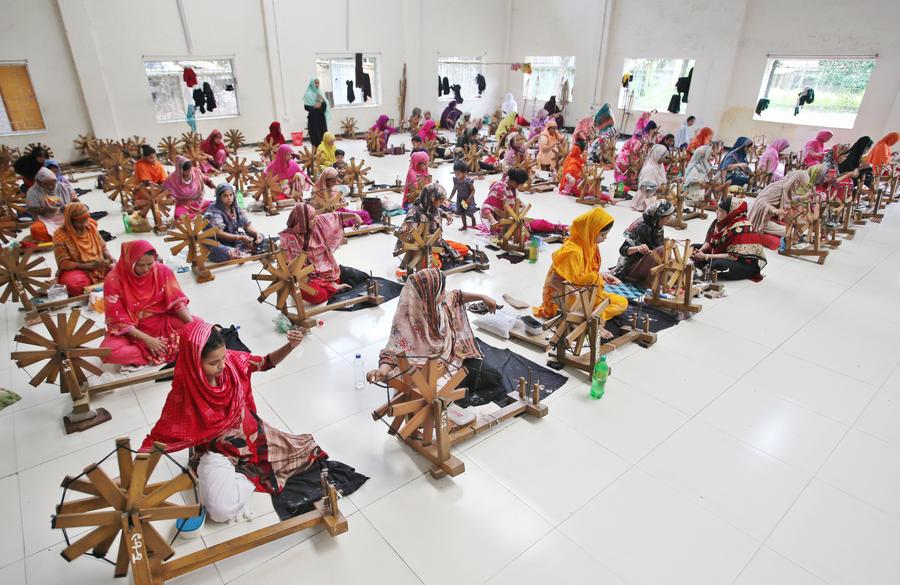
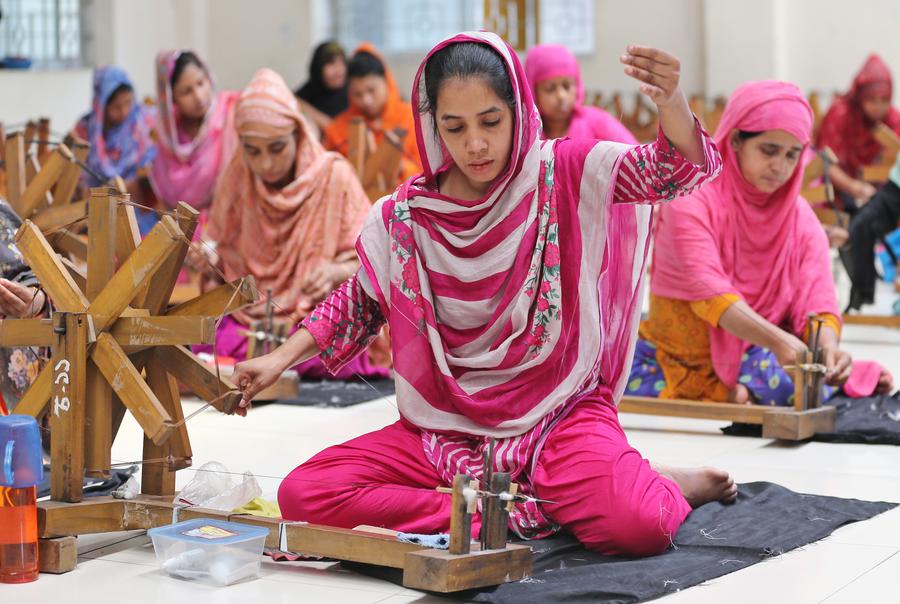
Mohsina Akhter, now a supervisor at the Dhaka muslin weaving center, said it took her two years to learn the technique. After excelling during training, she became both a trainer and a supervisor.
"I trained 11 new weavers, many of whom had never seen muslin before. It was difficult, but now they can all work independently," she said.
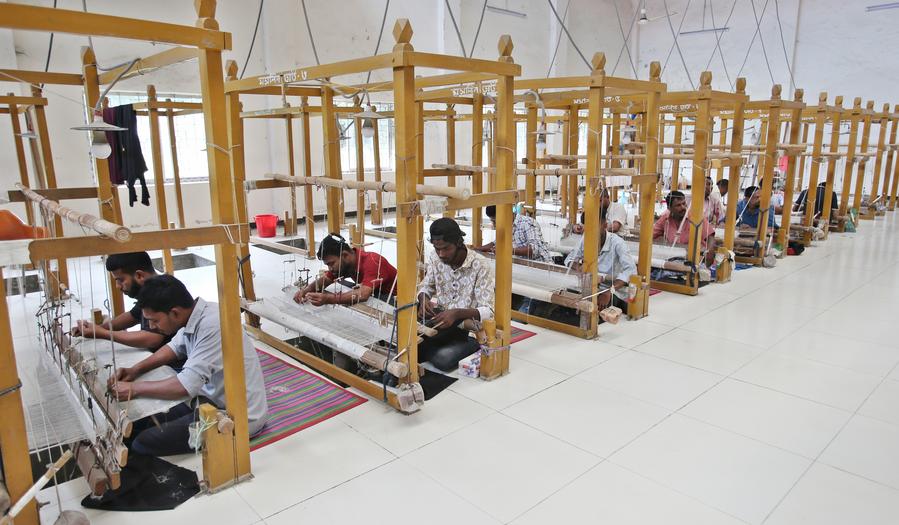
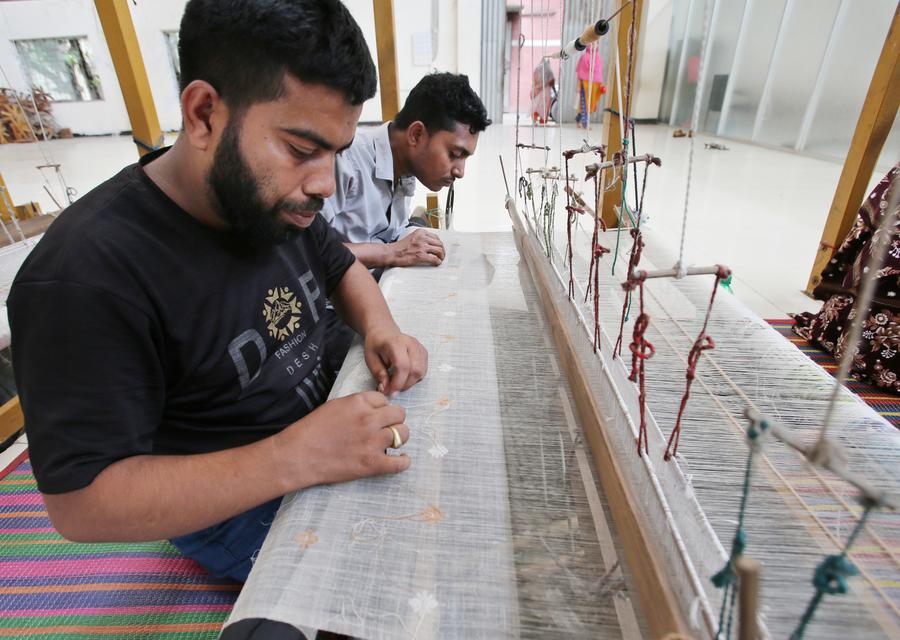
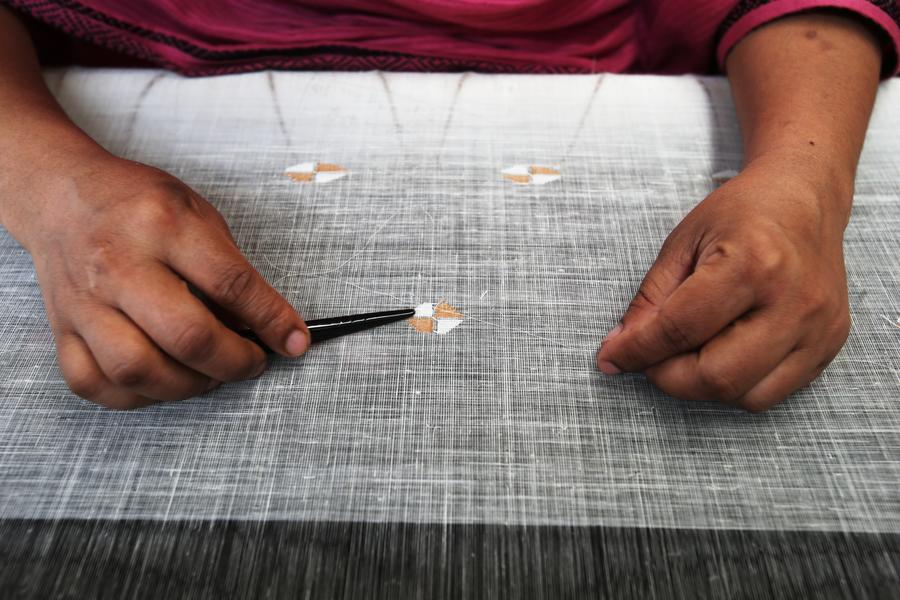
The Bangladesh Handloom Board (BHB), under the Ministry of Textiles and Jute, plays a key role in funding the revival project, as well as overseeing cultivation, research, and training programs.
BHB Chairman Abu Ahmed Siddique said, "muslin has deep historical roots, dating back to the Middle Ages. Dhaka cotton was famous worldwide, and our weavers were once prosperous. But British colonization, mass production of yarn, and restrictive trade policies devastated the industry."
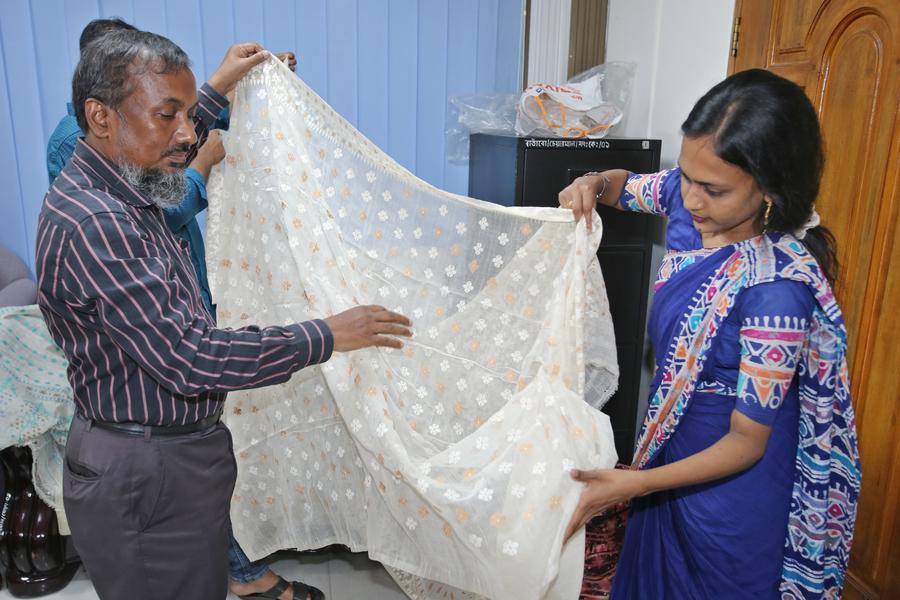
Siddique emphasized two key reasons for reviving muslin.
"Firstly, we want to dig out our history and to revive our history," Siddique said, saying "It is a very glorious history of Dhaka and Bangladesh. Still Bangladesh is thriving in exporting garments. So why don't we dig out and restore our history and let the world know what kind of sophistication was available in this part."
"Secondly, we are looking for fusion so that we can involve our investors and our modern technology with the ancient one," he said.
The second phase began in 2023, focusing on conducting extensive research to ensure the sustainability of the revived muslin production process and to promote the private sector's participation.
Siddique noted that muslin was never confined to the elite, it was worn by people of all classes.
"Now, we are working to revive the original muslin and let the world rediscover its elegance," he said.
Photographer: Habibur Rahman
Text: Yu Yang■