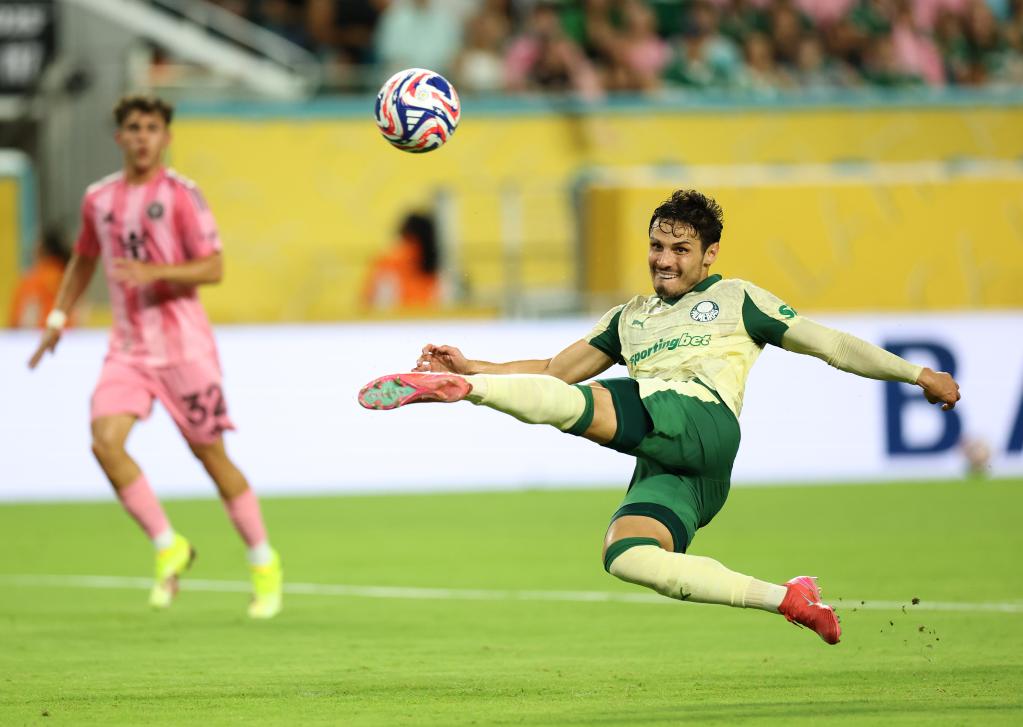
A "Samba Whirlwind" hit the Club World Cup as all four Brazilian clubs reached the knockouts. Deep youth academies, smart imports, returning veterans, elite coaches and unmatched fan support lift them past Europe's top sides despite a heavier match load.
by sportswriters Dong Yixing and Zhao Yan
MIAMI, June 26 (Xinhua) -- A "Samba Whirlwind" swept through the FIFA Club World Cup group stage as all four Brazilian clubs stormed into the knockout phase, leaving European giants reeling and igniting global fascination.
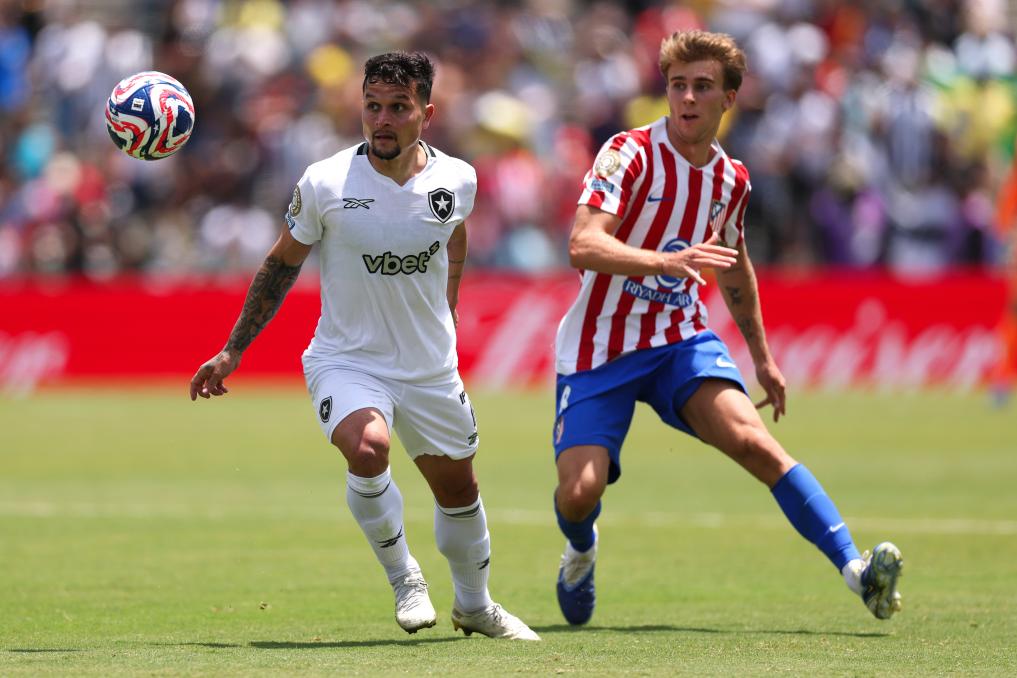
Botafogo's 1-0 stunner over Champions League holder Paris Saint-Germain and Flamengo's commanding 3-1 victory against Chelsea underscored Brazil's resurgence on club football's grandest stage, with European media scrambling for explanations.
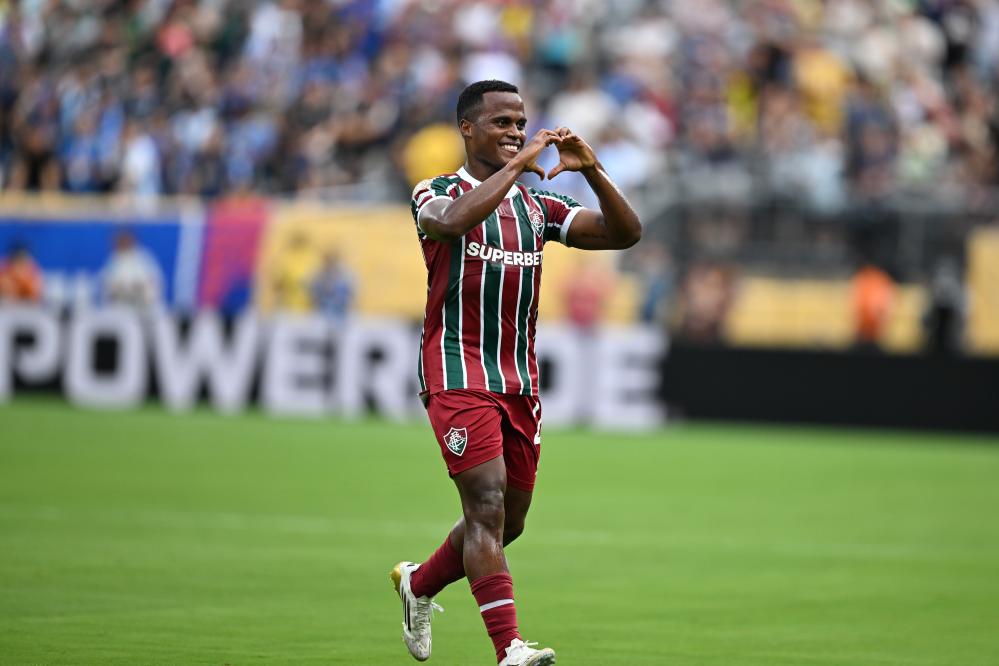
"It is an incredible moment for me, for the team, for the fans, for our country," Fluminense star Nonato told FIFA. "We have four Brazilian teams in the round of 16, so the feeling is amazing. We have to enjoy it now, rest a bit but enjoy this moment because it is unique for the history of the club."
"For us, it is not a surprise (that the four Brazilian teams did so well at the Club World Cup) because [we] already knew our level of play, our quality. This tournament gives us an opportunity to show the quality of the Brazilian championship," Nonato added.
Brazil's success springs from famed youth academies and strategic imports. Flamengo, a club supported by one-quarter of Brazil's population, exemplifies this. Vitor Zanelli Albuquerque, Flamengo's vice president of youth football, women's football and futsal, told Xinhua that its youth academy in Rio de Janeiro, where stars like Vinicius Jr. honed their skills, invested 50 million BRL (about 9.12 million U.S. dollars) in 2024.
Xinhua's visit to the base last year revealed facilities mirroring the first team: age-specific coaching offices, tactical rooms, analytics labs, gyms and nutrition teams. Youth players start futsal training at age six, progressing to full-field academies at 11. With 30 players per age group (U7 to U20), training integrates with Brazil's half-day school system - a minimum of two hours of daily sessions plus weekend matches. On-site lodging supports early game schedules.
"Players face technical and psychological evaluations every three months," explained Albuquerque. "Only the best stay."
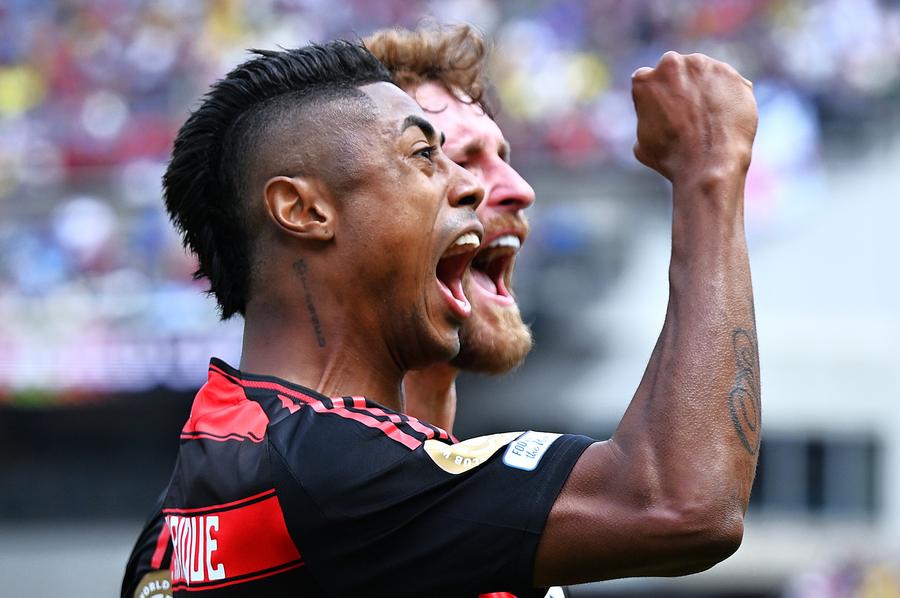
This pipeline feeds national U17 and U20 leagues and continental tournaments like the Copa Libertadores U20, where Flamengo remained unbeaten in 2024.
"We pursue excellence relentlessly," Albuquerque said. "We generated 1.02 billion BRL (about 185 million US dollars) from player sales in five years - the highest outside Europe."
With top talents departing early, Brazilian clubs now recruit aggressively from neighboring countries. Foreigner quotas allow up to nine non-Brazilians on the field in the domestic league, with Uruguay's Giorgian de Arrascaeta (Flamengo), Colombia's Jhon Arias (Fluminense), Paraguay's Gustavo Gomez (Palmeiras) and Venezuela's Jefferson Savarino (Botafogo) now orchestrating attacks.
Returning veterans and experienced tacticians also bridge the continental gap. Thiago Silva (Fluminense), former Italy international Jorginho (Flamengo) and ex-Everton and Napoli midfielder Allan (Botafogo) have brought elite experience. Coaches like Portugal's Abel Ferreira, who won two Copa Libertadores titles with Palmeiras, and Flamengo's Felipe Luis have outmaneuvered their European counterparts.
Meanwhile, Brazilian fans have transformed U.S. stadiums into home turf. Flamengo's faithful turned Philadelphia's Lincoln Financial Field into another Maracana, while Palmeiras supporters outsang Messi's global fans in Miami.
"The fans have put on a show," said Nonato. "They are holding our team, pushing us forward so I think it is unbelievable the synergy between the team and fans. This is a unique moment in my life." ■