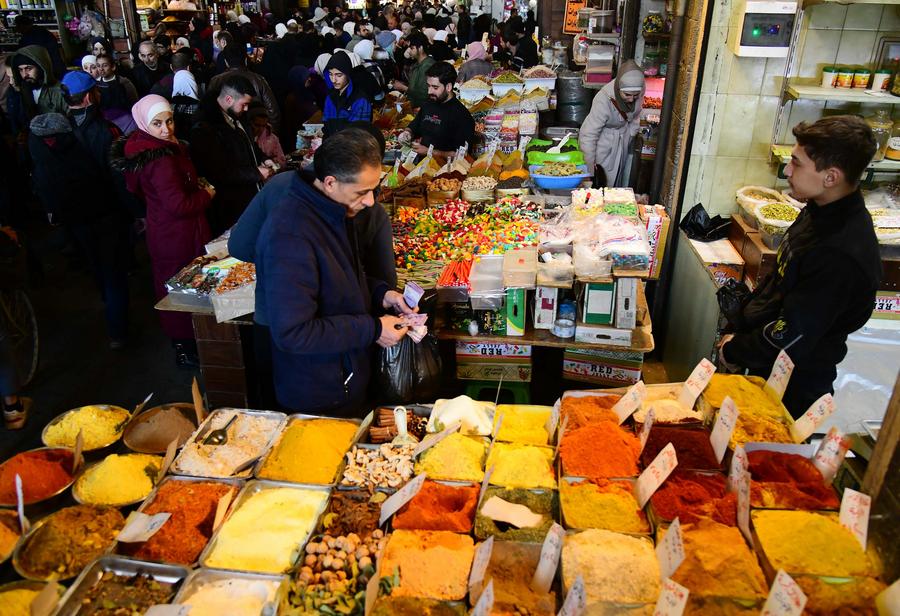
DAMASCUS, May 24 (Xinhua) -- The Trump administration's recent decision to ease longstanding sanctions on Syria has sparked cautious optimism among Syrians and regional observers, with many viewing it as a potential turning point in the country's arduous path toward recovery after more than a decade of conflict.
On Friday, the U.S. Treasury Department issued a general license authorizing financial transactions with the interim Syrian government, the central bank, and state-owned enterprises. The measure includes a 180-day waiver under the Caesar Act, a U.S. law that sanctions the former Syrian government, including former President Bashar al-Assad.
Following the announcement, Syria's foreign affairs chief, Asaad al-Shibani, said on X that "more achievements" will take place in the coming months following Western decisions. He added, "Syria and its people deserve a great standing, a prosperous country, and representation worthy of them on the international stage."
While the diplomatic gesture has generated a wave of hope, experts warn that the road to meaningful reconstruction and economic revival will be long and difficult.
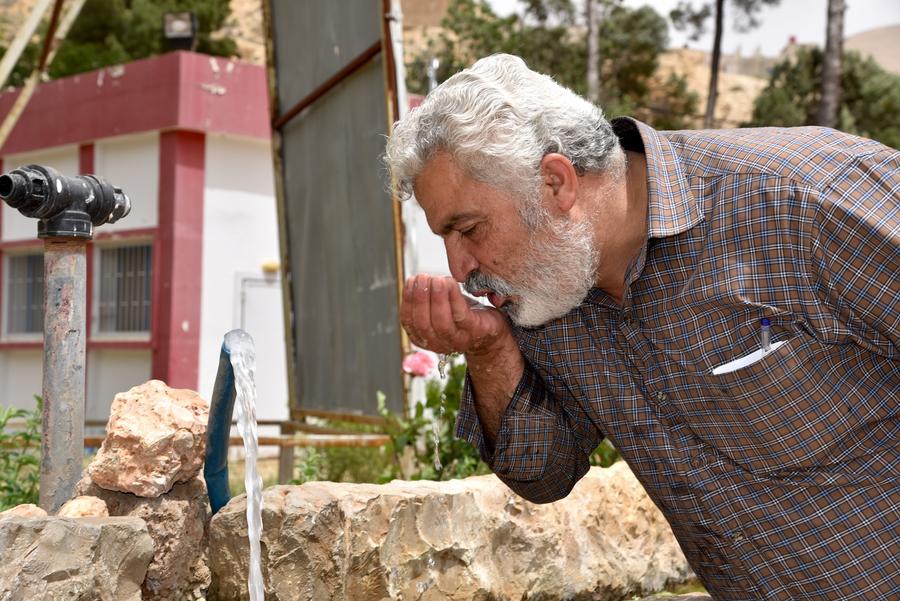
"For 14 years, sanctions have crippled every aspect of life-economic, political, and social. Even basic financial transactions were blocked. Families couldn't send money to each other," said Ibrahim Daraji, professor of international law at Damascus University.
Daraji emphasized that sanctions had isolated Syria from both global markets and regional neighbors. "The feeling was that we were the world's forgotten people," he said. "Lifting the sanctions is a first step, not a magic wand."
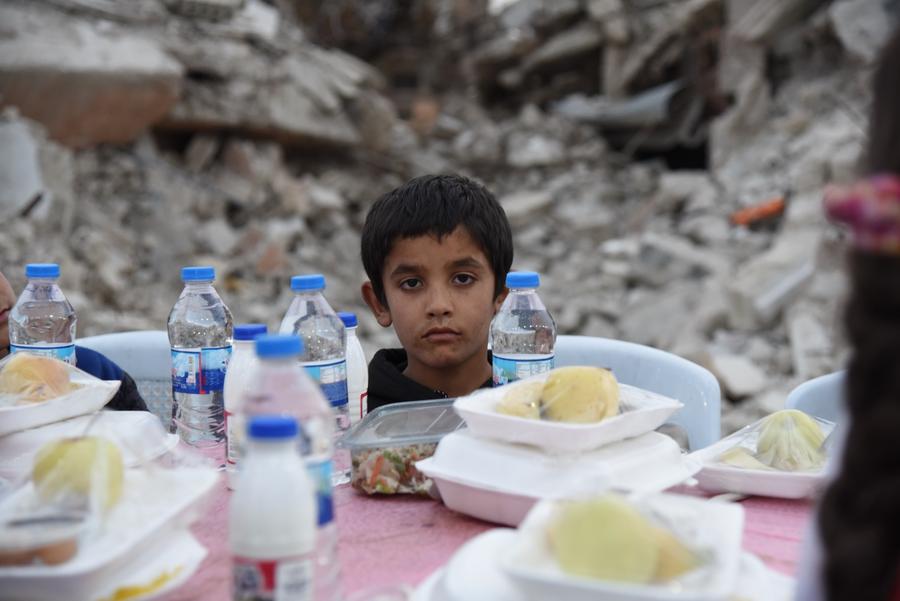
Ghassan Hitto, CEO of the Syrian Forum -- a Türkiye-based non-governmental charity, stressed the scale of destruction left by the conflict: more than 3 million housing units and 9,600 schools were destroyed, and over 2 million people remain internally displaced in northern Syria, with millions more abroad.
While the easing of sanctions could pave the way for job creation and investment, Hitto warned of the deep challenges ahead. "We're talking about a country where 90 percent of the population lives below the poverty line."
Economists also noted that sanction relief is only one piece of a complex puzzle.
"Economic recovery won't be easy," said Hiyam Ali, an economic analyst. "Syria's economy is devastated. What we need now is a full economic overhaul, a modern investment law, and integration into the global banking system," she told Xinhua.
Ali underscored the need for swift legal and institutional reforms.
"We must attract foreign capital by ensuring freedom of financial flows and strengthening the investment climate. That includes protecting domestic industries and launching unconventional infrastructure projects in energy and transportation," she said.
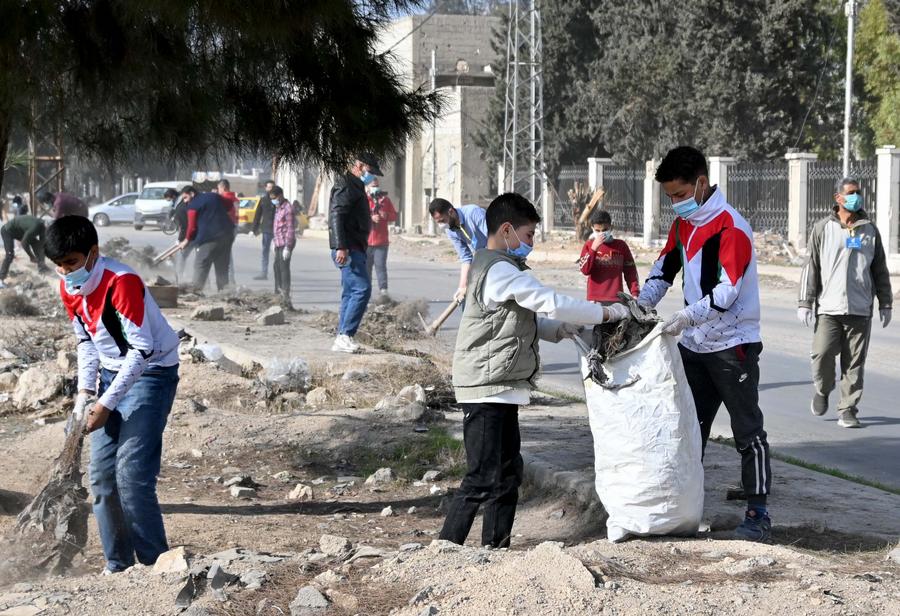
She added that Syria's strategic geographic location could become a major asset. "If used correctly, Syria's position can become an investment magnet."
The easing of U.S. sanctions followed diplomatic talks involving Saudi Arabia and Türkiye, both of which have advocated for Syria's reintegration into the regional fold.
Trump's recent announcement in Riyadh reportedly came after conversations with Saudi Crown Prince Mohammed bin Salman Al Saud and Turkish President Recep Tayyip Erdogan, who view Syria's recovery as key to broader regional stability.
On the ground, Syrians are watching closely, hopeful that this policy shift will mark the beginning of something they've long yearned for: a return to normalcy, for starters. ■