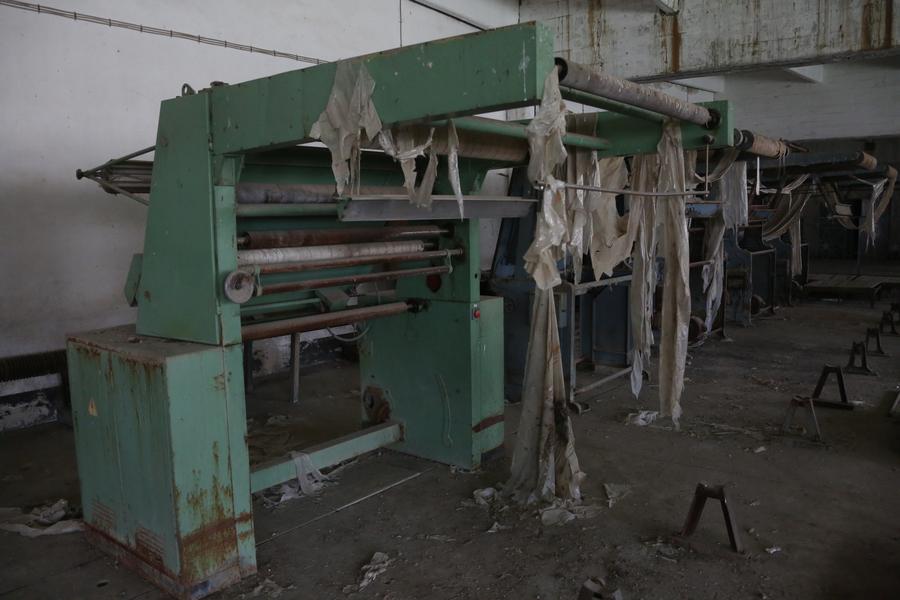
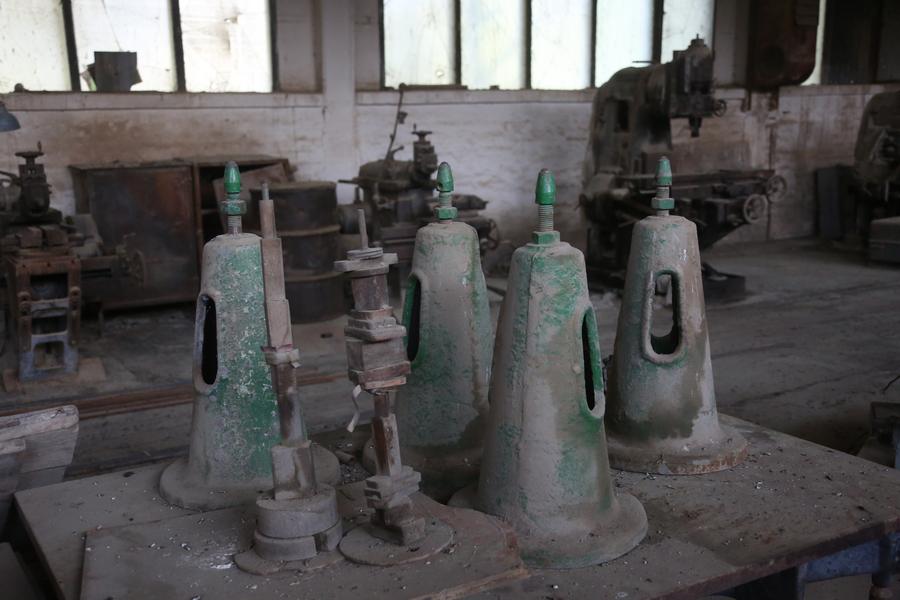
A walk through the shattered buildings reveals remnants of thousands of machines, some still intact, bearing silent witness to both the factory's past and the scale of devastation brought by war.
GULBAHAR, Afghanistan, April 22 (Xinhua) -- Once a thriving hub for domestic textile production and a pillar of Afghanistan's industrial development, the Afghan Textile Gulbahar Factory now stands in ruins, a casualty of decades of war and instability.
Located about 70 km north of capital Kabul, the factory, locally known as Nasaji Gulbahar, once provided jobs for nearly 9,000 workers. More than just a workplace, it supported an entire community, offering housing, a cinema, a kindergarten, and a school for employees and their families.
However, over four decades of conflict, civil strife, and foreign interventions have left the factory derelict, along with the hopes and dreams of those who once worked there.
"People were happy and lived decent lives. Around 8,500 employees earned their livelihood here," recalled Ghulam Dastgir Khan, a former worker, his voice filled with nostalgia.
Khan, now elderly and among the few surviving employees from the factory's heyday, described the plant's once-bustling operations: spinning units, blanket production, dyeing workshops, a fire brigade, a dining hall, and repair facilities, all staffed with trained professionals.
At its peak, the factory produced as much as 220,000 meters of fabric daily. Dozens of buses transported workers from nearby Kapisa and Parwan provinces, while thousands lived in housing provided on-site.
"My only wish is to see this factory brought back to life and people returning to work. That's my dream," Khan said, standing amid the ruins.
A walk through the shattered buildings reveals remnants of thousands of machines, some still intact, bearing silent witness to both the factory's past and the scale of devastation brought by war.
"The 40 years of war have utterly destroyed this factory," said Qari Mohammad Sayed Ayubi, the plant's deputy director. "We've reached out to the government and private sector, but the cost of restoration is massive and beyond domestic means."
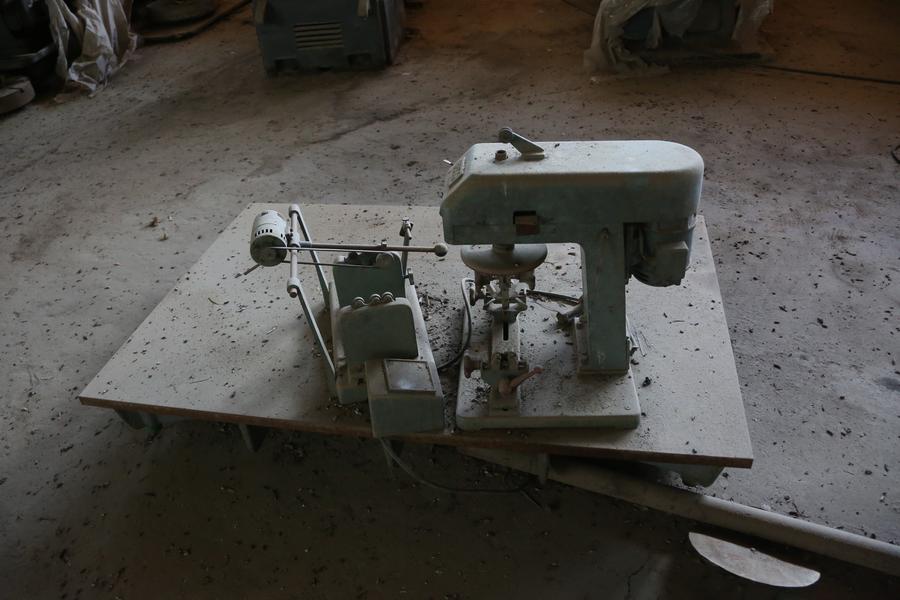
Built half a century ago on 232 acres of land, the factory is now maintained by about 60 staff members, both administrative and technical, tasked with preserving its remaining assets, including machinery, shops, and housing units.
"This plant could play a key role in stabilizing both our economy and security," Ayubi added. "If revived, it could employ at least 5,000 people. Because of poverty, many Afghans flee abroad -- some drown en route, others are exploited. This factory could offer them a future here."
Gulbahar is not alone. Other major textile centers, like the Bagrami Textile Factory near Kabul, also lie in ruins as victims of the prolonged conflict.
The Afghan interim government has repeatedly called on domestic and international investors to help rebuild the nation's war-torn industries, hoping to spark economic recovery, reduce poverty, and offer citizens a reason to stay.■