
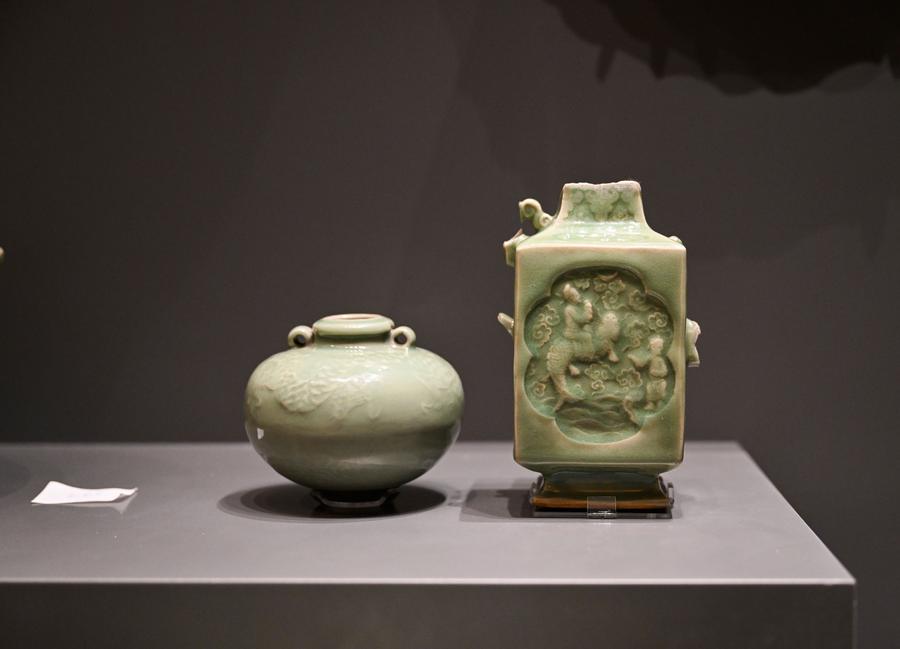
ISTANBUL, Feb. 15 (Xinhua) -- Istanbul's Topkapi Palace will open a new museum later this year featuring the "world's most extensive porcelain collection," with rare Chinese ceramics from the Yuan and Ming dynasties taking center stage, the palace's director announced on Friday.
After a four-year restoration of the historic Darphane-i Amire complex -- formerly the Ottoman Empire's mint -- the museum will display over 4,500 porcelain artifacts, including 1,442 prized Chinese pieces, Director Ilhan Kocaman told Xinhua in an interview.
"Topkapi Palace's inventory includes around 22,000 porcelain items, 12,000 of which are Chinese. This collection is globally unparalleled outside of China itself," Kocaman said, noting that many pieces arrived via diplomatic exchanges and trade during the empire's zenith.
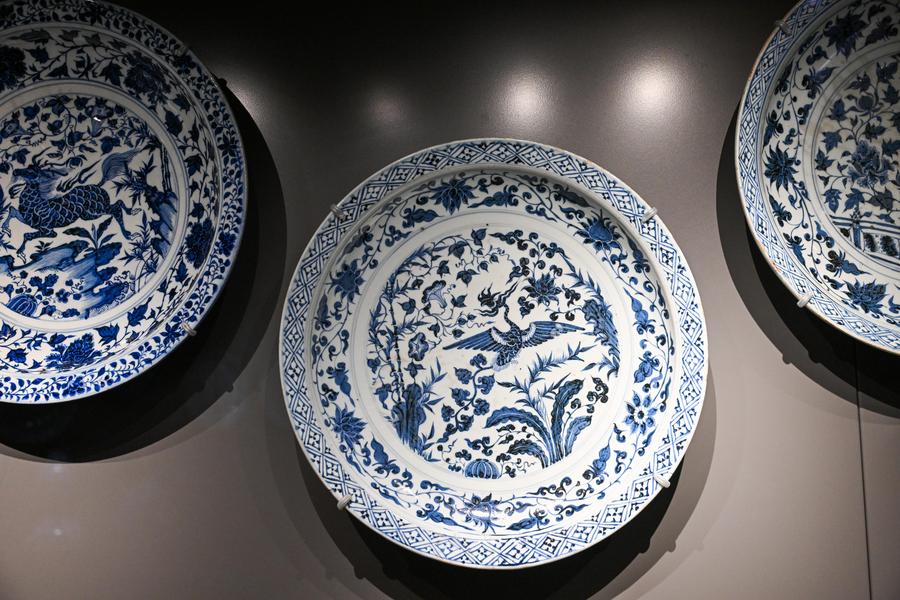
The museum will organize its exhibits into three sections: Chinese porcelain, European and Asian works, and Ottoman-era ceramics. The Chinese collection, featuring celadon and blue-and-white ware, reflects the empire's historical prestige, Kocaman explained.
He highlighted the cultural significance of Chinese porcelain in the Ottoman Empire. "These porcelain items adorned the Sultan's dining table, symbolizing his authority and power... When Chinese ceramics are present, it usually indicates a space belonging to...the Sultan himself."
The Chinese porcelain was primarily acquired through diplomatic gifts and trade.
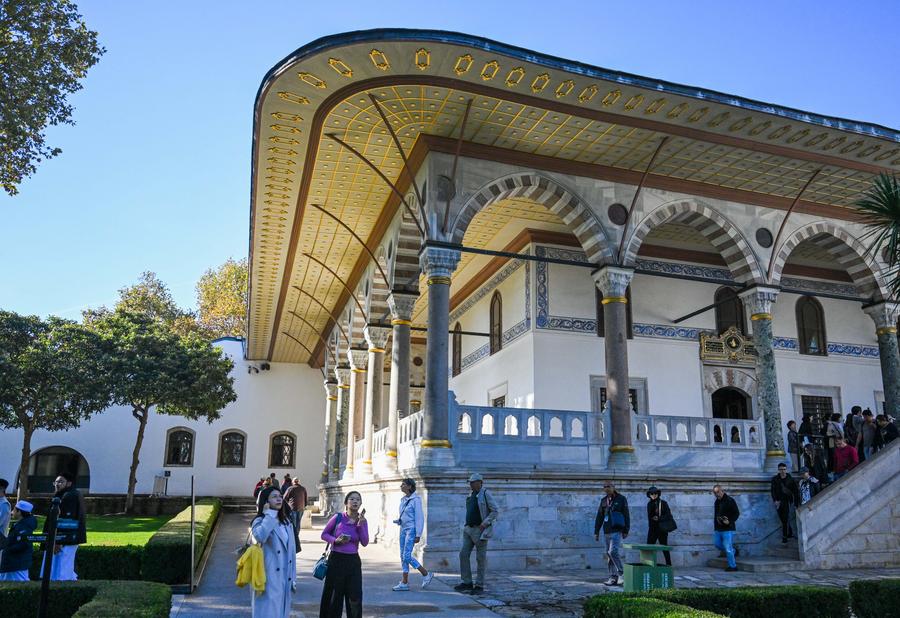
Previously, only 400 Chinese pieces were displayed due to space constraints. The new venue, set within the palace's 15th-century compound, underscores Istanbul's role as a bridge for porcelain trade to Europe. "After China, Istanbul was the true heart of this art," Kocaman added.
The museum is slated to open by year-end, offering a lens into centuries of cross-cultural exchange and Ottoman opulence.
Topkapi Palace was the official residence of the Ottoman sultans for over 400 years, from the 15th to the 19th centuries.
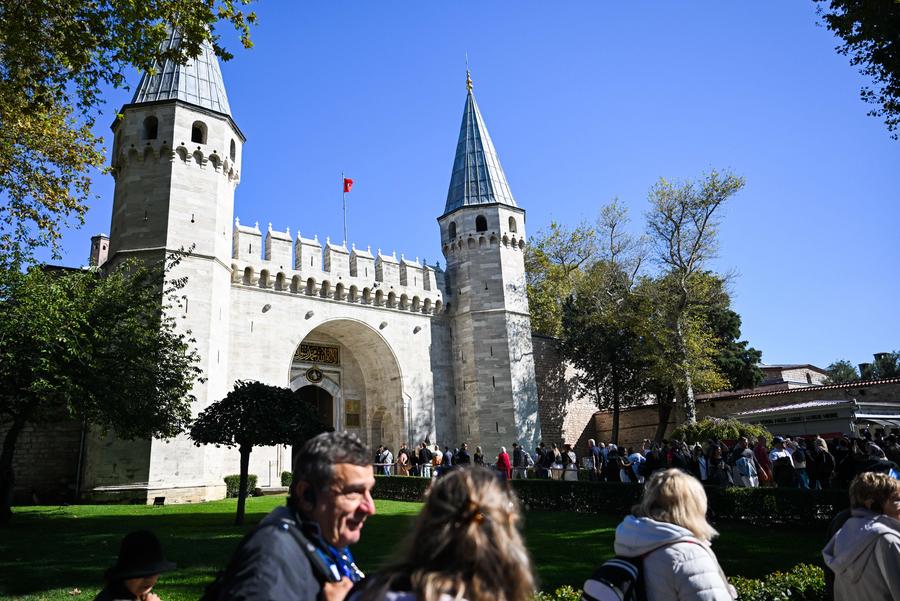
It's a sprawling complex of courtyards, pavilions, and mosques, offering a glimpse into the opulent lives of the Ottoman rulers and the administration of their vast empire. Today, it's a museum and a major tourist attraction, housing a vast collection of artifacts, including imperial treasures, religious relics, and the world-renowned porcelain collection. ■




