
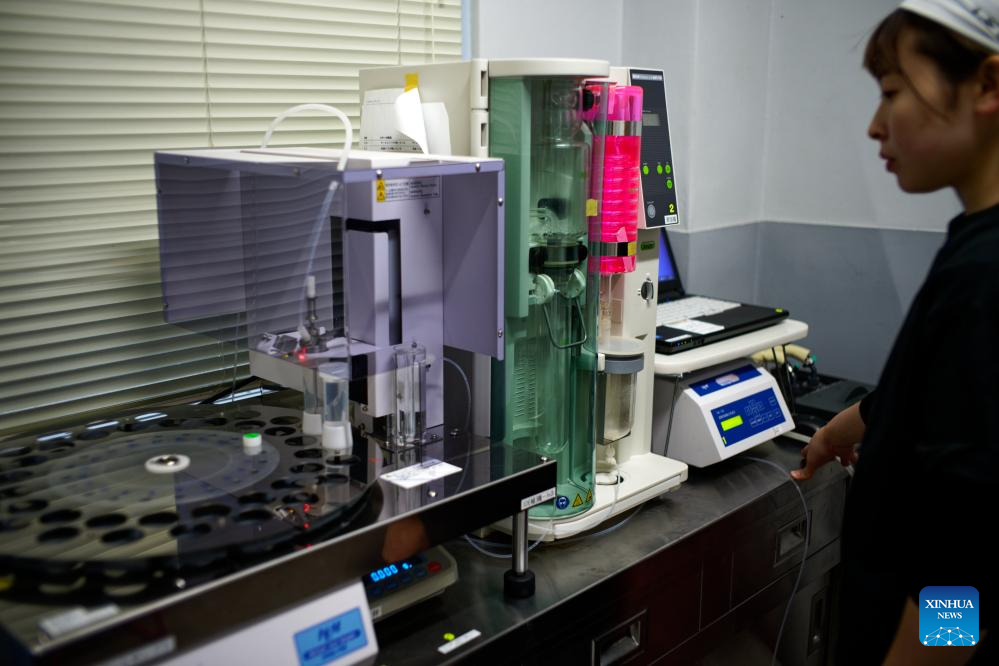
A worker examines samples of fresh sake at a laboratory of Jozan Brewery in Fukui, Japan, Dec. 17, 2024. Japanese alcoholic beverages, including sake (nihonshu), shochu and awamori, are made from grains and water. Craftspeople use koji mold to convert the starch in the ingredients into sugar, and oversee the process to make sure the mold grows in optimal conditions.
Jozan, a brewery located in Fukui Prefecture, a region renowned for its high-quality rice, has upheld traditional sake-making for over 220 years. Led by Shinpei Tokoyama, the brewery exemplifies its ongoing efforts in coping with challenges in modern era while preserving traditional craftsmanship.
With modern techniques, Jozan has realized a meticulous control over the brewing process, ensuring the consistency of product quality without compromising the essence of traditional making methods. In 2017, Jozan also renovated its brewing space, combining functionality with modern design to accommodate both production needs and visitors from around the world.
The United Nations Educational, Scientific and Cultural Organization (UNESCO) inscribed traditional knowledge and skills of sake-making with koji mold in Japan on the Representative List of the Intangible Cultural Heritage of Humanity in December this year. (Xinhua/Zhang Xiaoyu)
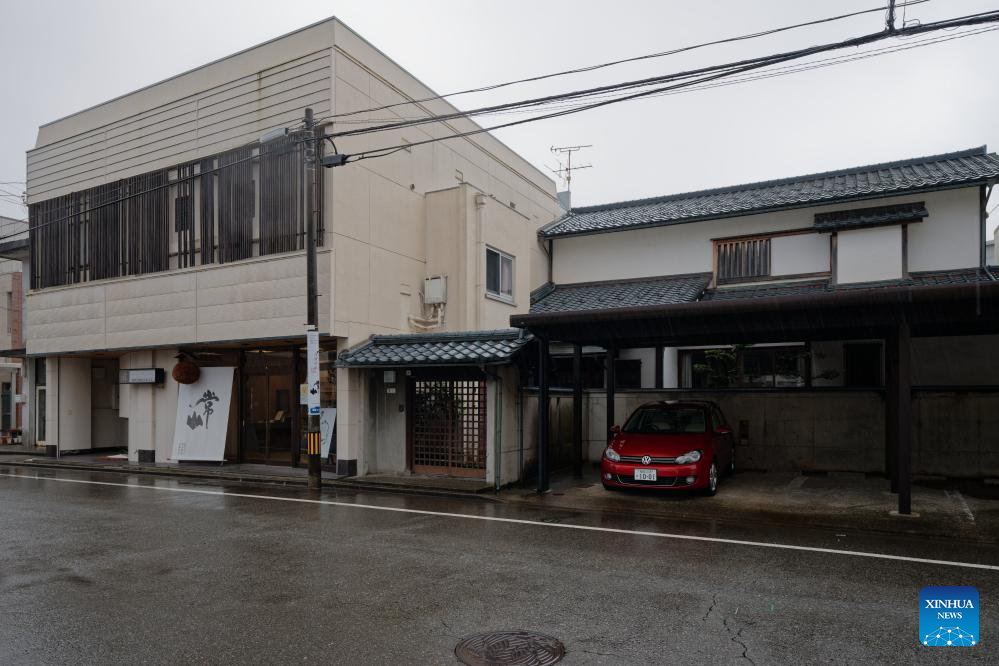
This photo taken on Dec. 16, 2024 shows a view of Jozan Brewery in Fukui, Japan. Japanese alcoholic beverages, including sake (nihonshu), shochu and awamori, are made from grains and water. Craftspeople use koji mold to convert the starch in the ingredients into sugar, and oversee the process to make sure the mold grows in optimal conditions.
Jozan, a brewery located in Fukui Prefecture, a region renowned for its high-quality rice, has upheld traditional sake-making for over 220 years. Led by Shinpei Tokoyama, the brewery exemplifies its ongoing efforts in coping with challenges in modern era while preserving traditional craftsmanship.
With modern techniques, Jozan has realized a meticulous control over the brewing process, ensuring the consistency of product quality without compromising the essence of traditional making methods. In 2017, Jozan also renovated its brewing space, combining functionality with modern design to accommodate both production needs and visitors from around the world.
The United Nations Educational, Scientific and Cultural Organization (UNESCO) inscribed traditional knowledge and skills of sake-making with koji mold in Japan on the Representative List of the Intangible Cultural Heritage of Humanity in December this year. (Xinhua/Zhang Xiaoyu)

Bags of locally produced rice, a raw material for sake-making, is seen at Jozan Brewery in Fukui, Japan, Dec. 17, 2024. Japanese alcoholic beverages, including sake (nihonshu), shochu and awamori, are made from grains and water. Craftspeople use koji mold to convert the starch in the ingredients into sugar, and oversee the process to make sure the mold grows in optimal conditions.
Jozan, a brewery located in Fukui Prefecture, a region renowned for its high-quality rice, has upheld traditional sake-making for over 220 years. Led by Shinpei Tokoyama, the brewery exemplifies its ongoing efforts in coping with challenges in modern era while preserving traditional craftsmanship.
With modern techniques, Jozan has realized a meticulous control over the brewing process, ensuring the consistency of product quality without compromising the essence of traditional making methods. In 2017, Jozan also renovated its brewing space, combining functionality with modern design to accommodate both production needs and visitors from around the world.
The United Nations Educational, Scientific and Cultural Organization (UNESCO) inscribed traditional knowledge and skills of sake-making with koji mold in Japan on the Representative List of the Intangible Cultural Heritage of Humanity in December this year. (Xinhua/Zhang Xiaoyu)
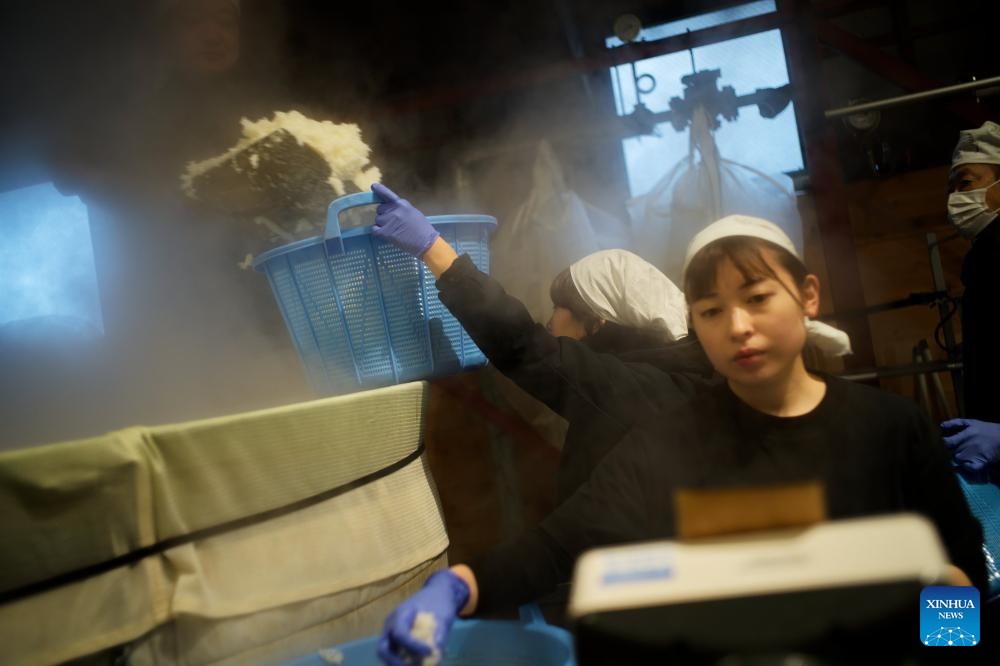
Workers weigh steamed rice at Jozan Brewery in Fukui, Japan, Dec. 17, 2024. Japanese alcoholic beverages, including sake (nihonshu), shochu and awamori, are made from grains and water. Craftspeople use koji mold to convert the starch in the ingredients into sugar, and oversee the process to make sure the mold grows in optimal conditions.
Jozan, a brewery located in Fukui Prefecture, a region renowned for its high-quality rice, has upheld traditional sake-making for over 220 years. Led by Shinpei Tokoyama, the brewery exemplifies its ongoing efforts in coping with challenges in modern era while preserving traditional craftsmanship.
With modern techniques, Jozan has realized a meticulous control over the brewing process, ensuring the consistency of product quality without compromising the essence of traditional making methods. In 2017, Jozan also renovated its brewing space, combining functionality with modern design to accommodate both production needs and visitors from around the world.
The United Nations Educational, Scientific and Cultural Organization (UNESCO) inscribed traditional knowledge and skills of sake-making with koji mold in Japan on the Representative List of the Intangible Cultural Heritage of Humanity in December this year. (Xinhua/Zhang Xiaoyu)
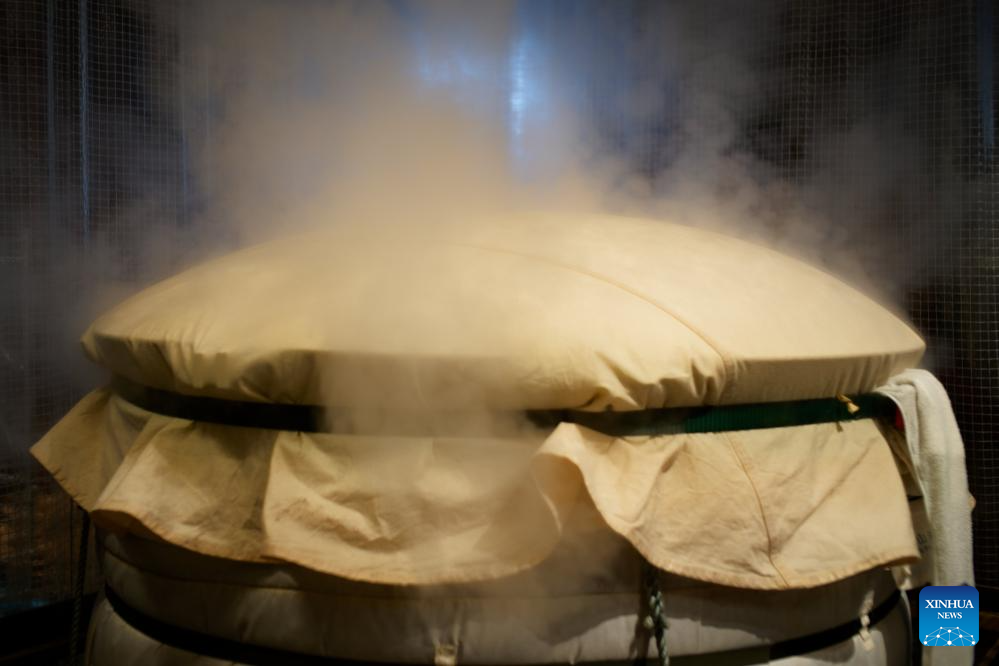
Cleaned rice is steamed at Jozan Brewery in Fukui, Japan, Dec. 17, 2024. Japanese alcoholic beverages, including sake (nihonshu), shochu and awamori, are made from grains and water. Craftspeople use koji mold to convert the starch in the ingredients into sugar, and oversee the process to make sure the mold grows in optimal conditions.
Jozan, a brewery located in Fukui Prefecture, a region renowned for its high-quality rice, has upheld traditional sake-making for over 220 years. Led by Shinpei Tokoyama, the brewery exemplifies its ongoing efforts in coping with challenges in modern era while preserving traditional craftsmanship.
With modern techniques, Jozan has realized a meticulous control over the brewing process, ensuring the consistency of product quality without compromising the essence of traditional making methods. In 2017, Jozan also renovated its brewing space, combining functionality with modern design to accommodate both production needs and visitors from around the world.
The United Nations Educational, Scientific and Cultural Organization (UNESCO) inscribed traditional knowledge and skills of sake-making with koji mold in Japan on the Representative List of the Intangible Cultural Heritage of Humanity in December this year. (Xinhua/Zhang Xiaoyu)
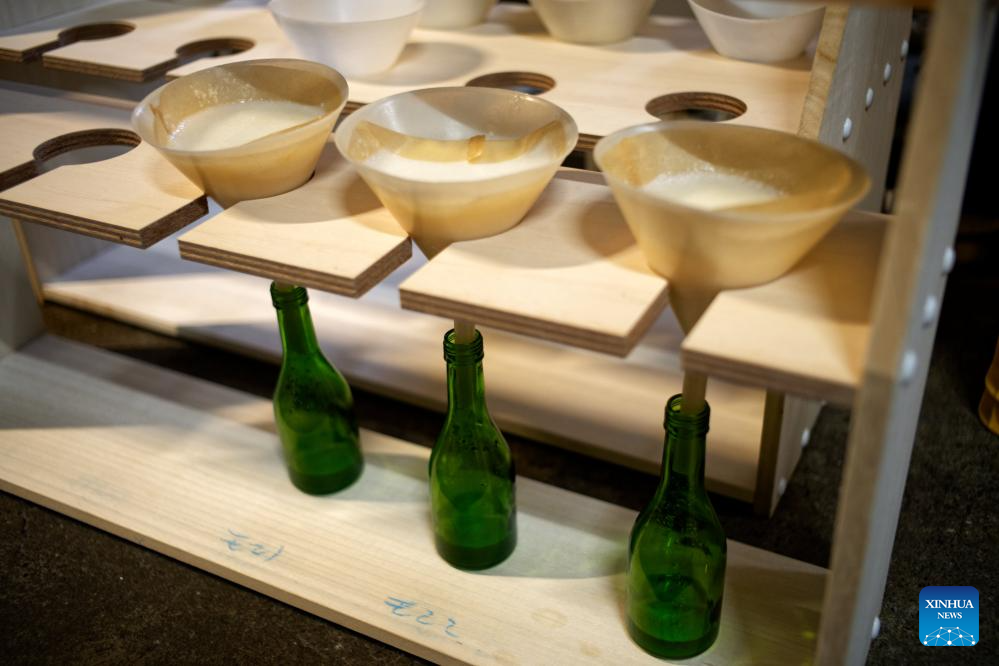
Samples of fresh sake are pictured at Jozan Brewery in Fukui, Japan, Dec. 17, 2024. Japanese alcoholic beverages, including sake (nihonshu), shochu and awamori, are made from grains and water. Craftspeople use koji mold to convert the starch in the ingredients into sugar, and oversee the process to make sure the mold grows in optimal conditions.
Jozan, a brewery located in Fukui Prefecture, a region renowned for its high-quality rice, has upheld traditional sake-making for over 220 years. Led by Shinpei Tokoyama, the brewery exemplifies its ongoing efforts in coping with challenges in modern era while preserving traditional craftsmanship.
With modern techniques, Jozan has realized a meticulous control over the brewing process, ensuring the consistency of product quality without compromising the essence of traditional making methods. In 2017, Jozan also renovated its brewing space, combining functionality with modern design to accommodate both production needs and visitors from around the world.
The United Nations Educational, Scientific and Cultural Organization (UNESCO) inscribed traditional knowledge and skills of sake-making with koji mold in Japan on the Representative List of the Intangible Cultural Heritage of Humanity in December this year. (Xinhua/Zhang Xiaoyu)
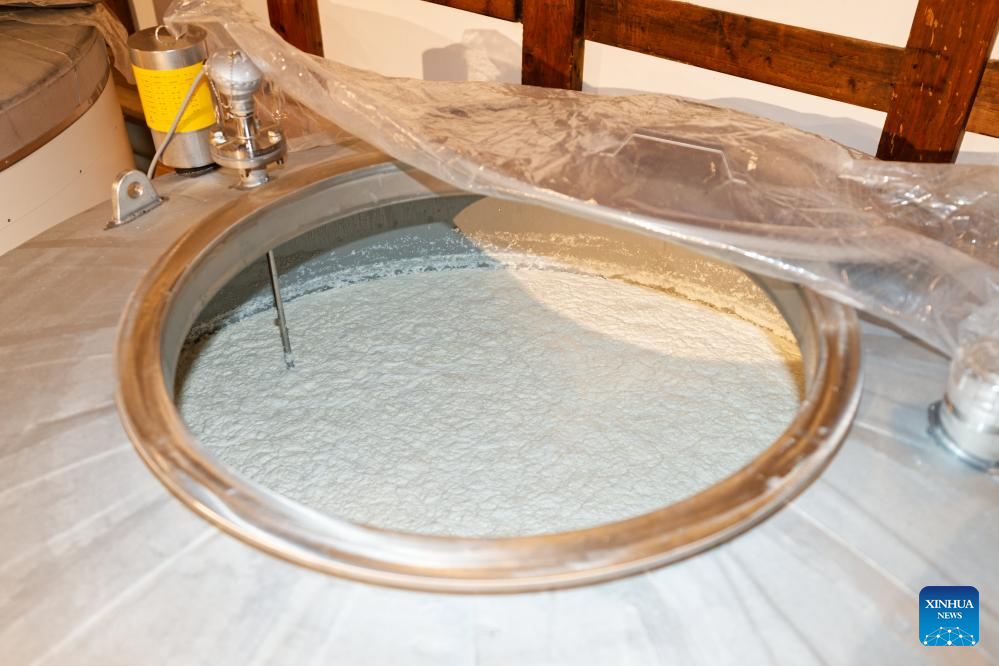
Fermenting moromi is pictured at Jozan Brewery in Fukui, Japan, Dec. 16, 2024. Japanese alcoholic beverages, including sake (nihonshu), shochu and awamori, are made from grains and water. Craftspeople use koji mold to convert the starch in the ingredients into sugar, and oversee the process to make sure the mold grows in optimal conditions.
Jozan, a brewery located in Fukui Prefecture, a region renowned for its high-quality rice, has upheld traditional sake-making for over 220 years. Led by Shinpei Tokoyama, the brewery exemplifies its ongoing efforts in coping with challenges in modern era while preserving traditional craftsmanship.
With modern techniques, Jozan has realized a meticulous control over the brewing process, ensuring the consistency of product quality without compromising the essence of traditional making methods. In 2017, Jozan also renovated its brewing space, combining functionality with modern design to accommodate both production needs and visitors from around the world.
The United Nations Educational, Scientific and Cultural Organization (UNESCO) inscribed traditional knowledge and skills of sake-making with koji mold in Japan on the Representative List of the Intangible Cultural Heritage of Humanity in December this year. (Xinhua/Zhang Xiaoyu)
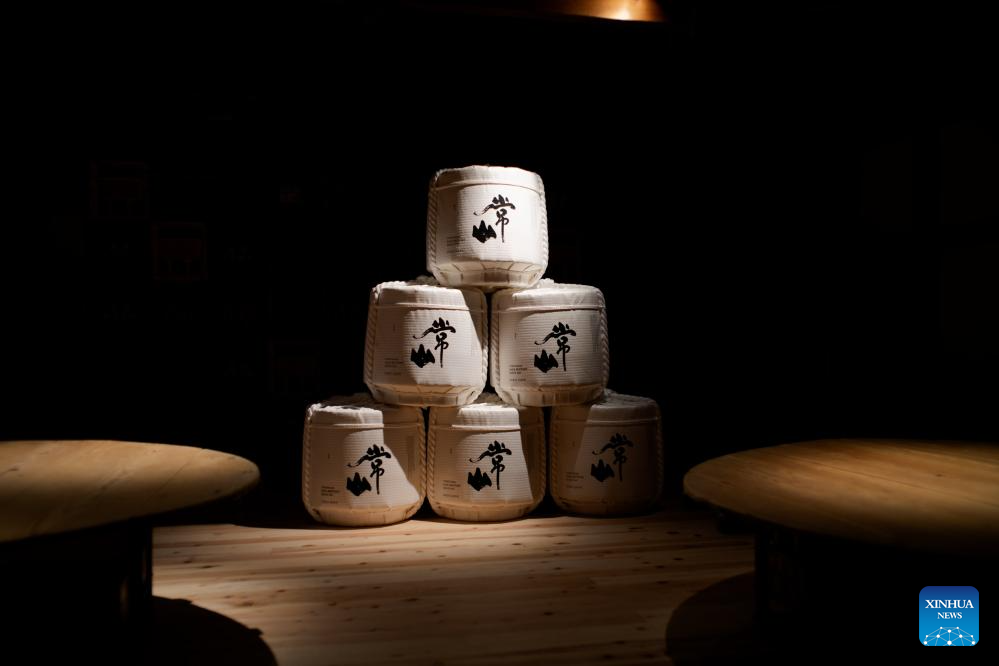
Trademarks of Jozan Brewery are pictured at the reception area of the brewery in Fukui, Japan, Dec. 16, 2024. Japanese alcoholic beverages, including sake (nihonshu), shochu and awamori, are made from grains and water. Craftspeople use koji mold to convert the starch in the ingredients into sugar, and oversee the process to make sure the mold grows in optimal conditions.
Jozan, a brewery located in Fukui Prefecture, a region renowned for its high-quality rice, has upheld traditional sake-making for over 220 years. Led by Shinpei Tokoyama, the brewery exemplifies its ongoing efforts in coping with challenges in modern era while preserving traditional craftsmanship.
With modern techniques, Jozan has realized a meticulous control over the brewing process, ensuring the consistency of product quality without compromising the essence of traditional making methods. In 2017, Jozan also renovated its brewing space, combining functionality with modern design to accommodate both production needs and visitors from around the world.
The United Nations Educational, Scientific and Cultural Organization (UNESCO) inscribed traditional knowledge and skills of sake-making with koji mold in Japan on the Representative List of the Intangible Cultural Heritage of Humanity in December this year. (Xinhua/Zhang Xiaoyu)
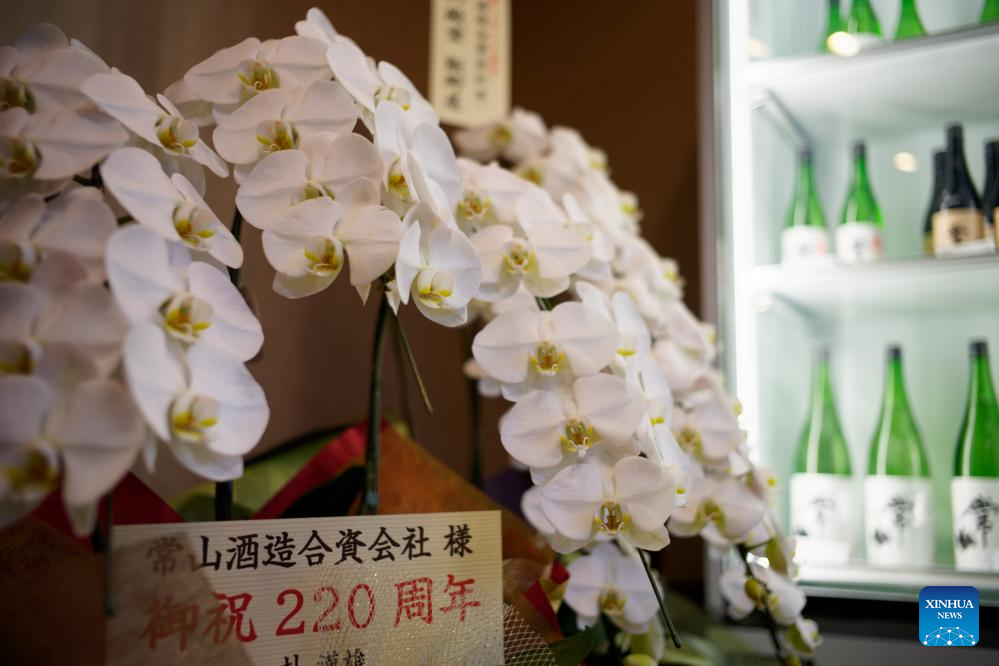
A flower basket marking the 220th anniversary of the establishment of Jozan Brewery is pictured in Fukui, Japan, Dec. 16, 2024. Japanese alcoholic beverages, including sake (nihonshu), shochu and awamori, are made from grains and water. Craftspeople use koji mold to convert the starch in the ingredients into sugar, and oversee the process to make sure the mold grows in optimal conditions.
Jozan, a brewery located in Fukui Prefecture, a region renowned for its high-quality rice, has upheld traditional sake-making for over 220 years. Led by Shinpei Tokoyama, the brewery exemplifies its ongoing efforts in coping with challenges in modern era while preserving traditional craftsmanship.
With modern techniques, Jozan has realized a meticulous control over the brewing process, ensuring the consistency of product quality without compromising the essence of traditional making methods. In 2017, Jozan also renovated its brewing space, combining functionality with modern design to accommodate both production needs and visitors from around the world.
The United Nations Educational, Scientific and Cultural Organization (UNESCO) inscribed traditional knowledge and skills of sake-making with koji mold in Japan on the Representative List of the Intangible Cultural Heritage of Humanity in December this year. (Xinhua/Zhang Xiaoyu)
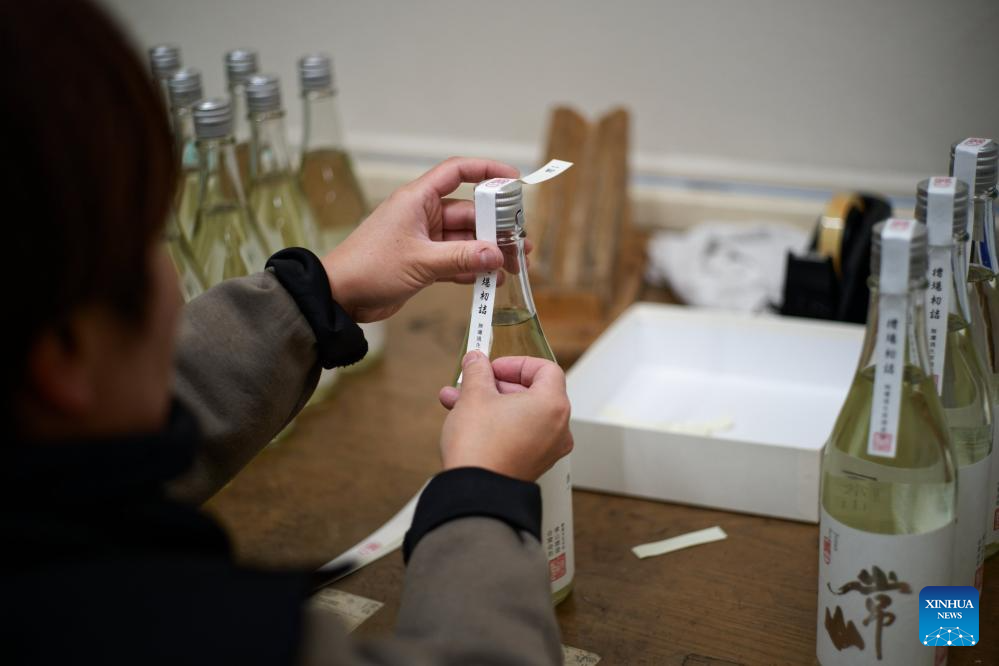
A worker seals a bottle of sake at Jozan Brewery in Fukui, Japan, Dec. 17, 2024. Japanese alcoholic beverages, including sake (nihonshu), shochu and awamori, are made from grains and water. Craftspeople use koji mold to convert the starch in the ingredients into sugar, and oversee the process to make sure the mold grows in optimal conditions.
Jozan, a brewery located in Fukui Prefecture, a region renowned for its high-quality rice, has upheld traditional sake-making for over 220 years. Led by Shinpei Tokoyama, the brewery exemplifies its ongoing efforts in coping with challenges in modern era while preserving traditional craftsmanship.
With modern techniques, Jozan has realized a meticulous control over the brewing process, ensuring the consistency of product quality without compromising the essence of traditional making methods. In 2017, Jozan also renovated its brewing space, combining functionality with modern design to accommodate both production needs and visitors from around the world.
The United Nations Educational, Scientific and Cultural Organization (UNESCO) inscribed traditional knowledge and skills of sake-making with koji mold in Japan on the Representative List of the Intangible Cultural Heritage of Humanity in December this year. (Xinhua/Zhang Xiaoyu)
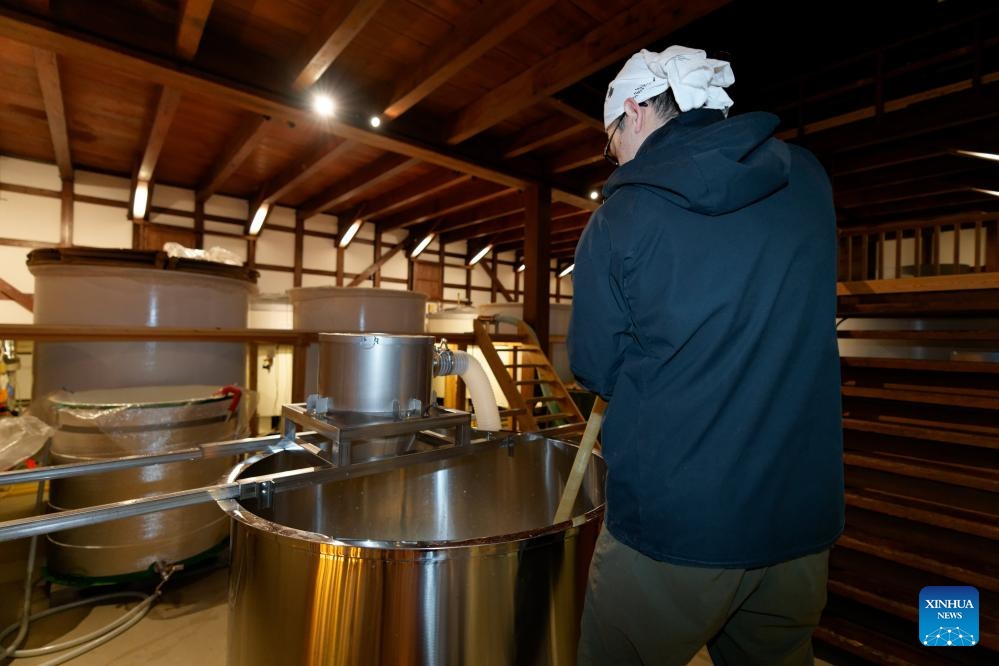
A worker stirs the mixture of steamed rice, koji, water and Shubo at Jozan Brewery in Fukui, Japan, Dec. 17, 2024. Japanese alcoholic beverages, including sake (nihonshu), shochu and awamori, are made from grains and water. Craftspeople use koji mold to convert the starch in the ingredients into sugar, and oversee the process to make sure the mold grows in optimal conditions.
Jozan, a brewery located in Fukui Prefecture, a region renowned for its high-quality rice, has upheld traditional sake-making for over 220 years. Led by Shinpei Tokoyama, the brewery exemplifies its ongoing efforts in coping with challenges in modern era while preserving traditional craftsmanship.
With modern techniques, Jozan has realized a meticulous control over the brewing process, ensuring the consistency of product quality without compromising the essence of traditional making methods. In 2017, Jozan also renovated its brewing space, combining functionality with modern design to accommodate both production needs and visitors from around the world.
The United Nations Educational, Scientific and Cultural Organization (UNESCO) inscribed traditional knowledge and skills of sake-making with koji mold in Japan on the Representative List of the Intangible Cultural Heritage of Humanity in December this year. (Xinhua/Zhang Xiaoyu)
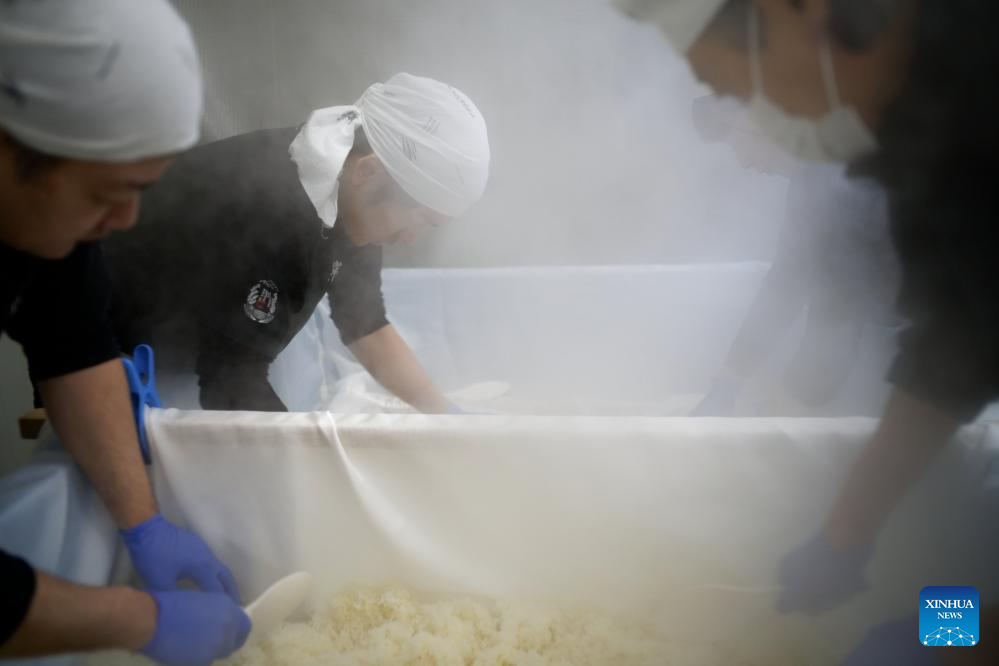
Shinpei Tokoyama (2nd L) and workers spread koji mold over steamed rice at Jozan Brewery in Fukui, Japan, Dec. 17, 2024. Japanese alcoholic beverages, including sake (nihonshu), shochu and awamori, are made from grains and water. Craftspeople use koji mold to convert the starch in the ingredients into sugar, and oversee the process to make sure the mold grows in optimal conditions.
Jozan, a brewery located in Fukui Prefecture, a region renowned for its high-quality rice, has upheld traditional sake-making for over 220 years. Led by Shinpei Tokoyama, the brewery exemplifies its ongoing efforts in coping with challenges in modern era while preserving traditional craftsmanship.
With modern techniques, Jozan has realized a meticulous control over the brewing process, ensuring the consistency of product quality without compromising the essence of traditional making methods. In 2017, Jozan also renovated its brewing space, combining functionality with modern design to accommodate both production needs and visitors from around the world.
The United Nations Educational, Scientific and Cultural Organization (UNESCO) inscribed traditional knowledge and skills of sake-making with koji mold in Japan on the Representative List of the Intangible Cultural Heritage of Humanity in December this year. (Xinhua/Zhang Xiaoyu)
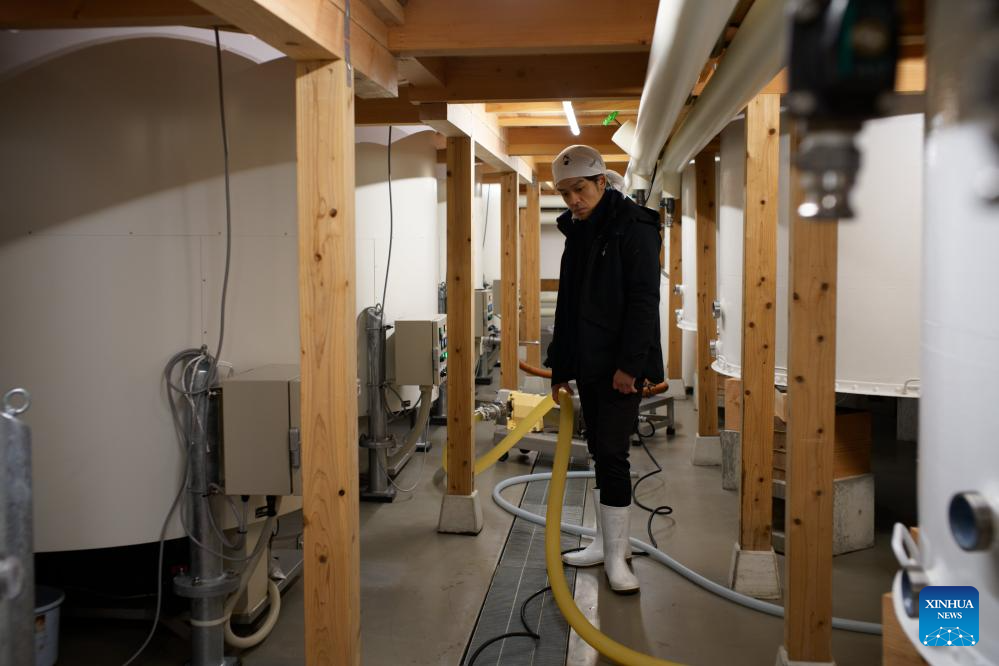
Shinpei Tokoyama waits for moromi to flow into the filter at Jozan Brewery in Fukui, Japan, Dec. 16, 2024. Japanese alcoholic beverages, including sake (nihonshu), shochu and awamori, are made from grains and water. Craftspeople use koji mold to convert the starch in the ingredients into sugar, and oversee the process to make sure the mold grows in optimal conditions.
Jozan, a brewery located in Fukui Prefecture, a region renowned for its high-quality rice, has upheld traditional sake-making for over 220 years. Led by Shinpei Tokoyama, the brewery exemplifies its ongoing efforts in coping with challenges in modern era while preserving traditional craftsmanship.
With modern techniques, Jozan has realized a meticulous control over the brewing process, ensuring the consistency of product quality without compromising the essence of traditional making methods. In 2017, Jozan also renovated its brewing space, combining functionality with modern design to accommodate both production needs and visitors from around the world.
The United Nations Educational, Scientific and Cultural Organization (UNESCO) inscribed traditional knowledge and skills of sake-making with koji mold in Japan on the Representative List of the Intangible Cultural Heritage of Humanity in December this year. (Xinhua/Zhang Xiaoyu)
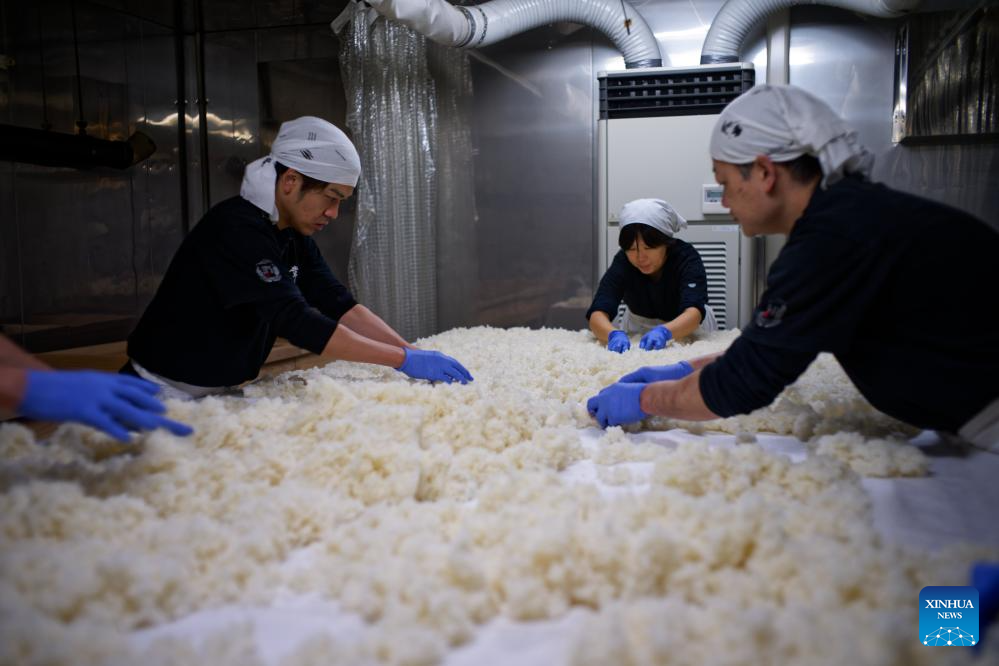
Shinpei Tokoyama (L) and workers spread steamed rice mixed with koji mold at Jozan Brewery in Fukui, Japan, Dec. 17, 2024. Japanese alcoholic beverages, including sake (nihonshu), shochu and awamori, are made from grains and water. Craftspeople use koji mold to convert the starch in the ingredients into sugar, and oversee the process to make sure the mold grows in optimal conditions.
Jozan, a brewery located in Fukui Prefecture, a region renowned for its high-quality rice, has upheld traditional sake-making for over 220 years. Led by Shinpei Tokoyama, the brewery exemplifies its ongoing efforts in coping with challenges in modern era while preserving traditional craftsmanship.
With modern techniques, Jozan has realized a meticulous control over the brewing process, ensuring the consistency of product quality without compromising the essence of traditional making methods. In 2017, Jozan also renovated its brewing space, combining functionality with modern design to accommodate both production needs and visitors from around the world.
The United Nations Educational, Scientific and Cultural Organization (UNESCO) inscribed traditional knowledge and skills of sake-making with koji mold in Japan on the Representative List of the Intangible Cultural Heritage of Humanity in December this year. (Xinhua/Zhang Xiaoyu)


