FOCUS | China discovers landmark human evolution fossils-Xinhua
FOCUS | China discovers landmark human evolution fossils
Source: Xinhua
Editor: huaxia
2024-12-09 00:00:15
This picture taken on Dec. 6, 2024 shows a craniofacial reconstruction on display at the exhibition hall of Hualongdong site in Dongzhi County of Chizhou City, east China's Anhui Province. (Xinhua/Zhou Mu)
HEFEI, Dec. 8 (Xinhua) -- Chinese scientists have discovered dozens of human fossils dating back 300,000 years, which are the earliest ones found in East Asia in terms of the evolution process towards Homo sapiens, the species to which all modern human beings belong.
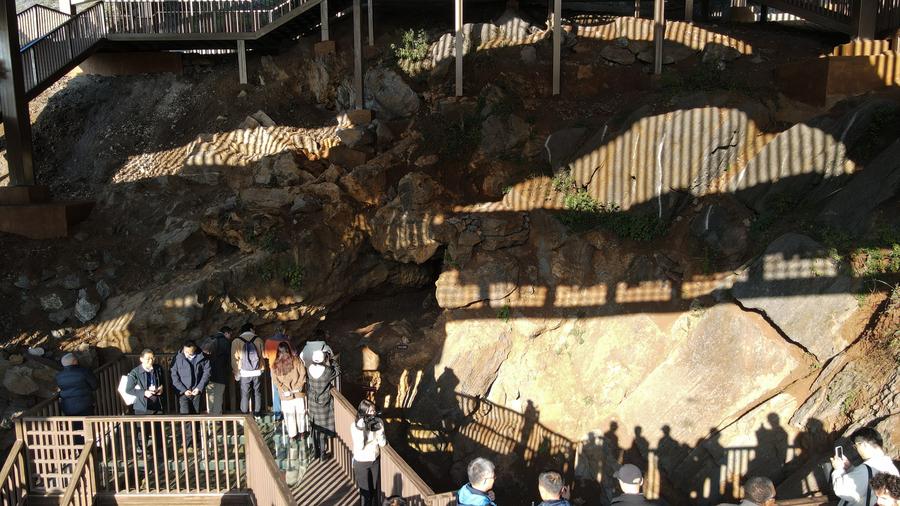
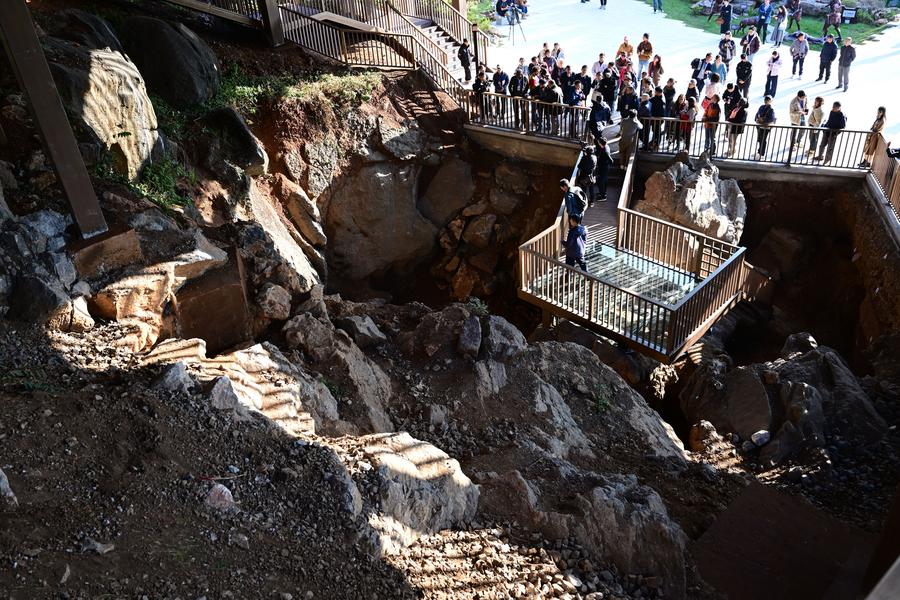
The human fossils, along with a large number of fossilized animal bones and stone tools, have been unearthed at the Hualongdong site in Dongzhi County, east China's Anhui Province.
Chinese researchers reported their latest discoveries and studies concerning the Hualongdong ancient human site at an academic conference held in Dongzhi County from Friday to Sunday this week. Nearly 100 researchers and scholars, including over a dozen international experts, attended the event.
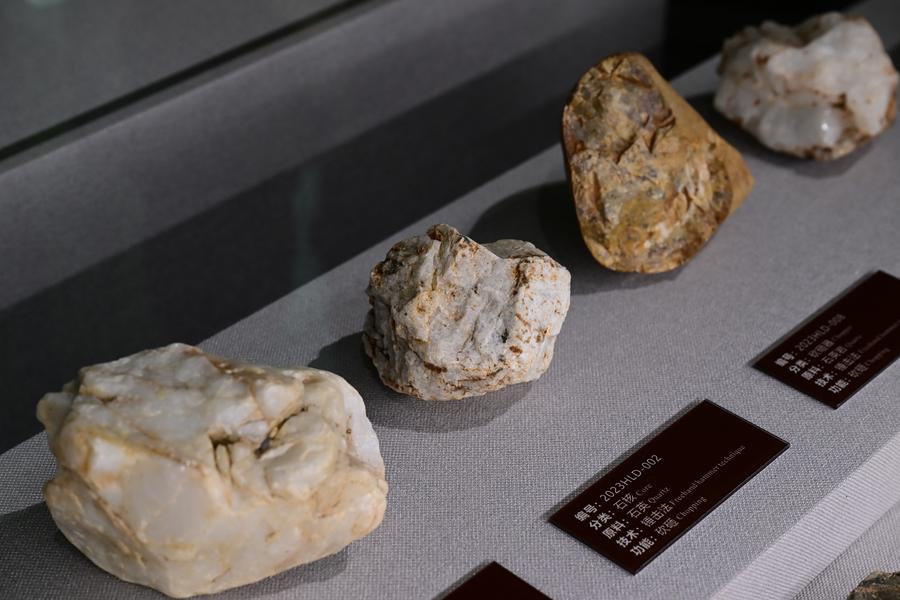
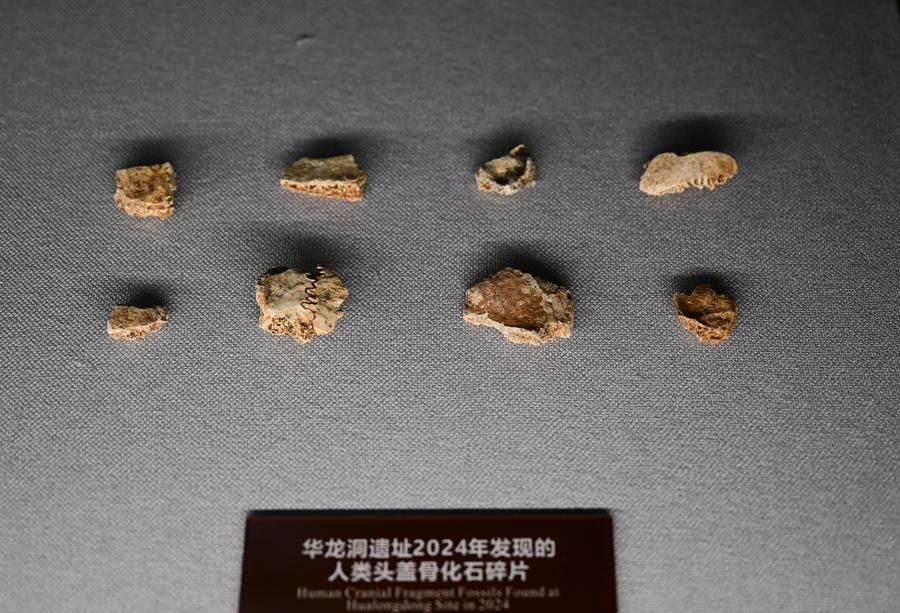
Discovered in late 1988, the Hualongdong site has yielded remarkable finds during continuous excavations since 2013. Approximately 20 individual ancient human fossils, including a relatively complete skull, over 400 stone artifacts, numerous bone fragments with evidence of artificial cutting and chopping, and more than 80 vertebrate fossils have been unearthed at this site.
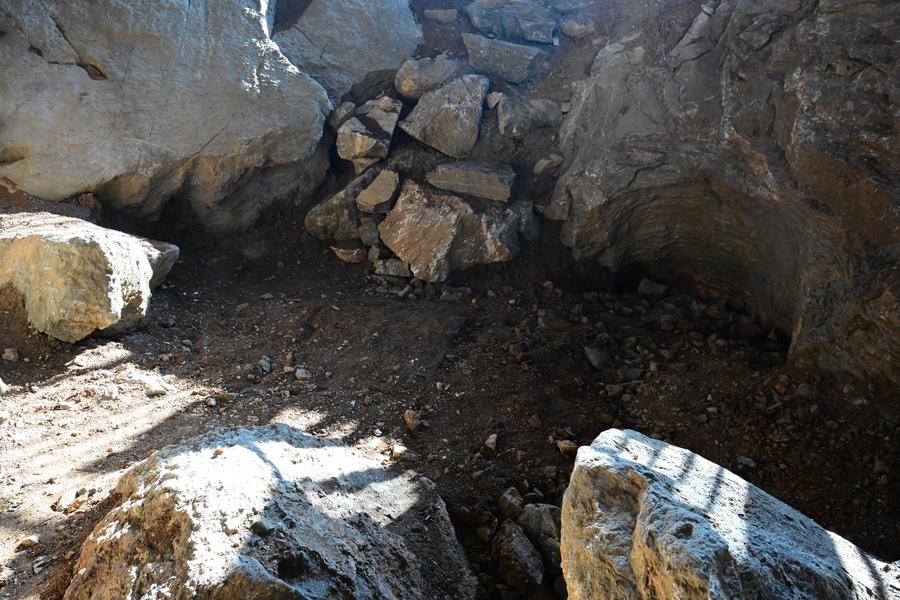
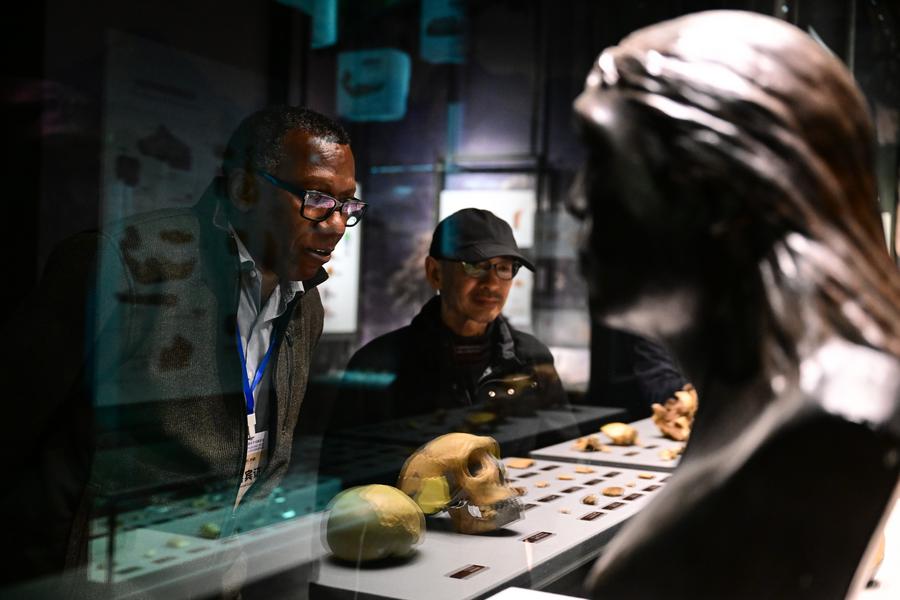
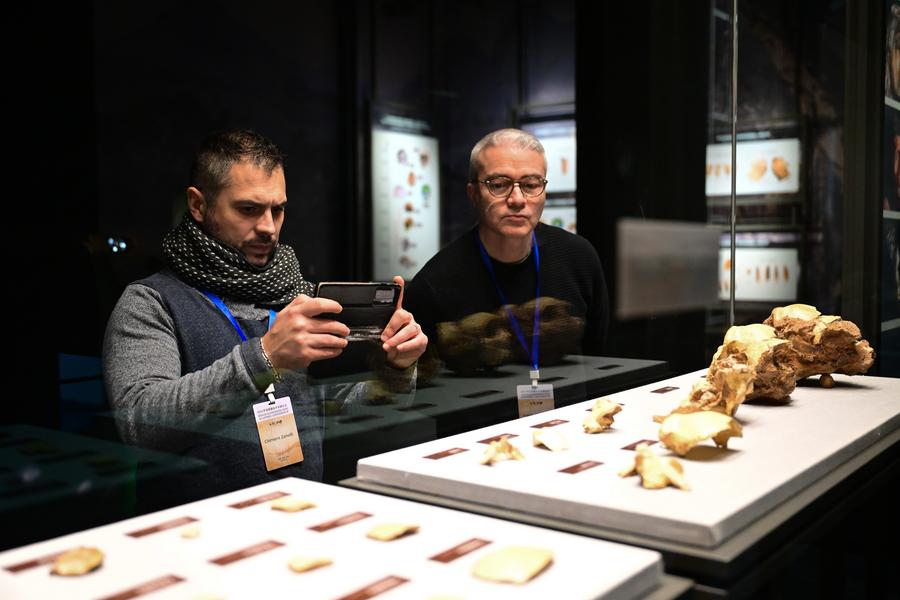
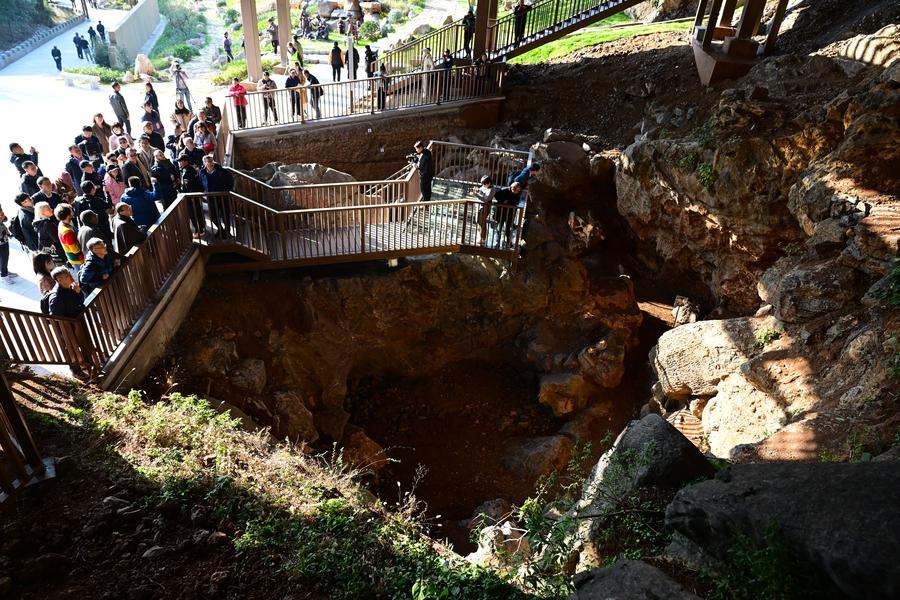
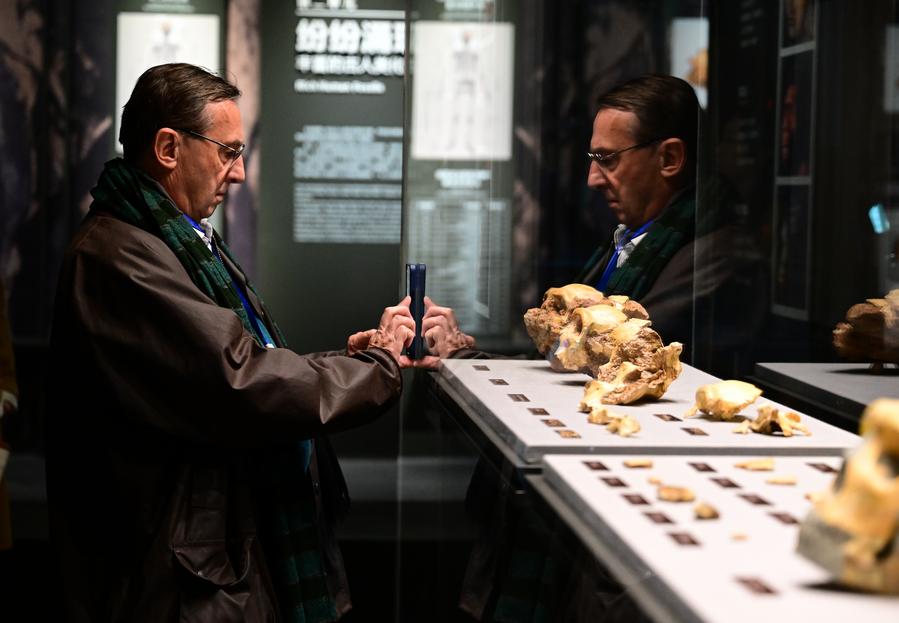
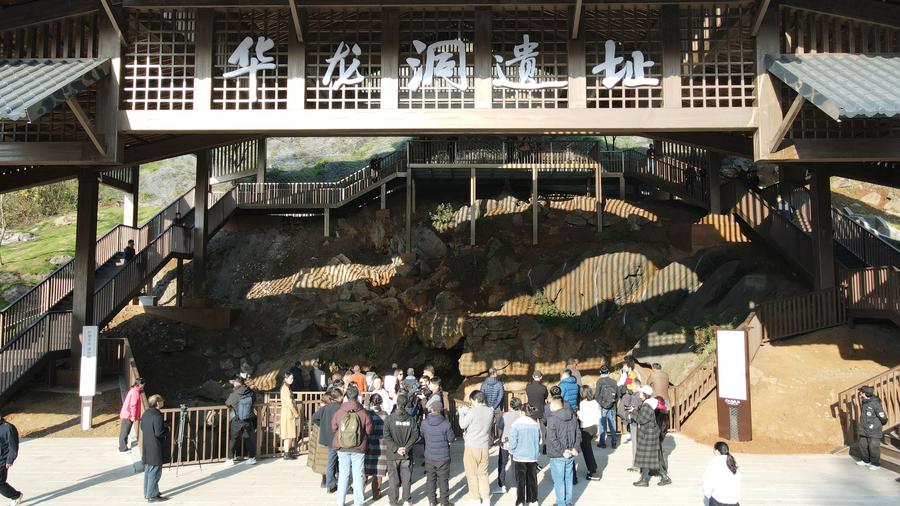
This photo taken on Dec. 6, 2024 shows stone artifacts displayed at the exhibition hall of Hualongdong site in Dongzhi County of Chizhou City, east China's Anhui Province. (Xinhua/Zhou Mu)A drone photo taken on Dec. 6, 2024 shows people visiting the Hualongdong site in Dongzhi County of Chizhou City, east China's Anhui Province. (Xinhua/Zhou Mu)This photo taken on Dec. 6, 2024 shows human skull fossil fragments displayed at the exhibition hall of Hualongdong site in Dongzhi County of Chizhou City, east China's Anhui Province. (Xinhua/Zhou Mu)A visitor takes pictures of an item displayed at the exhibition hall of Hualongdong site in Dongzhi County of Chizhou City, east China's Anhui Province, Dec. 6, 2024. (Xinhua/Zhou Mu)Wu Xiujie (1st L, front), a researcher at the Institute of Vertebrate Paleontology and Paleoanthropology of the Chinese Academy of Sciences, introduces Hualongdong site to visitors at the site in Dongzhi County of Chizhou City, east China's Anhui Province, Dec. 6, 2024. (Xinhua/Zhou Mu)People visit the Hualongdong site in Dongzhi County of Chizhou City, east China's Anhui Province, Dec. 6, 2024. (Xinhua/Zhou Mu)This photo taken on Dec. 6, 2024 shows a view of the Hualongdong site in Dongzhi County of Chizhou City, east China's Anhui Province. (Xinhua/Zhou Mu)Experts attending the Hualongdong site academic conference visit the exhibition hall of the Hualongdong site in Dongzhi County of Chizhou City, east China's Anhui Province, Dec. 6, 2024. (Xinhua/Zhou Mu)International experts attending the Hualongdong site academic conference visit the exhibition hall of the Hualongdong site in Dongzhi County of Chizhou City, east China's Anhui Province, Dec. 6, 2024. (Xinhua/Zhou Mu)People visit the Hualongdong site in Dongzhi County of Chizhou City, east China's Anhui Province, Dec. 6, 2024. (Xinhua/Zhou Mu)An international expert attending the Hualongdong site academic conference visits the exhibition hall of the Hualongdong site in Dongzhi County of Chizhou City, east China's Anhui Province, Dec. 6, 2024. (Xinhua/Zhou Mu)A drone photo taken on Dec. 6, 2024 shows people visiting the Hualongdong site in Dongzhi County of Chizhou City, east China's Anhui Province. (Xinhua/Zhou Mu)■