BEIRUT, Aug. 3 (Xinhua) -- Sabah Akil, a 60-year-old woman displaced from a Lebanese border village to the southern city of Nabatieh, is busy washing, squeezing, and boiling a large quantity of tomatoes to make molasses in hopes of selling it to her regular customers.
"I have been selling over 25 types of homemade food for 20 years, providing my family with an acceptable income and shielding them from poverty," she said.
However, the ongoing conflict between the Lebanese armed group Hezbollah and Israel in southern Lebanon since last October has deprived her of a source of livelihood.
"Now, I can only make three types of food, and in small quantities, as the war and subsequent fires destroyed our house, our food preparation equipment, and the fields that provided us with a variety of vegetables and fruits," she said.
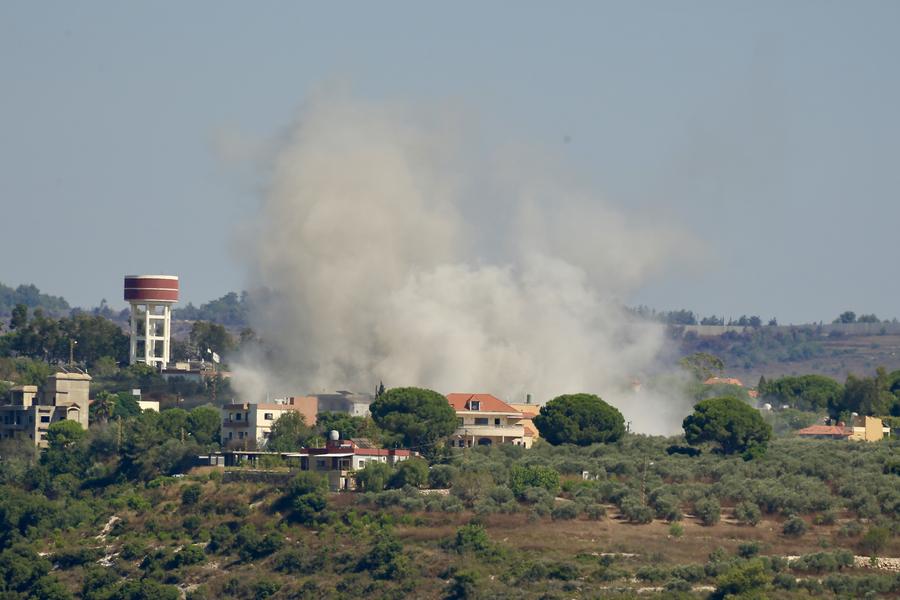
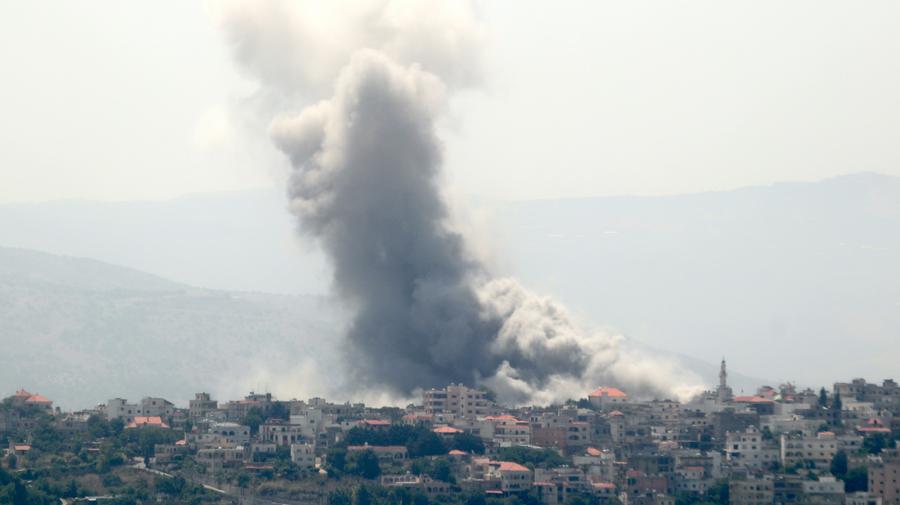
Homemade food relies heavily on local crops, but Israeli air raids and artillery shelling have dealt a heavy blow to the farmland in southern Lebanon, destroying a significant portion of olive and fruit trees, grapevines, poultry, and livestock.
According to figures released by Lebanon's Ministry of Interior in May, around 100,000 people from southern Lebanon have been displaced due to the ongoing clashes. This displacement has significantly reduced the incomes of local housewives amid the worsening Lebanese economic crisis.
Iman Ghader, displaced from the town of Shebaa to the southeastern town of Hasbaya, told Xinhua that, at this time of year, she would normally be busy preparing homemade food for three months, including bulgur, thyme, freekeh, cumin, molokhia, tomato paste, labneh, cheeses, oil, olives, kishk, pickled eggplants, and various jams.
"Forced displacement has greatly impacted our preparation of food, as displaced families living in small apartments lack access to gardens, agricultural fields, or orchards," said Ghader while preparing apricot jam.
Salma Haidar, 57, who was displaced from the Lebanese village of Kafr Kila to the city of Kfar Remen, noted that as housewives have reduced their production of homemade food, the supply has decreased and prices have risen by about 30 percent.
This situation is also challenging for store owners. Ayman Hamid, a grocery store owner in southern Lebanon, reported a 70 percent drop in sales, attributing it to the deteriorating economic conditions in Lebanon, which have led people to purchase only essential items.
A media relations representative from the Association of Lebanese Industrialists told Xinhua on Thursday that the homemade food sector played an important role in the Lebanese economy as it provides small farmers with a source of income. The representative, who required anonymity, urged the Lebanese government to support displaced workers in this sector in southern Lebanon with compensation, as many have had to abandon their work due to displacement.
Tensions along the Lebanon-Israel border escalated on Oct. 8, 2023, when Hezbollah launched a barrage of rockets at Israel in solidarity with Hamas's attack on Israel the previous day. In response, Israel fired heavy artillery into southeastern Lebanon.■