LenstoLens | Baiheliang and Nilometers, hydrographic relics related to great rivers in China and Egypt-Xinhua
LenstoLens | Baiheliang and Nilometers, hydrographic relics related to great rivers in China and Egypt
Source: Xinhua
Editor: huaxia
2024-06-01 16:29:16
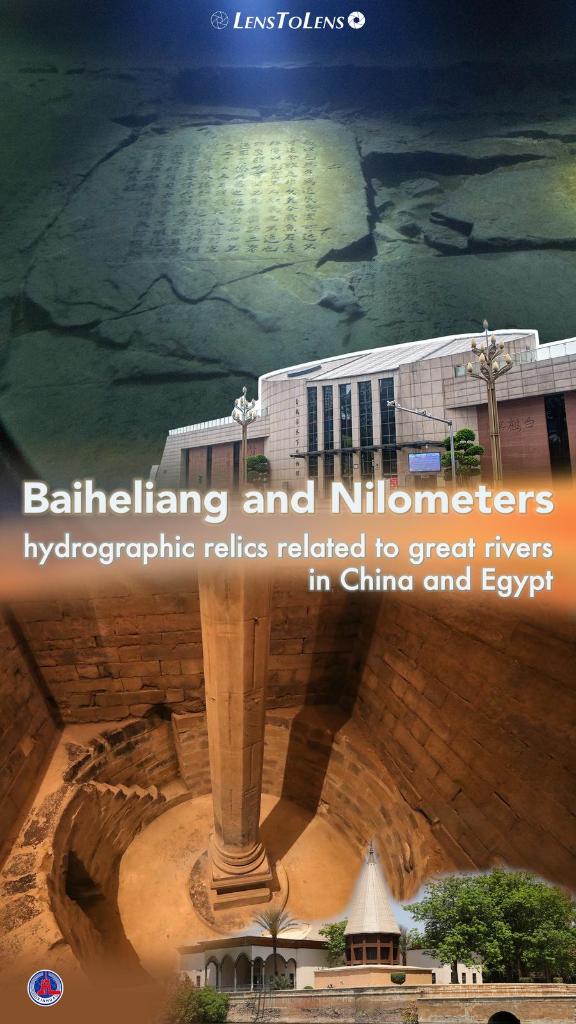
CHONGQING, June 1 (Xinhua) -- The Baiheliang Ancient Hydrological Inscription and Nilometers were inscribed in the UNESCO World Heritage Tentative List in 2008 and 2003, respectively. The two relics, related to the Yangtze River in China and the Nile River in Egypt, look to step up the joint inscription of new world heritage.
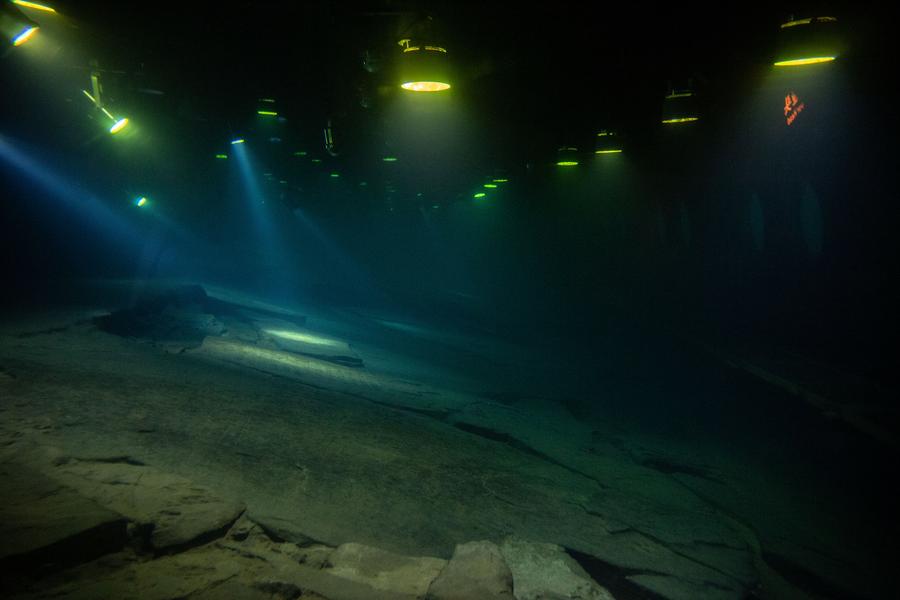
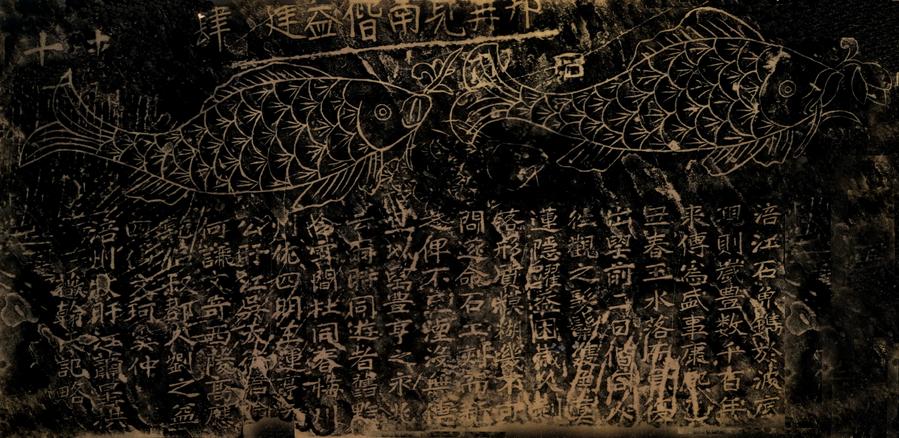
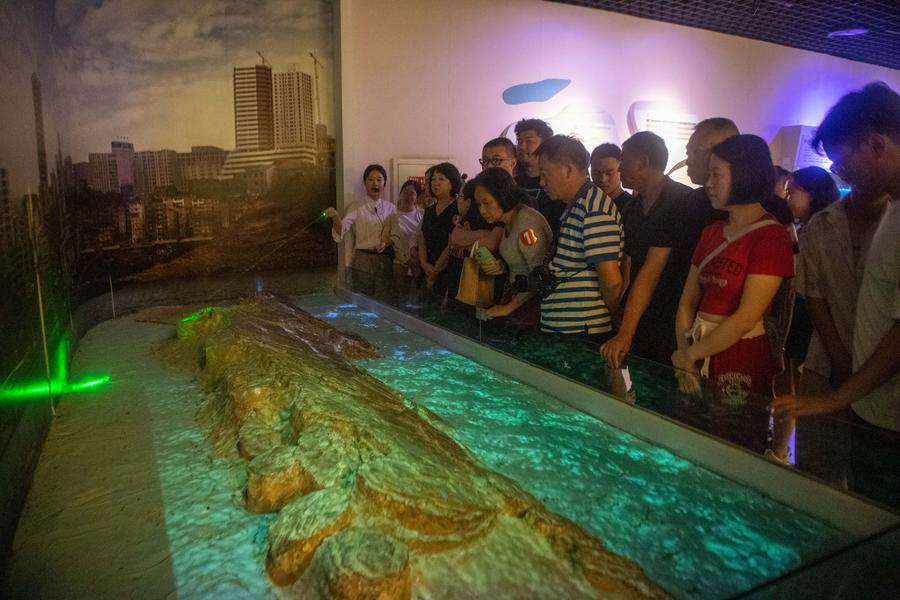
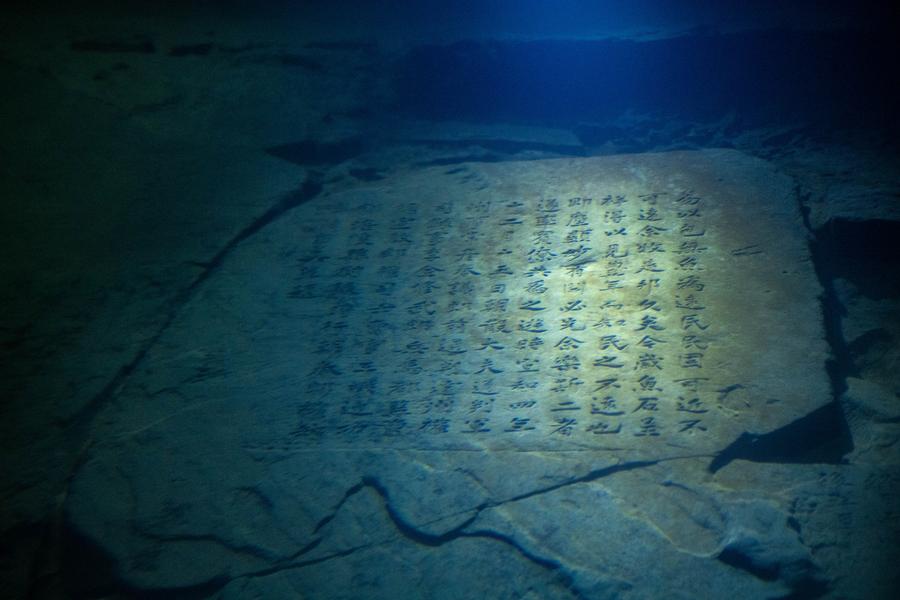
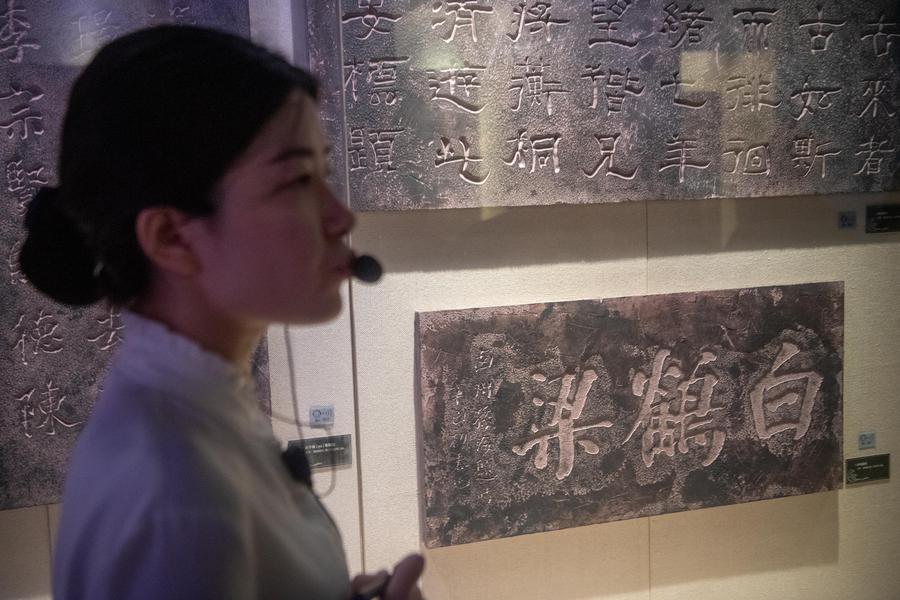
Baiheliang, literally the "White Crane Ridge," is a 1,600-meter-long and 15-meter-wide stone ridge engraved with inscriptions about the Yangtze River dating back to the Tang Dynasty (618-907). It recorded the 72 low-flow years of the longest river in China from 763 to 1963 and is claimed to be the world's oldest hydrographic survey device.
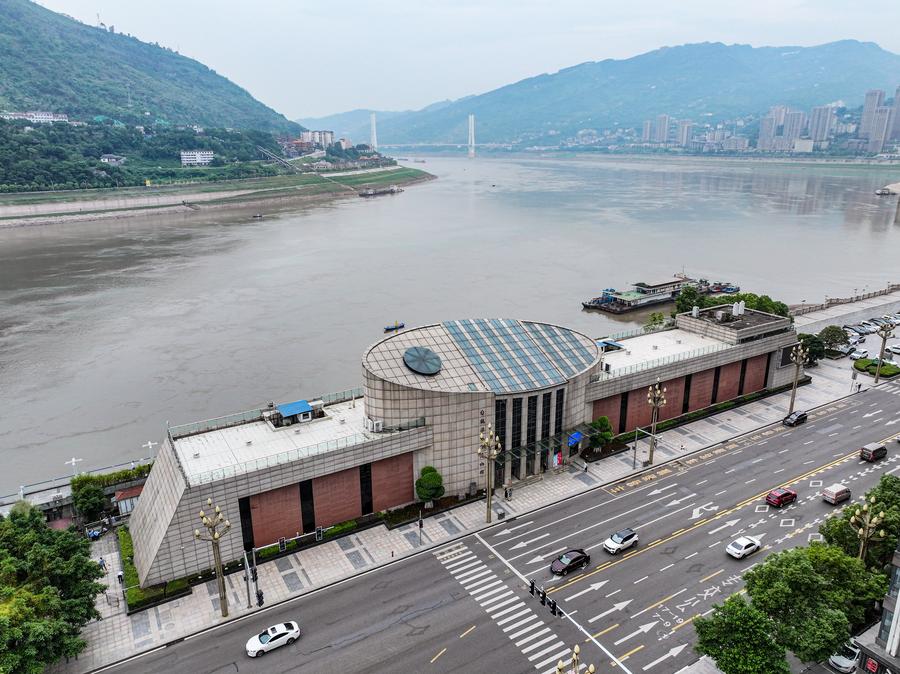
This photo taken on May 28, 2024 shows the protected reef created about 1,200 years ago to measure the changes in water levels at Baiheliang Underwater Museum in southwest China's Chongqing Municipality. (Xinhua/Tang Yi)
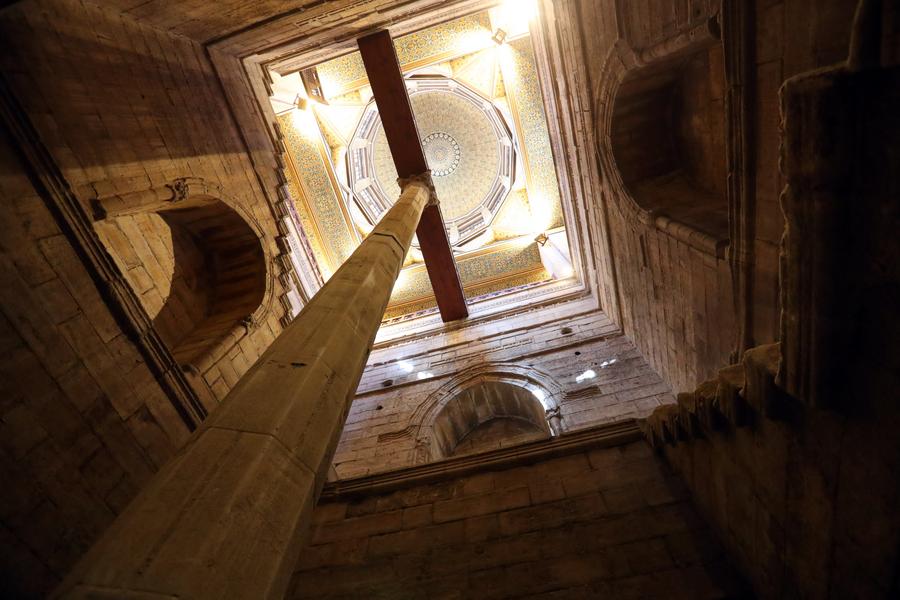
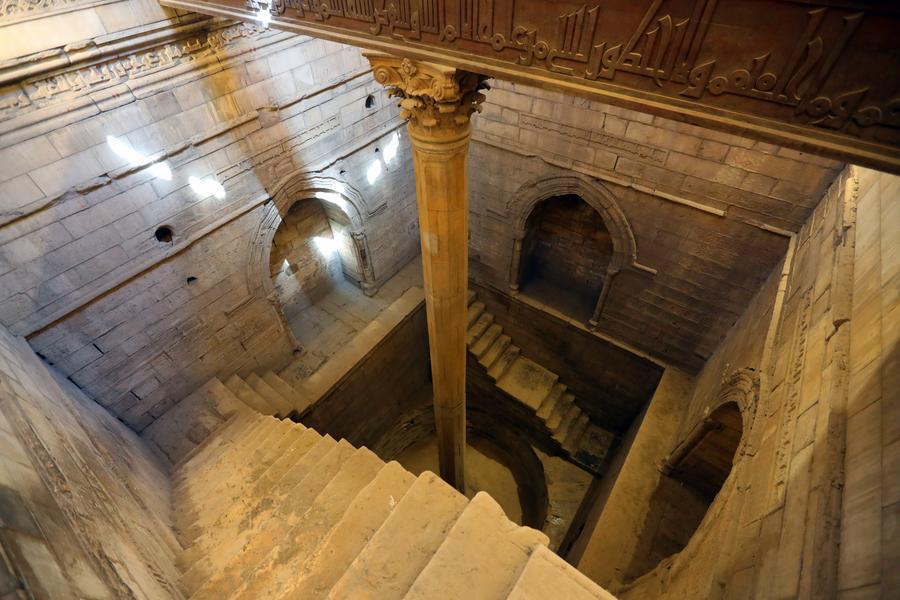
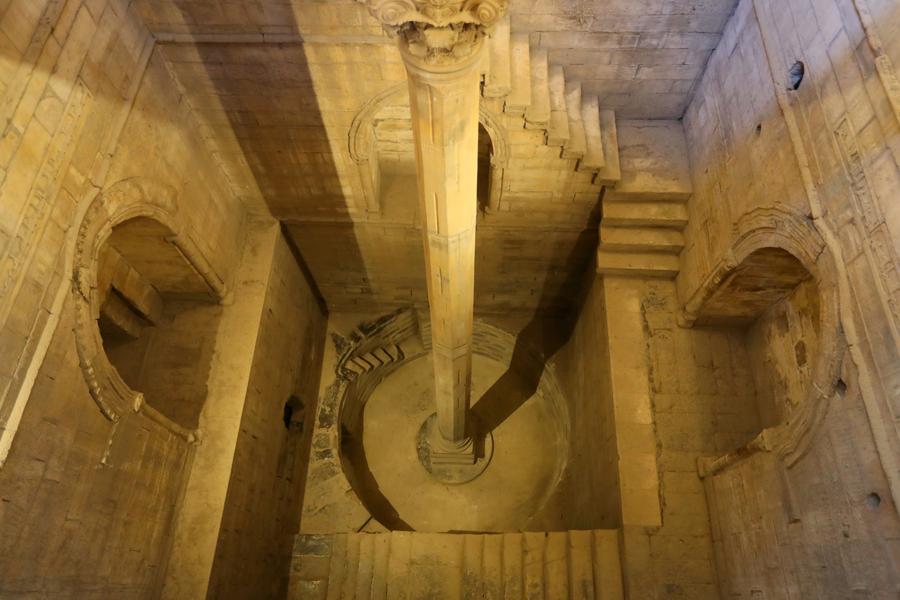
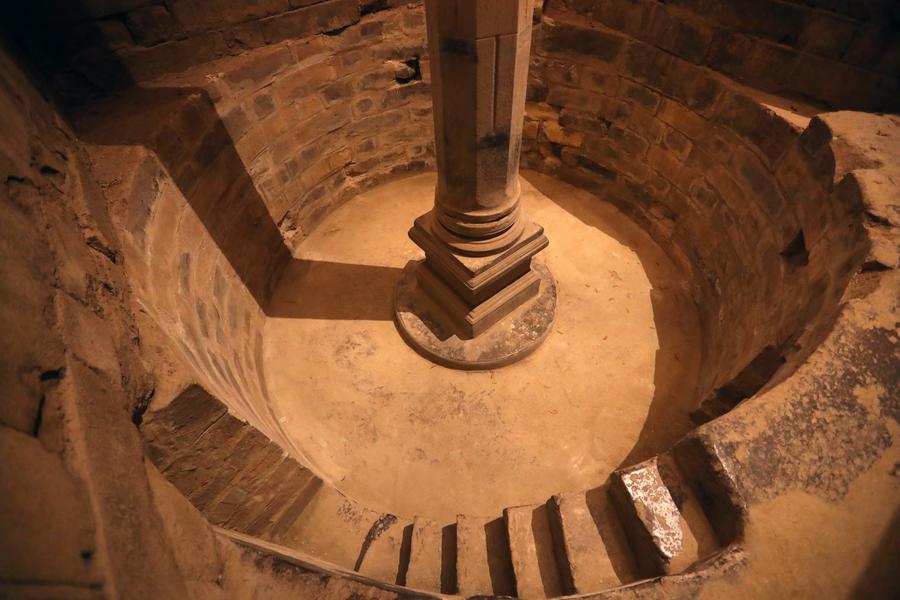
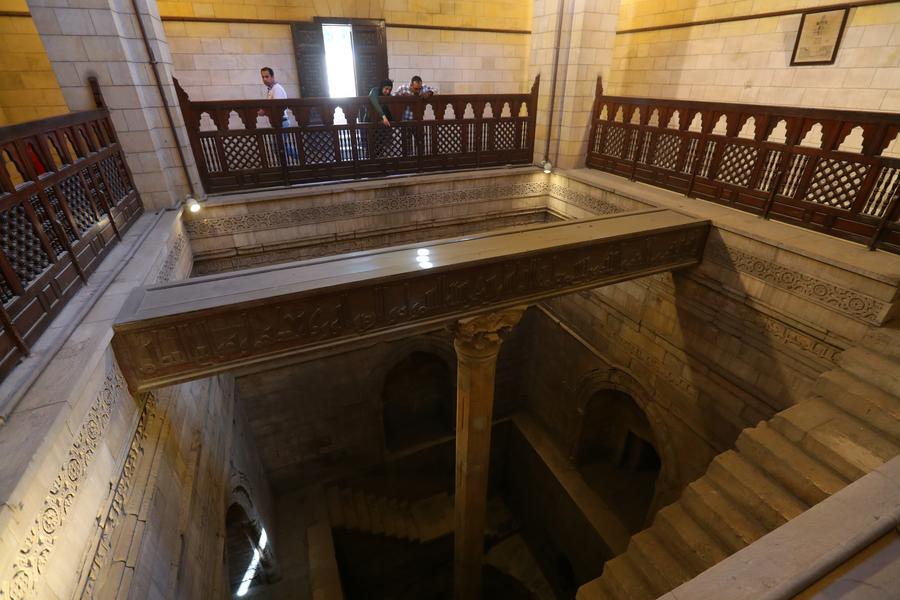
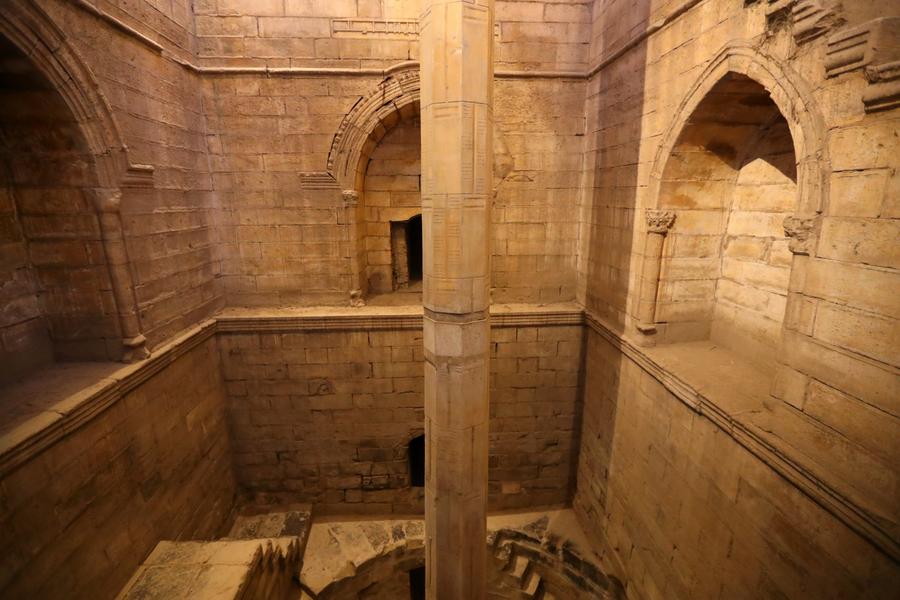
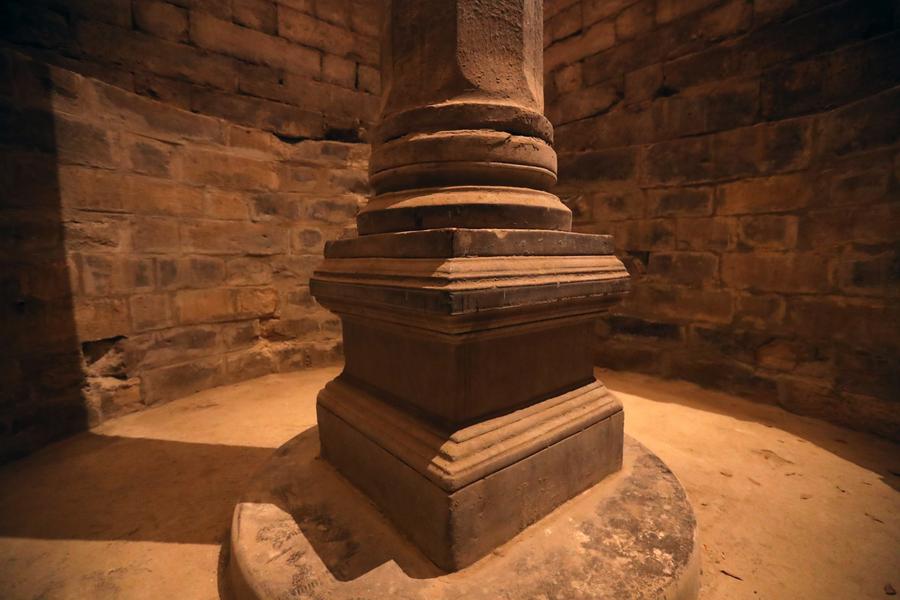
Likewise, for thousands of years, Nilometers measured the water level of the Nile River during the annual flood season and were used to predict the fortunes of the annual harvest and the prices of foodstuffs.
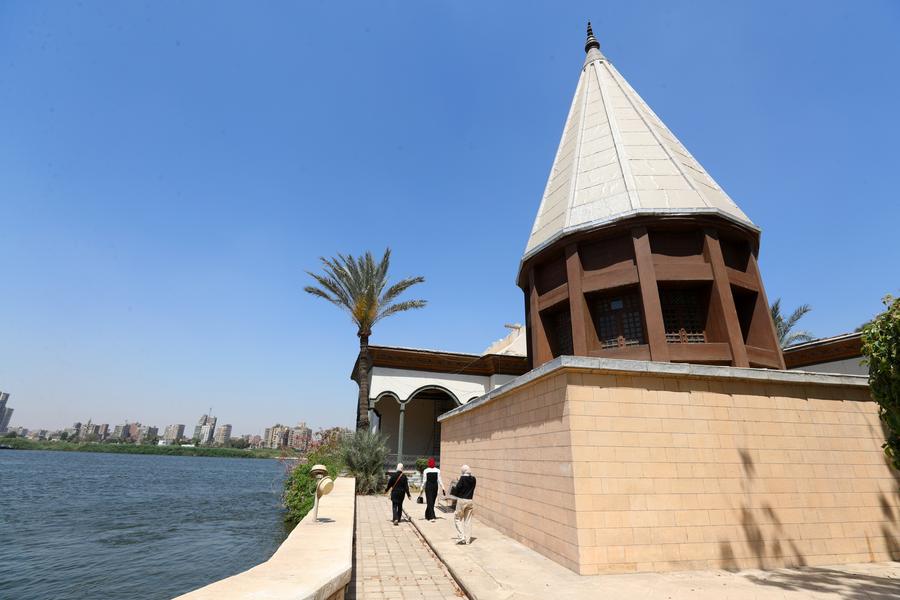
The Rawda Island Nilometer is seen in Cairo, Egypt, May 15, 2024. (Xinhua/Sui Xiankai)
"Both Baiheliang and Nilometers are hydrographic relics and related to the two of the greatest rivers in the world," said Yang Bangde, the curator of Chongqing Baiheliang Underwater Museum. "They reflect how different agricultural civilizations of Asia and Africa relate to their respective river resources."
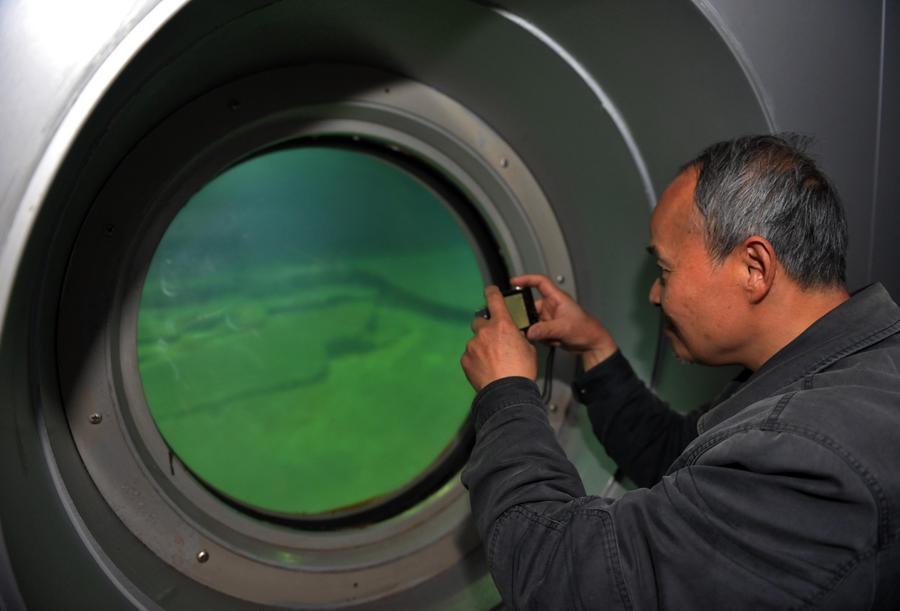
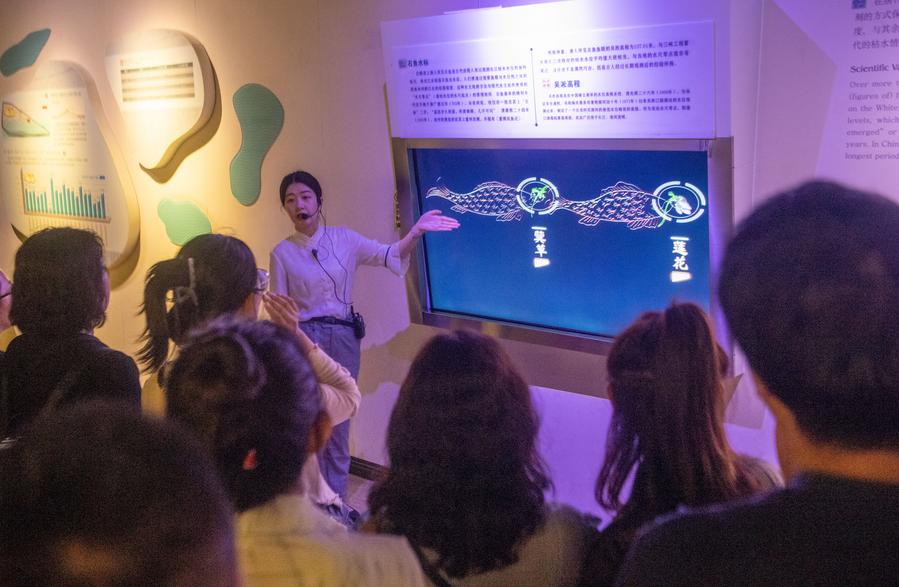
A visitor takes photos of a stone ridge through the window at Baiheliang Underwater Museum in southwest China's Chongqing Municipality, March 28, 2012. (Xinhua/Liu Chan)The Rawda Island Nilometer is seen in Cairo, Egypt, May 15, 2024. (Xinhua/Sui Xiankai)An aerial drone photo taken on May 28, 2024 shows the Baiheliang Underwater Museum in southwest China's Chongqing Municipality. (Xinhua/Tang Yi)The conical structure covering Rawda Island Nilometer is seen in Cairo, Egypt, May 15, 2024. (Xinhua/Sui Xiankai)Part of the inscription rubbing of Baiheliang is seen at Baiheliang Underwater Museum in southwest China's Chongqing Municipality. (Baiheliang Underwater Museum/Handout via Xinhua)Tourists visit the Baiheliang Underwater Museum in southwest China's Chongqing Municipality, May 28, 2024. (Xinhua/Tang Yi)Tourists visit the Baiheliang Underwater Museum in southwest China's Chongqing Municipality, May 28, 2024. (Xinhua/Tang Yi)An inscription is seen at the Baiheliang Underwater Museum in southwest China's Chongqing Municipality, May 28, 2024. (Xinhua/Tang Yi)A guide explains information at the Baiheliang Underwater Museum in southwest China's Chongqing Municipality, May 28, 2024. (Xinhua/Tang Yi)The Rawda Island Nilometer is seen in Cairo, Egypt, May 15, 2024. (Xinhua/Sui Xiankai)The Rawda Island Nilometer is seen in Cairo, Egypt, May 15, 2024. (Xinhua/Sui Xiankai)Tourists visit the Rawda Island Nilometer in Cairo, Egypt, May 15, 2024. (Xinhua/Sui Xiankai)The Rawda Island Nilometer is seen in Cairo, Egypt, May 15, 2024. (Xinhua/Sui Xiankai)The Rawda Island Nilometer is seen in Cairo, Egypt, May 15, 2024. (Xinhua/Sui Xiankai)■