

This photo taken on May 14, 2024 shows an Aedes aegypti mosquito and larva carrying Wolbachia at the Oswaldo Cruz Foundation's biotechnology factory in Rio de Janeiro, Brazil. According to updated data from the Brazilian Ministry of Health on the May 17, Brazil has reported a total of 4,921,252 cases of dengue fever this year, including both confirmed and suspected cases, marking the highest level since the country began keeping records of the epidemic.
The Oswaldo Cruz Foundation is a biomedical research institution under the Brazilian Ministry of Health. The foundation has established a small biotechnology factory in Mare, Rio de Janeiro, where it cultivates Aedes aegypti mosquitoes carrying Wolbachia bacteria. Wolbachia is an intracellular microorganism found in 60 percent of insect species in nature but is not commonly found in Aedes aegypti. Once mosquitoes carrying Wolbachia are released into the wild, they will reproduce, spreading Wolbachia to more mosquitoes. The presence of Wolbachia in these mosquitoes inhibits the development of various viruses, including dengue fever, within the mosquitoes, thereby helping to reduce the transmission of these diseases. (Xinhua/Wang Tiancong)

This photo shows the Oswaldo Cruz Foundation's biotechnology factory in Rio de Janeiro, Brazil, on May 14, 2024. According to updated data from the Brazilian Ministry of Health on the May 17, Brazil has reported a total of 4,921,252 cases of dengue fever this year, including both confirmed and suspected cases, marking the highest level since the country began keeping records of the epidemic.
The Oswaldo Cruz Foundation is a biomedical research institution under the Brazilian Ministry of Health. The foundation has established a small biotechnology factory in Mare, Rio de Janeiro, where it cultivates Aedes aegypti mosquitoes carrying Wolbachia bacteria. Wolbachia is an intracellular microorganism found in 60 percent of insect species in nature but is not commonly found in Aedes aegypti. Once mosquitoes carrying Wolbachia are released into the wild, they will reproduce, spreading Wolbachia to more mosquitoes. The presence of Wolbachia in these mosquitoes inhibits the development of various viruses, including dengue fever, within the mosquitoes, thereby helping to reduce the transmission of these diseases. (Xinhua/Wang Tiancong)
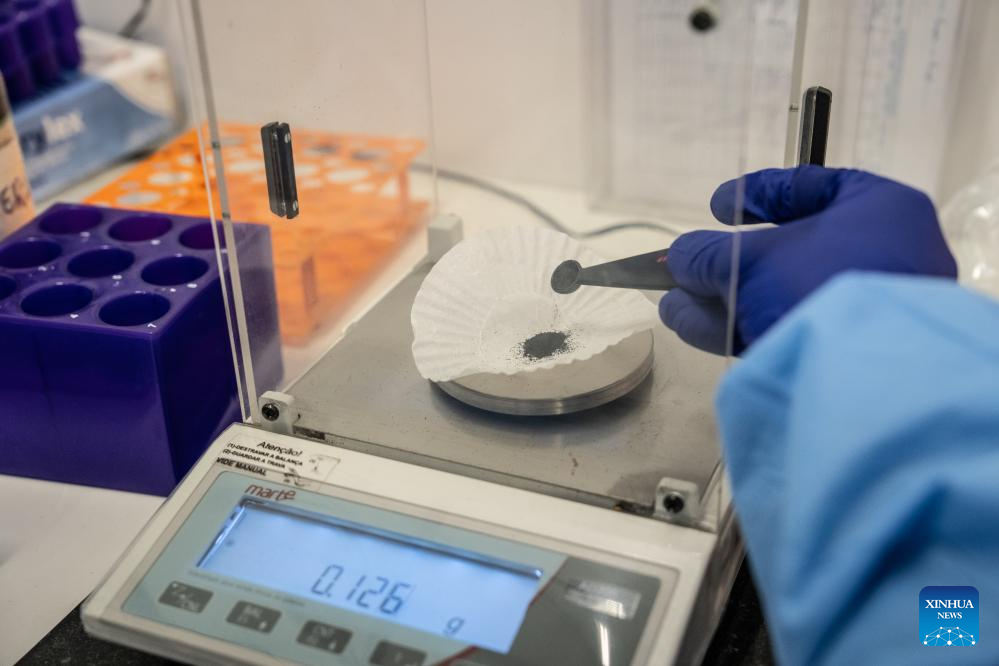
A staff member works at the Oswaldo Cruz Foundation's biotechnology factory in Rio de Janeiro, Brazil, on May 14, 2024. According to updated data from the Brazilian Ministry of Health on the May 17, Brazil has reported a total of 4,921,252 cases of dengue fever this year, including both confirmed and suspected cases, marking the highest level since the country began keeping records of the epidemic.
The Oswaldo Cruz Foundation is a biomedical research institution under the Brazilian Ministry of Health. The foundation has established a small biotechnology factory in Mare, Rio de Janeiro, where it cultivates Aedes aegypti mosquitoes carrying Wolbachia bacteria. Wolbachia is an intracellular microorganism found in 60 percent of insect species in nature but is not commonly found in Aedes aegypti. Once mosquitoes carrying Wolbachia are released into the wild, they will reproduce, spreading Wolbachia to more mosquitoes. The presence of Wolbachia in these mosquitoes inhibits the development of various viruses, including dengue fever, within the mosquitoes, thereby helping to reduce the transmission of these diseases. (Xinhua/Wang Tiancong)

A staff member places Aedes aegypti mosquito larvae carrying Wolbachia into containers at the Oswaldo Cruz Foundation's biotechnology factory in Rio de Janeiro, Brazil, on May 14, 2024. According to updated data from the Brazilian Ministry of Health on the May 17, Brazil has reported a total of 4,921,252 cases of dengue fever this year, including both confirmed and suspected cases, marking the highest level since the country began keeping records of the epidemic.
The Oswaldo Cruz Foundation is a biomedical research institution under the Brazilian Ministry of Health. The foundation has established a small biotechnology factory in Mare, Rio de Janeiro, where it cultivates Aedes aegypti mosquitoes carrying Wolbachia bacteria. Wolbachia is an intracellular microorganism found in 60 percent of insect species in nature but is not commonly found in Aedes aegypti. Once mosquitoes carrying Wolbachia are released into the wild, they will reproduce, spreading Wolbachia to more mosquitoes. The presence of Wolbachia in these mosquitoes inhibits the development of various viruses, including dengue fever, within the mosquitoes, thereby helping to reduce the transmission of these diseases. (Xinhua/Wang Tiancong)
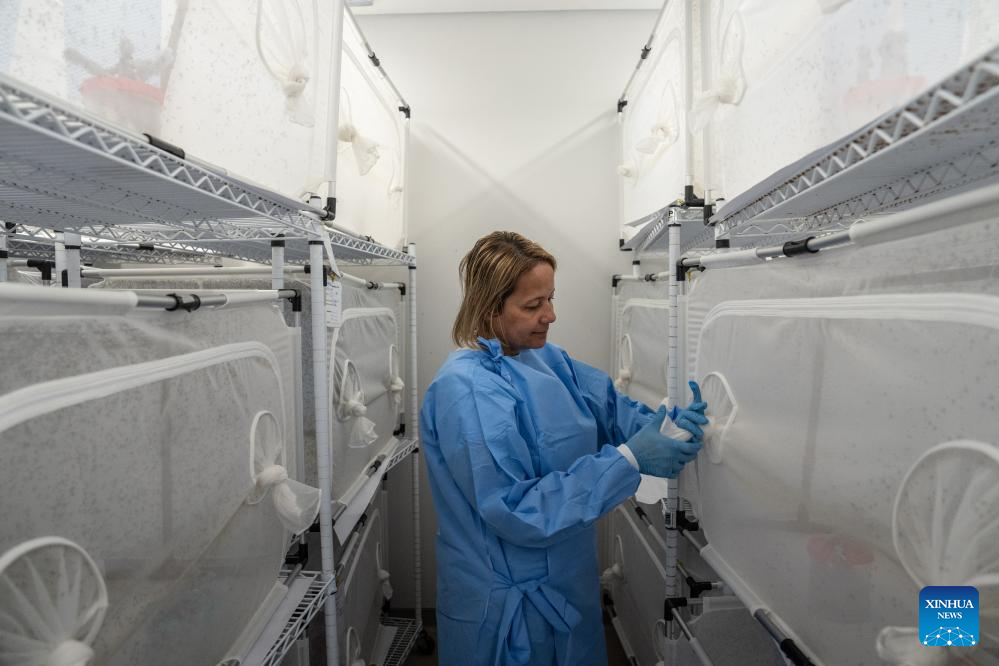
A staff member inspects a breeding container of Aedes aegypti mosquitoes carrying Wolbachia at the Oswaldo Cruz Foundation's biotechnology factory in Rio de Janeiro, Brazil, on May 14, 2024. According to updated data from the Brazilian Ministry of Health on the May 17, Brazil has reported a total of 4,921,252 cases of dengue fever this year, including both confirmed and suspected cases, marking the highest level since the country began keeping records of the epidemic.
The Oswaldo Cruz Foundation is a biomedical research institution under the Brazilian Ministry of Health. The foundation has established a small biotechnology factory in Mare, Rio de Janeiro, where it cultivates Aedes aegypti mosquitoes carrying Wolbachia bacteria. Wolbachia is an intracellular microorganism found in 60 percent of insect species in nature but is not commonly found in Aedes aegypti. Once mosquitoes carrying Wolbachia are released into the wild, they will reproduce, spreading Wolbachia to more mosquitoes. The presence of Wolbachia in these mosquitoes inhibits the development of various viruses, including dengue fever, within the mosquitoes, thereby helping to reduce the transmission of these diseases. (Xinhua/Wang Tiancong)

This photo taken on May 14, 2024 shows the headquarters of the Oswaldo Cruz Foundation's biotechnology factory in Rio de Janeiro, Brazil. According to updated data from the Brazilian Ministry of Health on the May 17, Brazil has reported a total of 4,921,252 cases of dengue fever this year, including both confirmed and suspected cases, marking the highest level since the country began keeping records of the epidemic.
The Oswaldo Cruz Foundation is a biomedical research institution under the Brazilian Ministry of Health. The foundation has established a small biotechnology factory in Mare, Rio de Janeiro, where it cultivates Aedes aegypti mosquitoes carrying Wolbachia bacteria. Wolbachia is an intracellular microorganism found in 60 percent of insect species in nature but is not commonly found in Aedes aegypti. Once mosquitoes carrying Wolbachia are released into the wild, they will reproduce, spreading Wolbachia to more mosquitoes. The presence of Wolbachia in these mosquitoes inhibits the development of various viruses, including dengue fever, within the mosquitoes, thereby helping to reduce the transmission of these diseases. (Xinhua/Wang Tiancong)
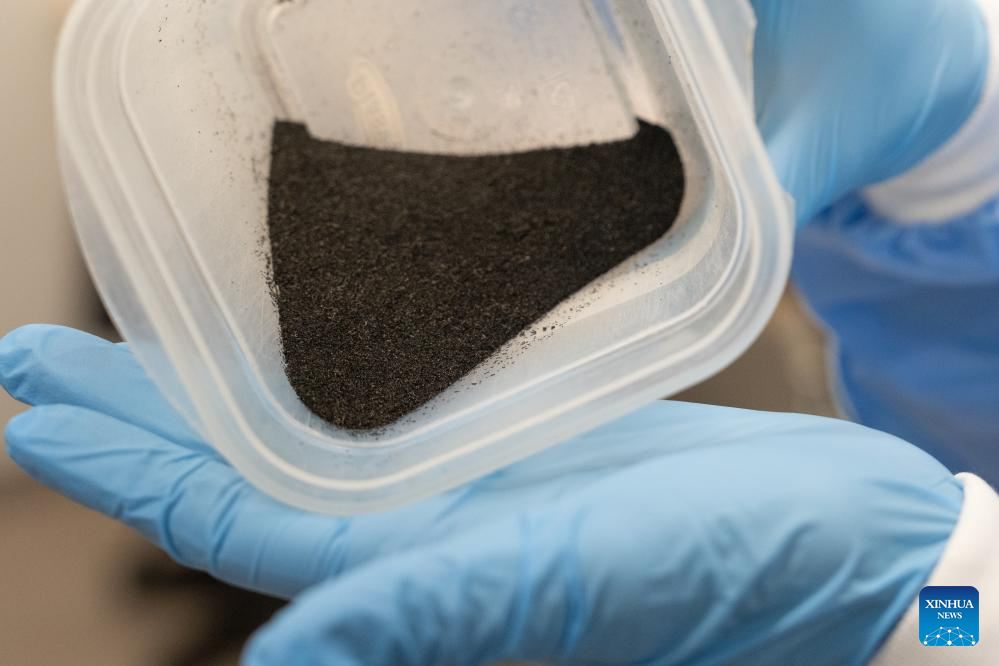
A staff member showcases the Aedes aegypti mosquito eggs carrying Wolbachia at the Oswaldo Cruz Foundation's biotechnology factory in Rio de Janeiro, Brazil, on May 14, 2024. According to updated data from the Brazilian Ministry of Health on the May 17, Brazil has reported a total of 4,921,252 cases of dengue fever this year, including both confirmed and suspected cases, marking the highest level since the country began keeping records of the epidemic.
The Oswaldo Cruz Foundation is a biomedical research institution under the Brazilian Ministry of Health. The foundation has established a small biotechnology factory in Mare, Rio de Janeiro, where it cultivates Aedes aegypti mosquitoes carrying Wolbachia bacteria. Wolbachia is an intracellular microorganism found in 60 percent of insect species in nature but is not commonly found in Aedes aegypti. Once mosquitoes carrying Wolbachia are released into the wild, they will reproduce, spreading Wolbachia to more mosquitoes. The presence of Wolbachia in these mosquitoes inhibits the development of various viruses, including dengue fever, within the mosquitoes, thereby helping to reduce the transmission of these diseases. (Xinhua/Wang Tiancong)
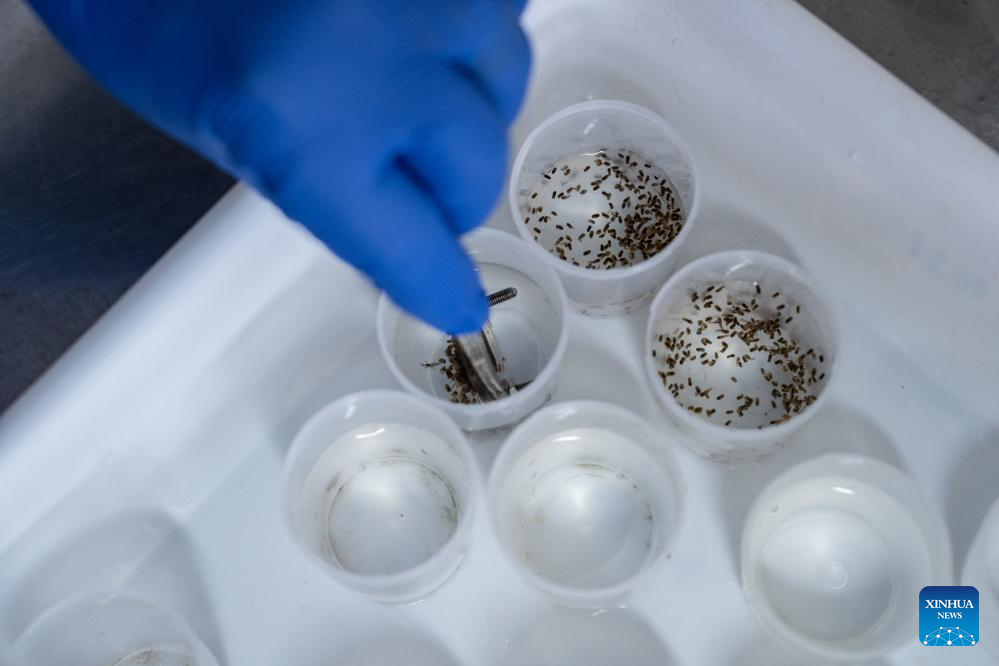
A staff member places Aedes aegypti mosquito larvae carrying Wolbachia into containers at the Oswaldo Cruz Foundation's biotechnology factory in Rio de Janeiro, Brazil, on May 14, 2024. According to updated data from the Brazilian Ministry of Health on the May 17, Brazil has reported a total of 4,921,252 cases of dengue fever this year, including both confirmed and suspected cases, marking the highest level since the country began keeping records of the epidemic.
The Oswaldo Cruz Foundation is a biomedical research institution under the Brazilian Ministry of Health. The foundation has established a small biotechnology factory in Mare, Rio de Janeiro, where it cultivates Aedes aegypti mosquitoes carrying Wolbachia bacteria. Wolbachia is an intracellular microorganism found in 60 percent of insect species in nature but is not commonly found in Aedes aegypti. Once mosquitoes carrying Wolbachia are released into the wild, they will reproduce, spreading Wolbachia to more mosquitoes. The presence of Wolbachia in these mosquitoes inhibits the development of various viruses, including dengue fever, within the mosquitoes, thereby helping to reduce the transmission of these diseases. (Xinhua/Wang Tiancong)
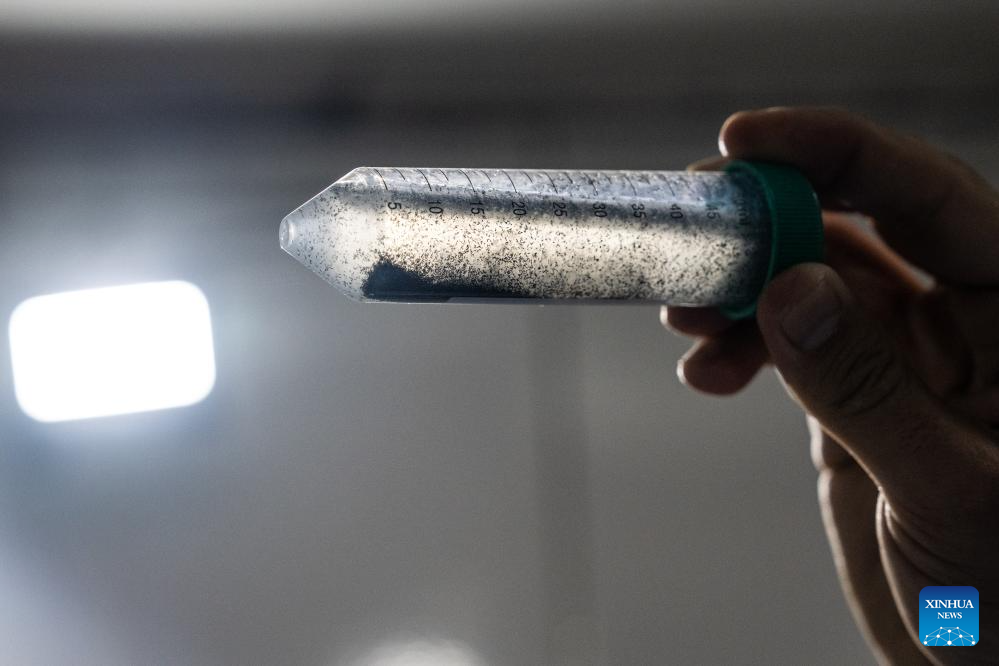
A staff member observes the eggs of Aedes aegypti mosquito carrying Wolbachia at the Oswaldo Cruz Foundation's biotechnology factory in Rio de Janeiro, Brazil, on May 14, 2024. According to updated data from the Brazilian Ministry of Health on the May 17, Brazil has reported a total of 4,921,252 cases of dengue fever this year, including both confirmed and suspected cases, marking the highest level since the country began keeping records of the epidemic.
The Oswaldo Cruz Foundation is a biomedical research institution under the Brazilian Ministry of Health. The foundation has established a small biotechnology factory in Mare, Rio de Janeiro, where it cultivates Aedes aegypti mosquitoes carrying Wolbachia bacteria. Wolbachia is an intracellular microorganism found in 60 percent of insect species in nature but is not commonly found in Aedes aegypti. Once mosquitoes carrying Wolbachia are released into the wild, they will reproduce, spreading Wolbachia to more mosquitoes. The presence of Wolbachia in these mosquitoes inhibits the development of various viruses, including dengue fever, within the mosquitoes, thereby helping to reduce the transmission of these diseases. (Xinhua/Wang Tiancong)
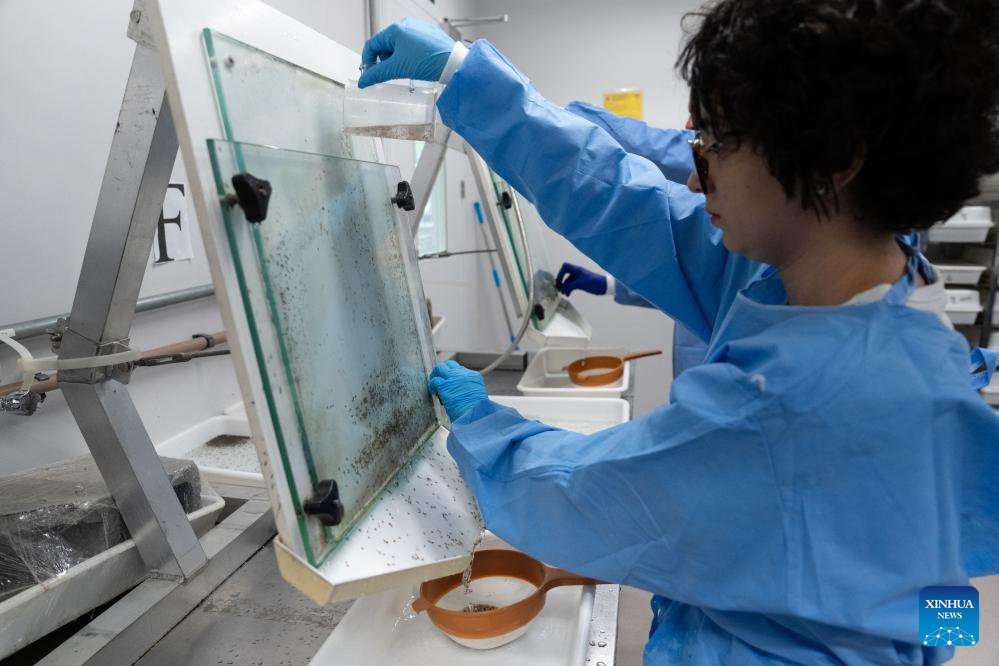
A staff member works at the Oswaldo Cruz Foundation's biotechnology factory in Rio de Janeiro, Brazil, on May 14, 2024. According to updated data from the Brazilian Ministry of Health on the May 17, Brazil has reported a total of 4,921,252 cases of dengue fever this year, including both confirmed and suspected cases, marking the highest level since the country began keeping records of the epidemic.
The Oswaldo Cruz Foundation is a biomedical research institution under the Brazilian Ministry of Health. The foundation has established a small biotechnology factory in Mare, Rio de Janeiro, where it cultivates Aedes aegypti mosquitoes carrying Wolbachia bacteria. Wolbachia is an intracellular microorganism found in 60 percent of insect species in nature but is not commonly found in Aedes aegypti. Once mosquitoes carrying Wolbachia are released into the wild, they will reproduce, spreading Wolbachia to more mosquitoes. The presence of Wolbachia in these mosquitoes inhibits the development of various viruses, including dengue fever, within the mosquitoes, thereby helping to reduce the transmission of these diseases. (Xinhua/Wang Tiancong)
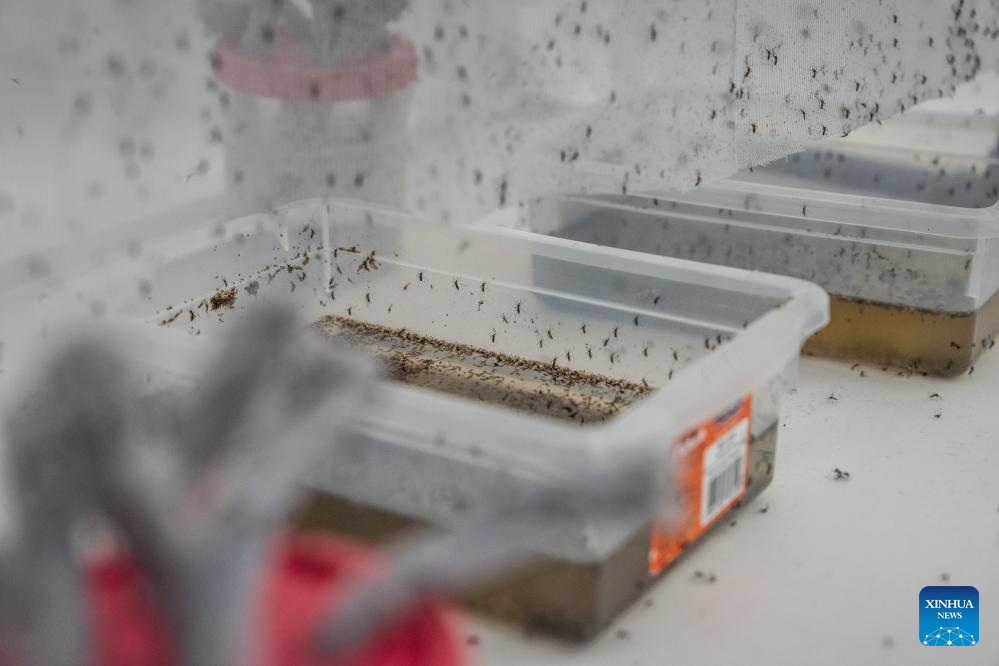
This photo taken on May 14, 2024 shows a breeding container of Aedes aegypti mosquitoes carrying Wolbachia at the Oswaldo Cruz Foundation's biotechnology factory in Rio de Janeiro, Brazil. According to updated data from the Brazilian Ministry of Health on the May 17, Brazil has reported a total of 4,921,252 cases of dengue fever this year, including both confirmed and suspected cases, marking the highest level since the country began keeping records of the epidemic.
The Oswaldo Cruz Foundation is a biomedical research institution under the Brazilian Ministry of Health. The foundation has established a small biotechnology factory in Mare, Rio de Janeiro, where it cultivates Aedes aegypti mosquitoes carrying Wolbachia bacteria. Wolbachia is an intracellular microorganism found in 60 percent of insect species in nature but is not commonly found in Aedes aegypti. Once mosquitoes carrying Wolbachia are released into the wild, they will reproduce, spreading Wolbachia to more mosquitoes. The presence of Wolbachia in these mosquitoes inhibits the development of various viruses, including dengue fever, within the mosquitoes, thereby helping to reduce the transmission of these diseases. (Xinhua/Wang Tiancong)

Staff members inspect breeding containers of Aedes aegypti mosquitoes carrying Wolbachia at the Oswaldo Cruz Foundation's biotechnology factory in Rio de Janeiro, Brazil, on May 14, 2024. According to updated data from the Brazilian Ministry of Health on the May 17, Brazil has reported a total of 4,921,252 cases of dengue fever this year, including both confirmed and suspected cases, marking the highest level since the country began keeping records of the epidemic.
The Oswaldo Cruz Foundation is a biomedical research institution under the Brazilian Ministry of Health. The foundation has established a small biotechnology factory in Mare, Rio de Janeiro, where it cultivates Aedes aegypti mosquitoes carrying Wolbachia bacteria. Wolbachia is an intracellular microorganism found in 60 percent of insect species in nature but is not commonly found in Aedes aegypti. Once mosquitoes carrying Wolbachia are released into the wild, they will reproduce, spreading Wolbachia to more mosquitoes. The presence of Wolbachia in these mosquitoes inhibits the development of various viruses, including dengue fever, within the mosquitoes, thereby helping to reduce the transmission of these diseases. (Xinhua/Wang Tiancong)


