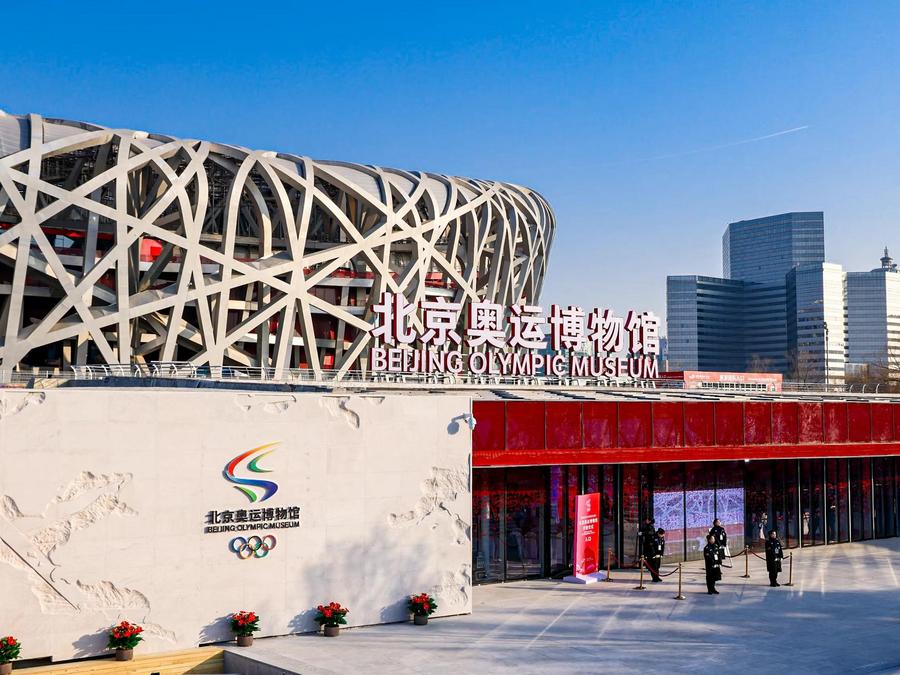
BEIJING, Feb. 4 (Xinhua) -- The Beijing Olympic Museum (BOM), located south of the "Bird's Nest" National Stadium which staged the 2022 Olympic Winter Games' opening ceremony, reopened on Saturday to mark the second anniversary of the Beijing Winter Olympics.
The museum hails the influence of Beijing 2022, as International Olympic Committee (IOC) president Thomas Bach stated in a video greeting, "The new and improved Beijing Olympic Museum is a shining example of a living legacy and will continue to inspire every visitor with timeless Olympic values."
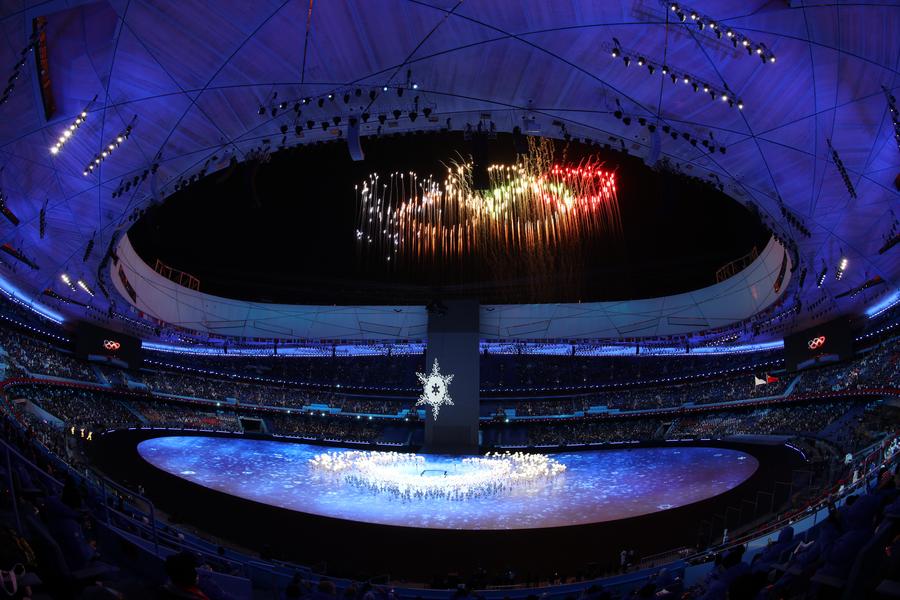
On the night of February 4, 2022, the snowflake-shaped cauldron was lit during the opening ceremony, as Beijing became the first city ever to host both Summer and Winter Olympics.
With the vision of "engaging 300 million Chinese people in winter sports", the 2022 Winter Olympics was a resounding success.
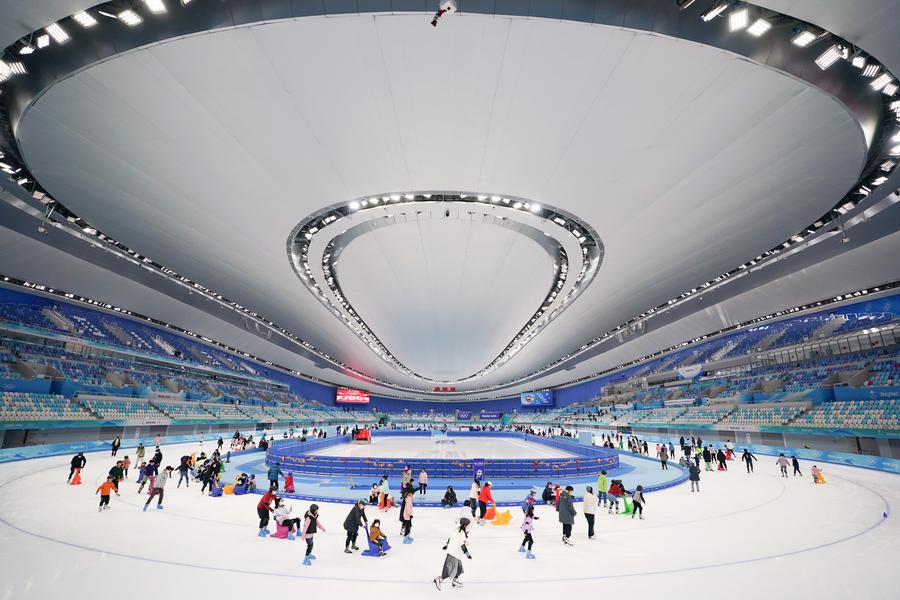
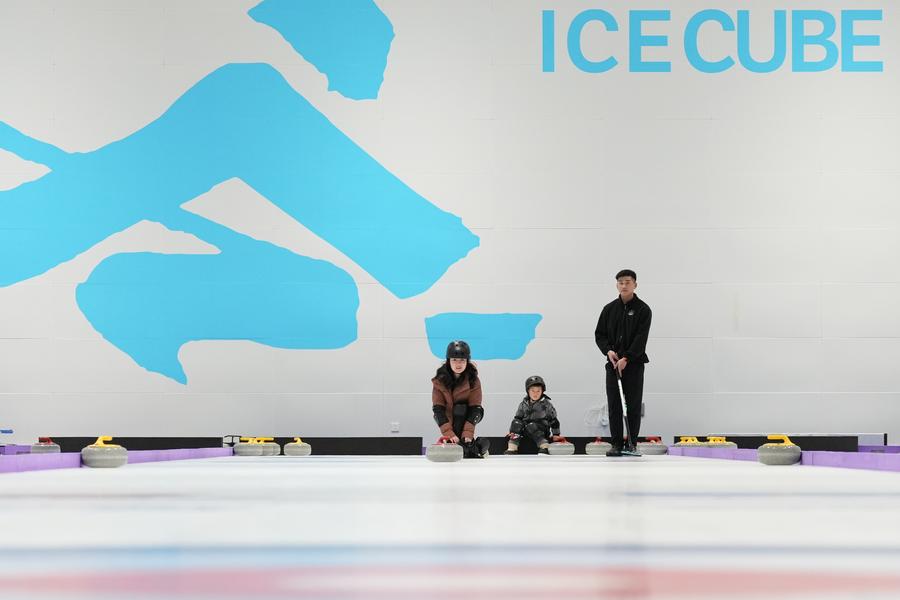
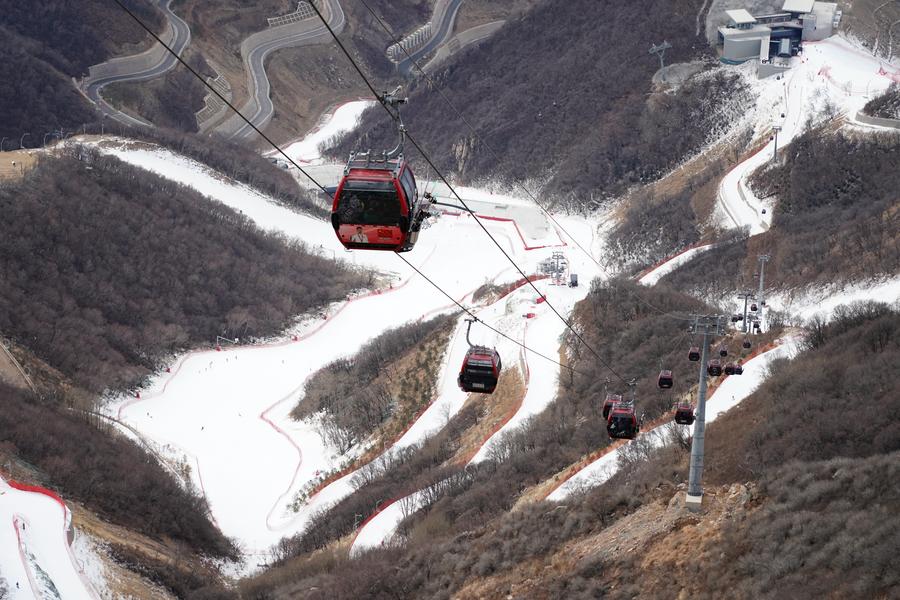
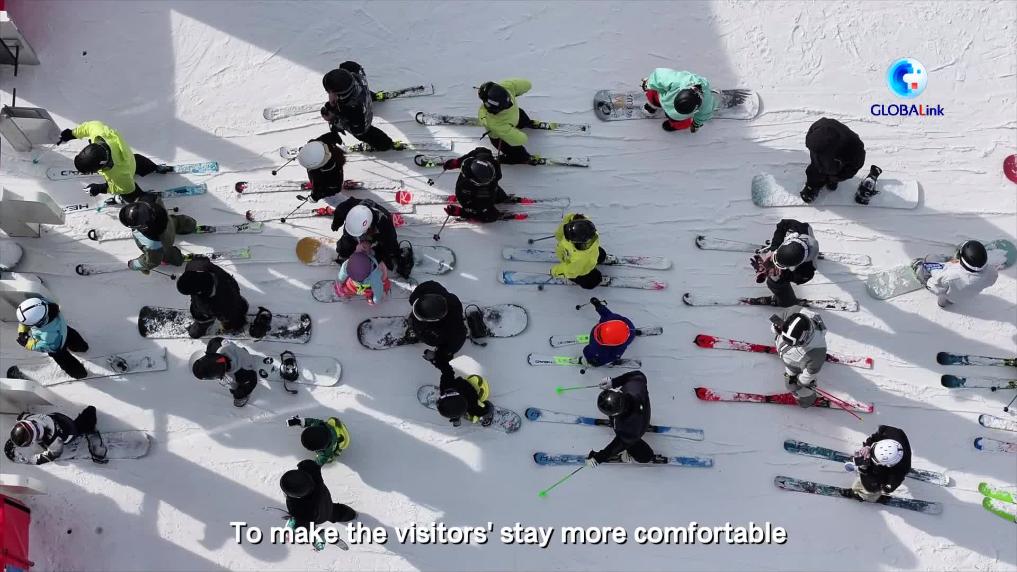
In the post-Beijing 2022 era, Olympic venues have opened to the public, driving people's enthusiasm for winter sports.
The National Speed Skating Oval is open to the public five days a week, while Chongli's Genting Ski Resort, which held freestyle skiing and snowboarding events during Beijing 2022, received 6,600 visitors on November 25, 2023, setting its highest daily record since the resort opened in 2012.
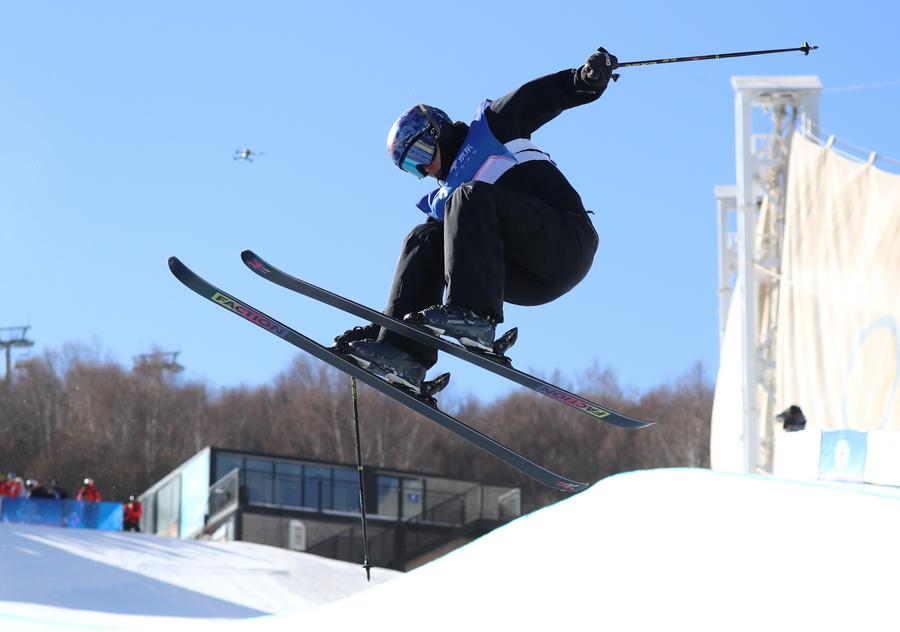
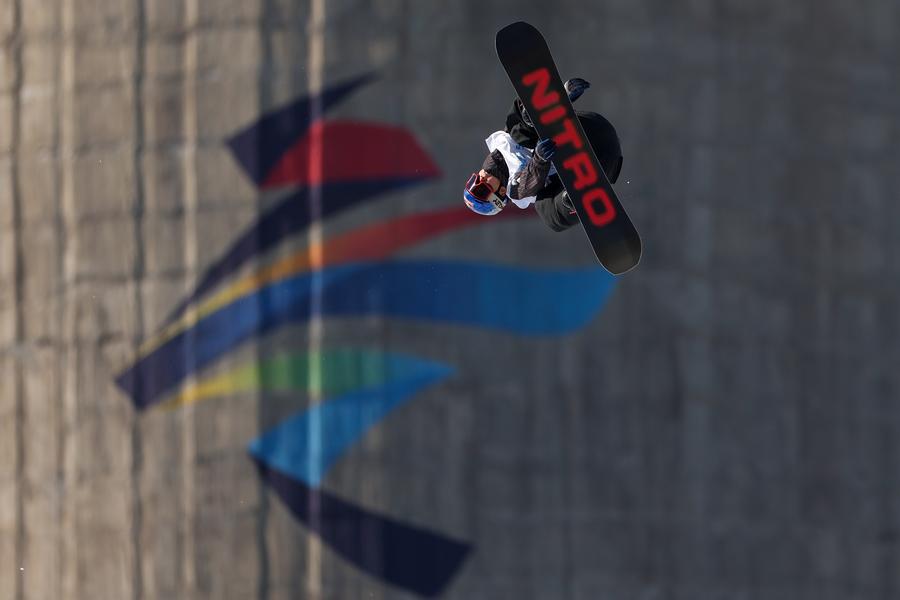
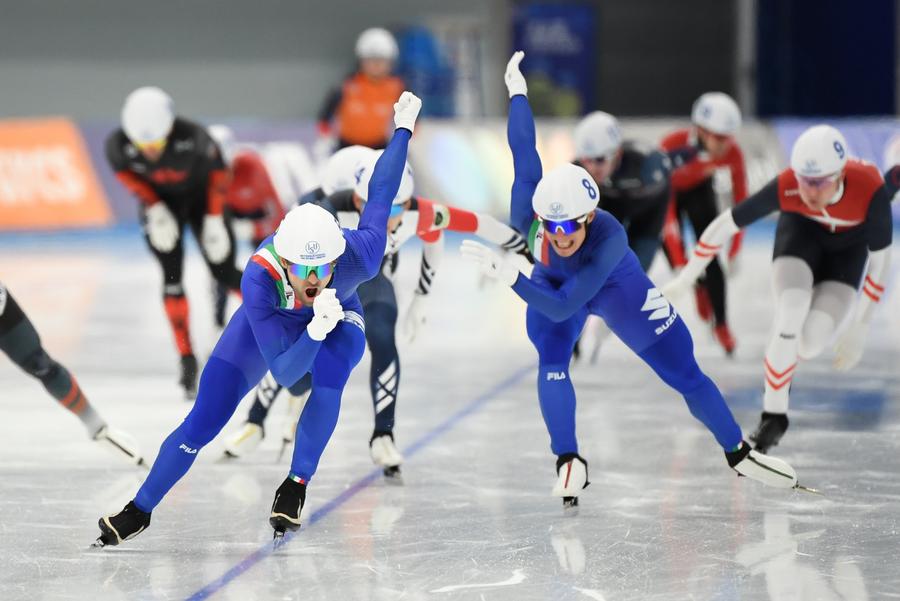
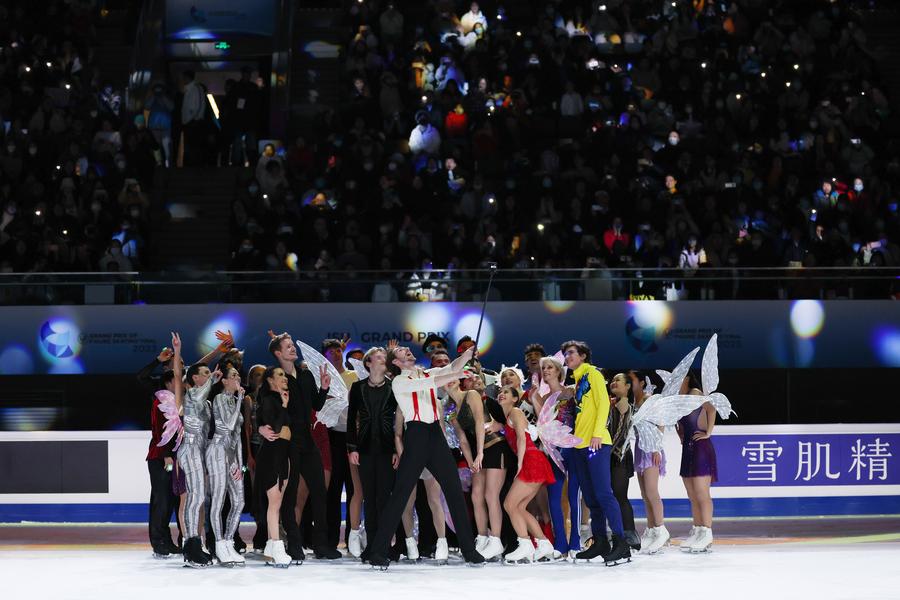
High-quality international competitions have also poured into China, sparking waves of enthusiastic spectators.
Equipped with a cutting-edge ice rink, the National Speed Skating Oval, known as the Ice Ribbon, hosted the 2023-2024 ISU World Cup Speed Skating last November, and along with the bobsleigh and skeleton World Cup staged at the National Sliding Center in Beijing's Yanqing, China had a month-long winter sports World Cup swing.
Shougang Park, where Su Yiming shot to fame, welcomed the return of Big Air action with the FIS Snowboard and Freeski Big Air World Cup. The FIS Freeski Halfpipe World Cup was brought to Secret Garden Ski Resort in Chongli, where Gu Ailing's Olympic champion dreams came true.
At the National Indoor Stadium, tickets for the ISU Short Track Speed Skating World Cup and Figure Skating GP Finals were almost sold out, highlighting the enthusiasm of the Chinese public for winter sports.
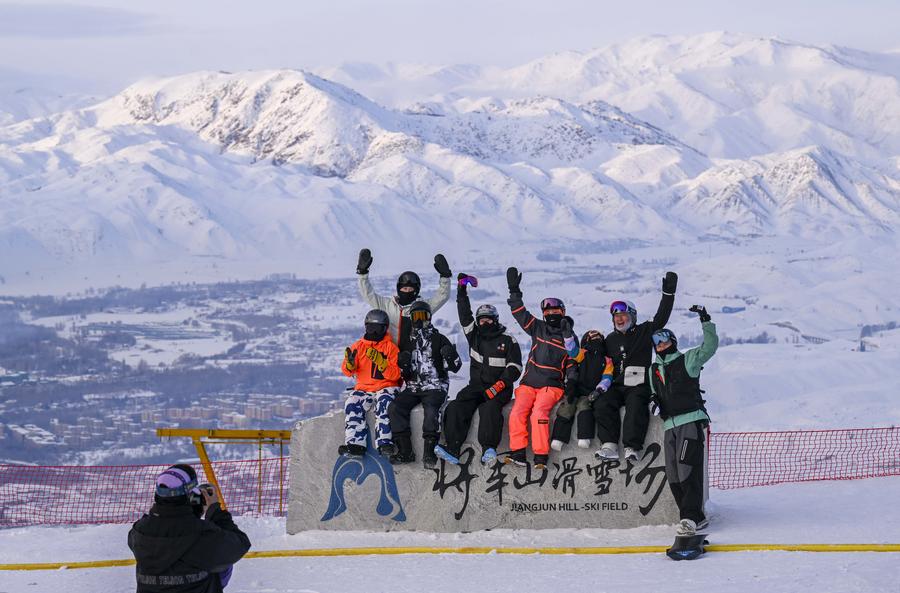
More people have transitioned from spectators to participants, and some have become avid devotees of winter sports. China's ice and snow industry and regional economy have also experienced rapid development.
Altay, in northwest China's Xinjiang Uygur Autonomous Region, is now a popular ski destination.
Data from online platform Ctrip revealed a continuous surge in interest in skiing in Xinjiang, with a 155 percent increase in popularity, while snow resorts experienced a 128 percent rise in interest.
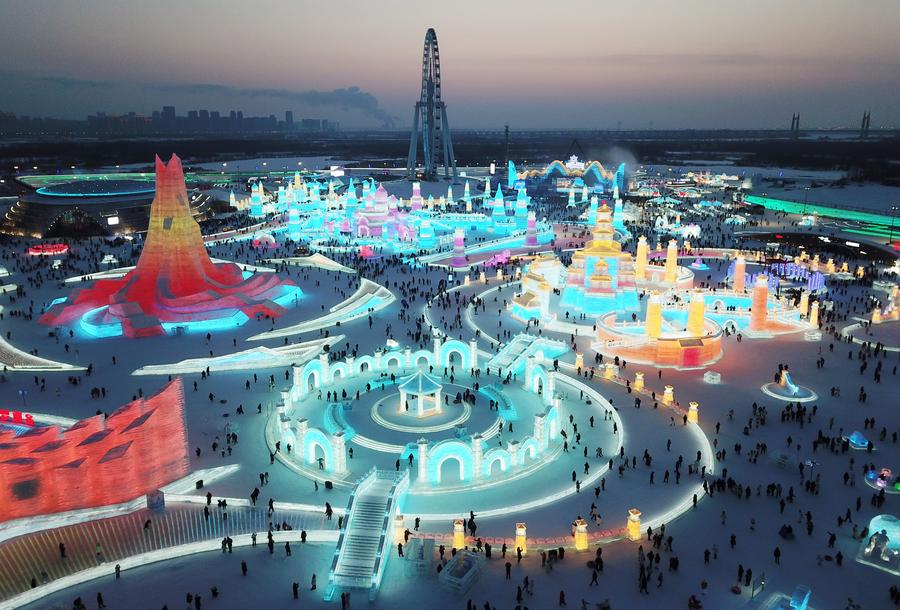
People flooded into Harbin, capital city of China's Heilongjiang Province, to enjoy various ice and snow activities despite temperatures dipping to -30 degrees Celsius. On social media, life in Harbin was one of the trending topics among people in southern China, as some who had not seen snow in their lifetimes are now eager to plan a visit.
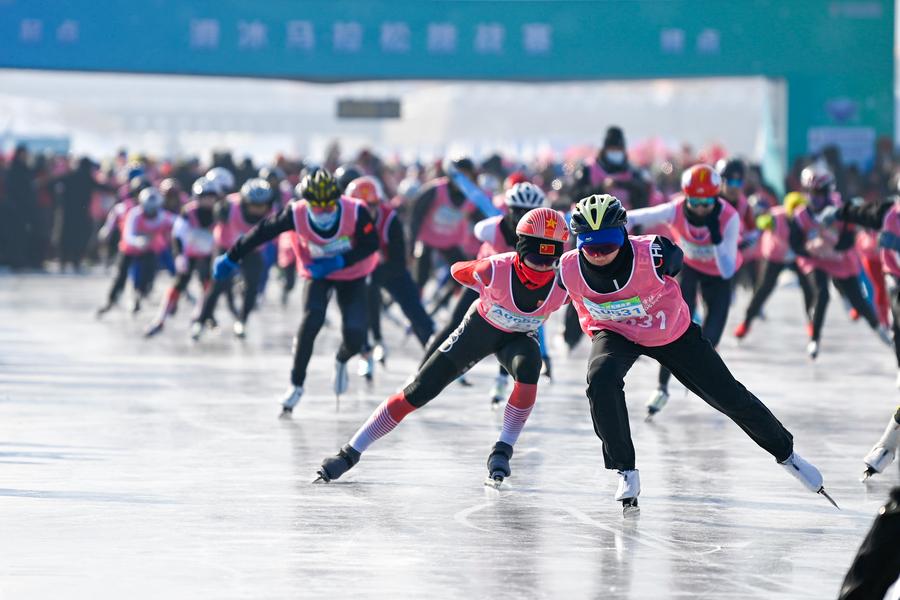
New types of winter sports have also emerged. 808 participants completed the ice skating marathon in Jingyu County of Baishan City in northeast China's Jilin province on January 30, marking a new Guinness World Record for the largest ice skating race series.
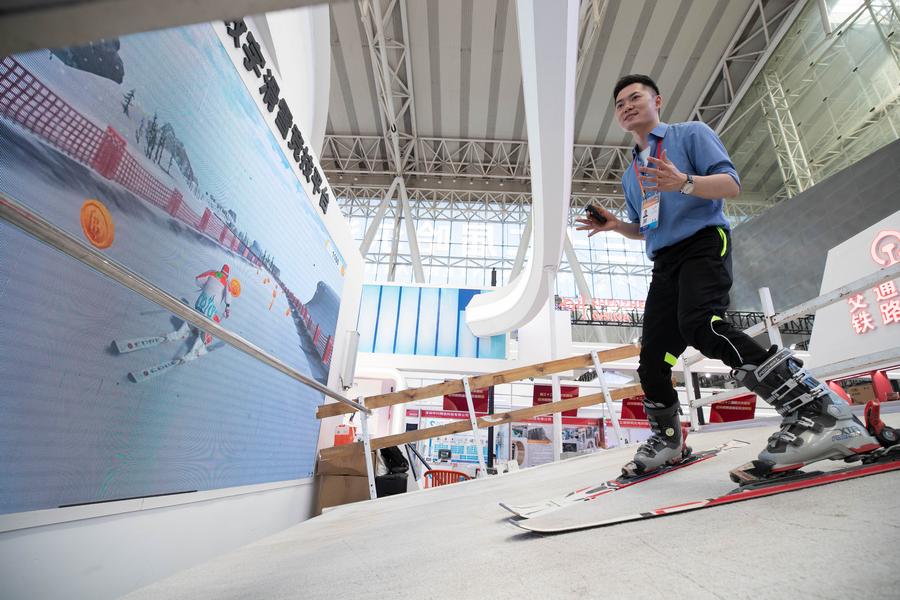
Thanks to the construction of indoor facilities, winter sports have also gained popularity in China's warmer southern regions. For the first time in history, Guangdong and Chongqing have formed their winter sports teams to compete at the National Winter Games.
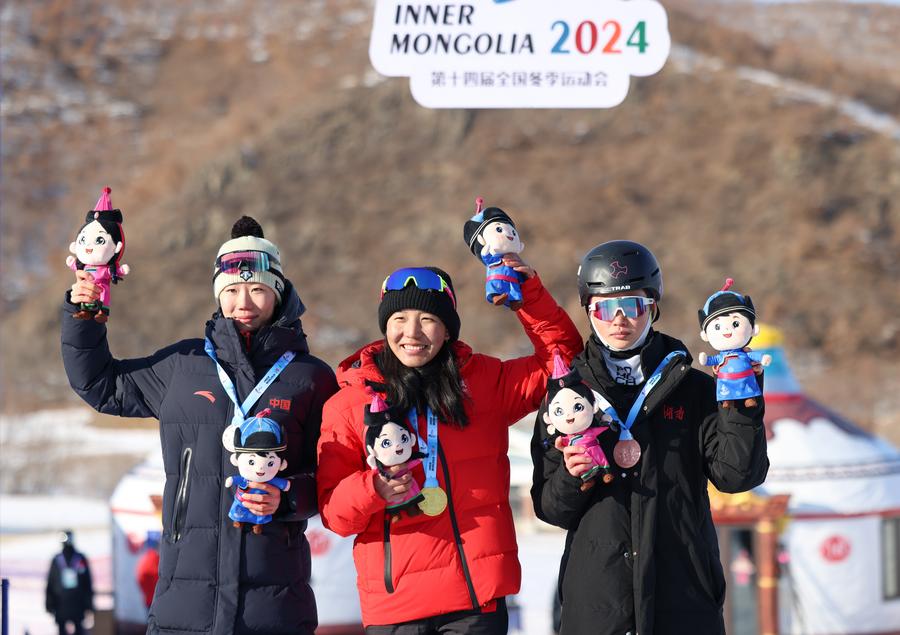
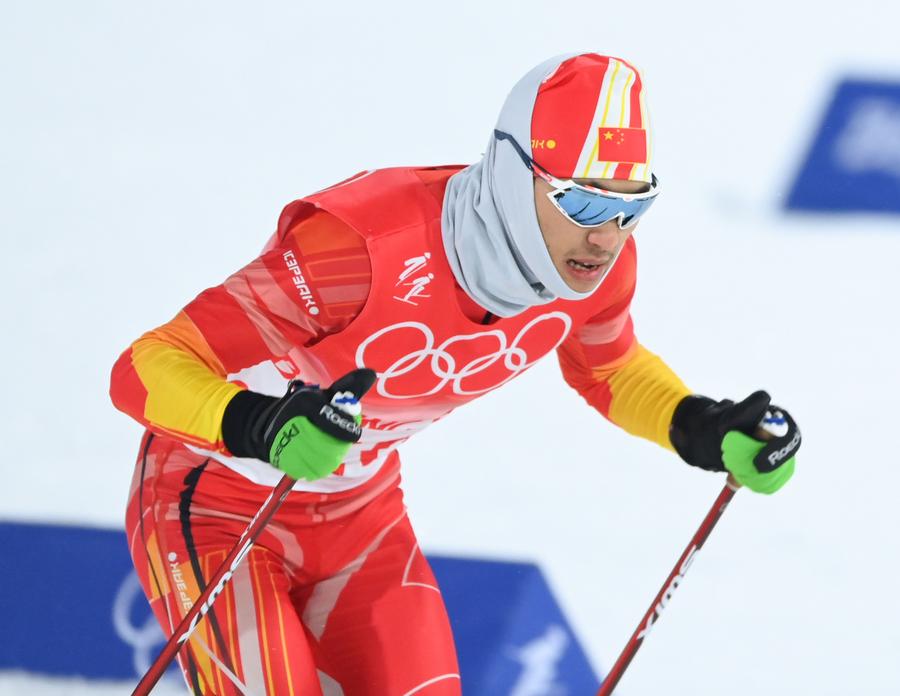
An increasing number of young talents are emerging. 19-year-old Yudron Lhamo from Xizang Autonomous Region became China's first national ski mountaineering champion. The country's first Nordic combined Olympian Zhao Jiawen improved from 81 to 102.5 meters in the men's Gundersen normal hill at the National Winter Games, and the 23-year-old has set an ultimate goal of featuring at the 2026 Winter Olympics.
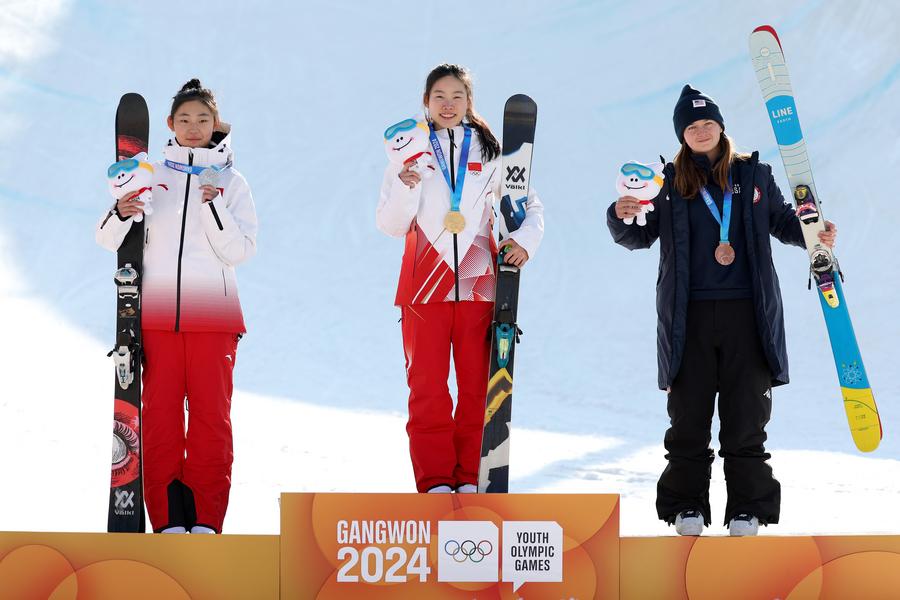
Gangwon 2024 witnessed the rise of China's younger generations, as China ranked third in the medal table with 18 medals. These athletes may become the next winter sports stars like Gu Ailing and Su Yiming.
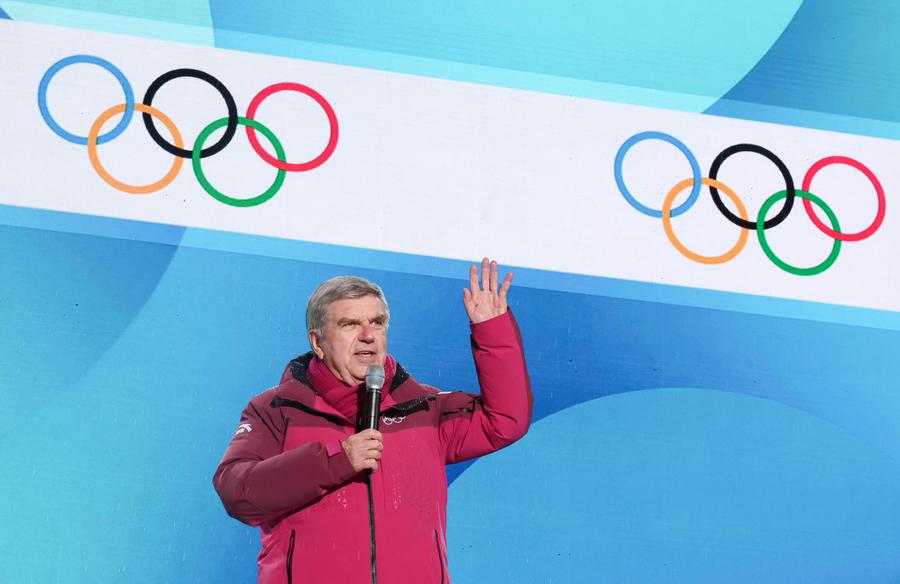
As Bach commented recently, Chinese athletes' success at the Gangwon Winter Youth Olympics is a great legacy of Beijing 2022.
"You can see how the programs of winter sports development before Beijing 2022 are paying off, and you can also have great hopes for future Winter Olympics," Bach said, adding, "The values of the sport of being reflected in an excellent way in China." ■