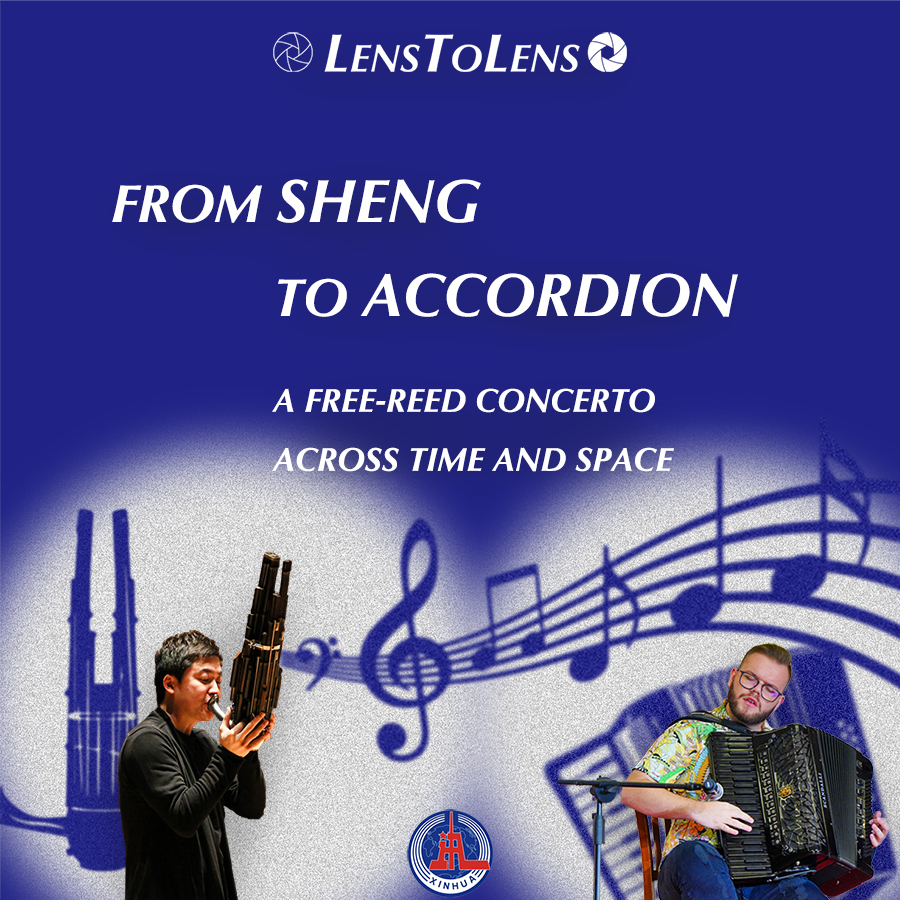
BEIJING, July 23 (Xinhua) -- Music is a universal language that needs no translation: when notes reach our ears, they have the power to stir our souls. In the long history of human communication and exchange, our musical instruments have also been passed down. Many of them blended with others and evolved in the process.
The sheng of China is considered one of the world's oldest free-reed instruments, and it was already popular during the Warring States period (475 B.C.-221 B.C.). The sheng consists of a central air chamber with a series of vertical pipes attached to it. Vibrational sound is produced when air is blown through the reeds inside the pipes. By blowing into a mouthpiece located in the central air chamber, a sheng musician can produce distinctive sounds.
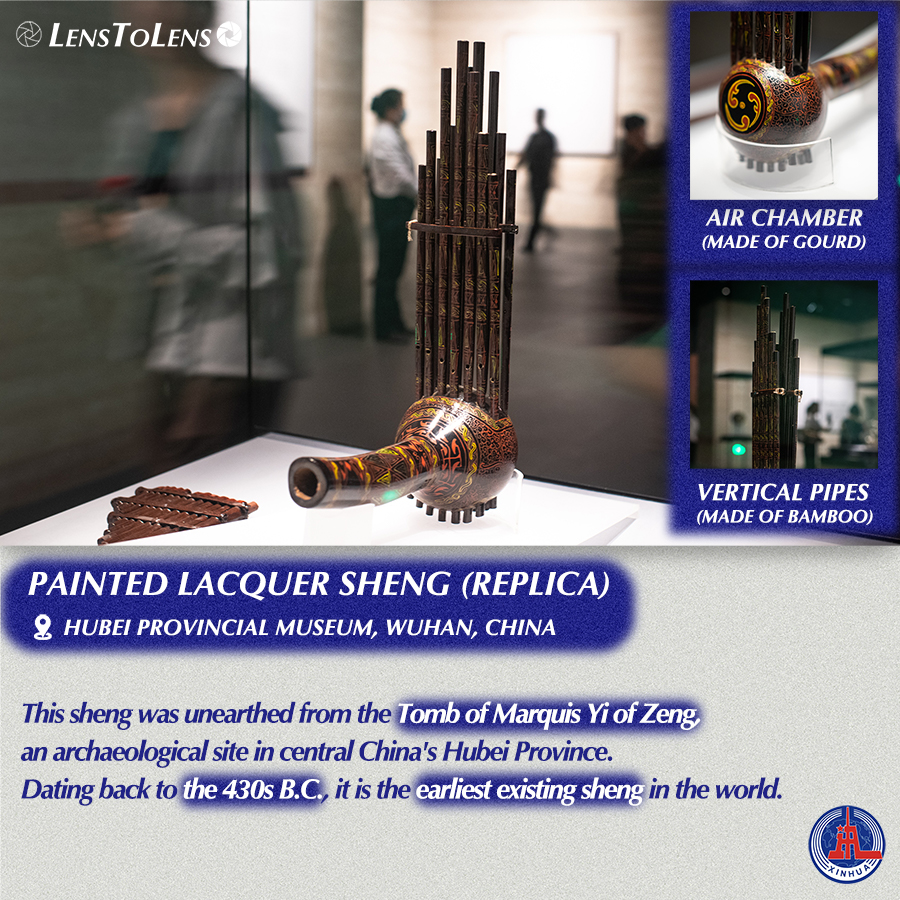
In Western Europe, the first accordion was created in the 1820s, drawing inspiration from free-reed aerophones such as the sheng. The accordion creatively combined the free reeds, the bellow and the keys, bringing a unique way of playing and a unique sound.
The "Encyclopedia Britannica" states that a Chinese sheng, which was brought to Russia in the 1770s, "helped to stimulate the invention of European instruments using free reeds including the accordion, concertina, harmonium, and harmonica."
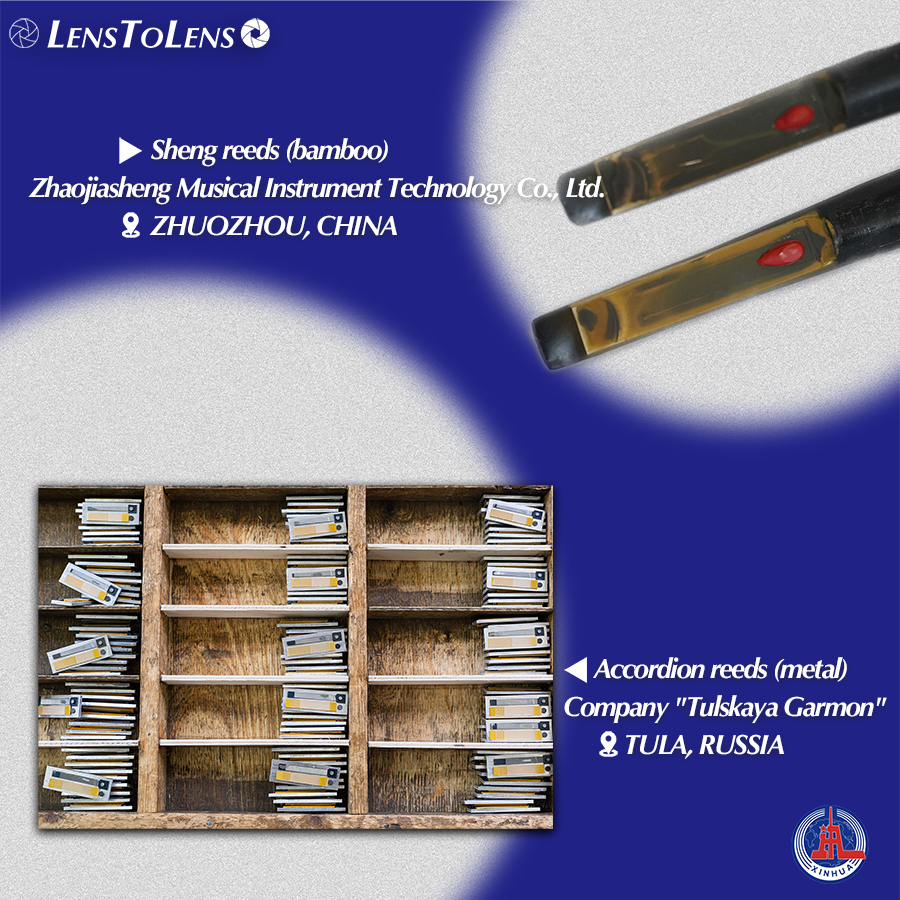
Due to its portable size, wide tonal range, and ability to play chords, the accordion, a "young instrument" born under the influence of the industrial revolution, gradually gained worldwide popularity.
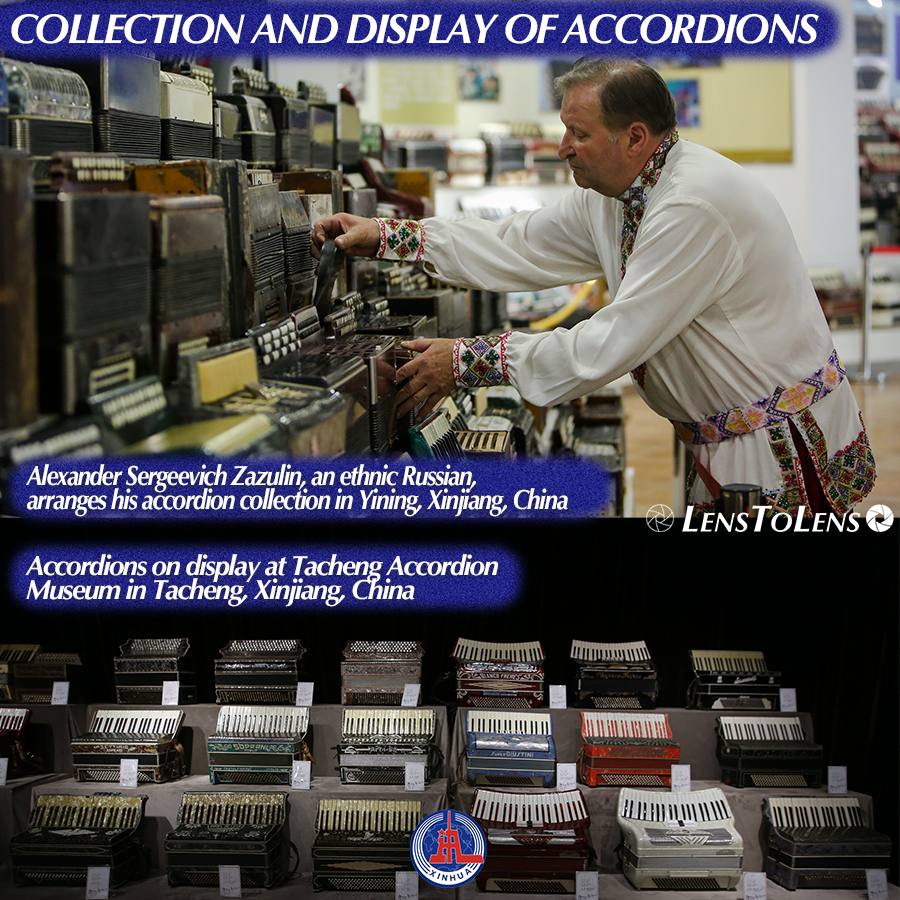
In China, some cities and individual enthusiasts have established dedicated accordion museums showcasing marvelous collections.
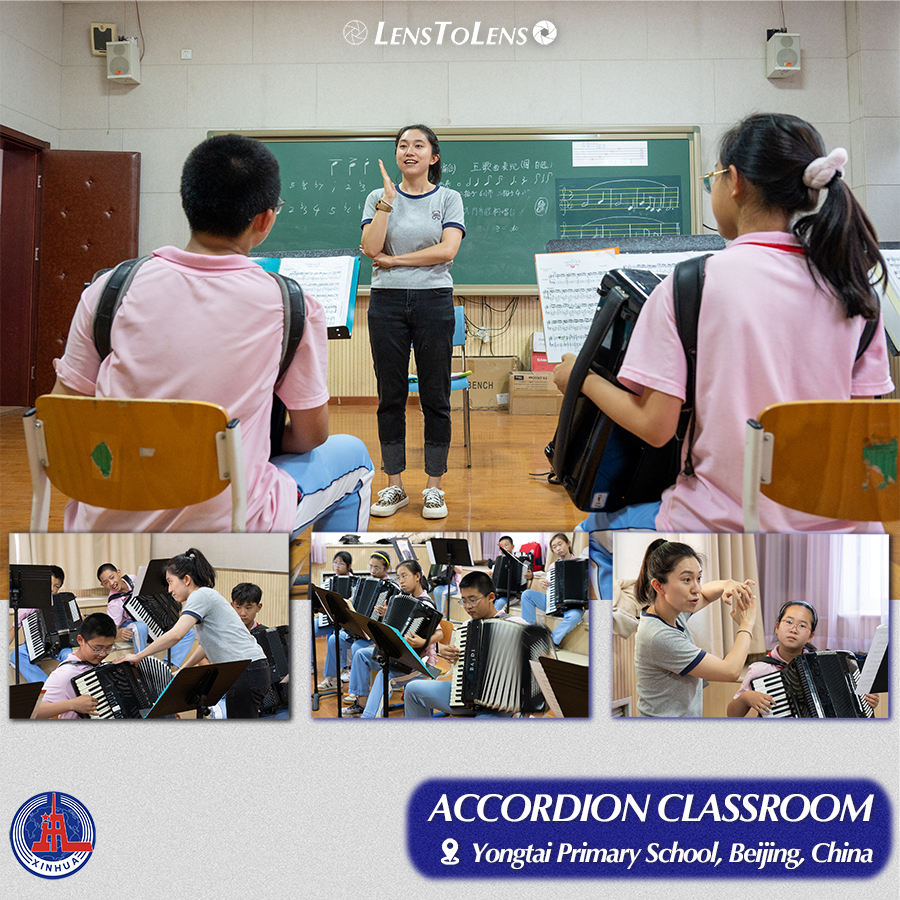
Nowadays, more and more Chinese schools are introducing accordion courses. Students not only learn to play a musical instrument, but also develop their concentration, coordination, musical perception, and teamwork skills. At Yongtai Primary School in Haidian District, Beijing, students improve their accordion skills under the guidance of their teacher, Huang Jing.
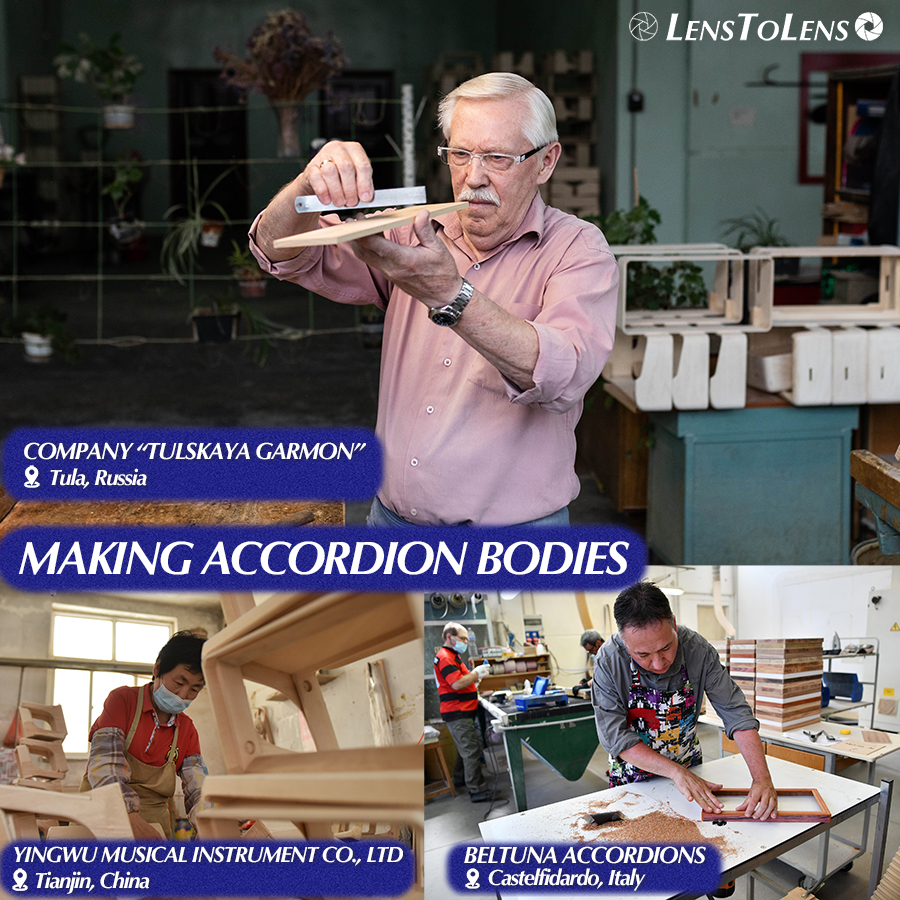
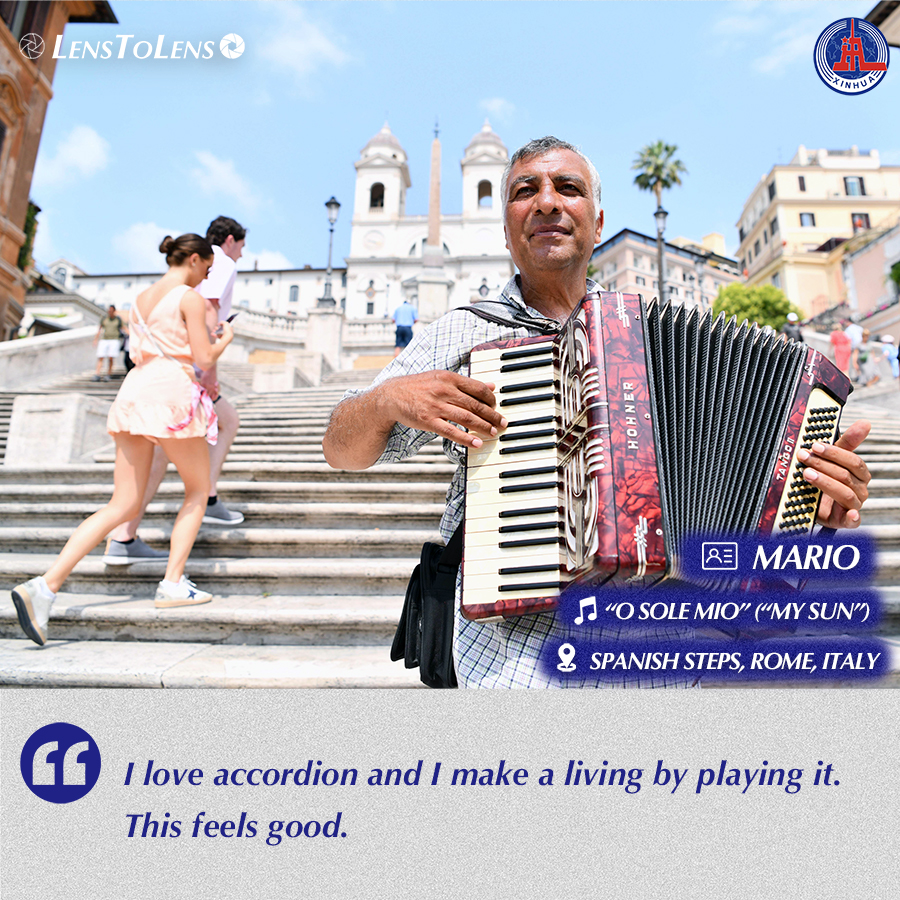
Within about two centuries, accordion manufacturing techniques have matured, leading to the development of various variants. Nowadays, in countries such as China, Italy, and Russia, there are well-established accordion design and manufacturing industries. Generations of accordion makers never cease to pass down the tradition while pursuing innovation, only to create instruments which performers recognize.
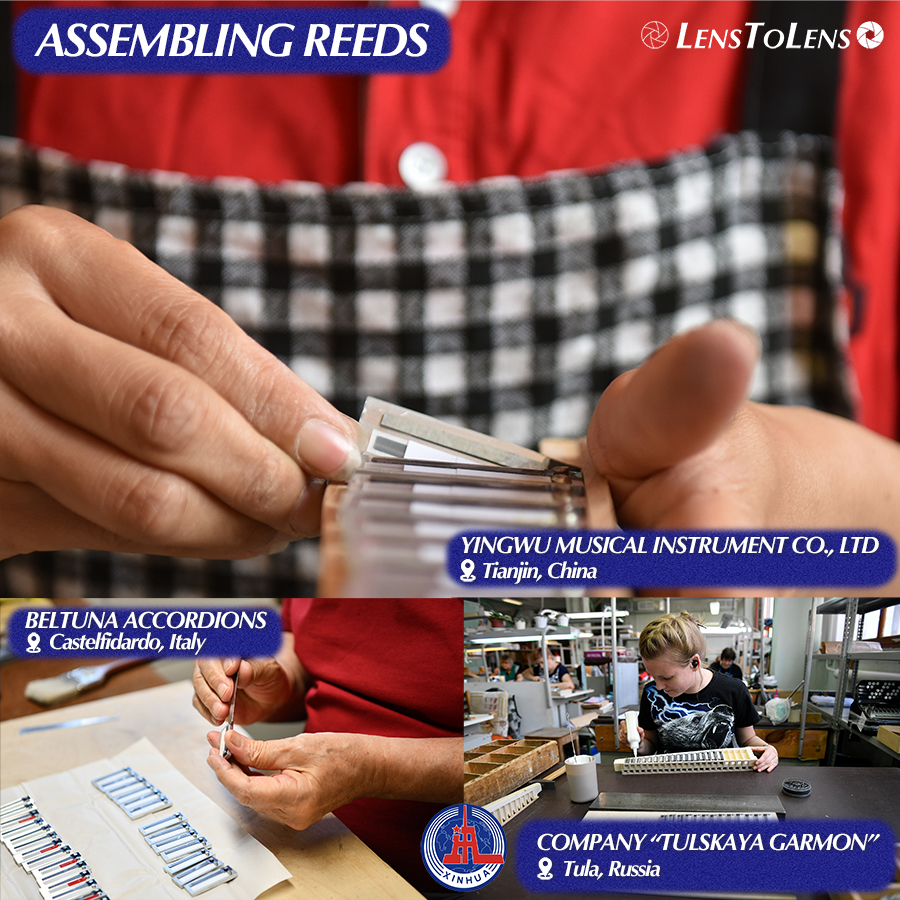
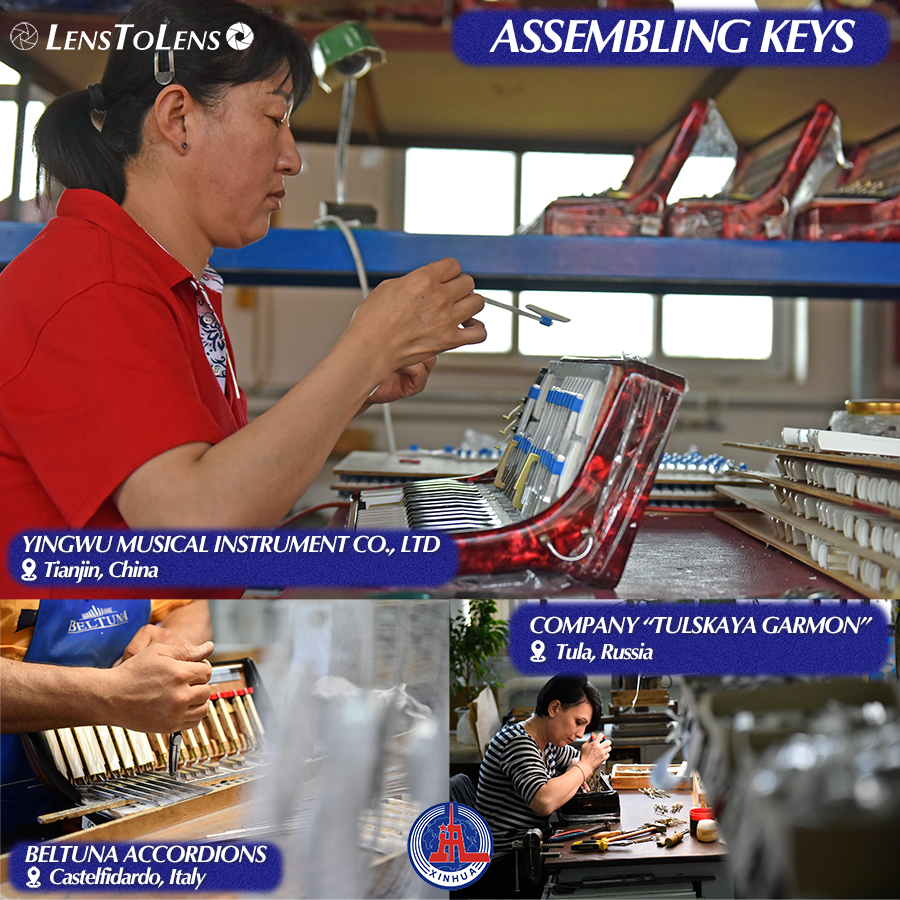

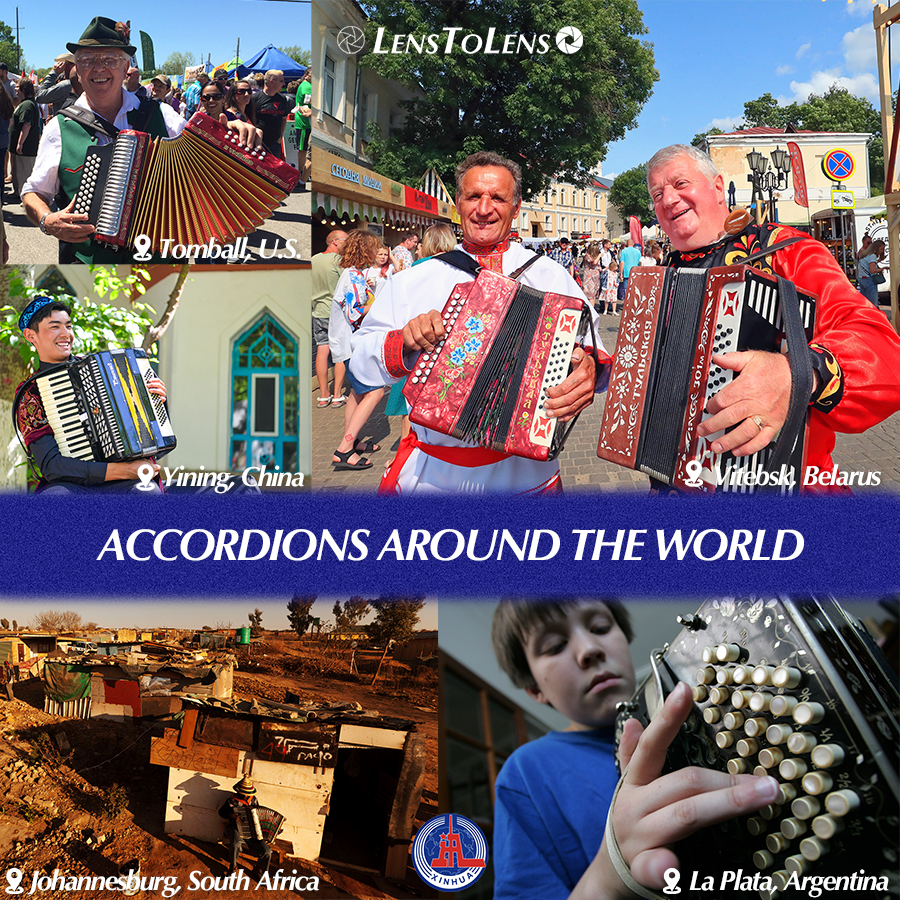
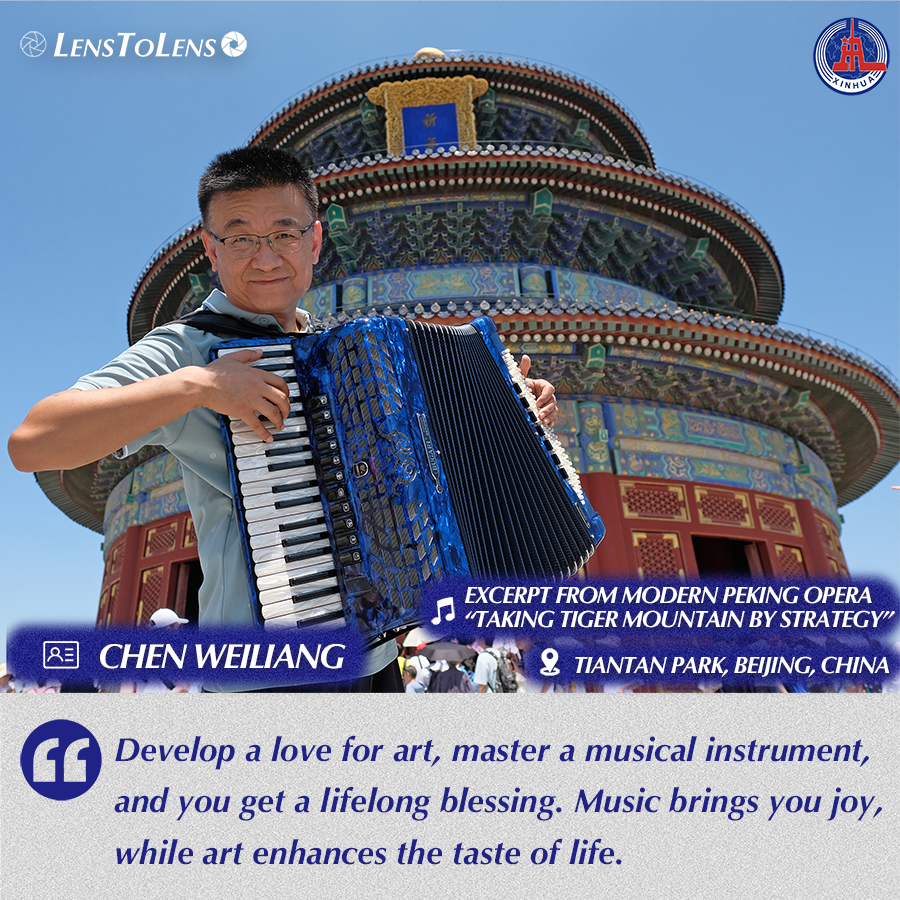
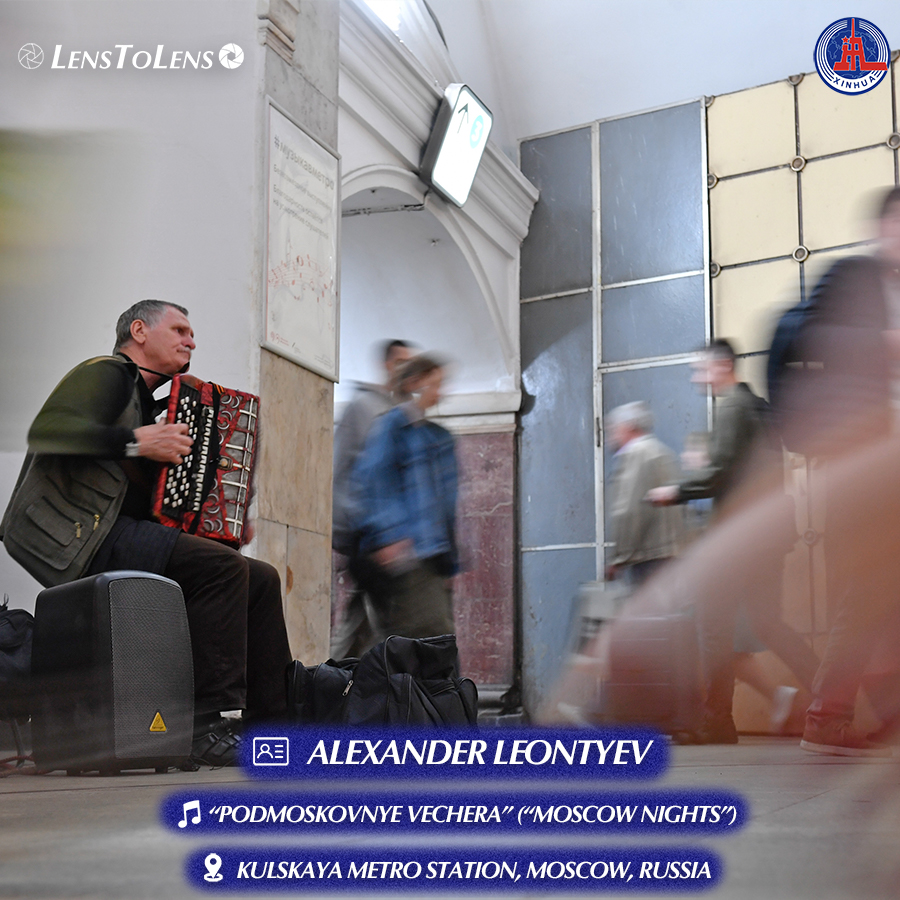
With movements of the bellow, airflows which drive the reeds, and fingers deftly dancing on the keys, beautiful pieces of music played on the accordion can serve as bridges for cultural exchange. Now it's time to hear the melodies played by accordionists from different countries.
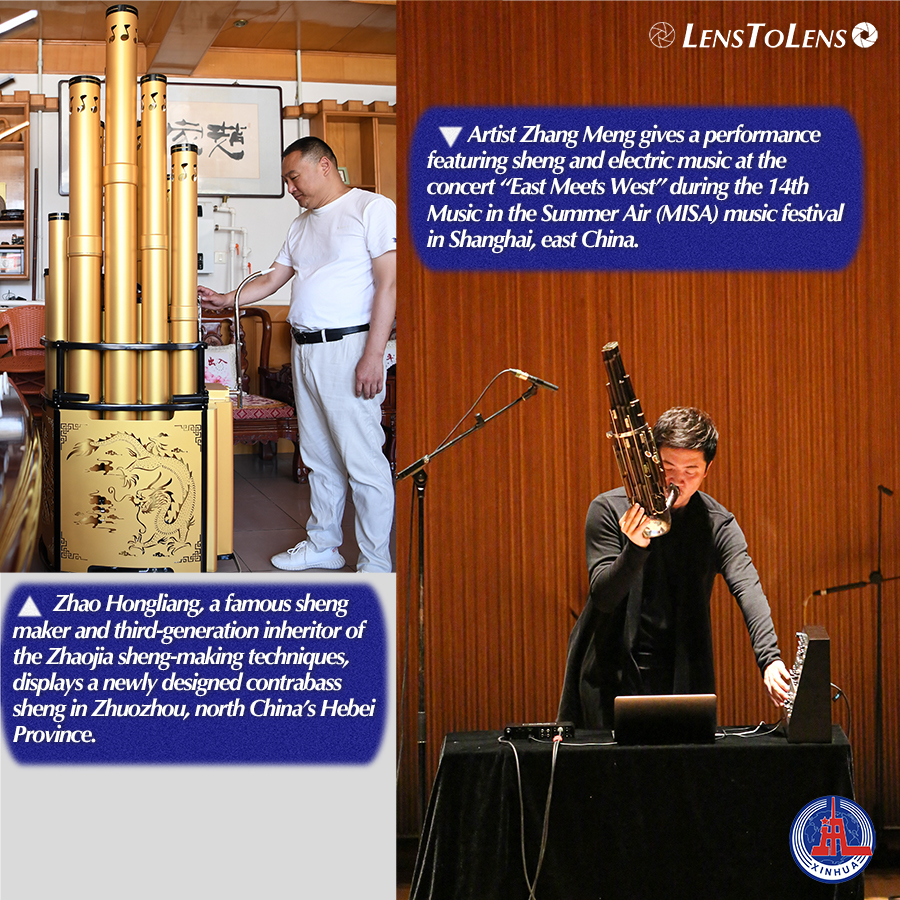
Meanwhile, over the course of more than two millennia, the sheng, a traditional Chinese instrument, has remained ever fresh. Not only has it evolved in design and manufacturing techniques, but it also displays a unique charm on the contemporary music stage.
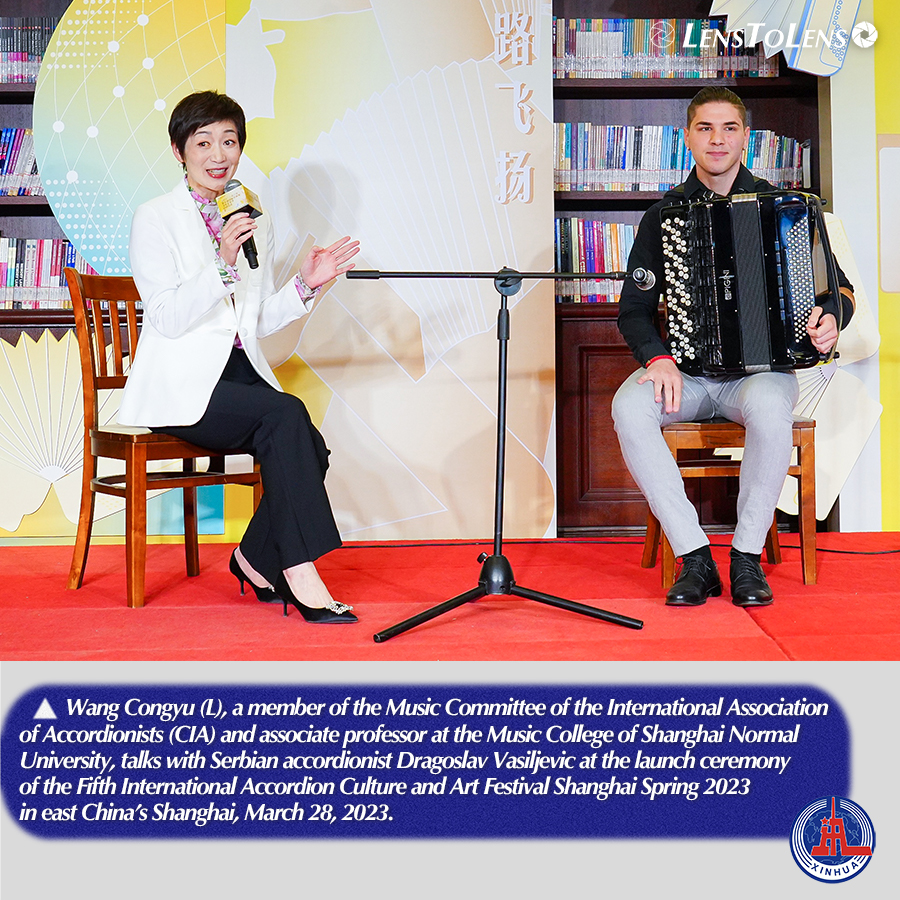
In March, the 38th Shanghai Spring International Music Festival brought an annual feast of music and culture to the public. One of the events was the 5th Shanghai Spring International Accordion Culture and Art Festival, which invited accordionists from "Belt and Road" countries like Italy, Russia, Poland, and Serbia. This allowed the audience to experience the accordion's charms right at their doorstep.
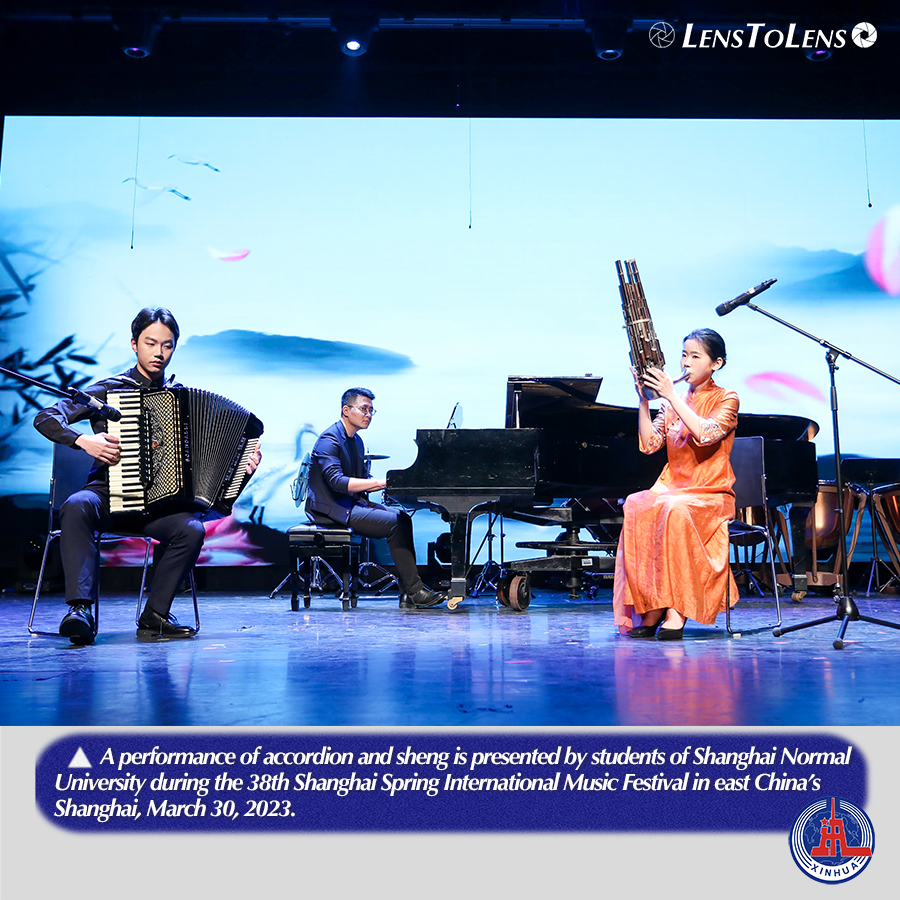
In another event at the music festival, students from Shanghai Normal University presented a splendid joint performance of the accordion and the sheng. Despite having different appearances and playing styles, the two instruments were brought together by the same free-reed "heart" and resonated harmoniously on the same stage.
Despite being born in different eras and regions, the sheng and the accordion share the same principle of free-reed sound production. The sheng carries the essence of classical Chinese music, while the accordion embodies a brilliant Western application of the free reed. It is truly amazing that a vibrating reed can bear witness to the shared wisdom of the East and West in the invention of musical instruments!
Planner: Wang Jianhua
Coordinators: Wang Qingqin & Wu Wei
Photographers: Jin Mamengni, Bai Xueqi, Sun Fanyue, Xiao Yijiu, Xin Mengchen, Mu Yu, Hu Zhixuan, Li Mangmang, He Fei, Alexander Zemlianichenko Jr, Wang Fei, Fei Maohua, Martin Zabala, Hao Zhao & An Xiya
Visual designers: Li Mangmang & Hu Zhixuan
Editors: Hu Zhixuan, Li Mangmang, Sui Shangjun & Wang Qingqin