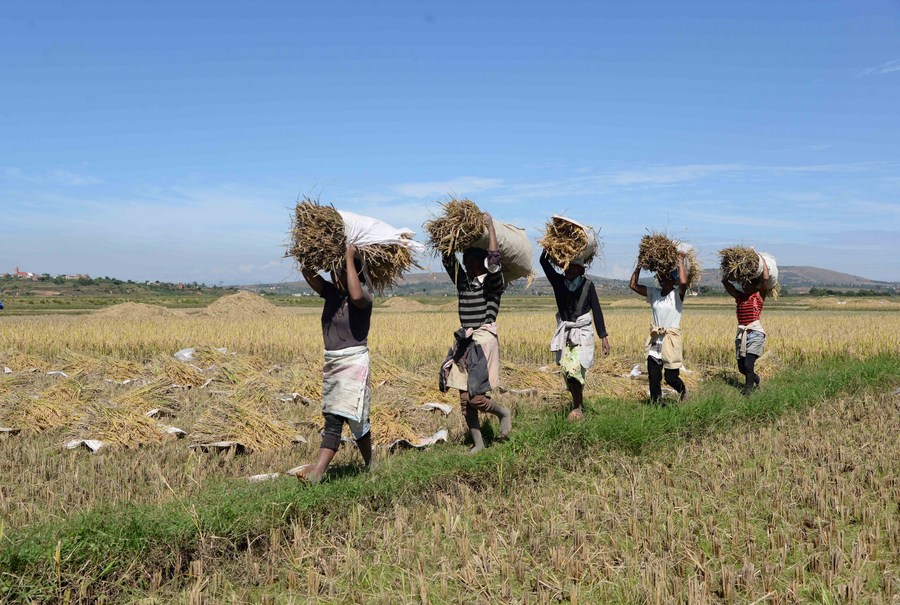
Local farmers harvest rice in a field in Mahitsy, a town 35 km northwest of Antananarivo, Madagascar, on May 12, 2023. (Xinhua/Sitraka Rajaonarison)
BEIJING, June 29 (Xinhua) -- In Madagascar, an Indian Ocean island country, the month of May is in the autumn season. Hu Yuefang, a Chinese hybrid rice expert, rushes to harvest the last batch of hybrid rice with local farmers in a field at the China National Hybrid Rice Research and Development Center's Africa sub-center in Mahitsy, a town 35 km northwest of the Madagascan capital of Antananarivo.
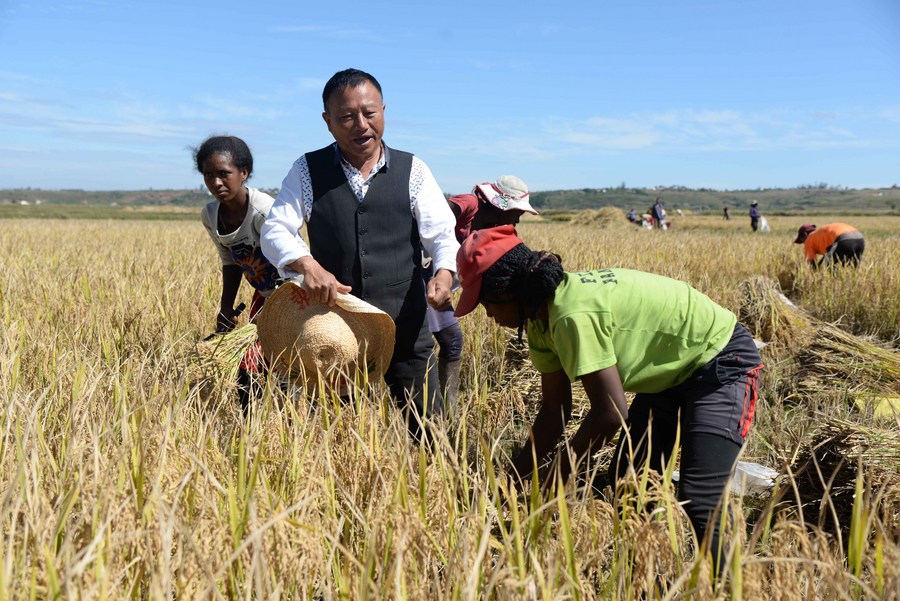
Hu Yuefang (2nd L), a Chinese hybrid rice expert, works with local farmers in a field in Mahitsy, a town 35 km northwest of Antananarivo, Madagascar, on May 12, 2023. (Xinhua/Sitraka Rajaonarison)
In 2008, Hu left his hometown of Yiyang, in the southern Chinese province of Hunan, to travel to the African island as an expert in hybrid rice technology. Since then, he has been studying hybrid rice varieties adapted to local natural conditions and helping local people find the best way to increase their production.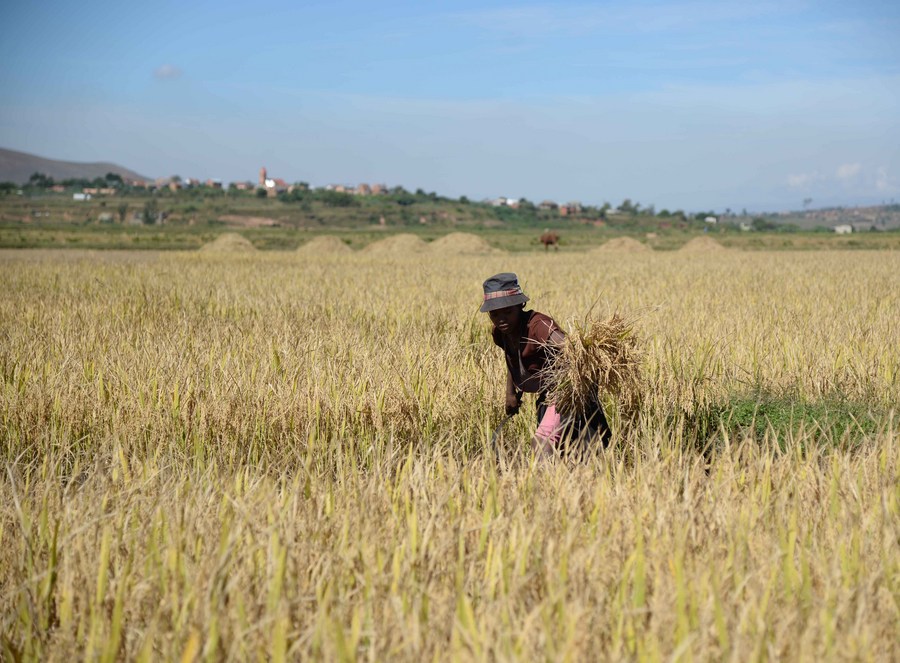
A local farmer harvests rice in a field at the China National Hybrid Rice Research and Development Center's Africa sub-center in Mahitsy, Madagascar, on May 12, 2023. (Xinhua/Sitraka Rajaonarison)
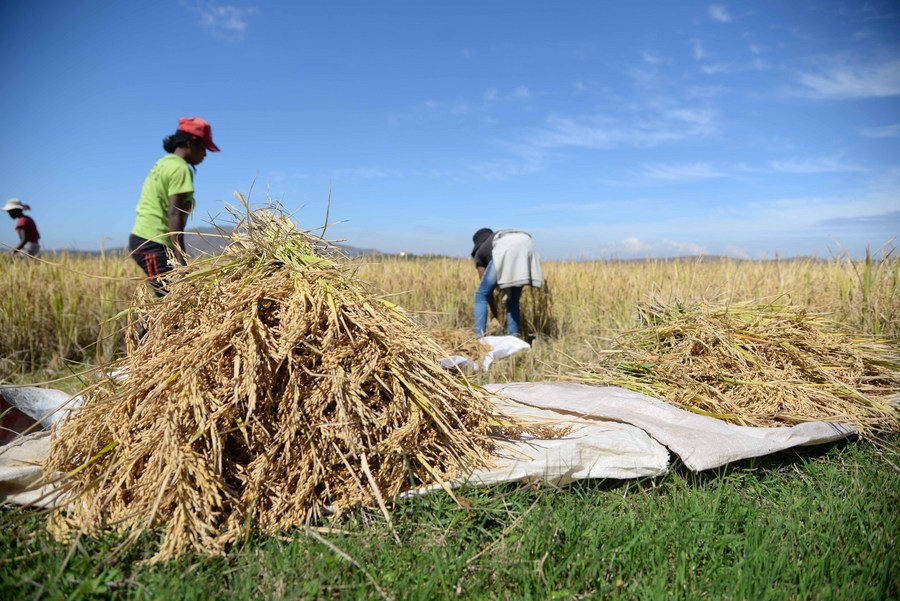
Local farmers harvest rice in a field at the China National Hybrid Rice Research and Development Center's Africa sub-center in Mahitsy, Madagascar, on May 12, 2023. (Xinhua/Sitraka Rajaonarison)
Rice growing is the main agricultural activity in Madagascar. According to official statistics, more than half of all farmland in Madagascar is devoted to rice, and more than two-thirds of Malagasy households grow rice. However, due to a number of factors, such as seed quality, farming techniques and infrastructure, rice production in Madagascar is unable to fully meet the food needs of its population, forcing it to resort to imports.
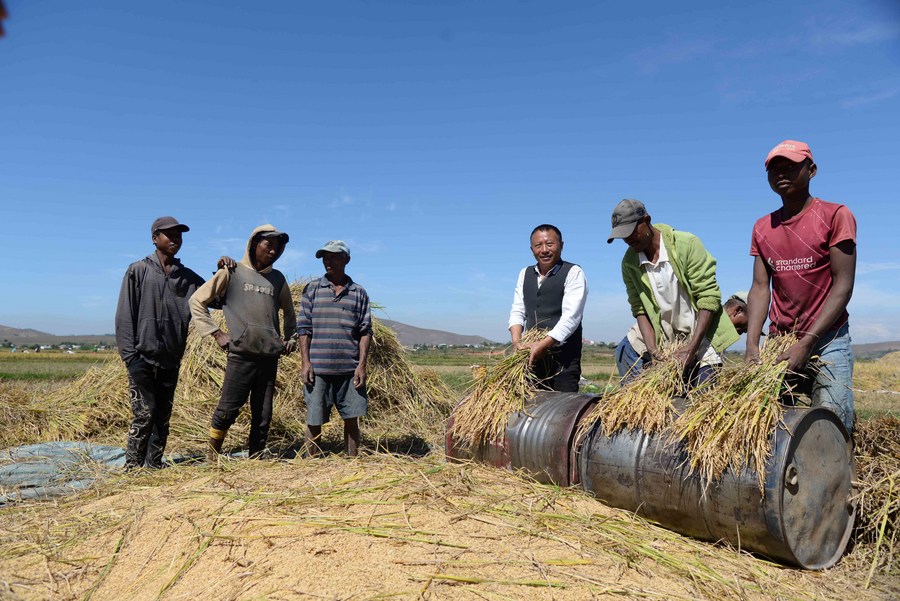
Hu Yuefang (4th L), a Chinese hybrid rice expert, works with local farmers in a field in Mahitsy, Madagascar, on May 12, 2023. (Xinhua/Sitraka Rajaonarison)
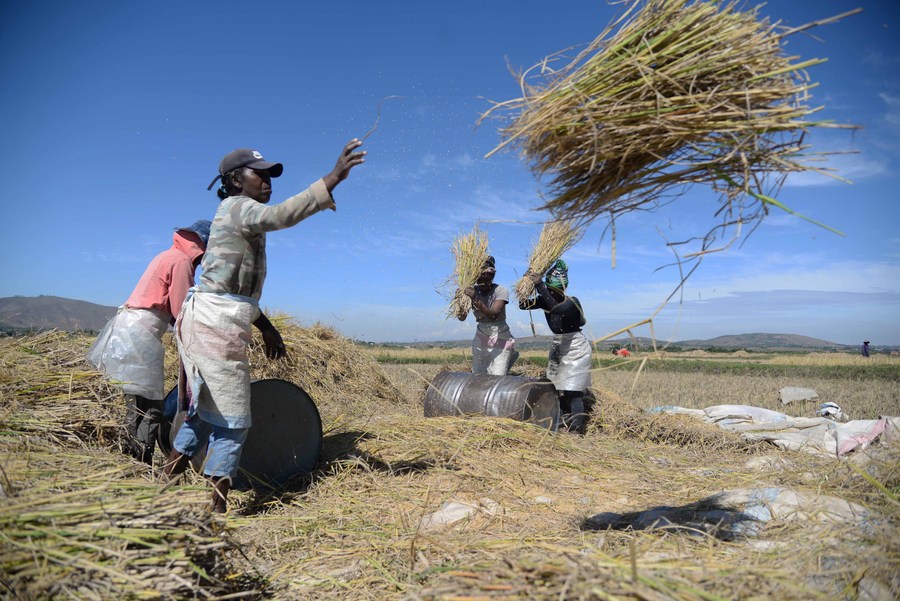
Local farmers harvest rice in a field at the China National Hybrid Rice Research and Development Center's Africa sub-center in Mahitsy, Madagascar, on May 12, 2023. (Xinhua/Sitraka Rajaonarison)
The introduction of hybrid rice with a higher yield per cultivated area has given Madagascar hope of achieving food self-sufficiency. Since 2007, the country has been cooperating with China to develop hybrid rice. In May 2019, the China National Hybrid Rice Research and Development Center's Africa sub-center was officially inaugurated in Madagascar.
Thanks to the joint efforts of Hu and other Chinese experts, the cumulative area of Chinese hybrid rice cultivation in Madagascar has exceeded 50,000 hectares, with an average yield of around 7.5 tonnes per hectare. In this respect, Madagascar has taken a major step toward food self-sufficiency.
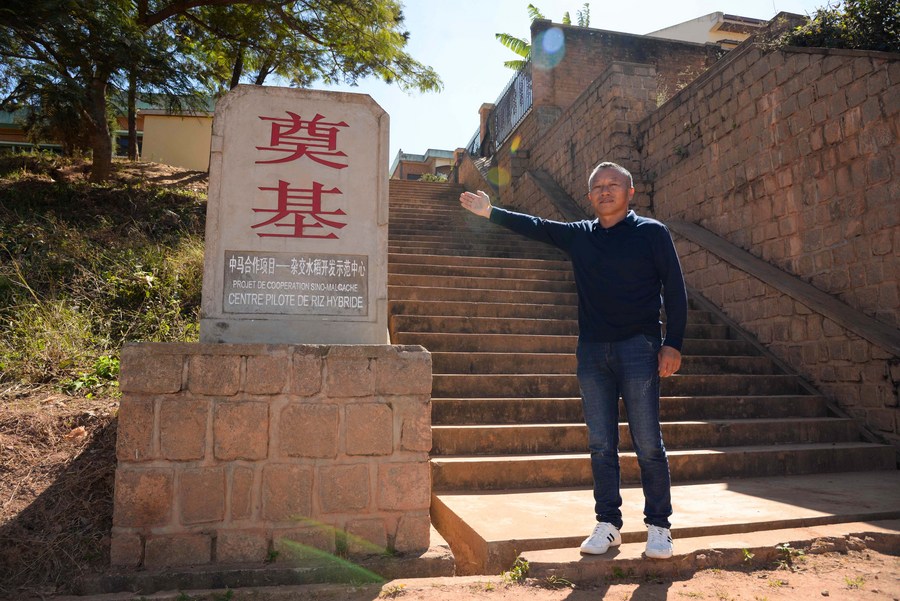
Hu Yuefang poses for a photo at the China National Hybrid Rice Research and Development Center's Africa sub-center, Madagascar, June 20, 2023. (Xinhua/Sitraka Rajaonarison)
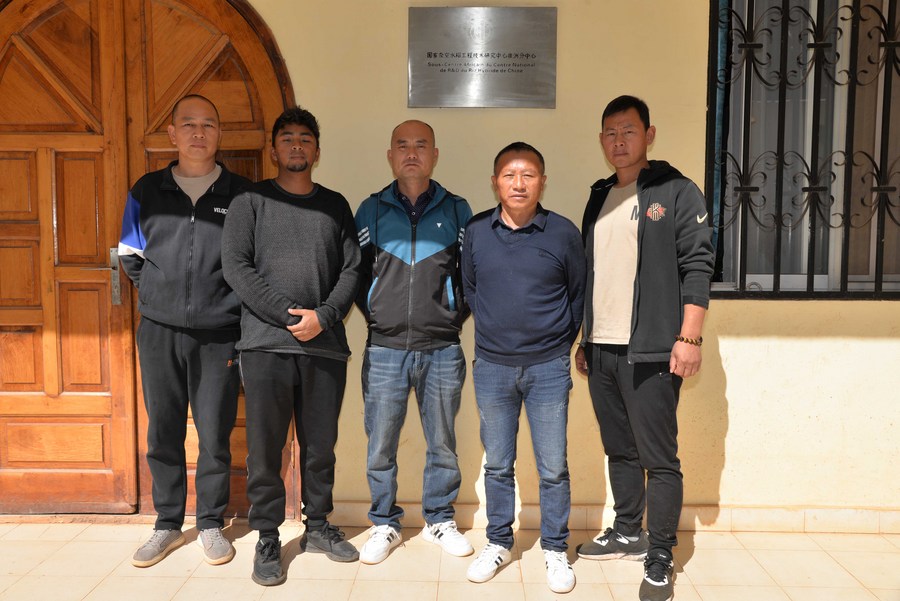
Technicians pose for a photo at the China National Hybrid Rice Research and Development Center's Africa sub-center, Madagascar, June 20, 2023. (Xinhua/Sitraka Rajaonarison)
Hunan is a major grain producer in China and home to the Hunan Hybrid Rice Research Center, founded by the "father of hybrid rice," Yuan Longping.
Drawing from its strength in agricultural technologies, Hunan is helping African countries ensure food security and reduce poverty.
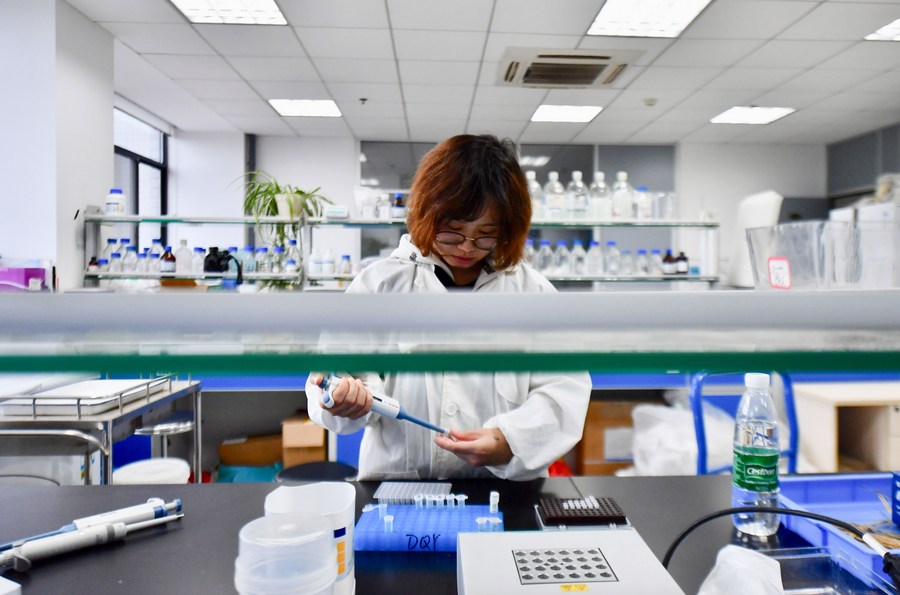
This file photo taken on Oct. 11, 2017 shows a staff member works in a laboratory of Hunan Hybrid Rice Research Center in Changsha, central China's Hunan Province. (Xinhua/Xue Yuge)
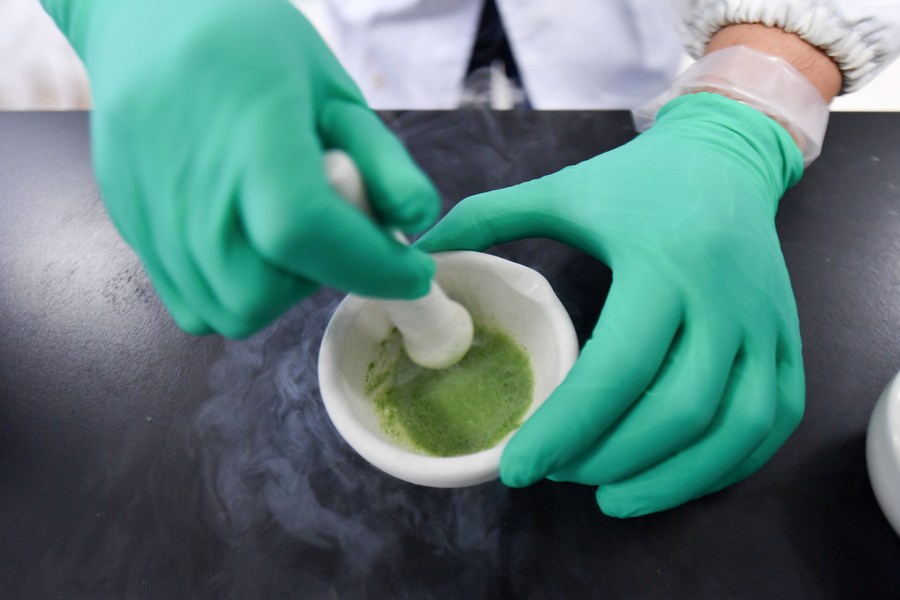
This file photo taken on Oct. 11, 2017 shows a staff member works in a laboratory of Hunan Hybrid Rice Research Center in Changsha, central China's Hunan Province. (Xinhua/Xue Yuge)
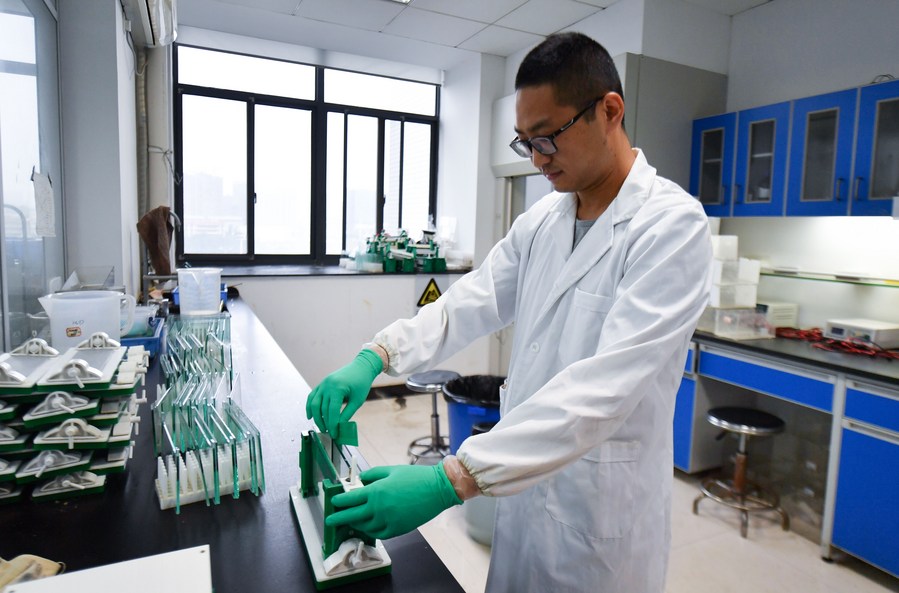
This file photo taken on Oct. 11, 2017 shows a staff member working in a laboratory of Hunan Hybrid Rice Research Center in Changsha, central China's Hunan Province. (Xinhua/Xue Yuge)
Planners: Wang Jianhua, Tan Jian, Wu Zhiqiang
Coordinators: Wu Wei, Zhang Weige, Wang Qingqin, Yuan Ruting, Ling Xin
Photographers: Xue Yuge, Sitraka Rajaonarison
Visual designer: Zhang Ziyu, Xu Xiaoxuan, Lu Zhe
Editors: Liu Xin, Sun Ruibo, Li Renzi, Li Muzi
English editors: Cao Mengyao, Lyu You, Jin Haoyuan, Zhang Chuanqi