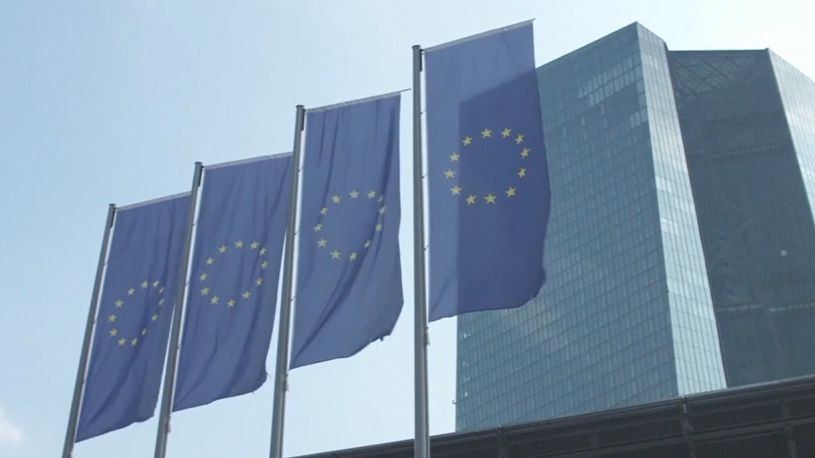
BEIJING, Dec. 29 (Xinhua) --As the secondary disaster of the Russia-Ukraine conflict that broke out in February, energy crisis hurts Europe badly.
European Union (EU) figures show, the past year saw soaring energy inflations rates and households have to spend as high as 40 percent more than last year.
Many residents found their lifestyle has changed.
Some others embolden themselves and walk in the darkness of night on their way home as neighborhoods have more and more blackouts due to energy shortage.
Also because of the energy crisis, some cities have to cancel or reduce public transport, leaving fewer choices for commuters.
For some elderly, life is harder.
Some people have resorted to technology to monitor energy usage strictly.
Higher energy prices send daily necessities more expensive.
According to the EU, the butter is priced 50 percent higher in October than a year ago, cheese nearly 45 percent, beef 20 percent, and pork 50 percent.
For business owners, bigger bills of daily operation have dwarfed their household bills.
As people shiver in end cold, anger bubbles up.
People have taken to the street and asked for governments to ease the energy crisis.
Experts say the governments are ill-prepared to handle the situation.
The energy crisis Europe suffers started in the aftermath of the Russia-Ukraine conflict.
In response to Washington's call against Moscow, many European countries imposed sanctions on Russia, which actually break down the energy supply they are dependent on.
Despite everything European governments could possibly try to ease the situation, there is still no sight of an end to the energy crisis.
Meanwhile, fingers are pointed to the United States for turning the crisis into a market opportunity for supplying energy to Europe at high prices.
In fact, U.S. exports of LNG to its European allies recorded a significant increase during the year.
It's the Christmas season and some people feel the difference this year.
The iconic Christmas tram in Budapest runs without LED lights that have created mesmerizing sights since 2009.
In a bid to save energy, Eiffel Tower started to turn off light about an hour earlier from late Sept., and it remains so during the Christmas season.
And it's time to welcome a new year, a time for a good wish.
Produced by Xinhua Global Service