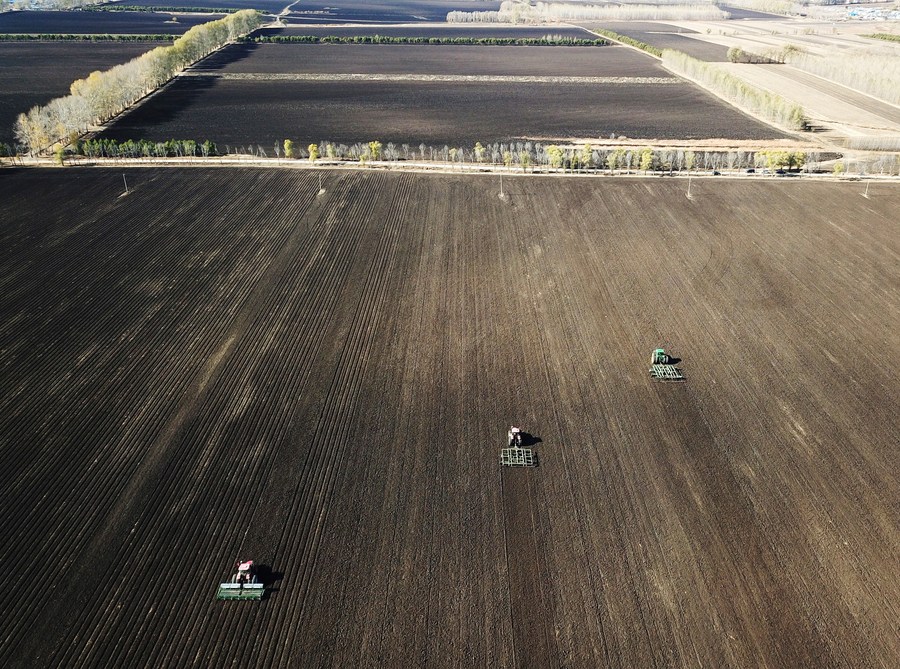
This aerial photo taken on Oct. 15, 2022 shows agricultural machines preparing the field for planting at Xinghua Township, Baiquan County, northeast China's Heilongjiang Province. (Xinhua/Wang Jianwei)
HARBIN, Dec. 5 (Xinhua) -- The black soil, or chernozem soil, found in China's northeastern provinces of Heilongjiang, Jilin, and Liaoning and in some parts of the Inner Mongolia Autonomous Region, produces about a quarter of the country's total grain output, making it crucial to China's food supply.
However, excessive reclamation has eroded the soil's nutrients and its chernozem layer is thinning out, posing a threat to the country's ecological security and sustainable agricultural development.
In recent years, the growing use of modern agricultural technology and equipment, and better protection of black soil in the northeastern region have helped increase grain output and safeguard food security.
China has been promoting conservational tillage, increased the application of organic fertilizer, and adopted maize and soybean rotation planting techniques to protect black soil. Straw mulching is a significant technique employed by the conservation program.
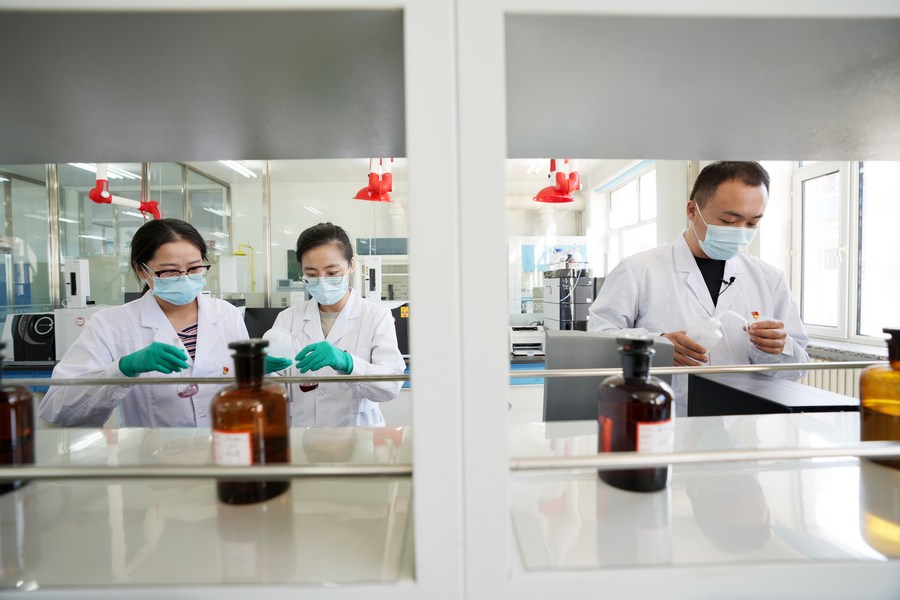
Staff members analyze soil samples at the agricultural technology promotion center of the Qixing Farm Co,. Ltd. under the Beidahuang Group in northeast China's Heilongjiang Province, May 18, 2022. (Xinhua/Wang Jianwei)
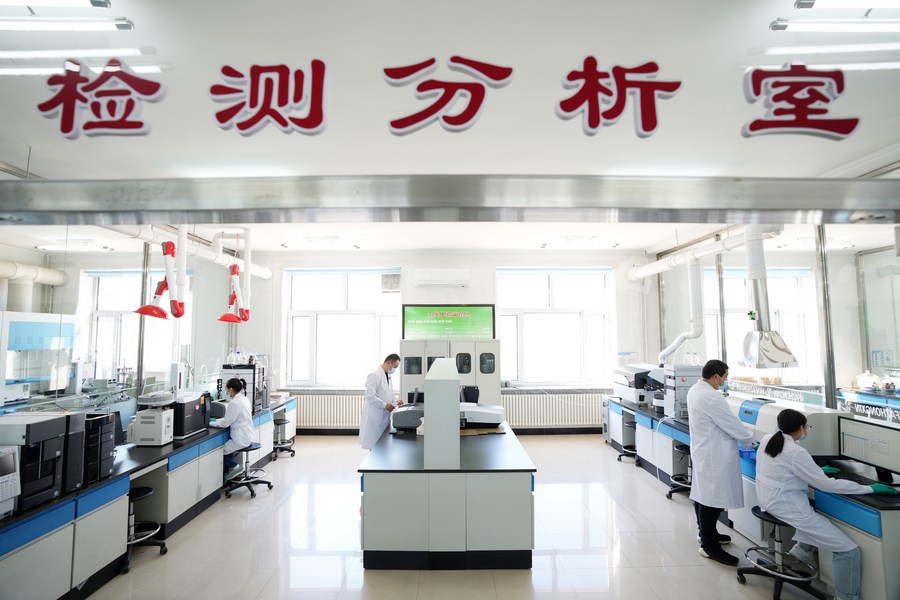
Staff members analyze soil samples at the agricultural technology promotion center of the Qixing Farm Co,. Ltd. under the Beidahuang Group in northeast China's Heilongjiang Province, May 18, 2022. (Xinhua/Wang Jianwei)
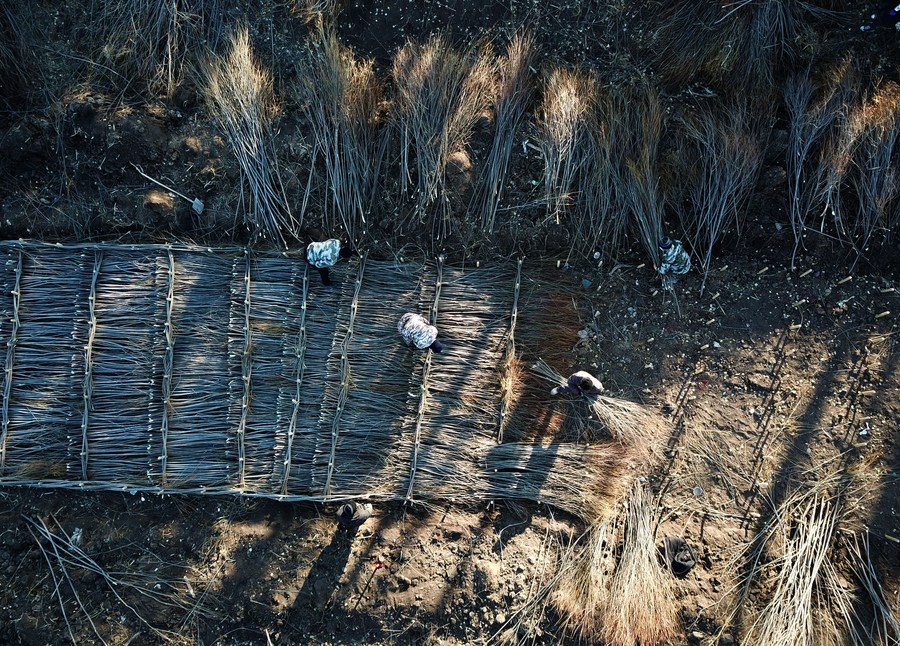
This aerial photo taken on Oct. 18, 2022 shows a site of a soil erosion restoring project at Sandao Township, Baiquan County, northeast China's Heilongjiang Province. (Xinhua/Wang Jianwei)
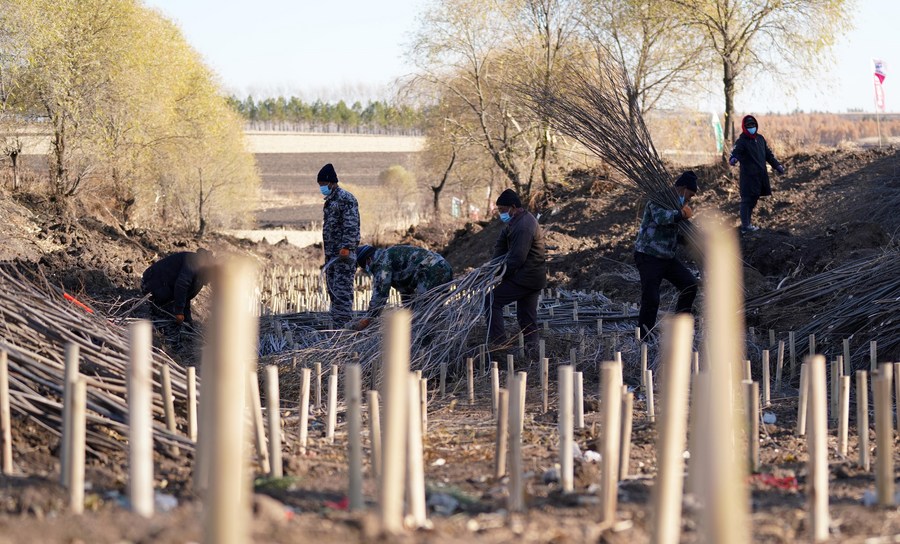
Staff members operate on the site of a soil erosion restoring project at Sandao Town, Baiquan County, northeast China's Heilongjiang Province, on Oct. 18, 2022. (Xinhua/Wang Jianwei)
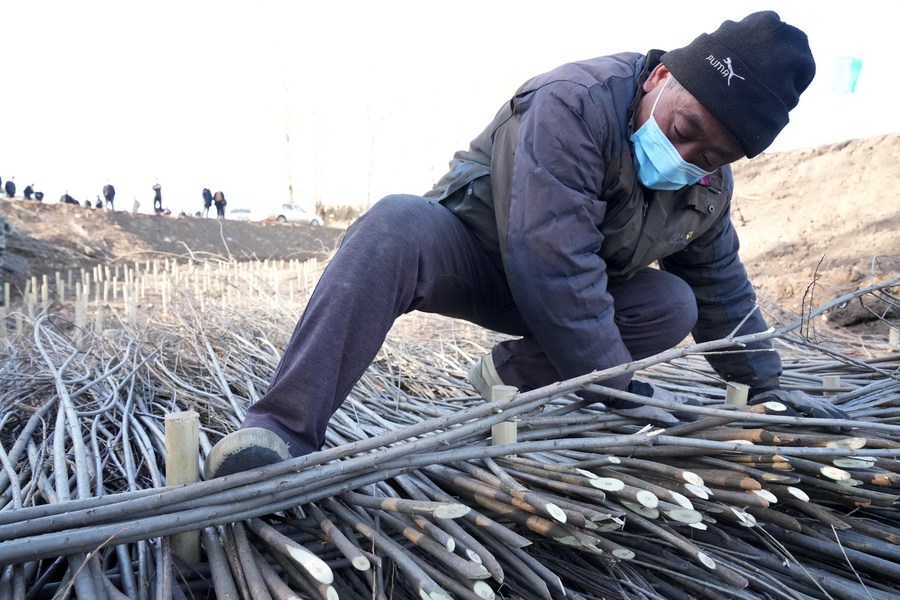
A staff member operates on the site of a soil erosion restoring project at Sandao Town, Baiquan County, northeast China's Heilongjiang Province, on Oct. 18, 2022. (Xinhua/Wang Jianwei)
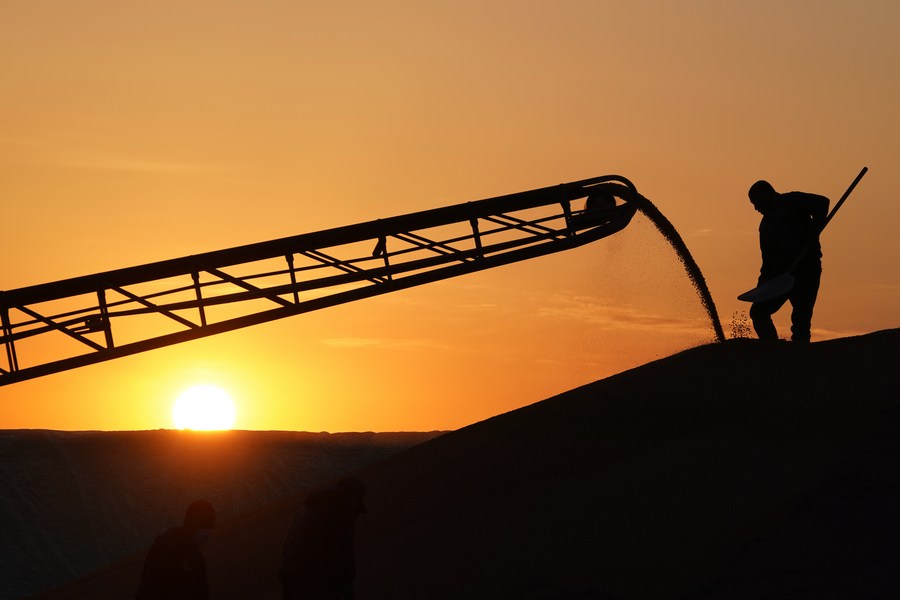
A staff members is busy on a pile of corns at the Zhaoguang Farm Co,. Ltd. under the Beidahuang Group Bei'an branch in northeast China's Heilongjiang Province, Oct. 20, 2022. (Xinhua/Wang Jianwei)
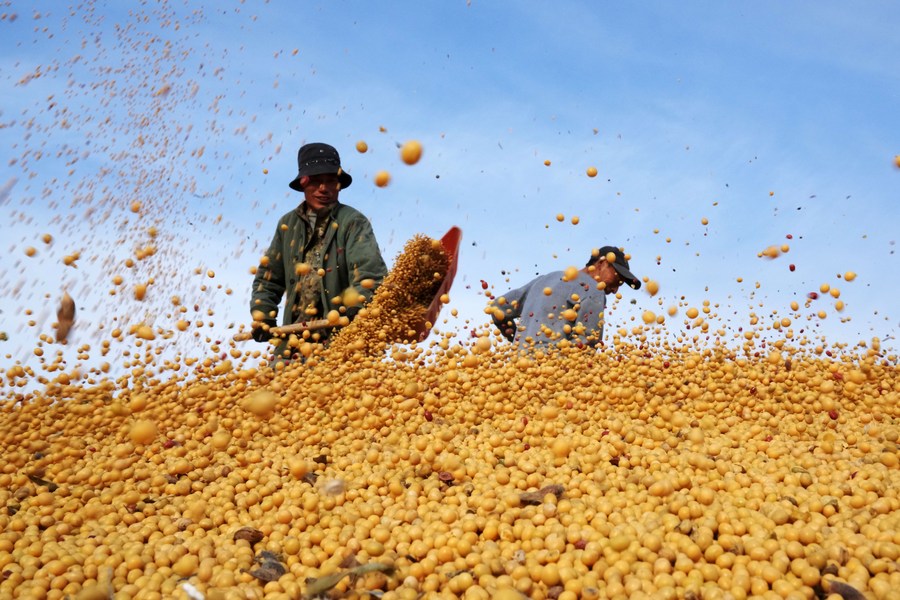
Staff members are busy on a pile of soya beans at the Zhaoguang Farm Co,. Ltd. under the Beidahuang Group Bei'an branch in northeast China's Heilongjiang Province, Oct. 20, 2022. (Xinhua/Wang Jianwei)
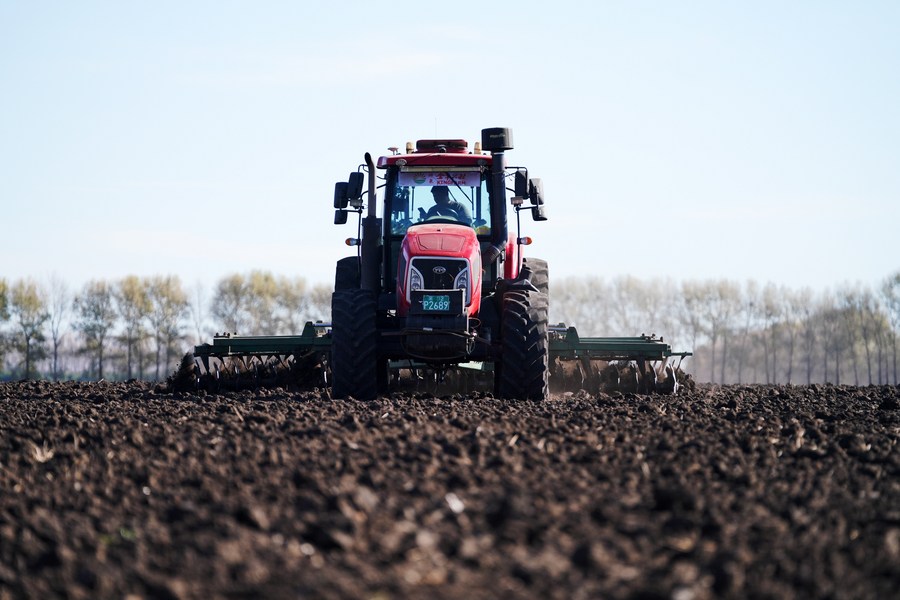
An agricultural machine prepares the field for planting at Xinghua Township, Baiquan County, northeast China's Heilongjiang Province, on Oct. 15, 2022. (Xinhua/Wang Jianwei)
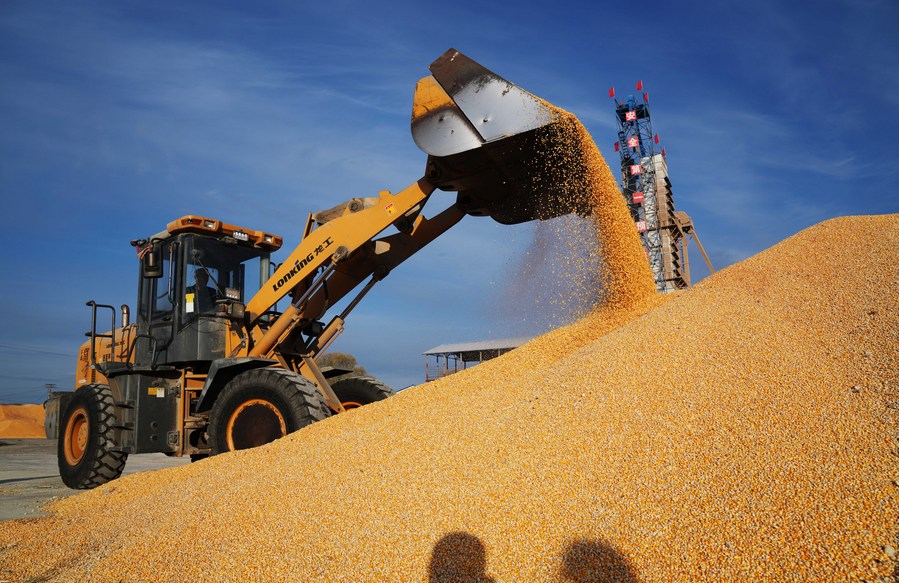
A staff member maneuvers corns with an engineering machine at the Zhaoguang Farm Co,. Ltd. under the Beidahuang Group Bei'an branch in northeast China's Heilongjiang Province, Oct. 20, 2022. (Xinhua/Wang Jianwei)
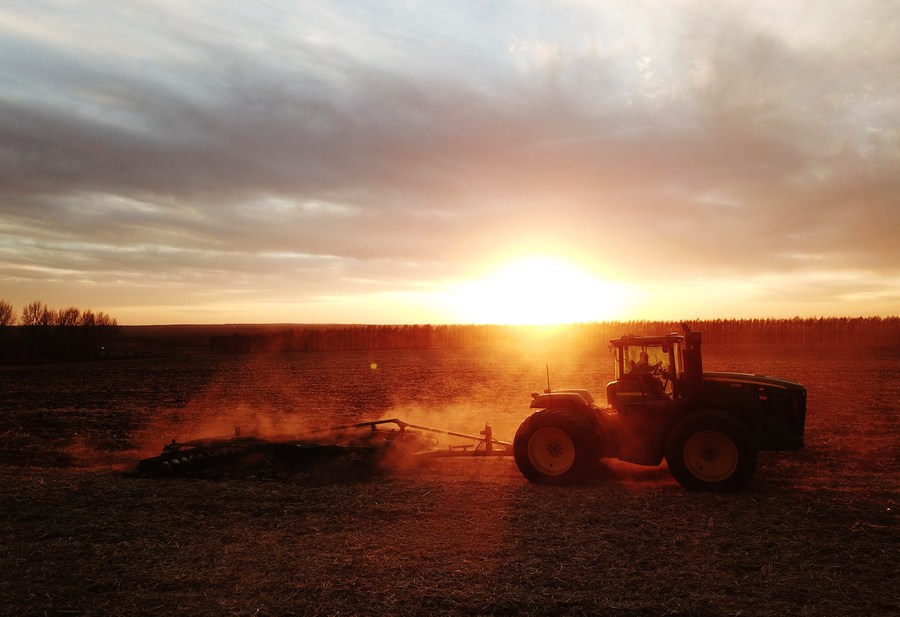
This aerial photo taken on Oct. 19, 2022 shows agricultural machines preparing the field for planting at the Zhaoguang Farm Co,. Ltd. under the Beidahuang Group Bei'an branch in northeast China's Heilongjiang Province. (Xinhua/Wang Jianwei)
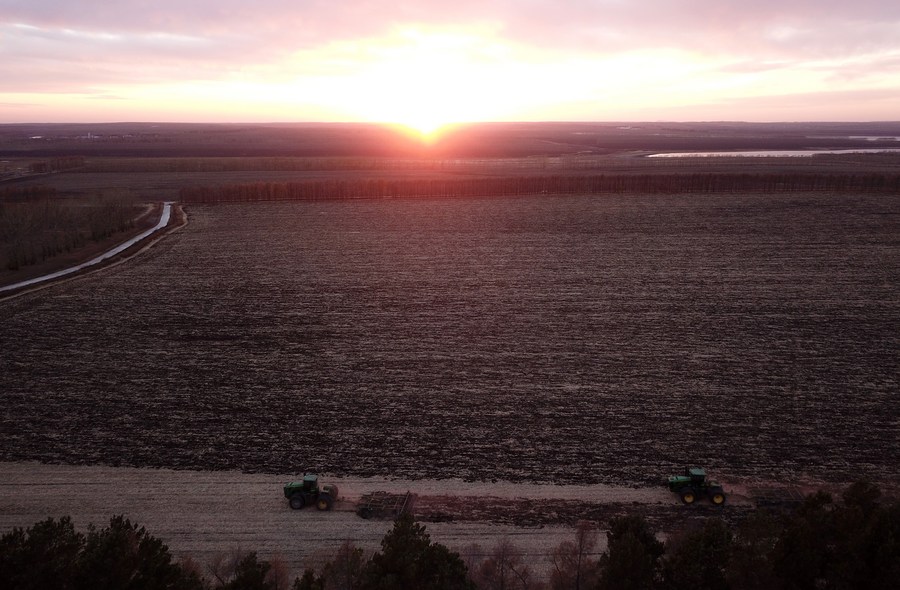
This aerial photo taken on Oct. 19, 2022 shows agricultural machines preparing the field for planting at the Zhaoguang Farm Co,. Ltd. under the Beidahuang Group Bei'an branch in northeast China's Heilongjiang Province. (Xinhua/Wang Jianwei)
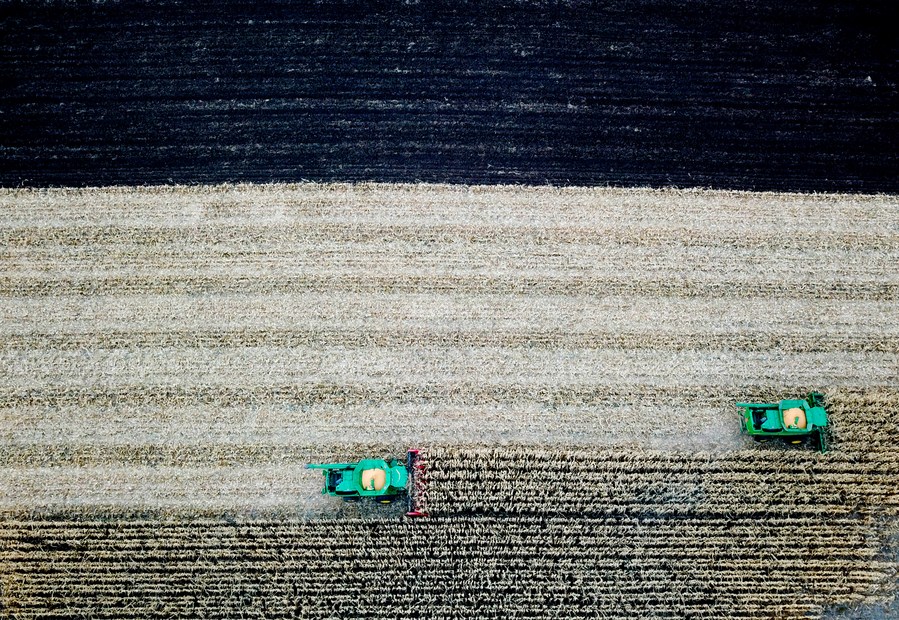
This aerial photo taken on Oct. 15, 2022 shows agricultural machines harvesting corns at Guofu Town, Baiquan County, northeast China's Heilongjiang Province. (Xinhua/Wang Jianwei)
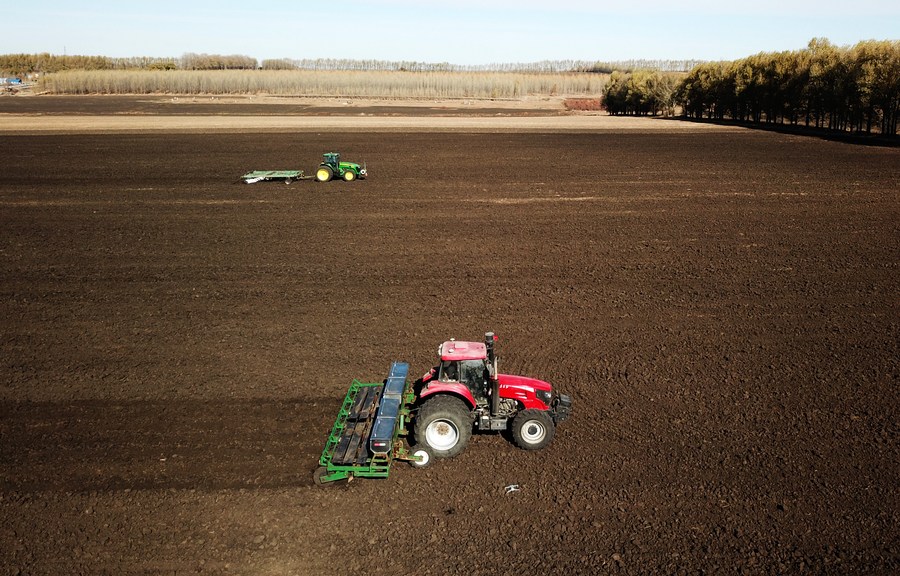
This aerial photo taken on Oct. 15, 2022 shows agricultural machines preparing the field for planting at Xinghua Township, Baiquan County, northeast China's Heilongjiang Province. (Xinhua/Wang Jianwei)■